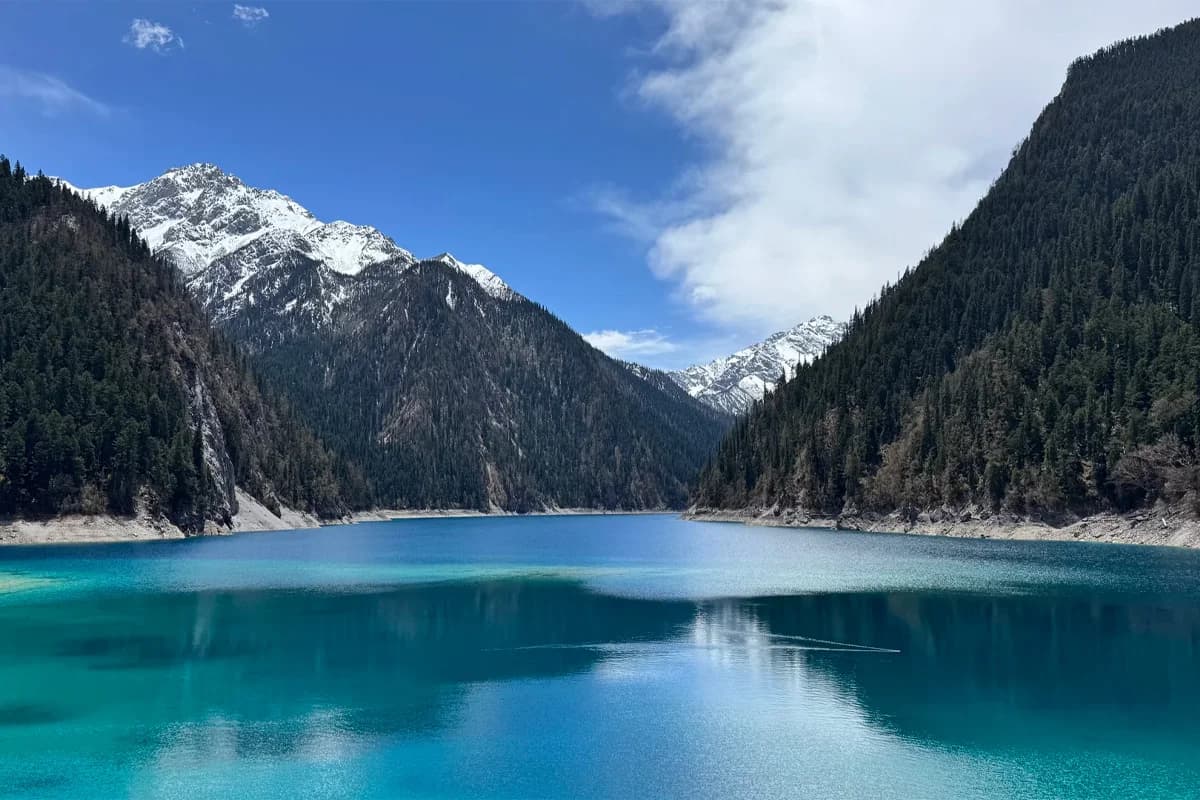
Embark on the adventure of a lifetime with a Silk Road travel from Xi'an to Xinjiang. This legendary route, once trod by merchants and explorers, now offers a unique blend of ancient history and modern convenience for the contemporary traveler. Our guide will show you a new way to experience this epic journey, connecting the heart of ancient China with the vibrant cultures of Central Asia.
This isn't just a trip; it's a passage through time. From the Terracotta Warriors in Xi'an to the bustling markets of Kashgar, you'll trace the footsteps of history while enjoying the comforts and insights of 2026. We provide all the practical details you need—from visas and payments to transport and safety—to make your Silk Road trip in China seamless and unforgettable.
Why Choose a Modern Silk Road Journey?
The ancient Silk Road was a network of trade routes, but today's traveler can experience its highlights in a more direct and comfortable way. A modern Silk Road journey leverages high-speed trains, improved roads, and better tourist infrastructure to make this historical route accessible to everyone. You can cover in weeks what took ancient caravans months or even years.
This route offers an incredible diversity of landscapes and cultures. You'll move from the central plains of China, through the arid Hexi Corridor, and into the vast deserts and mountain ranges of Xinjiang. It's a profound way to understand China's geographical and cultural breadth.
What Makes This Route Special
The journey from Xi'an to Xinjiang is the quintessential Chinese section of the Silk Road. It encapsulates the transition from Han Chinese civilization to the Turkic cultures of Central Asia. You'll witness this change in architecture, food, language, and daily life, making it a deeply enriching cultural experience.
Unlike package tours, designing your own Xi'an to Xinjiang itinerary allows for flexibility. You can spend extra days in places that captivate you, like the oasis city of Dunhuang, and travel at your own pace. This guide empowers you to be the architect of your own adventure.
Planning Your Xi'an to Xinjiang Itinerary
A well-planned itinerary is key to a successful trip. We recommend allocating at least two to three weeks for this journey to fully appreciate the major sites without feeling rushed. The following is a suggested framework for your ancient Silk Road route in China.
Stage 1: Xi'an and the Start of the Journey
Begin your adventure in Xi'an, the ancient capital where the Silk Road officially began. Allow 3-4 days here to explore the city's profound historical significance.
Terracotta Army: A must-see UNESCO World Heritage site.
Xi'an City Walls: Rent a bike and cycle the full circumference for fantastic views.
Muslim Quarter: Sample delicious street food and experience the city's vibrant Islamic culture.
Big Wild Goose Pagoda: A key Buddhist site built to hold scriptures brought from India along the Silk Road.
From Xi'an, you'll head west into Gansu province, following the path of the historic Hexi Corridor travel guide route. This narrow passage between mountains and desert was a critical lifeline for ancient travelers.
Stage 2: The Hexi Corridor to Dunhuang
The next leg takes you through the cities of Lanzhou, Zhangye, and Jiayuguan before reaching the magnificent Dunhuang. This section takes about 5-7 days.
Lanzhou: Stop to see the Yellow River and try the city's famous hand-pulled beef noodles.
Zhangye Danxia Landform: Witness the stunning rainbow-colored mountains, a geological wonder.
Jiayuguan Fort: Explore the impressive first fortress at the western end of the Great Ming Dynasty Wall.
Dunhuang: The highlight of this stage. Here, you can experience a classic Dunhuang and Turpan tour connection.
In Dunhuang, don't miss the Mogao Caves, a treasure trove of Buddhist art, and a sunset camel ride on the singing sand dunes of Mingsha Shan.
Stage 3: Crossing into Xinjiang: Turpan and Urumqi
From Dunhuang, you'll cross into the Xinjiang Uygur Autonomous Region. The first major stop is the fascinating oasis city of Turpan, followed by the regional capital, Urumqi. Plan for 4-5 days.
Turpan: Visit the Flaming Mountains, the ancient city of Jiaohe, and the ingenious Karez underground irrigation system.
Urumqi: Use this modern city as a base to visit Heavenly Lake (Tianchi) in the Tianshan Mountains.
This part of the journey marks a clear shift in culture, architecture, and cuisine, offering a true taste of Xinjiang cultural travel.
Stage 4: The Final Leg: Kashgar
The final destination on this epic Gansu to Xinjiang overland route is Kashgar, a city that feels more Central Asian than Chinese. Allow 3-4 days to soak in the atmosphere.
Kashgar Sunday Market: One of the largest and most vibrant markets in all of Asia.
Id Kah Mosque: The largest mosque in China.
Karakoram Highway: Take a day trip towards the stunning Pamir Mountains.
Kashgar is a fitting end to your journey, a crossroads of cultures that embodies the spirit of the Silk Road.
Essential Practical Information for 2026
Traveling in China requires some specific preparations. Here’s the key practical advice you need for a smooth trip in 2026.
Visas and Entry Requirements
Most international visitors will need a tourist visa (L-Visa) to enter China. Apply at your nearest Chinese embassy or consulate well in advance of your trip. The process typically requires:
A passport valid for at least six months beyond your planned departure date.
A completed application form.
A recent passport-style photo.
Proof of your travel itinerary and hotel bookings.
The applicable visa fee.
Check the latest requirements, as policies can change. For Xinjiang, there are generally no special permits required for tourists visiting main cities like Urumqi, Turpan, and Kashgar, but always verify this before travel.
Money and Payments
China is increasingly a cashless society, but international cards and mobile payments can be tricky for visitors.
Cash (RMB): Still essential, especially in smaller shops, markets, and for taxis in smaller cities. Withdraw money from ATMs at major banks (e.g., Bank of China, ICBC).
Alipay TourCard: This is a lifeline for tourists. You can top up this digital wallet using your international credit card and use it to pay via QR code almost everywhere.
Credit Cards: International cards (Visa, Mastercard) are accepted at major hotels and high-end restaurants in big cities, but don't rely on them.
Transportation: How to Get Around
The backbone of your Silk Road travel from Xi'an to Xinjiang will be China's excellent rail network.
High-Speed Trains (G/D trains): These are fast, comfortable, and efficient for connecting major cities like Xi'an, Lanzhou, and Urumqi. Book tickets in advance via Trip.com or the China Railway app.
Overnight Sleeper Trains: A classic experience for longer legs, saving you a night's accommodation.
Domestic Flights: Useful for covering long distances quickly, such as from Urumqi to Kashgar.
Buses and Private Drivers: Ideal for reaching attractions outside city centers, like the Danxia mountains or Heavenly Lake.
Download a translation app like Pleco or Google Translate (with offline packages downloaded) to help with navigation and communication.
Safety and Cultural Etiquette
China is generally a very safe country for travelers. However, it's important to be culturally sensitive.
General Safety: Petty crime is low, but always exercise common sense with your valuables.
In Xinjiang: Be respectful of local customs and religious sites. Always ask for permission before photographing people.
Internet Access: Common Western websites and apps (Google, Facebook, WhatsApp) are blocked. Use a reliable VPN service to access them. WeChat is the primary communication app in China.
Altitude: Some areas, like the Pamir Highway near Kashgar, are at high altitude. Acclimatize properly and stay hydrated.
Conclusion: Your Unforgettable Adventure Awaits
A Silk Road travel from Xi'an to Xinjiang is more than a vacation; it's a pilgrimage through history. By following this modern Silk Road journey, you'll gain a deep appreciation for the cultures and landscapes that shaped Eurasian history.
With careful planning using this guide, your trip will be smooth, enriching, and truly unforgettable. The ancient Silk Road beckons—are you ready to answer the call?
Disclaimer: This information is provided for reference only and was last updated on . Requirements and regulations may change. Always verify with official sources before making travel plans.