
Yangzhou is a city that defies simple, one-sentence description. Its charm lies precisely in the fact that entirely different landscapes unfold across its various locales. In the span of a single day, one can encounter four distinct facets of Yangzhou—by the water, within its classical gardens, along its historic streets, and inside its ancient temples. For a first-time foreign visitor, this dense, multi-faceted character is the very reason why Yangzhou is well worth a dedicated day of careful exploration.
What attractions can you visit in one day? A guide to popular spots in Yangzhou
1. Slender West Lake
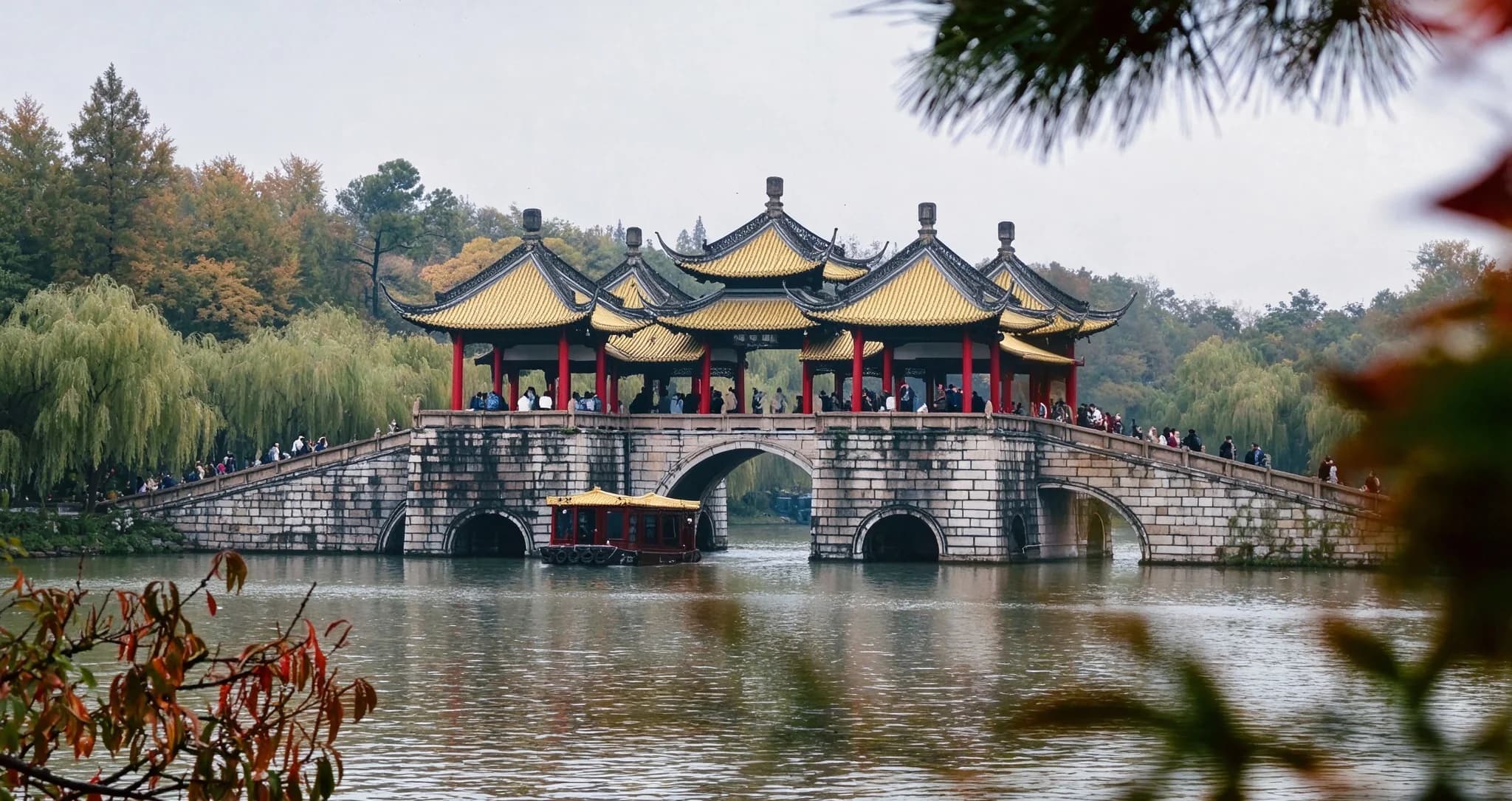
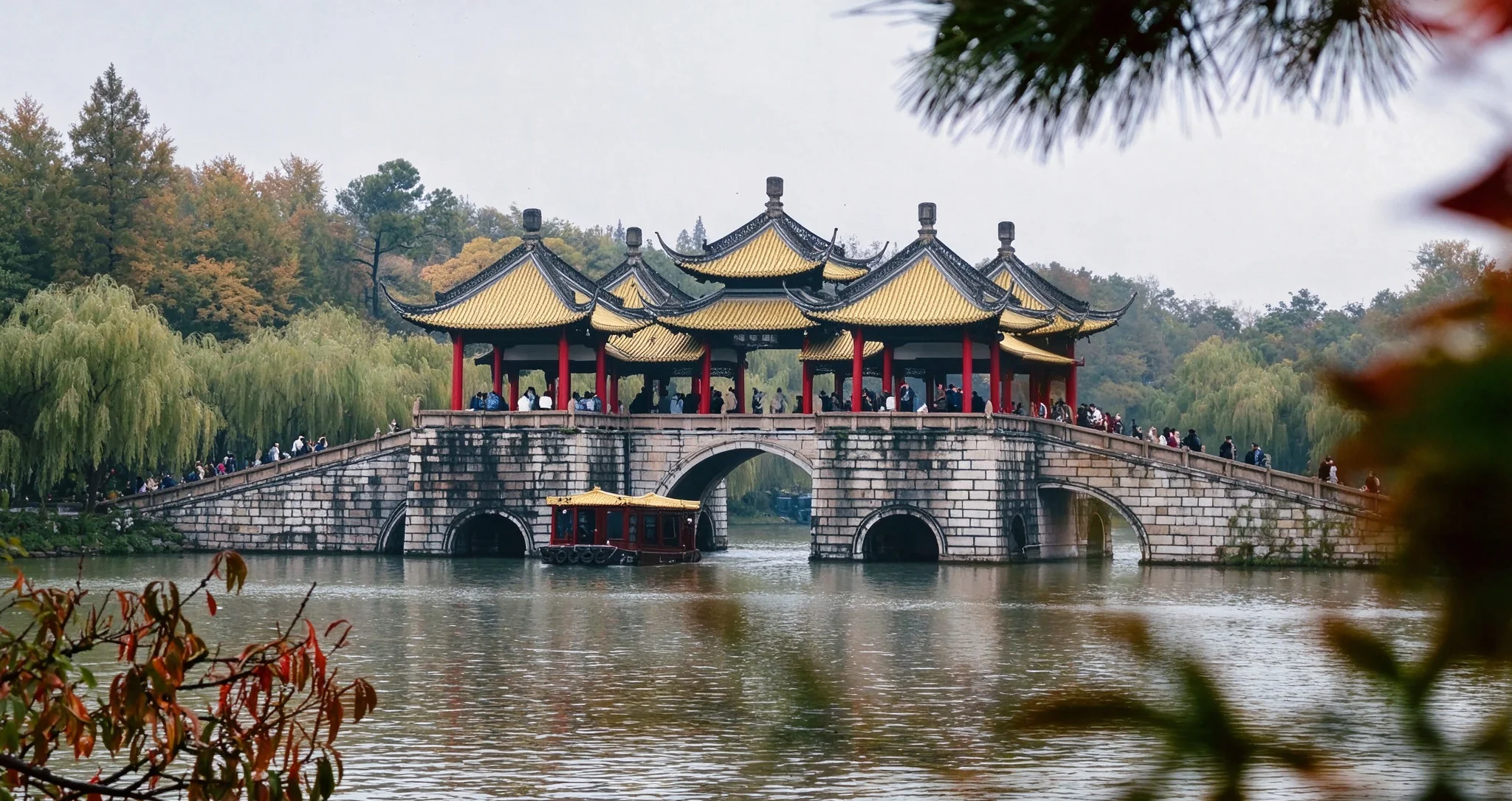
Slender West Lake is Yangzhou’s most iconic lakeside garden. Rather than a single, expansive body of water, it consists of a long, narrow waterway that threads together pavilions, bridges, and lush plantings of flowers and willows. It is a significant component of the Grand Canal—a World Cultural Heritage site—and serves as the quintessential visual embodiment of the famous poetic line: "In the misty, blossom-filled third lunar month, one travels to Yangzhou."
What shall we play?
The core scenic features are concentrated along the axis from the South Gate to the North Gate: Spring Willows along the Long Causeway, Little Jinshan, the Fishing Pavilion, the Five-Pavilion Bridge, the White Pagoda, and the Twenty-Four Bridges.
Diaoyutai is the "king of photo spots" along the entire route.
What should I pay attention to?
Route: Ideally, enter through the South Gate and exit via the North Gate to avoid retracing your steps. If you have limited energy, you can take a sightseeing boat from the South Gate directly to the "Twenty-Four Bridges" (Ershisi Qiao) and then explore the highlights by walking in the opposite direction.
2. Ge Garden
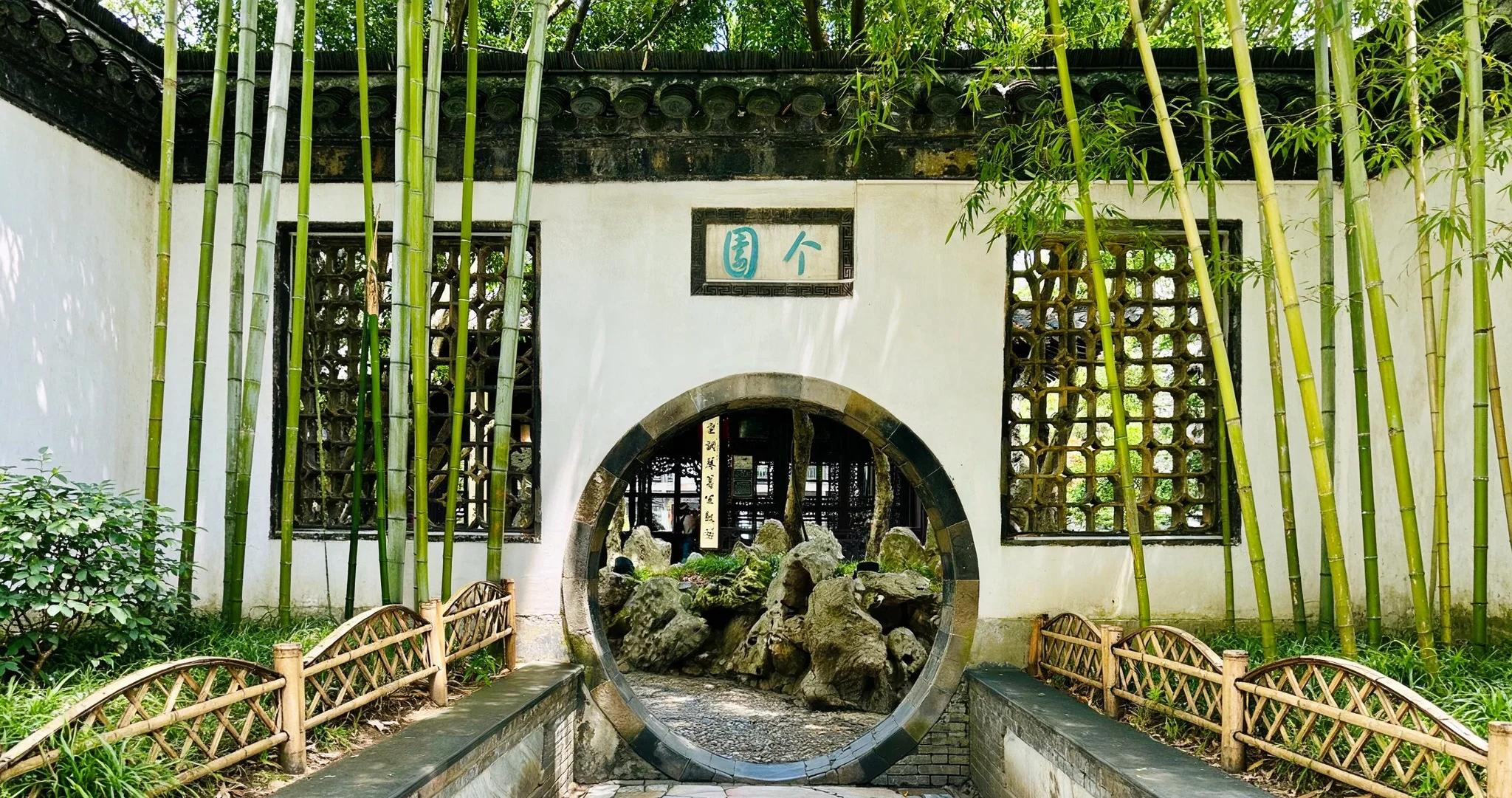
Geyuan Garden, one of China’s four most renowned gardens, was built by a salt merchant during the Qing Dynasty. Its most distinctive feature is the use of stones to "create" the four seasons: "spring mountains" are fashioned from stone shoots paired with emerald bamboo; "summer mountains" are composed of Taihu rocks arranged to evoke cascading clouds and waterfalls; "autumn mountains" utilize yellow stones to suggest the experience of ascending to a high vantage point; and "winter mountains" are crafted from white Xuan stones to evoke the impression of snow. A stroll around the garden is akin to experiencing an entire year.
What shall we play?
The rockeries, designed to represent the four seasons, form the absolute core of the garden. Each rockery offers a unique vantage point for viewing the landscape.
From the summit of the "Autumn Rockery," one can overlook the entire garden.
The "Winter Rockery" features a "wind-permeable, moon-revealing" window that frames a view of the "Spring Rockery"—a clever design element symbolizing the transition from winter to spring.
In the north, the "Garden of Ten Thousand Bamboos" (Wanzhu Yuan) showcases dozens of different bamboo species.
To the south, the former residences of salt merchants offer an intimate glimpse into the scale and lifestyle of the garden’s original owners.
Be sure to listen to a guided explanation. If you look at the rockeries in Geyuan Garden without context, they might just appear to be "a pile of pretty stones." Geyuan Garden is located right next to Dongguan Street—a short, few-minute walk from the south gate—making it ideal to visit both the garden and the street on the same day.
3. Dongguan Street
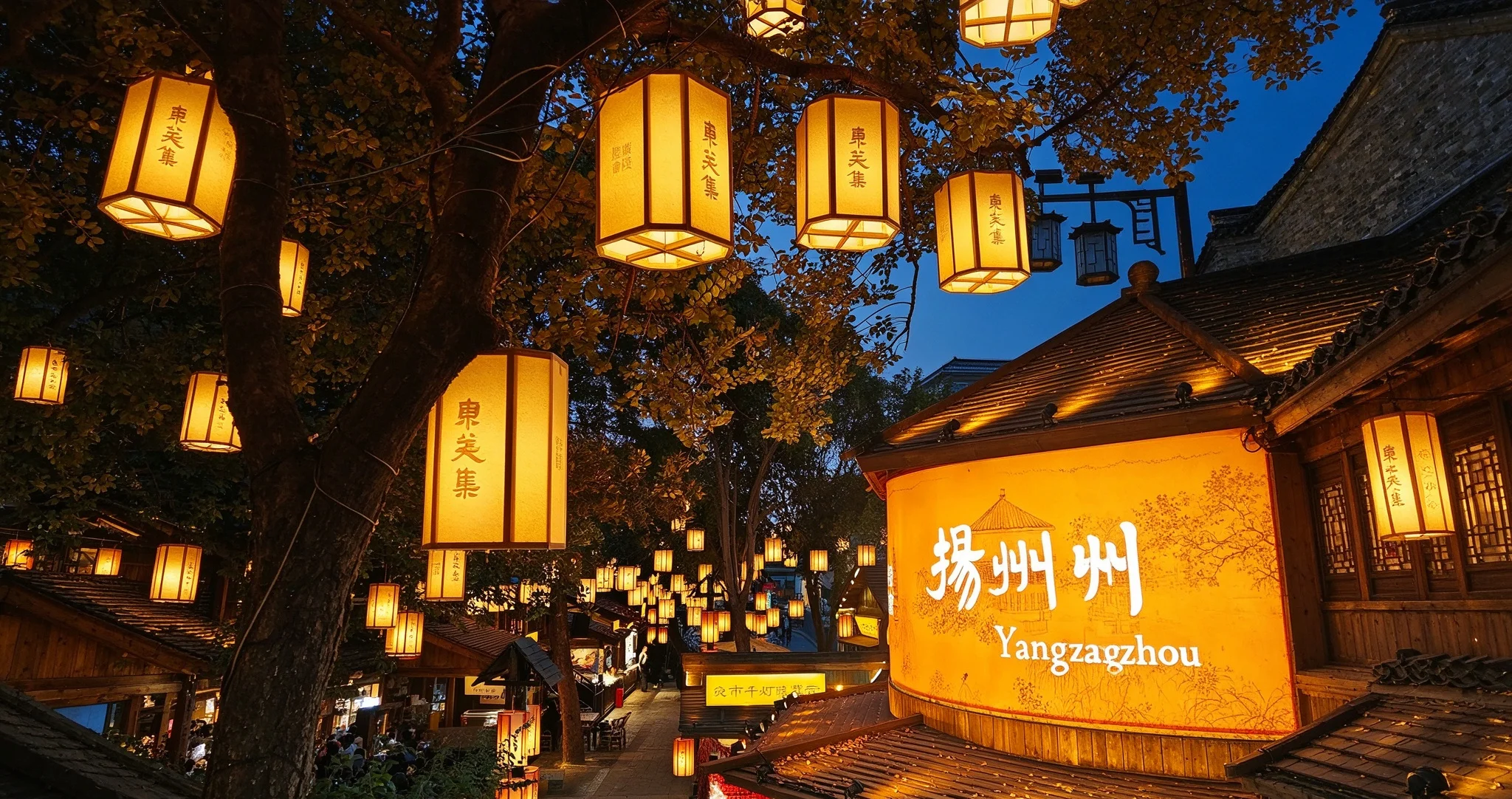
Dongguan Street is the thousand-year-old main thoroughfare of Yangzhou’s historic quarter. Lined with bluestone paving, it is home to time-honored shops, teahouses, traditional condiment purveyors, and workshops for age-old crafts. Far from being merely a "tourist street," it remains a living, functioning slice of urban life.
What shall we play?
What truly merits attention is not the trendy snack stalls along the main street, but rather the old shops and subtle details tucked away in the alleyways—the century-old powder shop Xie Fuchun, workshops for traditional Yangzhou paper-cutting and lacquerware, and time-honored establishments where, in the early morning, the wooden door panels are just being taken down.
Avoid the main street during meal times. Popular "viral" restaurants often have long queues, yet their food isn't necessarily better than what you can find in the small eateries tucked away in the side alleys.
4. Daming Temple
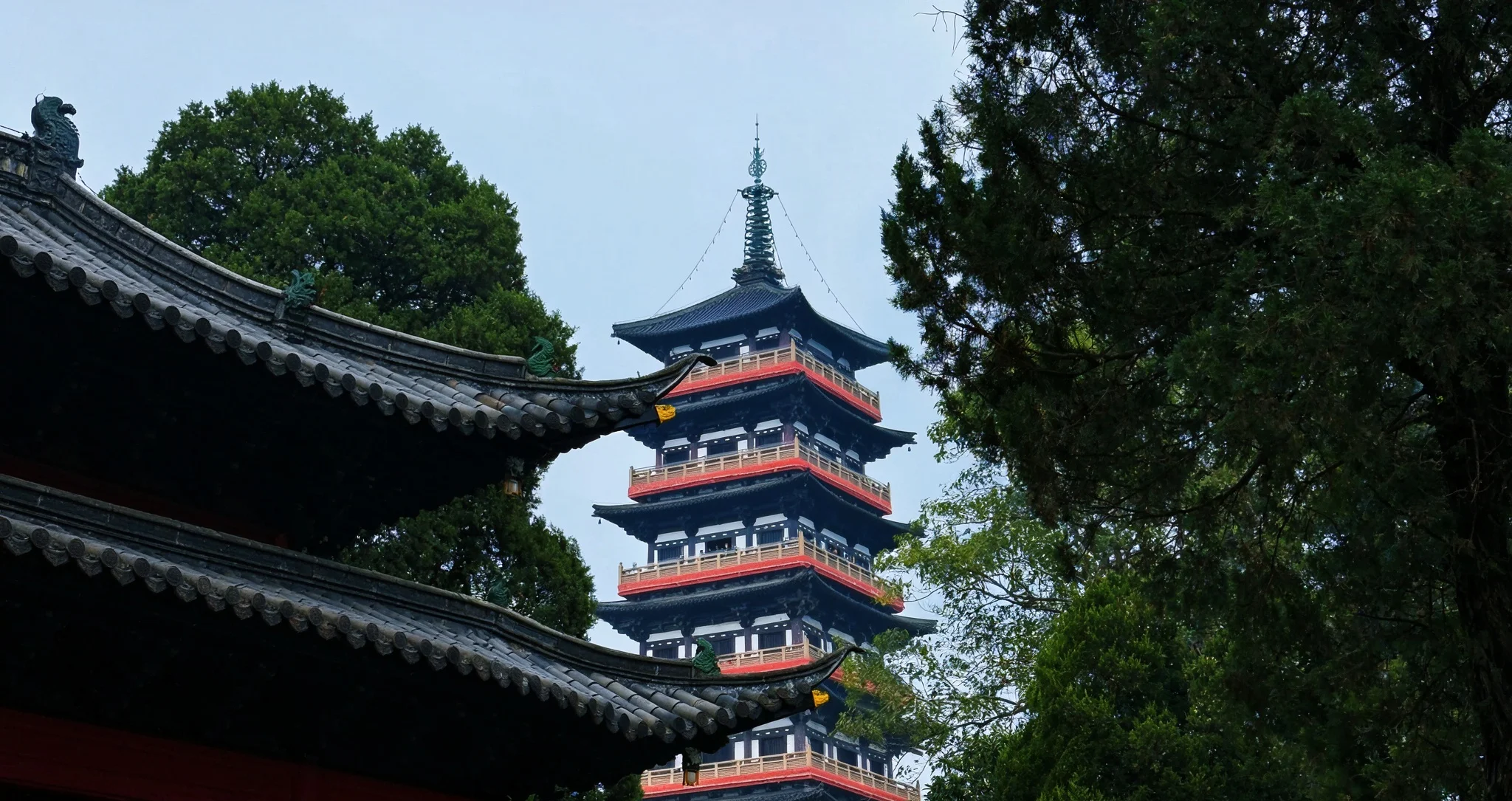
Daming Temple is situated on the central peak of Shugang, northwest of Slender West Lake. Founded during the Southern Dynasties, it stands as one of the Buddhist temples with the deepest historical roots in Yangzhou. The eminent monk Jianzhen served as the temple’s abbot before his voyage to Japan; the Jianzhen Memorial Hall, located within the temple grounds and designed by Liang Sicheng, serves as a significant landmark for cultural exchange between China and Japan.
What shall we play?
Beyond the temple architecture itself, Pingshan Hall (built by Ouyang Xiu) and Gulin Hall (built by Su Shi) extend the cultural lineage of Yangzhou from the Tang Dynasty into the Song Dynasty. If you have the energy, you can ascend Qiling Pagoda, which offers a vantage point overlooking Daming Temple, Slender West Lake, and the skyline of Yangzhou city.
Daming Temple is located right next to the north gate of Slender West Lake; you can easily head there after exiting the park, making it a perfect follow-up to a visit to Slender West Lake.
5. Grand Canal Museum of China
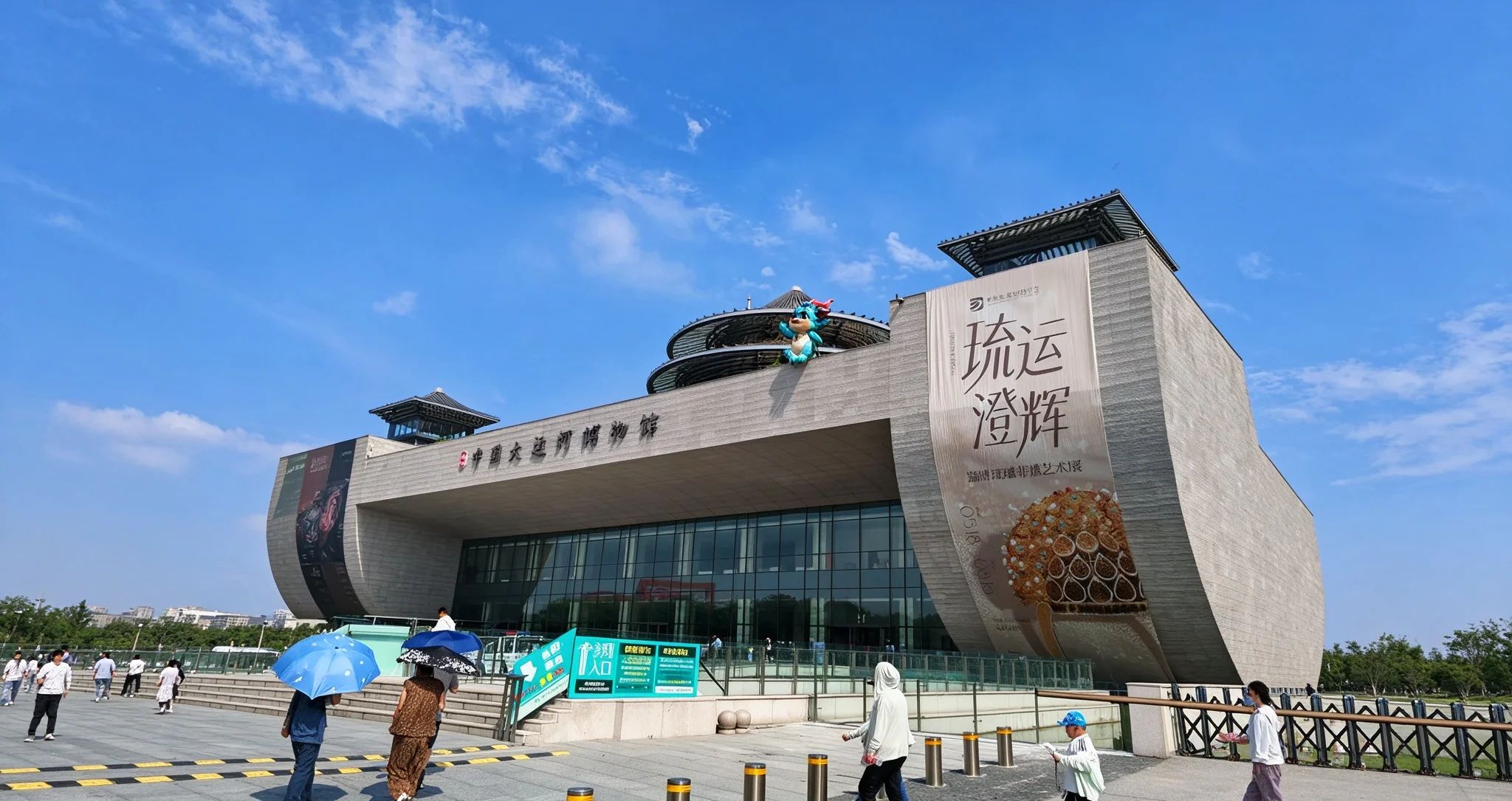
It is the first and only national-level museum in China dedicated to the entire Grand Canal basin. For travelers, it offers a perspective on Yangzhou that stands in a completely different dimension from the city’s Slender West Lake, classical gardens, or historic streets: while the latter showcase the scenery of a single city, this museum reveals how a single river helped shape half of China’s history.
What shall we play?
Admission to the museum’s permanent exhibition halls is free. There are over a dozen halls in total, but if you are short on time, focusing on the three core halls on the first floor, Hall 8, and the top floor will suffice. Setting aside 3–4 hours in total should allow for a comfortable visit.
Hall 1: "The Grand Canal — A World Cultural Heritage Site in China"
Hall 2: "Vessels on the Canal"
Hall 3: "Born of the Canal — Impressions of Grand Canal Street Life"
Hall 8: "Love for the River"
How can the day be pieced together?
Morning: Enter Slender West Lake as early as possible (via the South Gate). Follow the route along the "Spring Willows on the Long Causeway"—passing the Fishing Terrace, Five-Pavilion Bridge, and Twenty-Four Bridges—until you reach the North Gate. This walk takes approximately 2.5 to 3 hours.
Around midday: Head from the vicinity of the Slender West Lake North Gate to Daming Temple. Spend about 1 to 1.5 hours here—climb the pagoda or explore Pingshan Hall.
Afternoon: Take a taxi or bus to Ge Garden (Geyuan). Focus on the "Four Seasons" rockeries and the residential quarters in the southern section; allow about 2 hours for this visit.
Evening: Enter Dongguan Street directly from the south gate of Ge Garden. Stroll through the historic shops, ascend the city gate tower to watch the sunset, and conclude your day with a meal of Huaiyang cuisine or local street snacks.
Practical Tips for Visitors
Best Time to Visit: March to May is the quintessential season in Yangzhou, characterized by lush green willows and vibrant blossoms—though this also brings the largest crowds. October and November offer crisp, pleasant autumn weather; this period is equally comfortable and better suited for travelers who prefer to avoid the peak-season rush of the "flowery spring" months.
Language: English proficiency is limited among staff at tourist attractions and restaurants, as well as among taxi drivers. It is advisable to download a translation app in advance.
Ordering Morning Tea: Morning tea in Yangzhou is a comprehensive culinary experience—it’s about much more than just "drinking tea." For xiehuang tangbao (crab-roe soup dumplings), use a straw to sip the broth first. Wuding bao (five-ingredient steamed buns) offer a rich, multi-layered flavor, while feicui shaomai (jade-green vegetable dumplings) and qianceng yougao (thousand-layer steamed sponge cake) make for a classic pairing.
Some recommendations similar to travel guides:
Which attractions can one visit in Turpan in a single day?
Disclaimer: This information is provided for reference only and was last updated on . Requirements and regulations may change. Always verify with official sources before making travel plans.