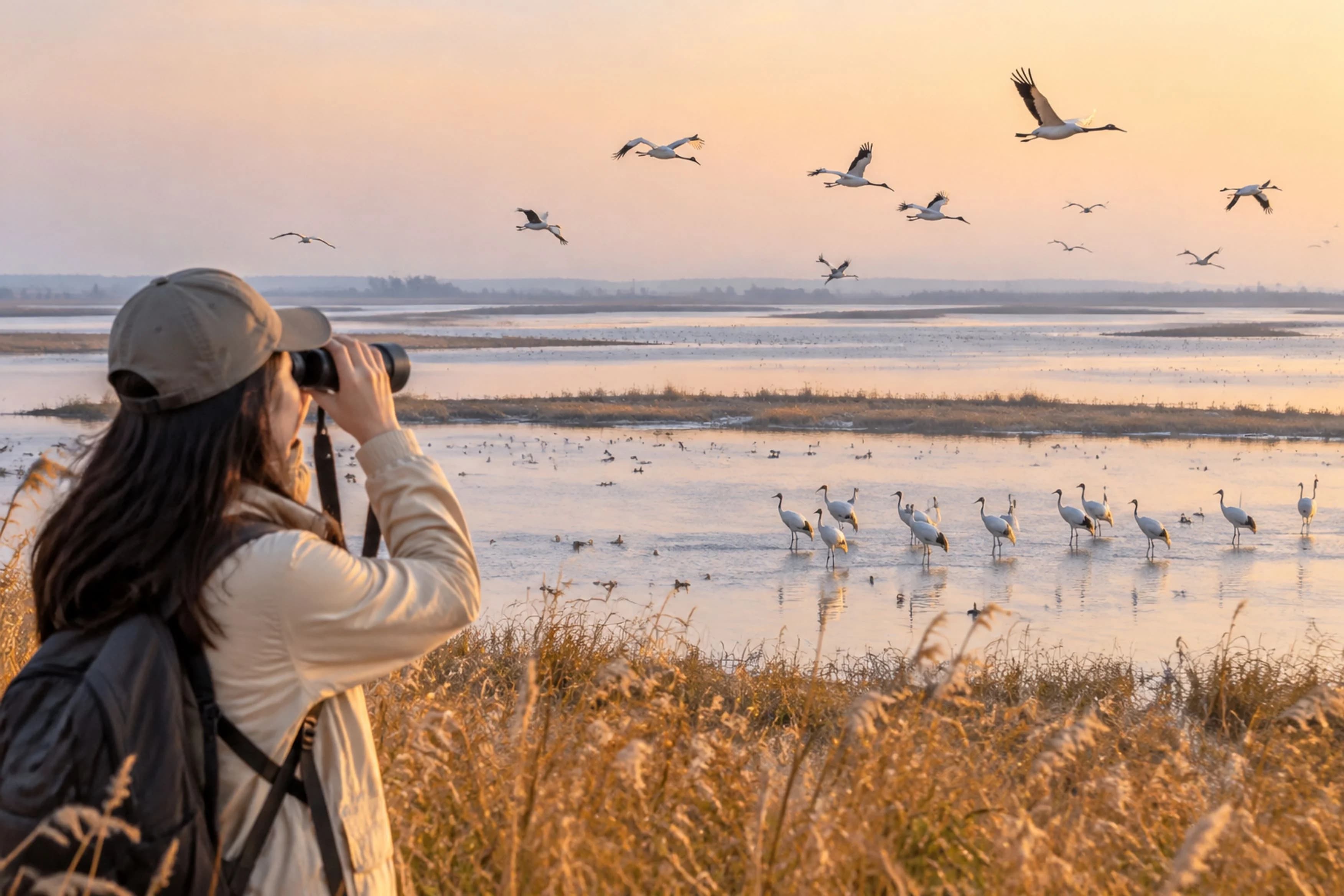

China spans two major global migratory flyways—the East Asian–Australasian Flyway and the Central Asian Flyway. With diverse habitats ranging from high-altitude lakes and coastal mudflats to tropical rainforests and reed wetlands, the birdwatching experience varies dramatically across the country. For international visitors, the real challenge isn’t whether there are birds to see, but rather where to go, when to visit, and what kind of avian spectacles to expect.
This guide categorizes destinations by the type of birdwatching experience—such as visually stunning "grand spectacles," rare or endemic species, specialized crane-watching routes, and high-altitude breeding colonies. Each entry focuses on three core details—what to see, the type of experience, and when to visit—to help you make quick choices based on your interests and itinerary. Rather than a single, monolithic destination, China offers a collection of highly seasonal birdwatching routes. Before your trip, please verify the latest local bird sightings, tidal conditions, and regulations for specific nature reserves.
I. Visual Spectacle: A Grand Scene of “Thousands of Birds Taking Flight”
Jiangxi · Poyang Lake
As China’s largest freshwater lake, it serves as one of the most important overwintering sites for waterbirds in East Asia. It hosts 98% of the global population of Siberian cranes during the winter, and the size of the Oriental stork flocks found here is also remarkably large.
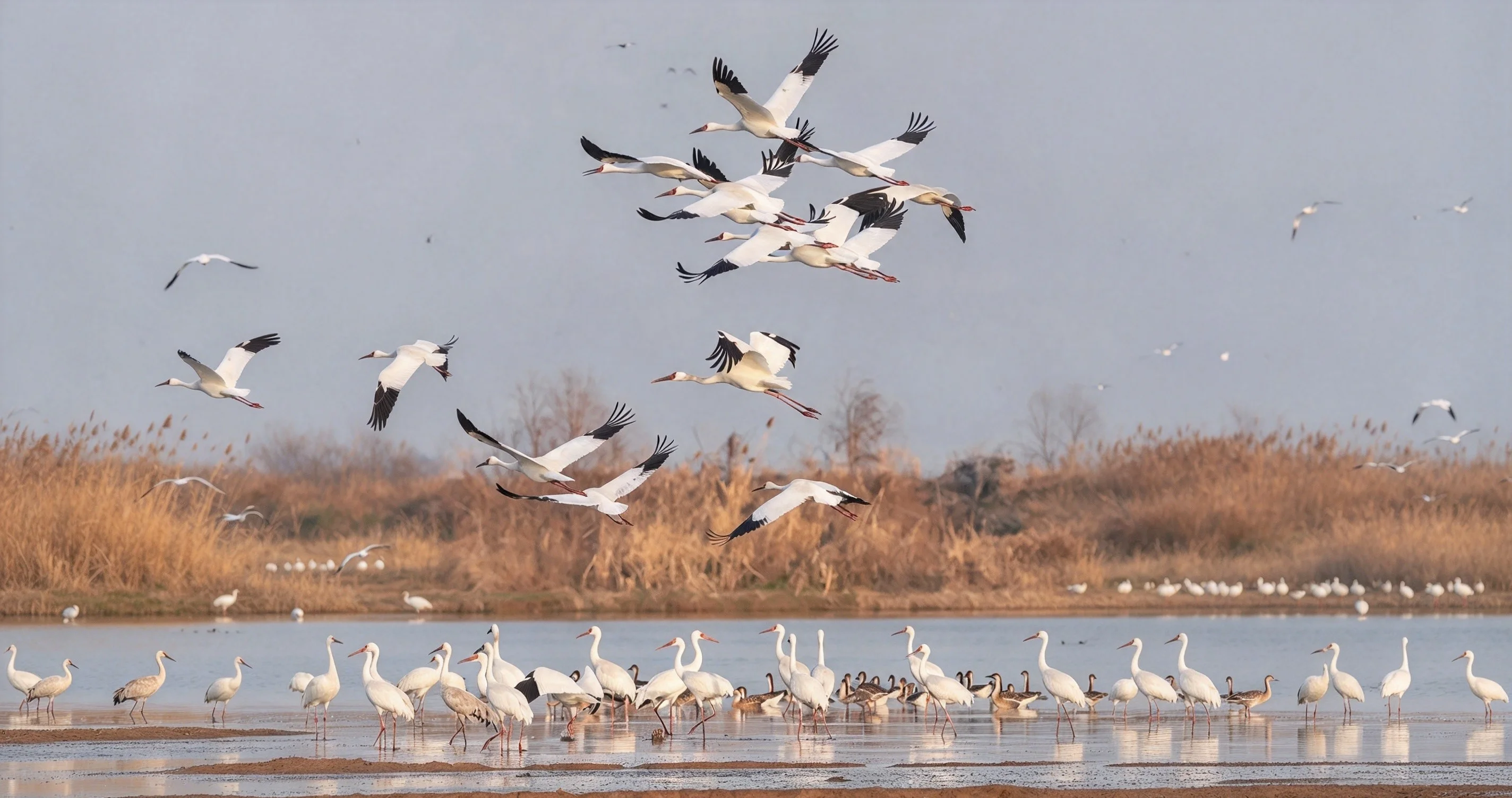
What to see: Siberian cranes, Oriental storks, white-naped cranes, tundra swans, and swan geese—witness tens of thousands of waterbirds taking flight at once, filling the sky.
Experience type: Grand spectacle · A massive gathering of birds in flight
Best time: November to March (with a peak from December to January)
Rongcheng, Shandong
Located at the easternmost tip of the Shandong Peninsula, Swan Lake is the most renowned overwintering site for whooper swans in northern China. Each year, nearly 10,000 of these swans arrive from Siberia, leaving the surface of the lake almost entirely blanketed in white.
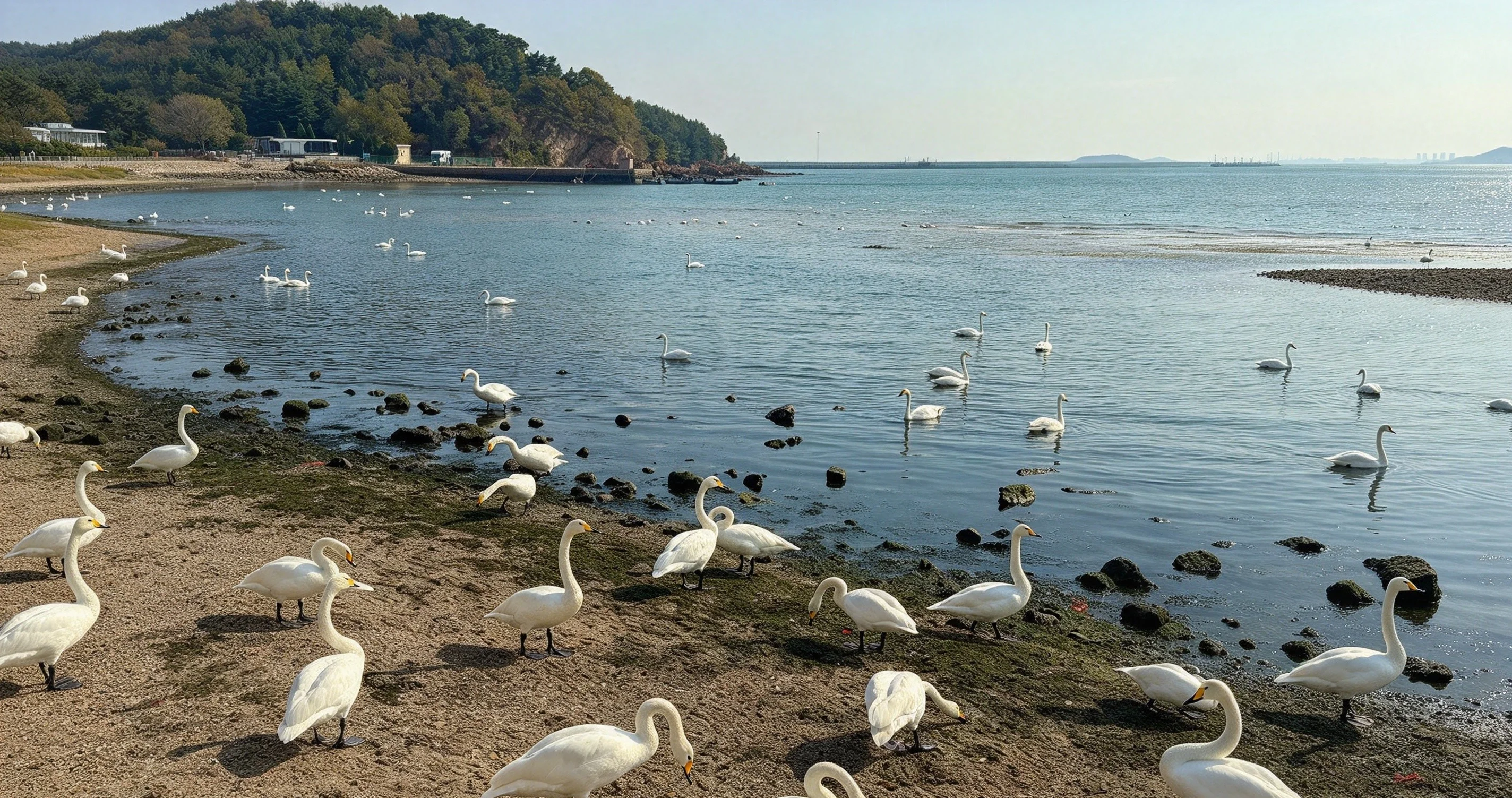
What to see: Whooper swans (flocks numbering nearly 10,000); the spectacle is most magnificent at dawn and sunset.
Experience type: A massive gathering of a single species—an ultimate, overwhelming display of white.
Best time to visit: November through March (arrivals begin in late October).
Hebei · Beidaihe
Situated at a critical juncture along the East Asian-Australasian Flyway, this area serves as an "energy refueling station" for migratory birds before they cross the Bohai Sea. During the spring and autumn migration seasons, countless birds surge along the coastline, creating what are known as "waves of birds."
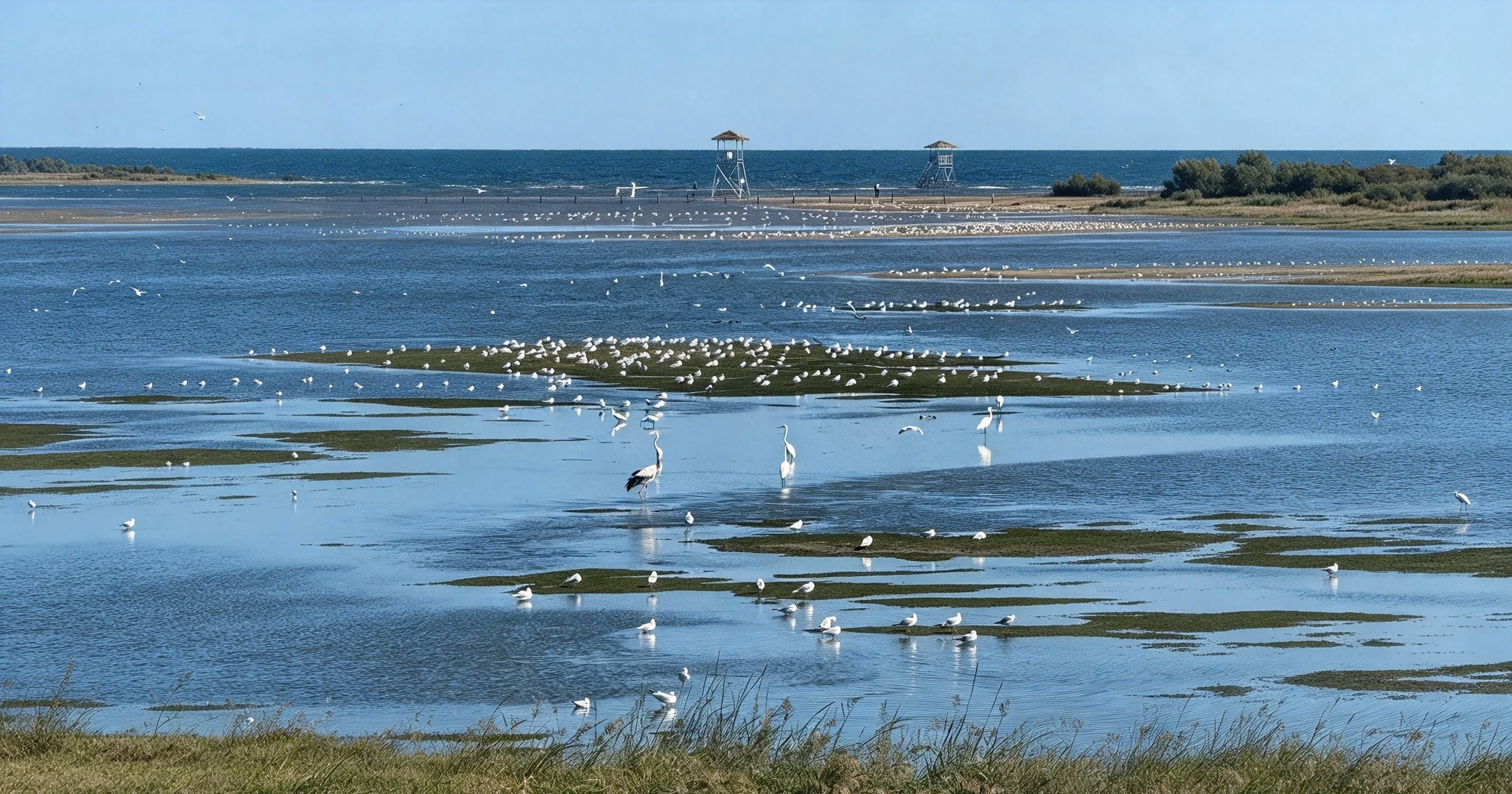
What to see: Oriental storks, red-crowned cranes, Siberian cranes, and large numbers of gulls, geese, and ducks; in autumn, hundreds of red-crowned cranes can be seen passing through in a single day.
Experience: Witnessing "waves" of migratory birds—spectacular formations of large wading birds in flight.
Best time to visit: April (spring); mid-October to November (autumn).
II. Seeking Rare and Endemic Species: “Flagship Species” of Rainforests and Mountains
Yingjiang, Yunnan
Known as the "No. 1 County for Avian Resources in China," this area is home to over 700 recorded bird species—roughly half of all species found nationwide. It is the only place in China where the breeding of three different hornbill species can be consistently observed, earning it the title of "China’s Hornbill Valley."
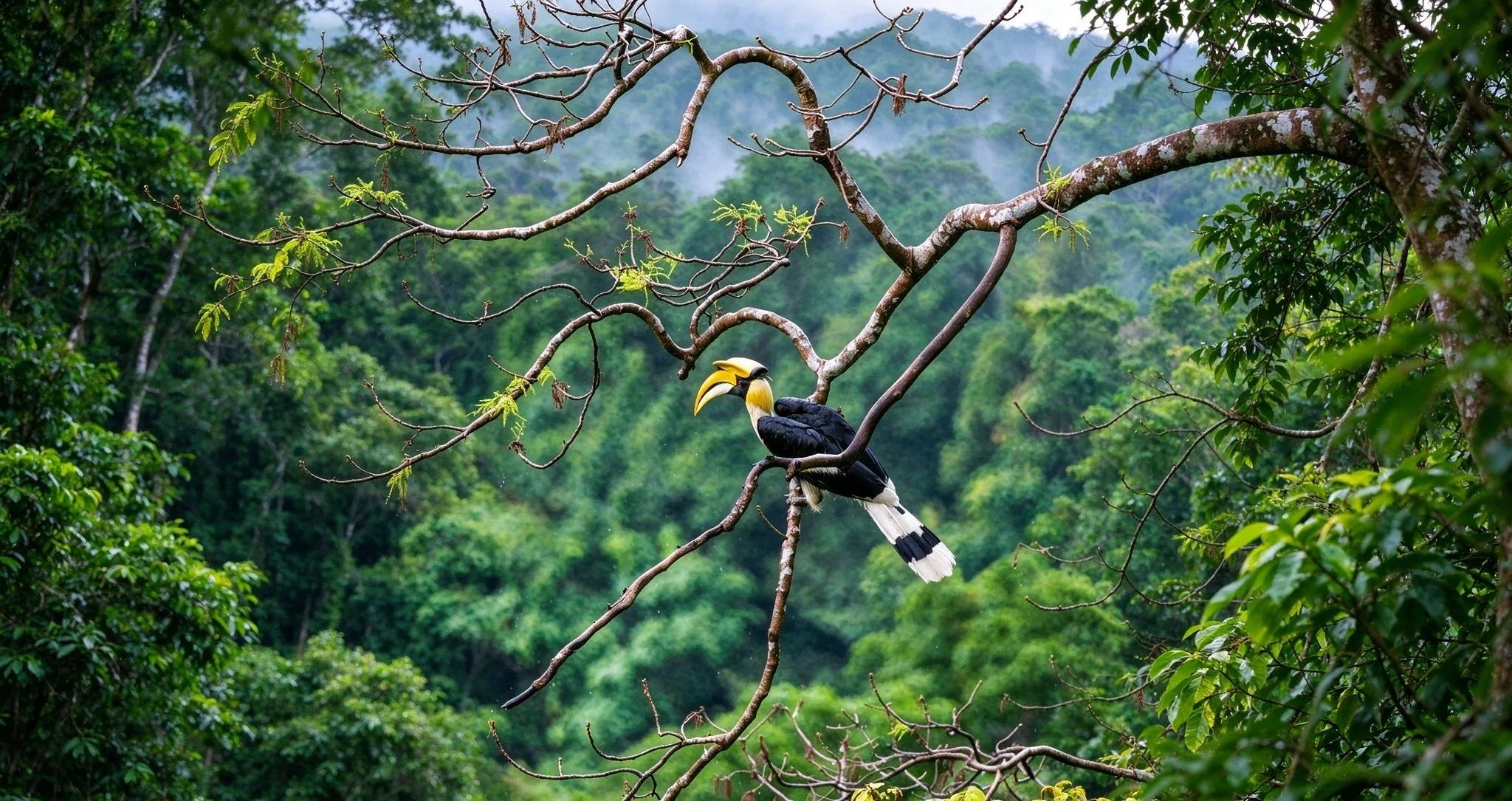
What to see: Great Hornbill, Oriental Pied Hornbill, and Wreathed Hornbill; also, rare tropical bird species such as the Grey Peacock-Pheasant and the Collared Falconet.
Experience type: Iconic rainforest species · Rare, range-restricted birds · A "top-tier" destination for birdwatching in China.
Best time to visit: October to May; for observing hornbill breeding behavior, the best period is March to June (when males make daily morning trips to the nest to deliver food).
Dongzhai, Henan
The national-level nature reserve in the Dabie Mountains is one of the areas with the highest population density of Reeves's pheasants in China, and it also serves as an important reintroduction site for the crested ibis. During the breeding season, these birds display striking plumage and elaborate courtship behaviors.
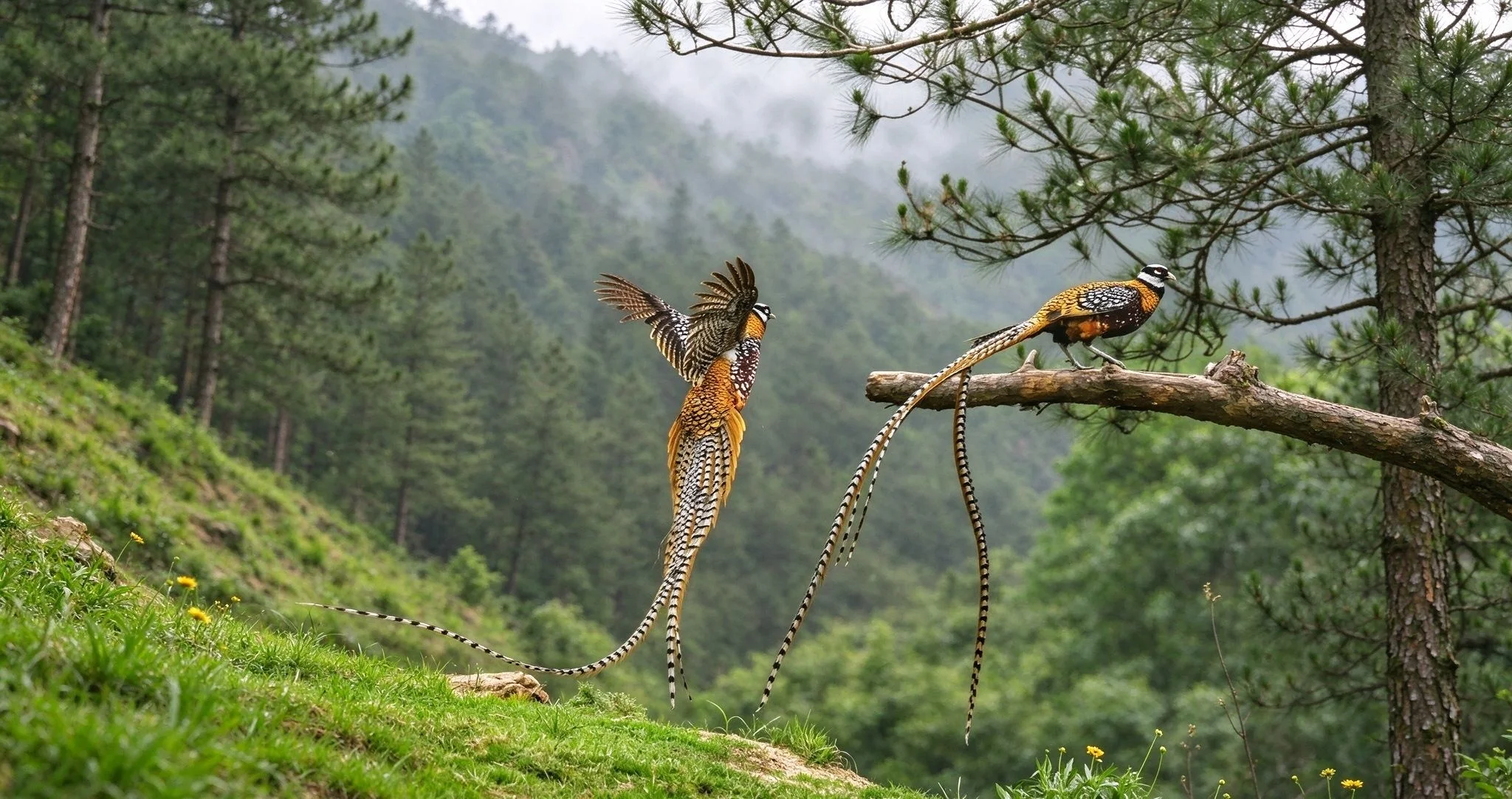
What to see: Reeves’s Pheasant (males feature long, elegant tail feathers and perform courtship displays from March to April), Crested Ibis, Fairy Pitta, Asian Paradise-flycatcher, and Blue-throated Bee-eater.
Experience type: Endemic or near-endemic species of China · Observation of breeding-season plumage and behaviors.
Best time to visit: March–July (breeding season); May–June offers the best overall birding, with Asian Paradise-flycatchers rearing their young and Fairy Pittas being highly active.
III. Crane Migration Routes: From Breeding Grounds to Wintering Grounds
Heilongjiang · Zhalong
One of the world’s largest reed wetlands, this area is also the most renowned breeding ground for red-crowned cranes. The scenic spot features demonstrations of red-crowned cranes in flight, and visitors can observe both wild and semi-free-roaming cranes at close range.
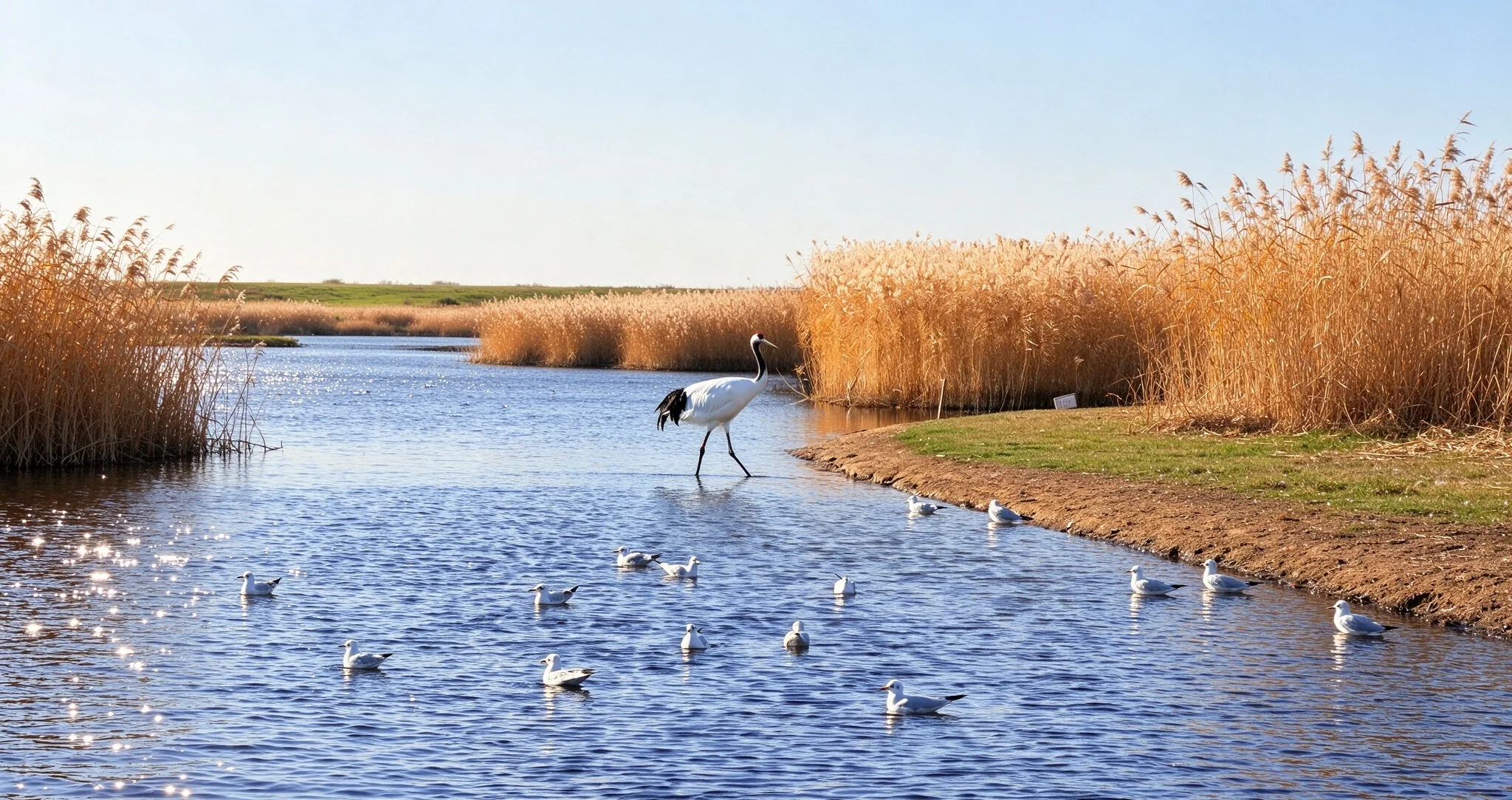
What to see: Red-crowned Cranes (a breeding population of approximately 400 individuals), along with six other crane species, including the White-naped Crane and the Demoiselle Crane.
Experience: Observe the breeding ecology of cranes and witness the "dancing of the cranes" above the reed wetlands.
Best time to visit: June–September (peak season for Red-crowned Cranes, offering the best viewing experience); December–February (ideal for photographing Red-crowned Cranes against a snowy backdrop).
Yancheng, Jiangsu (Yellow Sea Wetlands)
This World Natural Heritage site is home to three "auspicious treasures": the red-crowned crane, Père David's deer, and the spoon-billed sandpiper. It serves as the world’s largest overwintering ground for red-crowned cranes, while the Tiaozini Wetland acts as a critical stopover site for the critically endangered spoon-billed sandpiper.
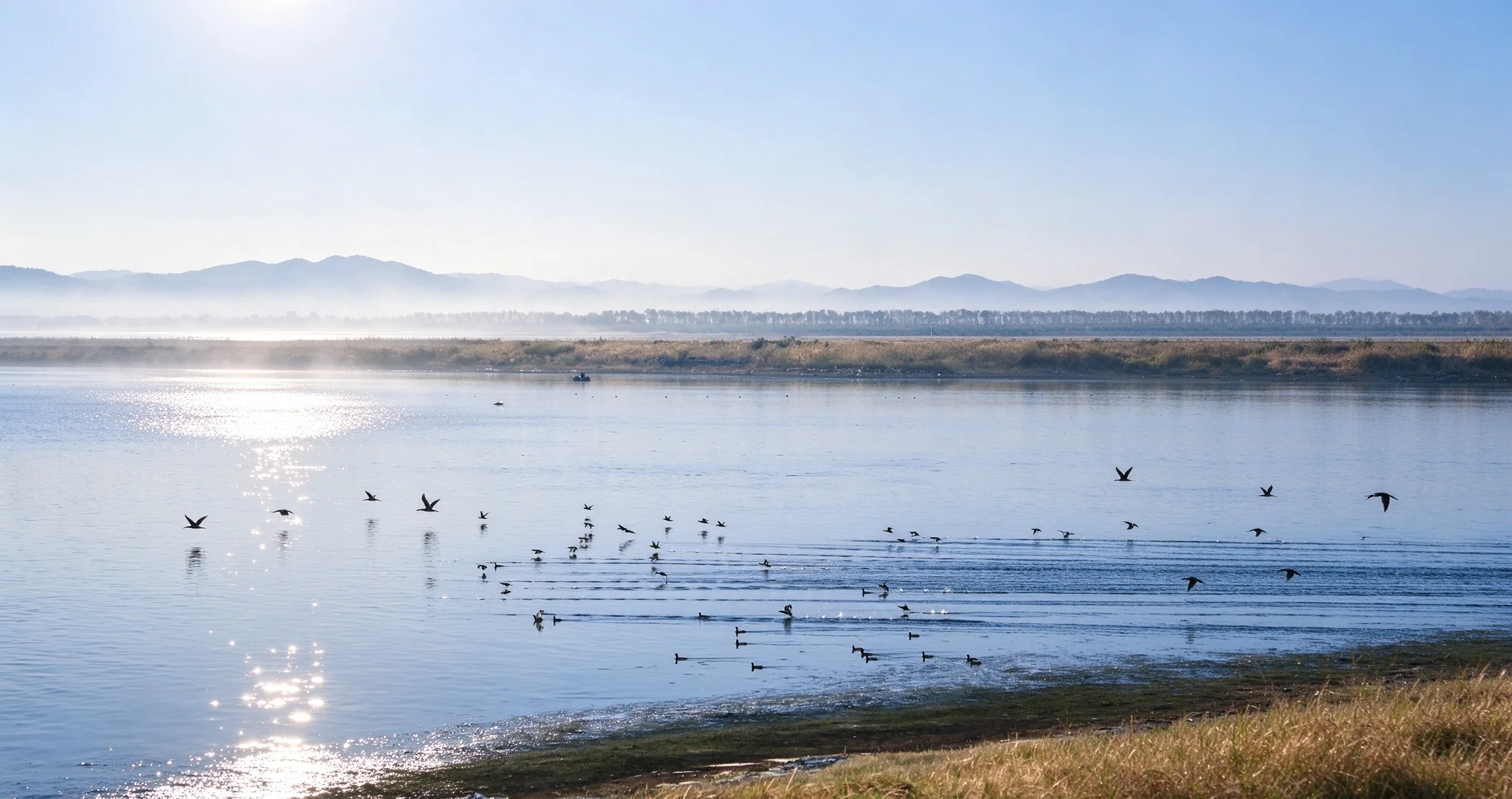
What to see: Red-crowned Cranes (overwintering flocks), Spoon-billed Sandpipers (only about 600 individuals left globally), Oriental Storks, and Common Cranes; plus, the opportunity to spot Père David’s deer (milu).
Experience type: Large overwintering flocks of cranes · Close-up observation of critically endangered shorebirds · A unique combination of wetlands and rare, iconic wildlife.
Best time to visit:
Red-crowned Crane overwintering: November – March (of the following year)
Spoon-billed Sandpiper migration: August – October (at Tiaozini; requires timing your visit according to the tides)
IV. Breeding Season on the Plateau: A Different Kind of “Gathering of Myriad Birds”
Qinghai · Qinghai Lake
As China’s largest lake, it serves as a vital stopover for migratory birds on the plateau. Between spring and summer, tens of thousands of waterbirds gather around Bird Island and Fairy Bay to court and build nests, creating a spectacular, unique-to-the-plateau scene of "myriads of birds in flight."

What to see: Bar-headed Geese, Pallas’s Gulls, Brown-headed Gulls, and Great Cormorants; Black-necked Cranes also breed in the surrounding wetlands.
Experience type: High-altitude waterbird breeding colonies; bird-island ecology set against a backdrop of lakes and snow-capped mountains.
Best time to visit: April–June (peak of the breeding season, when the bird islands are most active).
Before You Go
Birding Guides and Photography Setups: At popular locations like Yingjiang and Dongzhai, it is essential to book local birding guides and photography hides well in advance during peak season; showing up without a prior reservation often means no space will be available.
Permits for Protected Areas: Certain core zones may require permits or restrict movement to designated routes; please verify with the protected area authorities or your birding guide before setting out.
Tide Times: To spot spoon-billed sandpipers at Tiaozini in Yancheng, you must plan your stakeout around the tides—the periods just before and after high tide offer the best viewing window.
Equipment: Binoculars (8×42 or higher), telephoto lens, and camouflage or dark-colored clothing; for wetlands, bring mosquito repellent and waterproof footwear.
Payments and Connectivity: Have both mobile payment options and cash on hand; as mobile signal may be weak at remote birdwatching spots, download offline maps in advance.
Language: There is limited English signage within the reserves and at the bird-watching hides; it is recommended to keep the Chinese names of locations and bird species on hand to show to your driver.
Recommendations for travel guides featuring themes with distinct Chinese characteristics:
Classic Yangtze River Cruise from Chongqing: Full Itinerary
China Winter Travel Guide: Six Experiences from Snow to Sun
Disclaimer: This information is provided for reference only and was last updated on . Requirements and regulations may change. Always verify with official sources before making travel plans.