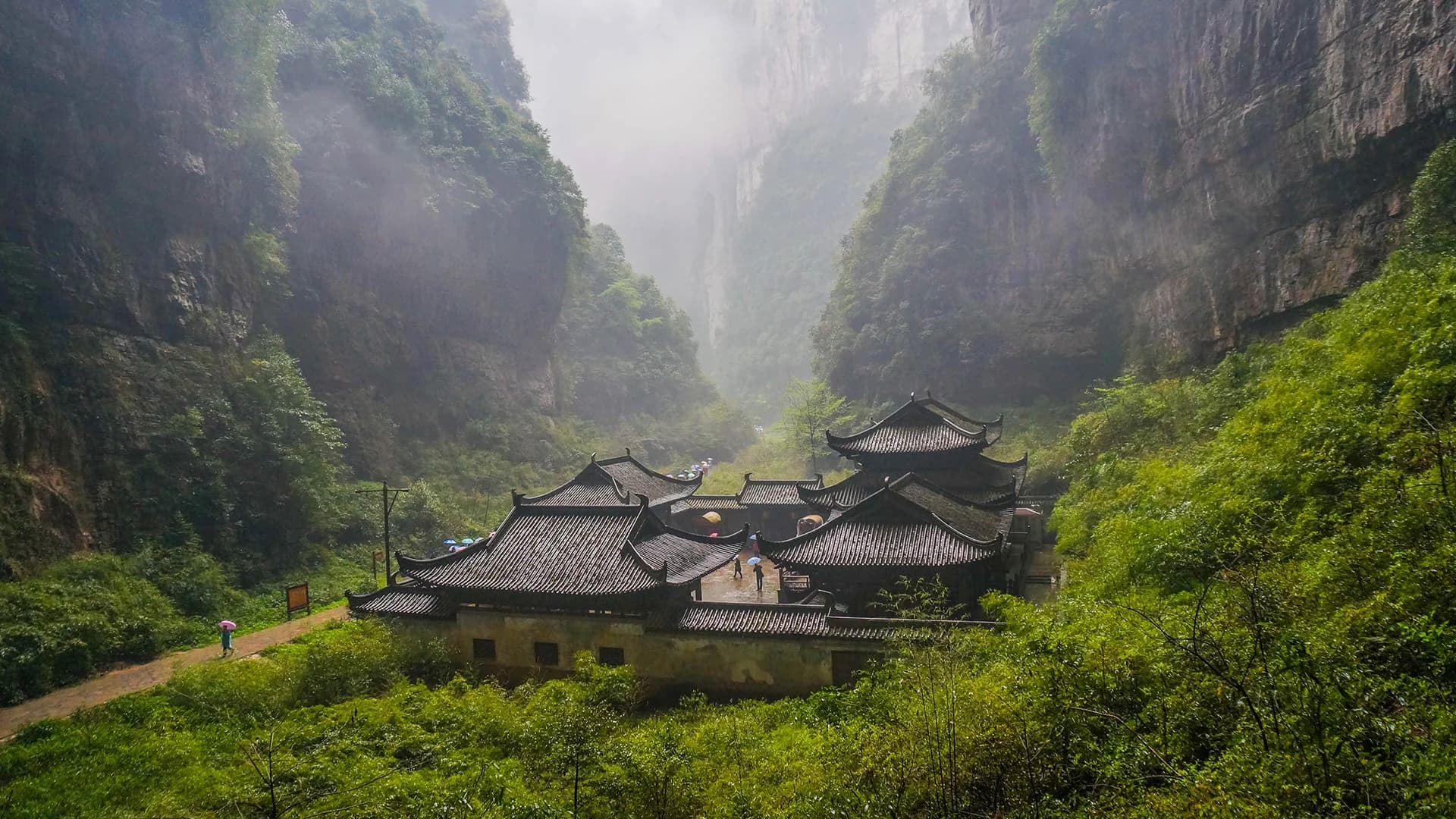

Welcome to Yunnan—a vibrant land in southwestern China. Here you'll find majestic snow-capped mountains, tranquil lakes, tropical rainforests, and ancient terraced fields, as well as over twenty ethnic minorities who preserve rich traditional festivals, handicrafts, and architectural styles. Whether you're seeking relaxation, cultural immersion, or outdoor adventure, Yunnan has something for everyone.
Yunnan in a Glance: Things You Need to Know Before You Go
Language: Mandarin is the common language. Basic English can be used in some scenic spots and ethnic minority areas.
Currency: Renminbi (CNY). Mobile payment (WeChat Pay, Alipay) is widely used. It is recommended to link an international credit card in advance or prepare a small amount of cash for rural markets and small shops.
Internet: Local SIM cards (China Mobile, China Unicom) can be purchased at the airport or in the city with your passport. Most hotels and cafes offer free Wi-Fi.
Visa: Foreign tourists need to apply for a Chinese tourist visa (L visa) in advance. Please consult the local Chinese embassy or consulate.
Etiquette: Please remove your shoes when entering temples or ethnic minority homes, and do not touch Buddha statues or scriptures; please ask for permission before taking photos.
Must-visit destinations in Yunnan: From classic to hidden gems
1. Kunming
It is a transportation hub in Yunnan and has a pleasant climate.Suitable as the first stop.
Core Experience:
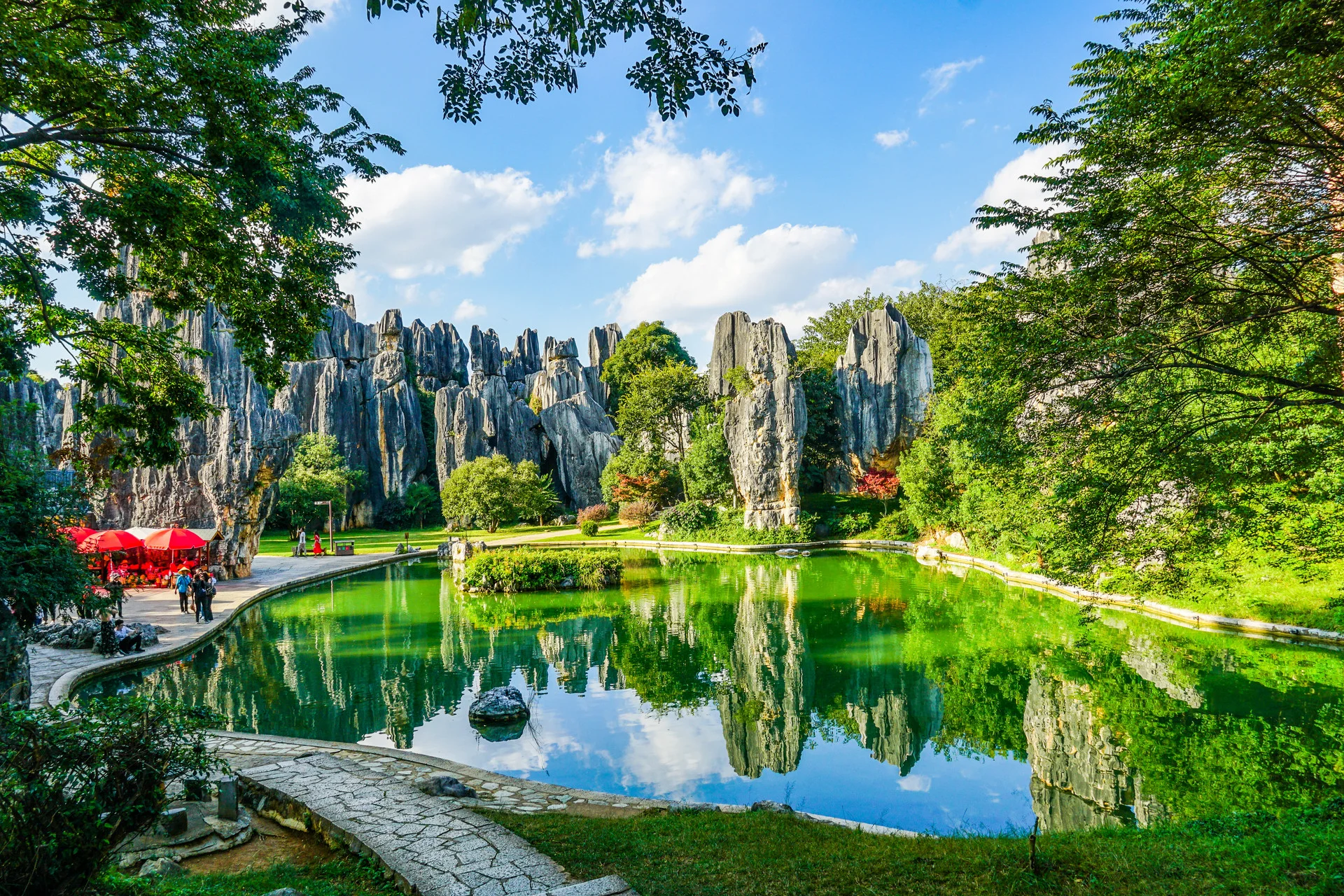
Shilin World Geopark: A karst peak complex dating back 270 million years; accessible by electric cart or on foot.
Dianchi Lake & Haigeng Dam: In winter (November-March), witness the Siberian red-billed gulls soaring overhead.
Dounan Flower Market: Asia's largest flower market, even more lively at night; buy large bunches of flowers for just a few yuan.
Duration of stay: 1–2 days
Best season: Year-round; seagulls are present in winter, and cherry blossoms and crabapple blossoms are in full bloom in spring.
The city center has convenient subway access; Shilin is about a 1.5-hour drive from the city center, and day tours or tourist buses are available.
2. Dali
Located between Cangshan Mountain and Erhai Lake, this center of Bai ethnic culture is an excellent spot for cycling, photography, and relaxation. It's a popular gathering place for international backpackers year-round.
Core Experiences:
Erhai Ecological Corridor Cycling: From Caicun to Xizhou, the entire route is approximately 20 kilometers of flat road with numerous cafes and photo spots along the way.
Xizhou Ancient Town: See the Bai ethnic group's "Three Courtyards and One Screen Wall" architecture and try your hand at making tie-dyed fabric (more concentrated in Zhoucheng Village).
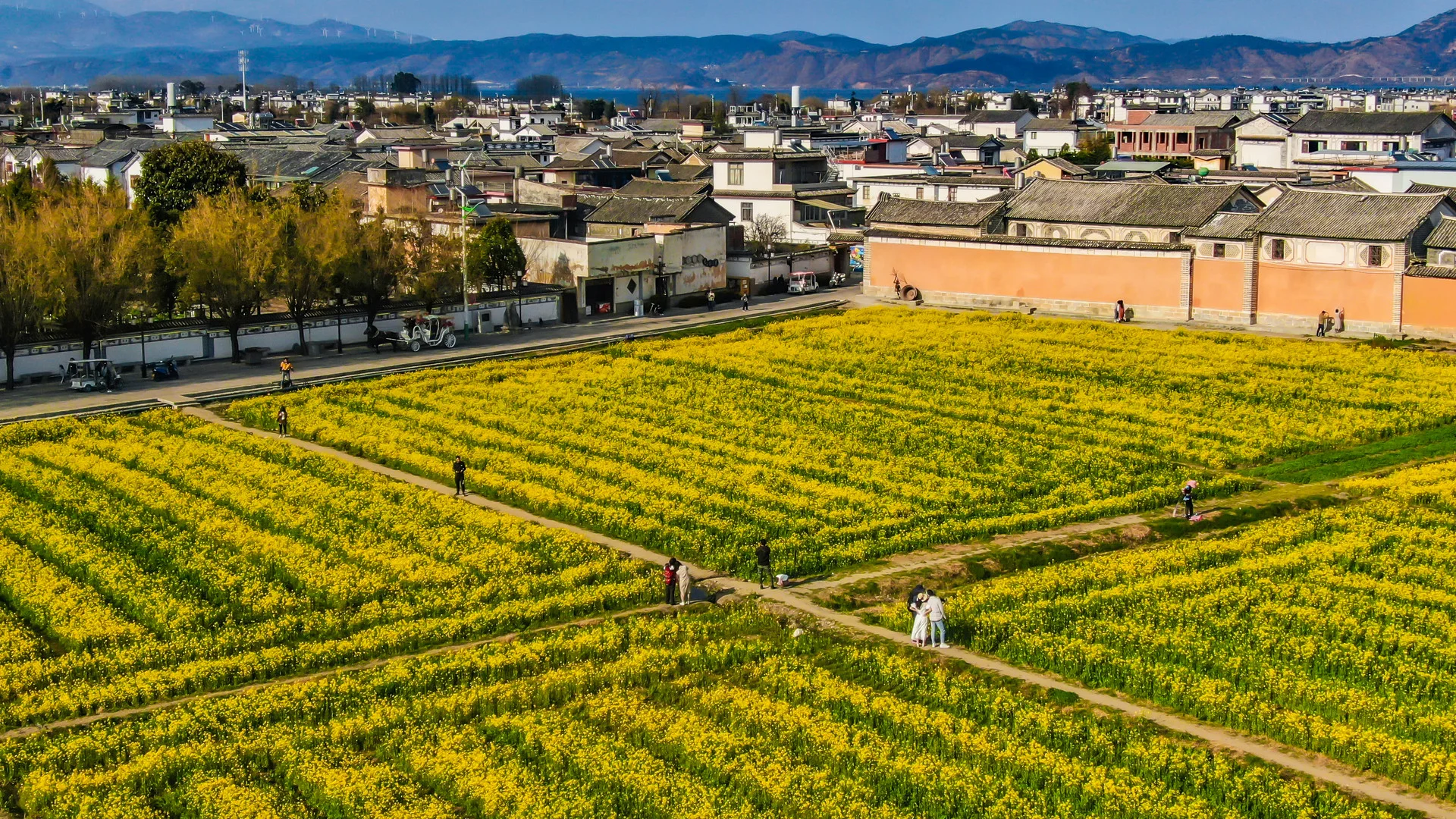
Dali Ancient City: Stroll along Renmin Road at night, listen to folk songs, and try roasted milk fan.
Chongsheng Temple Three Pagodas: A royal temple; the Reflecting Pool is a classic photo spot.

Cangshan Mountain: Take the cable car up the mountain, hike the Jade Belt Road, and overlook Erhai Lake.
Duration: 3-4 days (for a leisurely and in-depth trip)
Best season: March-May (many Bai ethnic festivals, flowers in bloom), September-November (clear skies and gentle breezes).
Transportation: 2-hour high-speed train from Kunming to Dali Station; 1.5-hour high-speed train from Lijiang.
3. Lijiang
It is the gateway to Shangri-La and Tiger Leaping Gorge.
Key Experiences:
Baisha Ancient Town: The most pristine ancient town with the most beautiful snow-capped mountain backdrop. See the Baisha murals and enjoy coffee while gazing at the snow-capped peaks.
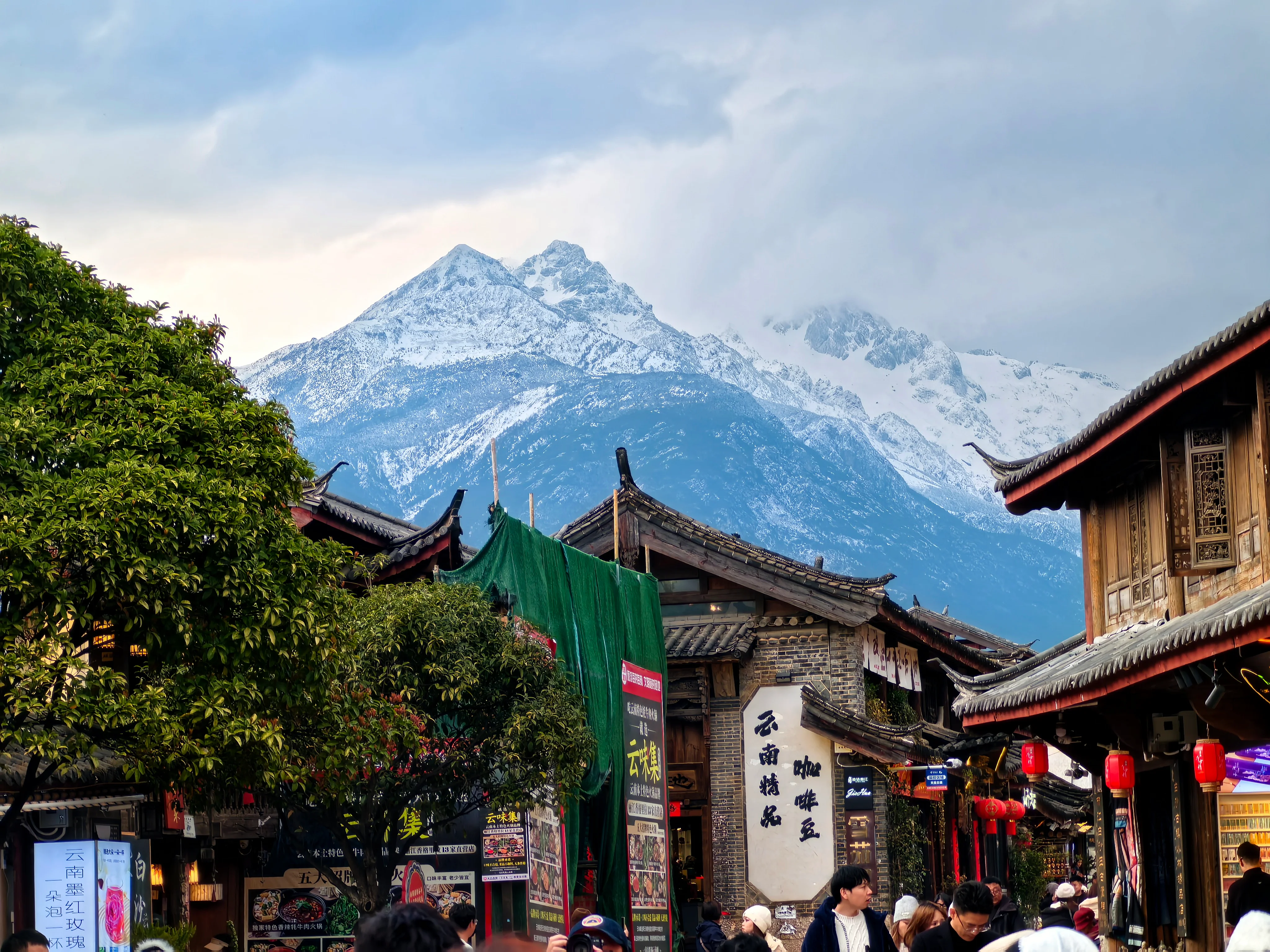
Shuhe Ancient Town: Quieter than Dayan Ancient Town, with a stream flowing through it; ideal for staying overnight.
Lijiang Ancient City: Features the Big Waterwheel, Sifang Street, and Mu's Residence. Lively at night, but highly commercialized.
Jade Dragon Snow Mountain: Take the cable car up to the Glacier Park (4680 meters above sea level), and admire the azure waters of Blue Moon Valley below.
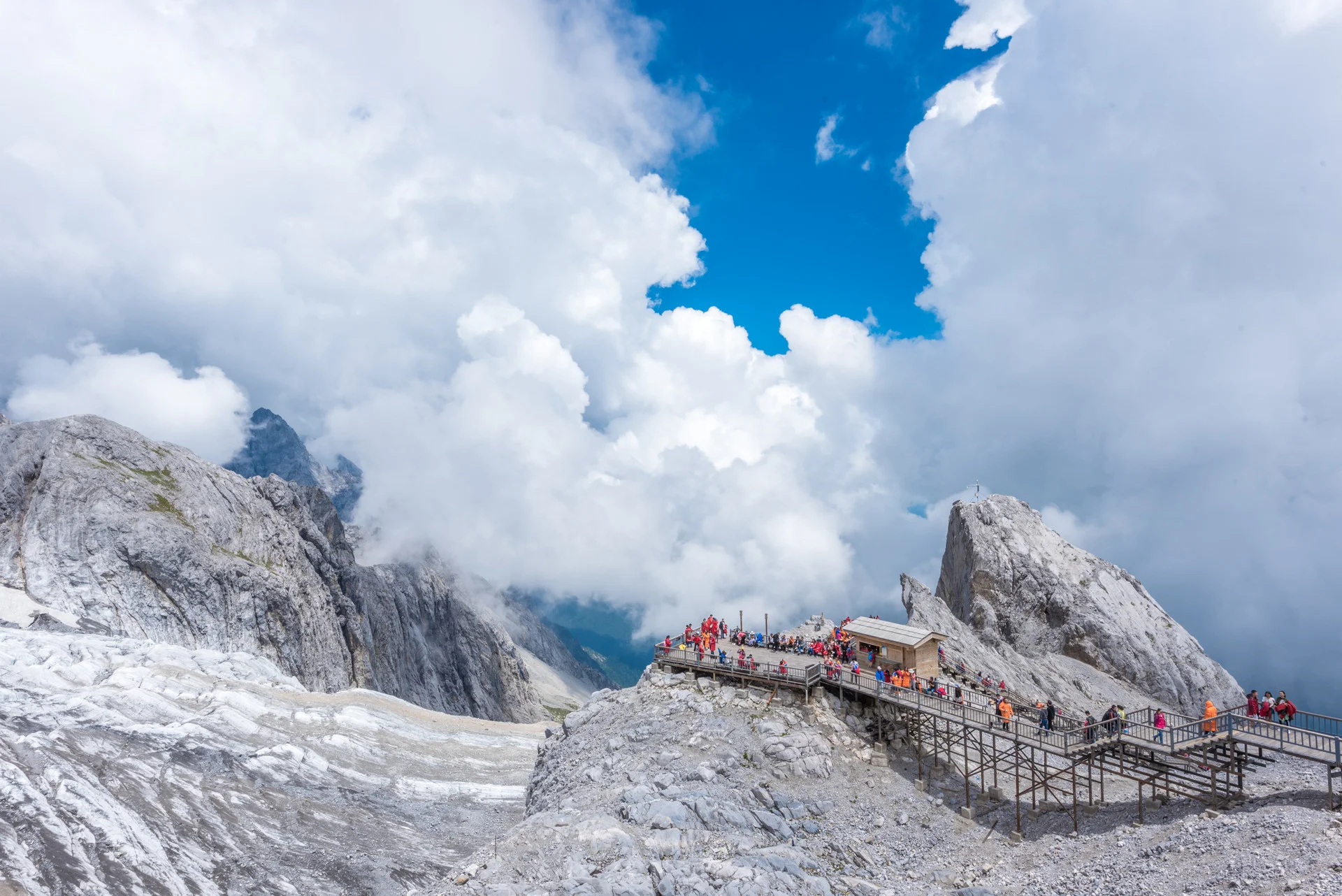
Duration of stay: 2–3 days (excluding Tiger Leaping Gorge)
Best season: November to April for clearest views of snow-capped mountains; May to October for lush greenery, blooming flowers, and abundant water.
4. Shangri-La
The Tibetan cultural area, at an altitude of about 3,300 meters, with its plateau lakes, monasteries, and meadows, serves as a gateway for hiking in western Yunnan.
Core Experiences:
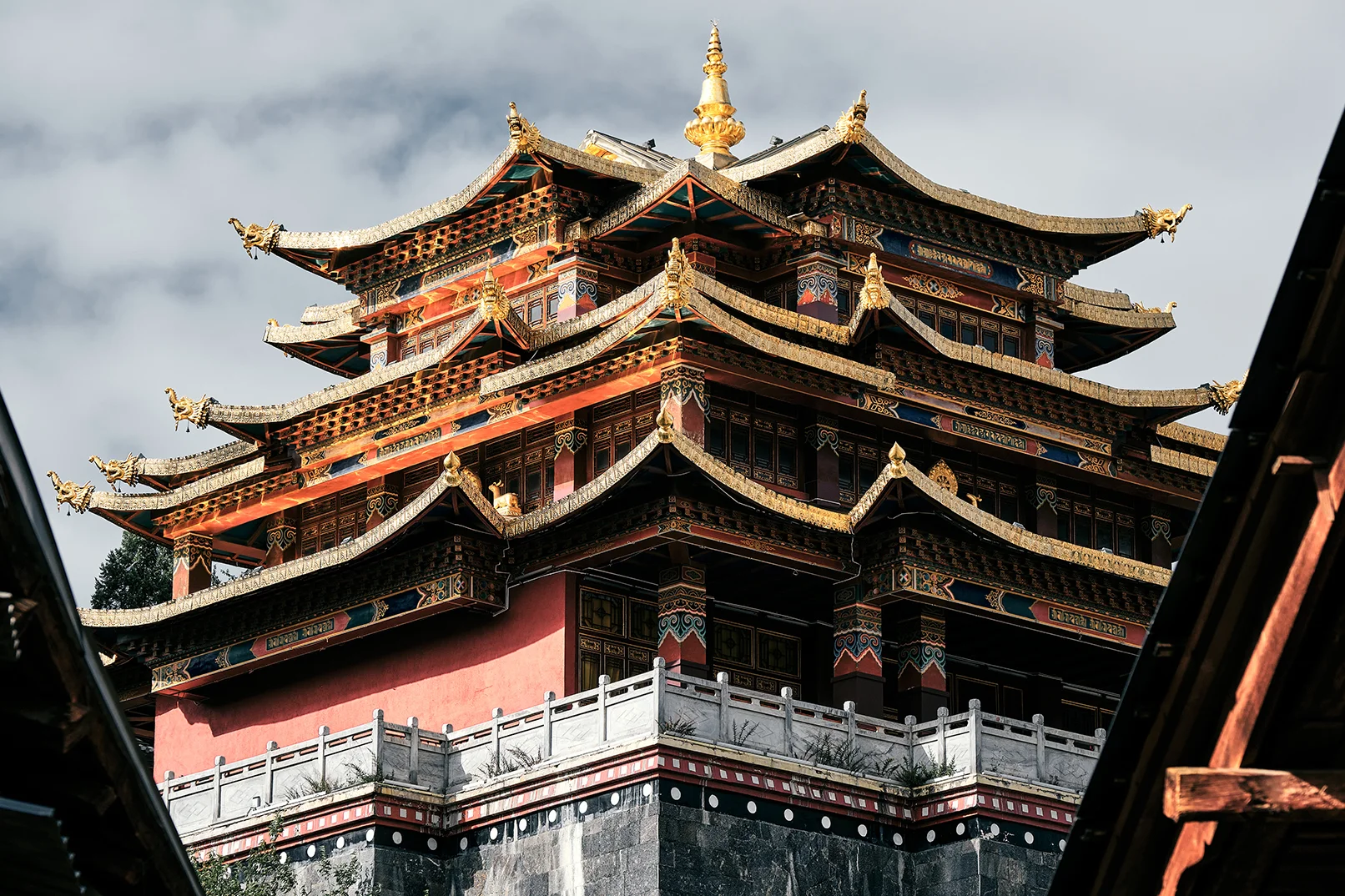
Songzanlin Monastery: Yunnan's largest Tibetan Buddhist monastery, known as the "Little Potala Palace." Learn about the cultural traditions of prayer wheel turning and sky burial with a guide.
Pudacuo National Park: Shudu Lake and Bita Lake; hiking trails; rhododendron blooms in summer and turn golden in autumn.
Dukezong Ancient Town: A Tibetan-style ancient town; spin the world's largest prayer wheel.
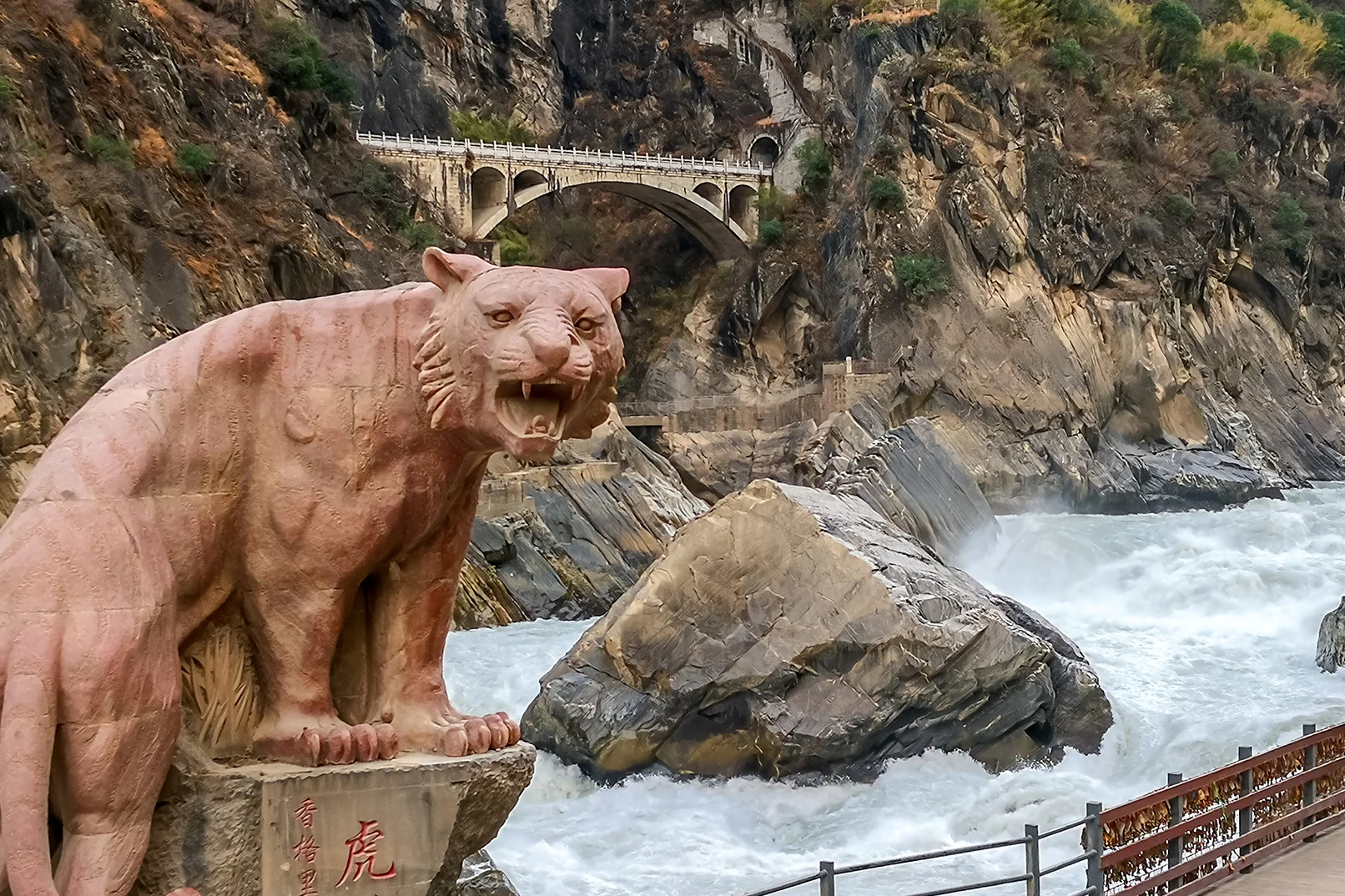
Tiger Leaping Gorge Trek (World-Class): Between Lijiang and Shangri-La; choose between a one-day or two-day high-altitude trek.
Yubeng Village Trek (Advanced): Deep into the foothills of Meili Snow Mountain; 4-5 days; suitable for experienced hikers.
Duration: 2-3 days (city and surrounding areas); 4-5 days additionally for Yubeng; 1-2 days extra for Meili Snow Mountain.
Best seasons: May-June (rhododendrons), September-October (autumn scenery), December-February (snow scenery but cold).
Tips: Do not shower or run or jump upon arrival; drink yak butter tea to relieve altitude sickness; remove your hat and shoes when entering the temple.
5. Xishuangbanna
China's only tropical rainforest area feels like being in Thailand or Laos. Warmth, spicy and sour food, Buddhist temples, and the Songkran Festival.
Core Experiences:
Chinese Academy of Sciences Tropical Botanical Garden (Menglun): A vast park where you can see "dancing grass," Victoria amazonica, and strangler figs.
Wild Elephant Valley: Chance to see Asian wild elephants (higher probability in the morning). Elephant riding is not recommended (but you can watch a rescue performance).
Dai Ethnic Garden (Ganlanba): Daily small-scale water-splashing activities; visit stilted bamboo houses.
Gaozhuang Xishuangjing & Starlight Night Market: Very lively in the evening; enjoy Dai costume photo opportunities, barbecues, and Lao iced coffee.
Rainforest Hiking: Choose between Jinuo Mountain or Mengyuan Wonderland; guided tours will introduce you to herbs and insects.
Duration of stay: 3–4 days
Best season: November–April (dry season, cool weather); May–October is the rainy season, but the rainforest is greener and there are more mosquitoes.
Transportation: Jinghong Gasa Airport has direct flights (to Kunming, Lijiang, Chengdu, etc.); you can also take an overnight bus or high-speed train from Kunming (expected to open in 2024).
6. Hidden Treasures (A must-see if you have enough time)
Tengchong: Volcanic geothermal hot springs; the ginkgo village turns golden in autumn.
Mangshi: A border town with Southeast Asian charm; authentic Dai cuisine.
Honghe Prefecture: Yuanyang Rice Terraces (a photographer's paradise), the French-style Bisezhai Railway Station, and Mengzi Crossing-the-Bridge Rice Noodles.
Nujiang Grand Canyon: Ideal for adventurers; Lisu and Dulong ethnic villages; pristine canyon scenery.
Unique experiences in Yunnan
Beyond the usual tourist attractions, Yunnan's true charm lies in the everyday moments that require you to slow down and engage your senses. Here are some unconventional experience suggestions:
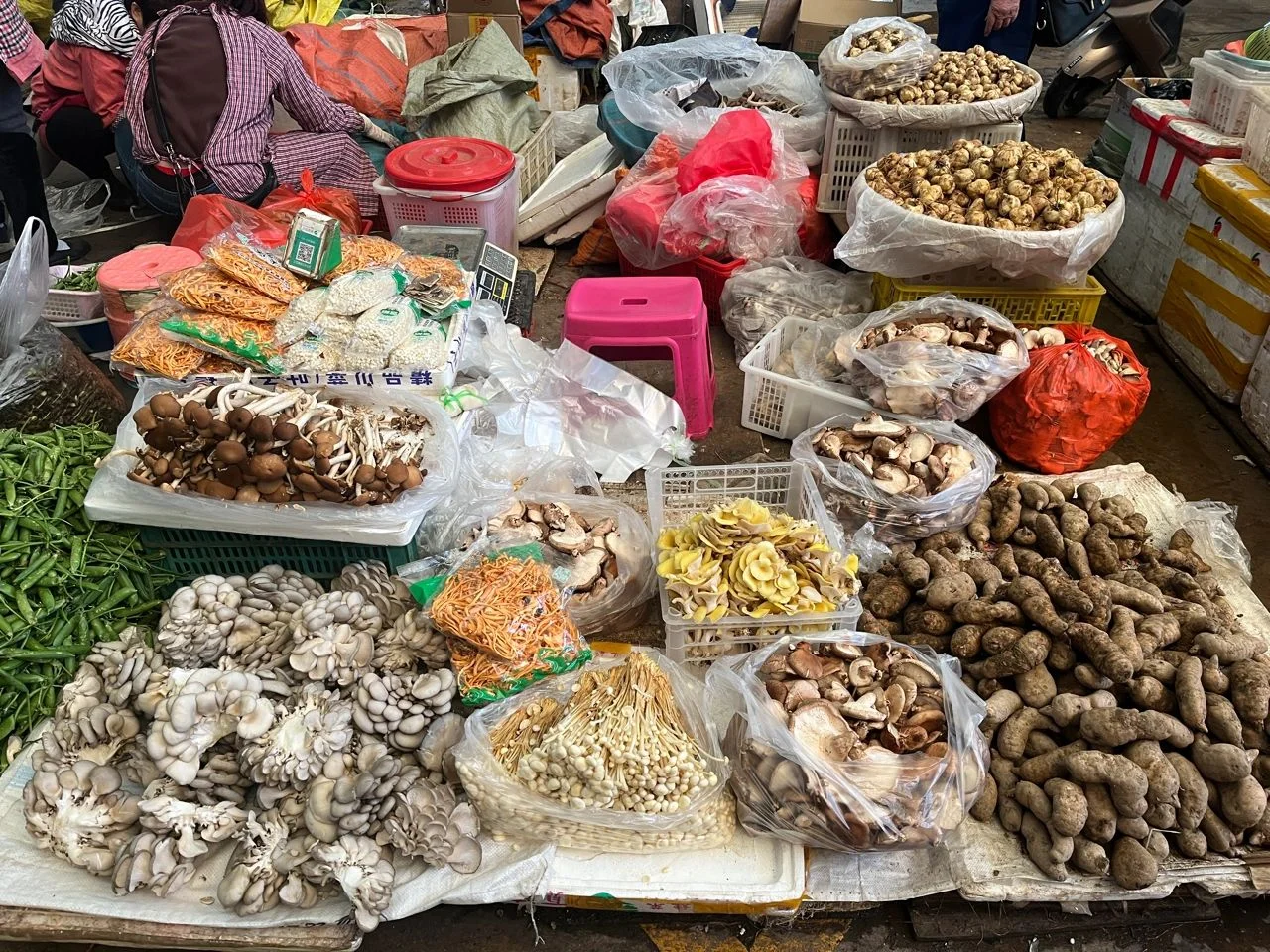
Go to a rural market
On fixed days each week, towns and villages in Yunnan hold "Ganjie" (markets). For example, at the Shaxi Friday market near Dali, you can see villagers dressed in ethnic costumes displaying fresh wild vegetables, herbs, hand-woven bamboo baskets, and homemade cured ham.
A section of the Ancient Tea Horse Road on horseback.
Near Lijiang or Shaxi Ancient Town, ancient roads used by caravans still remain. You can choose a short horseback riding trip of half a day to a full day, following local Naxi or Bai horsemen, passing through pine forests, streams and ancient stone bridges, and having a meal of mixed stew cooked in a copper pot at a caravan rest stop along the way.
A Culinary Journey Through Yunnan
Yunnan boasts a diverse array of culinary delights, including Crossing-the-Bridge Rice Noodles, wild mushroom hot pot, flower cakes, and Dai-style barbecue.
Transportation and Accommodation Guide
How to Get to Yunnan
Yunnan is an important gateway to southwestern China. International travelers typically enter the country in the following ways:
By Air: Kunming Changshui International Airport (KMG) is the main international gateway, with direct flights from Southeast Asia, East Asia, the Middle East, and some European cities. Lijiang (LJG) and Xishuangbanna (JHG) also have a few international routes (such as to Thailand and Laos). It is recommended to fly to Kunming first, and then transfer to a domestic flight or high-speed train to other cities.
By Train: If you are already in China, you can take a high-speed train directly to Kunming from Beijing, Shanghai, Guangzhou, Chengdu, etc., with a journey time of approximately 6–11 hours.
By Land Border Crossing: International buses can be taken from Laos (Boten Port) or Vietnam (Hekou Port) into Yunnan, suitable for backpackers.
Transportation within the province
High-speed rail lines now connect Kunming to Dali and Lijiang, offering convenient and comfortable travel. Furthermore, taxi services are readily available throughout Yunnan, reducing travel difficulties.
Accommodation options
The ancient town guesthouses in Dali and Lijiang are quite charming; the Tibetan-style hotels in Shangri-La offer a unique experience; and Xishuangbanna boasts distinctive resorts or Dai-style inns.
Best Time to Travel: Monthly Highlights
January–February: Yuanyang Rice Terraces Irrigation Season (Golden Season for Photography); Spring Festival Ethnic Customs
March–April: Luoping Rapeseed Flowers (until mid-March); Water Splashing Festival (mid-April)
May–June: Shangri-La Rhododendron Sea; Dali March Street Festival (March in the Lunar Calendar)
July–August: Peak Summer Season, Lijiang and Shangri-La are Cool and Refreshing
September–October: Clear Autumn Weather, Suitable for Travelers Throughout the Region
November–December: Red-billed Gulls Return to Dianchi Lake; Golden Ginkgo Leaves in Tengchong
Important Notes: Making your Yunnan trip more worry-free
Altitude Sickness
Shangri-La (approximately 3300 meters), Lijiang Jade Dragon Snow Mountain (highest point in the scenic area 4680 meters), and Yubeng Village (approximately 3000–3800 meters) are all high-altitude areas.
Prevention Recommendations: On the first day after arrival, avoid showering, strenuous exercise, and alcohol. Drink plenty of warm water and eat small, frequent meals.
Sun Protection and Weather
Yunnan has extremely strong ultraviolet radiation; even on cloudy days or in winter, sunburn is easy to occur.
Essential items: SPF50+ sunscreen, sunglasses, wide-brimmed hat, and a light long-sleeved jacket.
Drinking water and food hygiene
Tap water is not safe to drink directly. Please purchase bottled water or boil it in the hotel kettle. In high-altitude areas, the boiling point is low, so drinking bottled water is recommended for safety.
Property and Personal Safety
Yunnan generally has good public security, but pickpocketing occasionally occurs in popular tourist areas (Lijiang Old Town, Dali Old Town, Gaozhuang Xishuangjing). It is recommended to use a security waist bag or a close-fitting bag, and not to put your mobile phone in your coat pocket.
Avoid entering secluded alleys alone at night. If renting an electric scooter or bicycle, be sure to lock it and park it in a supervised area.
Language and Communication
Most staff at tourist attractions, train stations, and chain hotels can speak basic English. However, in small restaurants, rural buses, or remote areas, it is recommended to download a translation app.
You can learn a few simple Chinese phrases:
“Thank you” – Xièxie
“How much?” – Duōshao qián
“Where is the toilet?” – Cèsuǒ zài nǎli
Mobile Payment
In mainland China, WeChat Pay and Alipay cover almost all consumption scenarios.
Download the WeChat or Alipay app and complete real-name authentication using your passport (requires a photo of your passport information page and facial recognition).
Link an international credit card (Visa/Mastercard/JCB/American Express). Both platforms currently support linking foreign cards.
Disclaimer: This information is provided for reference only and was last updated on . Requirements and regulations may change. Always verify with official sources before making travel plans.