
Shanghai, an oriental metropolis where past and future intertwine. This guide will help you deeply experience the city's multifaceted nature and effortlessly plan a fulfilling and authentic Shanghai trip.
Article Preview
To help you better understand the essence of your Shanghai trip, we've outlined nine core sections covering everything from classic attractions to practical travel tips, helping you easily create your own Shanghai memories.
City Overview
Must-Visit Attractions
In-Depth Experience Recommendations
Shanghai on Your Tongue
Best Month to Visit
Transportation and Accommodation
Itinerary Planning Suggestions
Practical Local Information
City Overview
Located on China's east coast, Shanghai is a vital economic, financial, and cultural hub. The city is renowned for its unique blend of Chinese and Western styles—you can stroll along the historic buildings of the Bund or stand atop the observation deck in Pudong overlooking the futuristic skyline. Shanghai is also a city best explored on foot, with many surprises hidden in its streets and alleys.
Must-visit attractions
Shanghai's brilliance is encapsulated in its diverse landmarks. From the historic Bund to the towering Lujiazui, from tranquil classical gardens to vibrant theme parks, these attractions form the first chapter in understanding Shanghai.
The Bund: An Exhibition of International Architecture and a Panoramic View of the Huangpu River
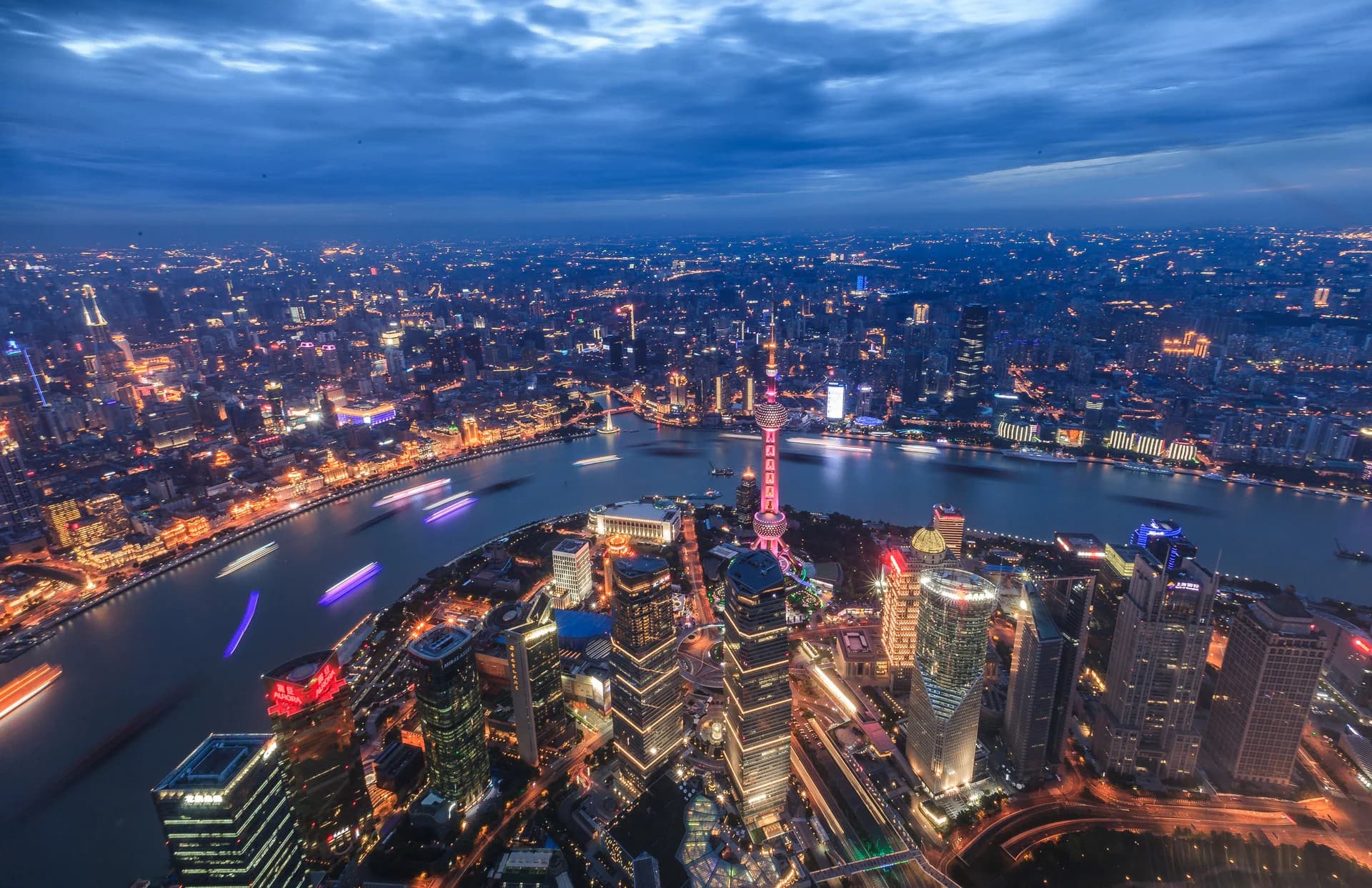
The Bund is the soul of Shanghai. Stretching along the west bank of the Huangpu River are dozens of historical buildings of diverse styles, while the opposite bank showcases landmarks of Shanghai's modern development. As dusk falls, the lights on both banks illuminate the area, creating a stunning spectacle for photographers.
On the Bund, you can stroll along the waterfront and admire the Shanghai charm, or take a cruise on the Huangpu River to enjoy the scenery on both banks.
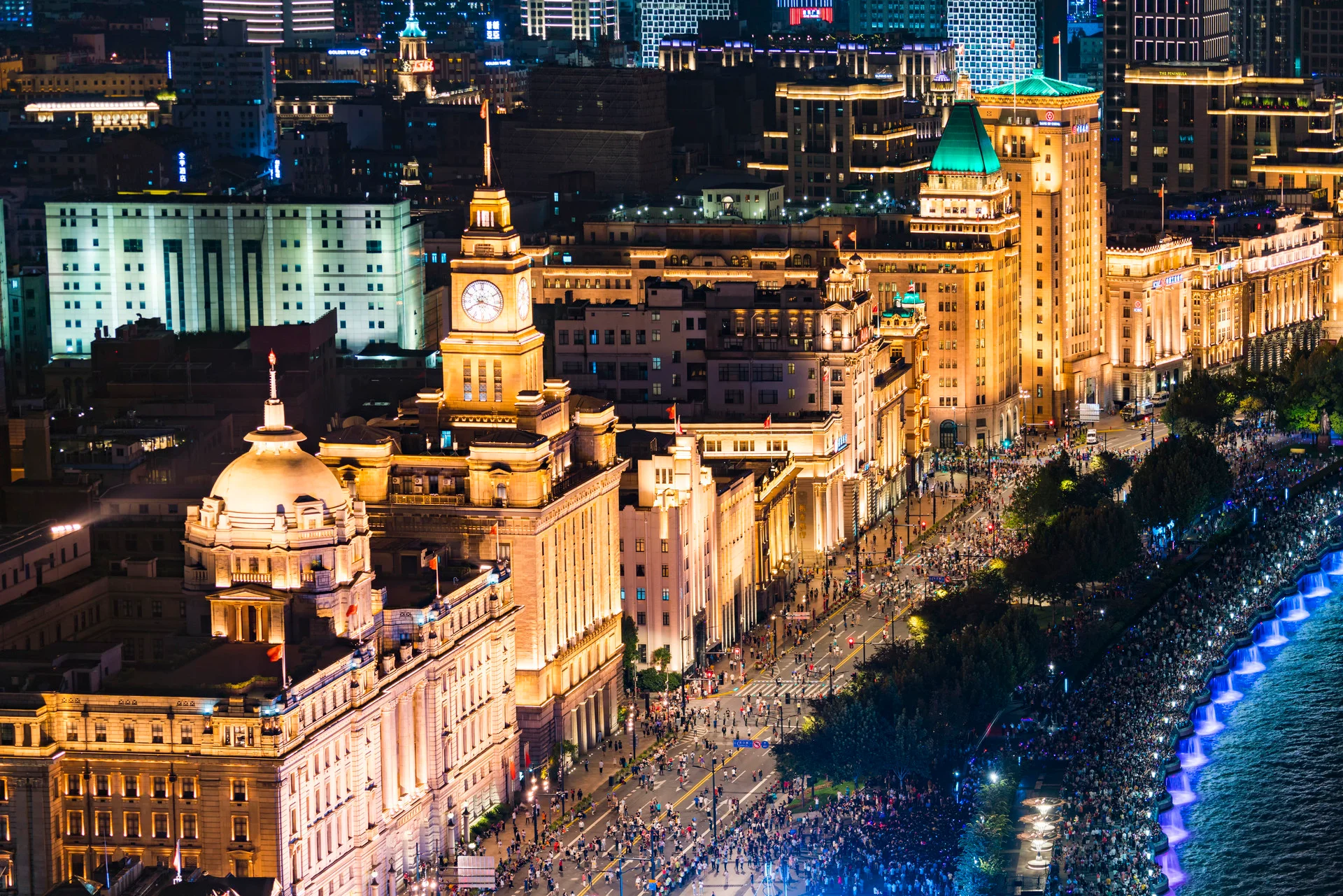
The Bund's nighttime lights typically illuminate after 6:00 PM (when it begins to get dark). Huangpu River cruises are available from 11:00 AM to 6:00 PM for daytime cruises and from 6:30 PM to 9:30 PM for nighttime cruises.
Oriental Pearl Radio & TV Tower: A classic symbol of Shanghai
As a landmark building completed in the 1990s, the Oriental Pearl Tower is deeply ingrained in people's minds with its unique "pearls falling on a jade plate" design. Ascending to different observation decks on each sphere offers a historical perspective overlooking the entire development of Pudong. The tower also features a suspended glass walkway and the Shanghai Urban History Development Exhibition Hall, providing a multi-dimensional tour experience.
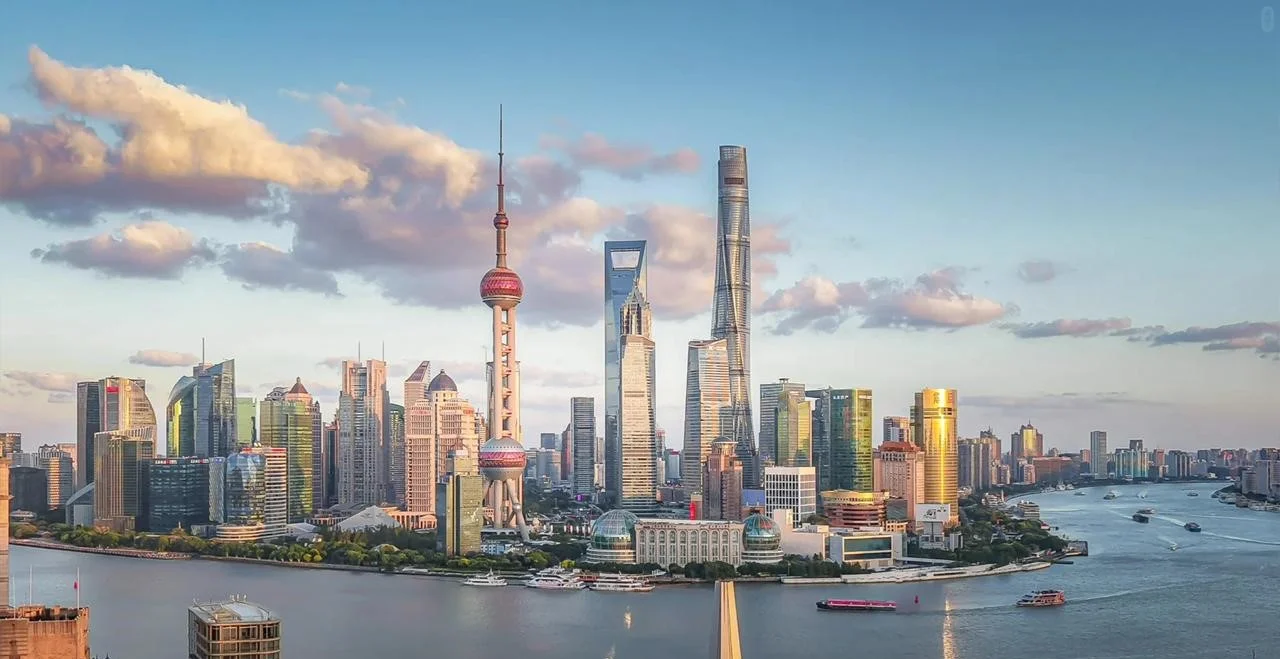
A little secret: the Oriental Pearl Tower also offers a free light show in the plaza at night: Summer time – 19:00/20:00/21:00/22:00; Winter time – 19:00/20:00/21:00
Observation tickets are available in combinations of different spheres, allowing you to choose according to your interests. The second sphere (263 meters, main observation deck) offers the best views. The plaza at the base of the tower is a great spot for taking panoramic photos of the Lujiazui skyline.
Yu Garden and City God Temple: A Journey Back to the Urban Life of the Ming and Qing Dynasties
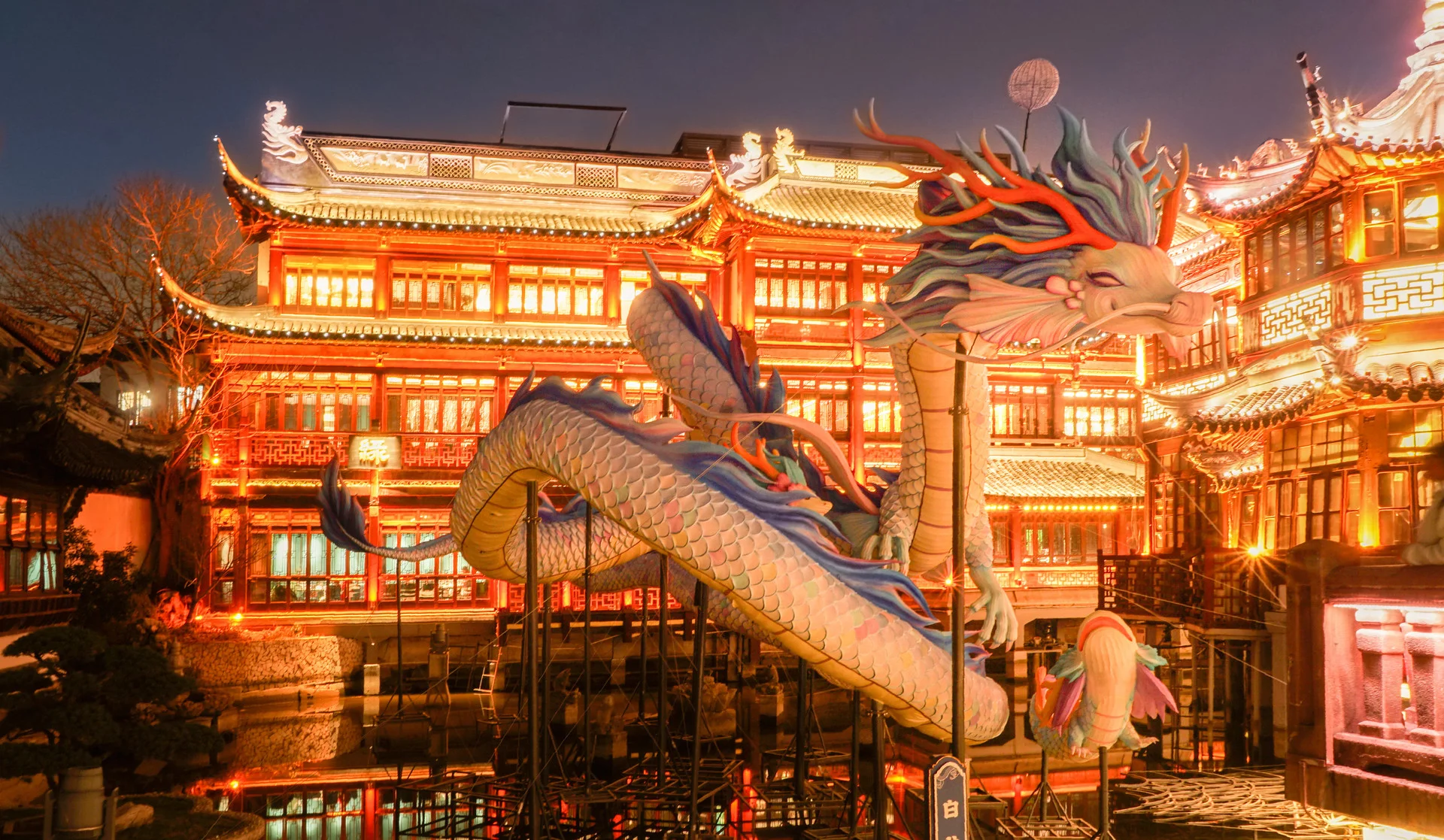
Yu Garden, located in Shanghai's old city, is a classic Jiangnan garden with over 400 years of history. Its pavilions, terraces, rockeries, and ponds are exquisitely arranged, allowing visitors to experience the refined tastes of ancient literati. The adjacent City God Temple commercial district is bustling with activity, its antique-style buildings filled with food stalls, teahouses, and souvenir shops, exuding a vibrant local atmosphere.
Tip
Note: Yu Garden offers daytime and nighttime tickets, offering different experiences during the day and night. You can choose to visit Yu Garden during the day and enjoy the Bund's night view in the evening, combined with the lively commercial district.
Lujiazui Financial District: A Skyline Touching the Clouds
Crossing the Huangpu River, you arrive at Lujiazui, the modern heart of Shanghai. Here, you'll find towering structures, some of the tallest in China and even the world: the Shanghai Tower (China's tallest building), the Shanghai World Financial Center, and the Jin Mao Tower. Climbing to the observation deck of any of these buildings offers a breathtaking panoramic view of the entire city.
If you're at the Lujiazui Financial Center, you can choose your favorite observation deck to enjoy the view overlooking the entire Huangpu River.
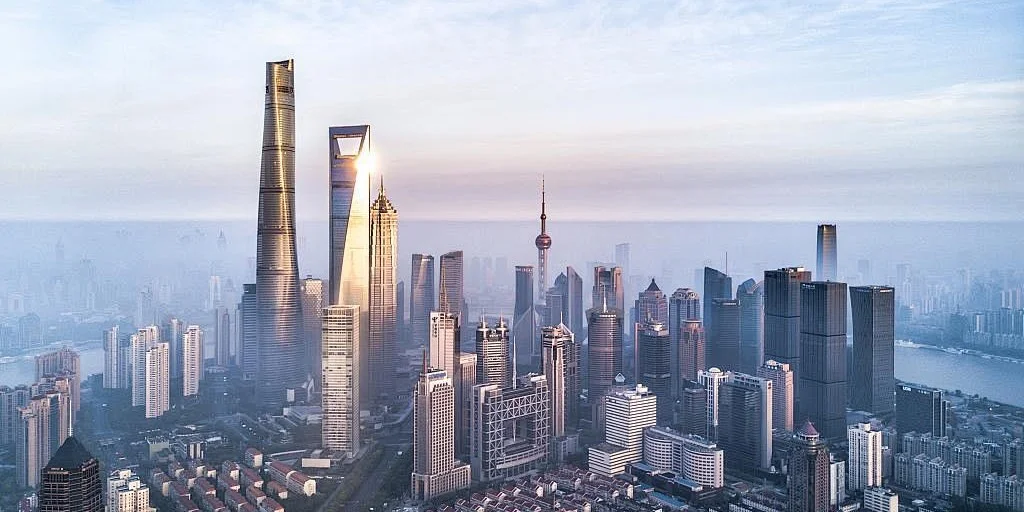
Photography Tip: To capture the "Lujiazui trio" (referring to the three buildings in one frame), try taking a photo from the intersection of Garden Bridge Road and Dongtai Road, looking up at the top of the road. Morning, noon, and evening are all good times for taking photos.
Sightseeing Tip: Stroll or cycle along the riverside promenade, or take a ferry from the Dongchang Road ferry terminal to the Bund for only 2 yuan, enjoying the scenery along both banks.
Xintiandi and Shikumen: When History Meets Fashion
Xintiandi is a prime example of Shanghai's successful modernization of historical heritage. Based on traditional Shanghai Shikumen architecture, this area offers a glimpse into Shanghai's sophisticated nightlife and fashionable atmosphere.
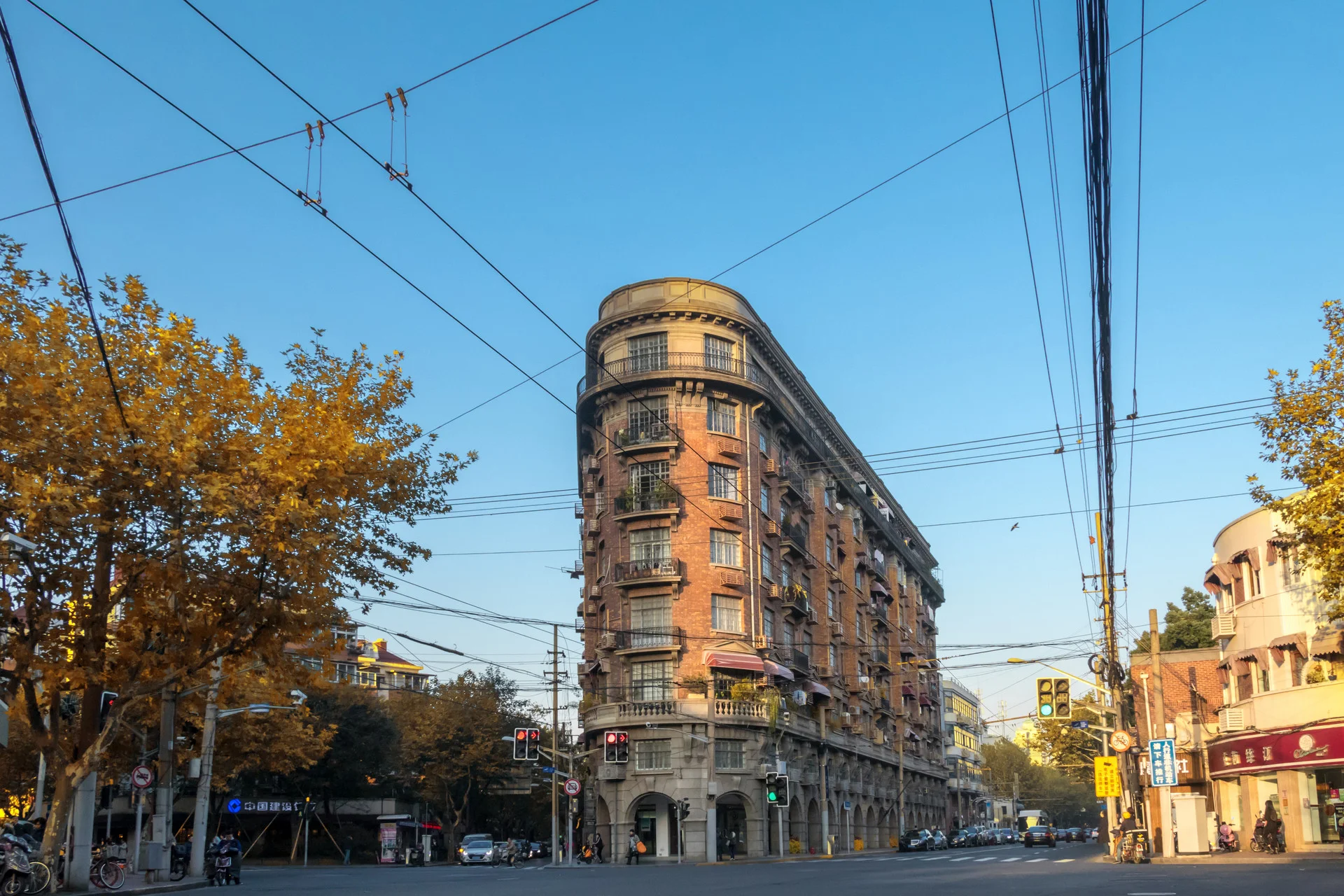
Travel Tips: Xintiandi is divided into North Block (more restaurants and bars) and South Block (more shopping malls). During the day, you can admire the architecture and shop, while the atmosphere is particularly vibrant at night. The site of the First National Congress of the Communist Party of China is also nearby and can be visited at the same time. Wandering through the surrounding alleys, you can also discover original, untouched Shikumen residences.
Zhujiajiao Ancient Town: Memories of Shanghai's Water Towns
Zhujiajiao, located in Qingpu District, is the closest and best-preserved ancient water town in the Jiangnan region to downtown Shanghai. You can take a hand-rowed boat through the winding waterways, admiring the white-walled, black-tiled houses on both banks; stroll across the Fang Sheng Bridge, the longest five-arch stone bridge in Shanghai; or explore the exquisite gardens hidden in the narrow alleys (such as Kezhi Garden) and the bustling Beida Street, sampling local specialties like braised pork, zongzi (sticky rice dumplings), and smoked green beans.
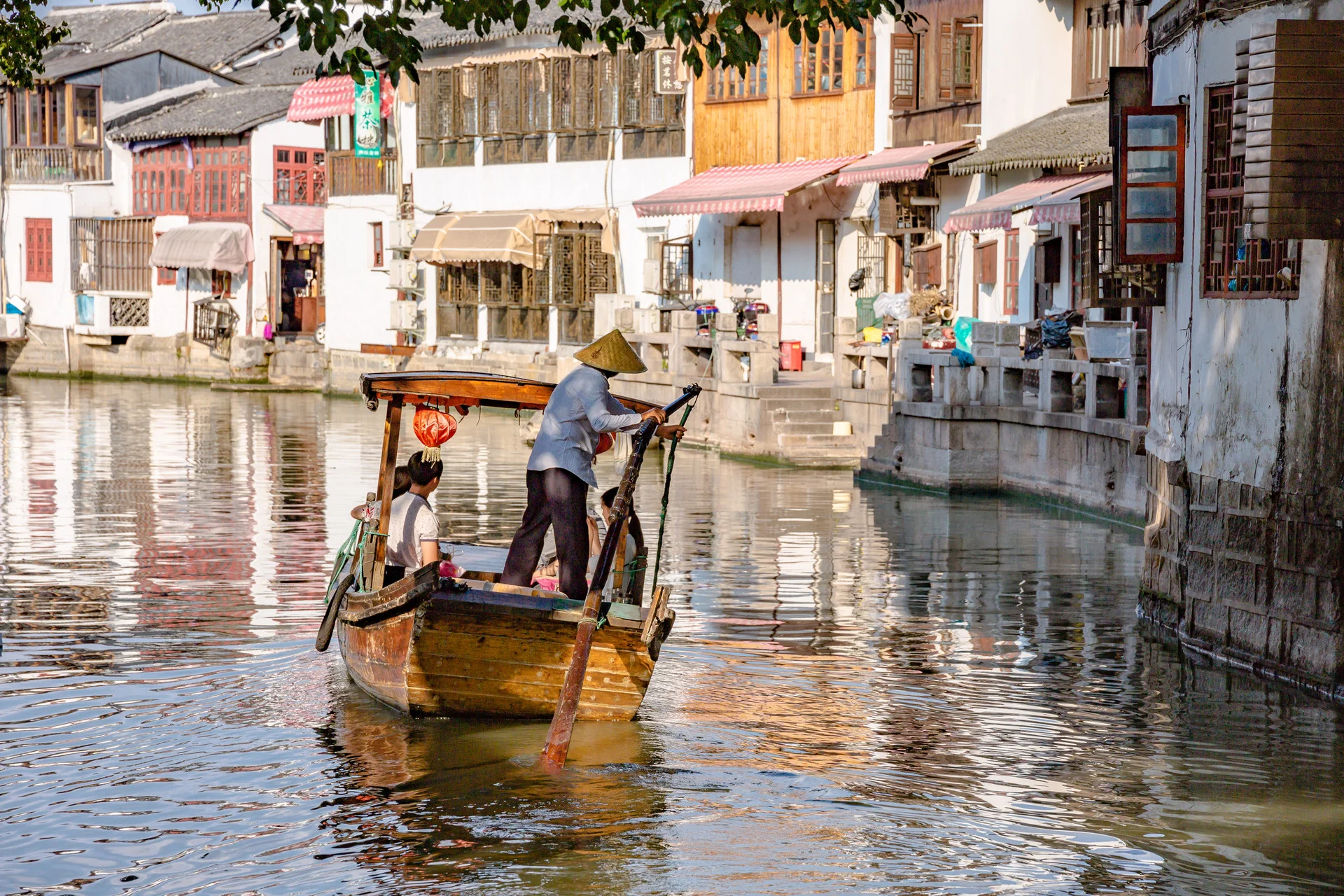
Tip
There is no main entrance fee for the ancient town, but separate tickets are required for some smaller attractions. The attractions are somewhat scattered, so it's recommended to visit by scanning the QR code before 3 PM each day.
Disney Resorts: Igniting Your Dreams
Shanghai Disneyland is the first Disney theme park in mainland China, incorporating unique Chinese elements. Besides the classic castle, parade, and fireworks show, it also features the world's only "Fantasyland" themed land and a Toy Story-themed land. Toy Story fans should definitely check it out.

Tip
Disney ticket prices are subject to change and may vary daily. It is recommended to download the "Shanghai Disney Resort APP" before entering the park to obtain your waiting card, view the map, check ride wait times, and entertainment show times.
In-depth experience recommendation
Beyond sightseeing, immersive activities can make travel memories more vivid. Shanghai offers a variety of experiences, from water cruises to handicraft workshops, allowing you to immerse yourself in the city from different perspectives.
Huangpu River Cruise: Taking a sightseeing cruise is the classic way to enjoy the Bund and Lujiazui night view. Simple meals are usually offered on board, allowing you to feel the pulse of this vibrant city while enjoying the river breeze on the deck.
Explore the French Concession by Cycling: Rent a shared bicycle and cycle through the sycamore-lined streets of the former French Concession. Experience Shanghai's sophisticated charm at your own pace.
Make Your Own Xiaolongbao: Join a cooking class to learn how to make Shanghai's iconic xiaolongbao. From kneading the dough and rolling out the wrappers to filling and pleating, create this delicate delicacy under the guidance of a professional chef.
Surrounding Area Tours: You can hire a car for a day trip to Suzhou to see traditional Chinese gardens and experience the gentle charm of the Jiangnan water towns.
Shanghai Flavors: From Local Cuisine to Street Food
The flavors of Shanghai are a symphony of tastes. They encompass everything from the refined and delicate local cuisine to steaming street food, and even the best of global culinary delights, waiting to be explored by your palate.
Shanghainese cuisine: the rich, dark flavors of home.
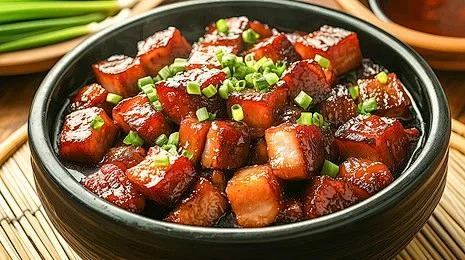
We recommend trying classic dishes such as braised pork belly, stir-fried shrimp, and braised pork with bamboo shoots. These dishes tend to be sweet and savory, and require careful attention to cooking time and sauce.
Xiaolongbao and Shengjian
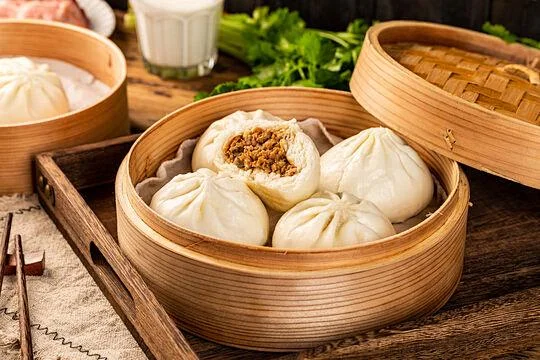
Thin-skinned, juicy xiaolongbao (soup dumplings) and crispy-bottomed shengjianmantou (pan-fried buns) are representative of Shanghai dim sum. They can be enjoyed with a bowl of egg drop soup or hot and sour soup.
Street food tasting
Scallion Oil Noodles: Popular in Shanghai for their rich aroma, simple yet incredibly fragrant.
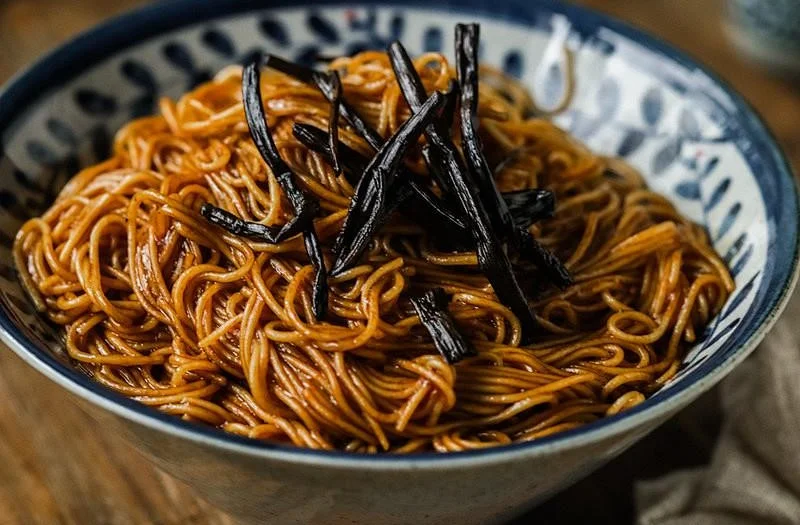
Glutinous Rice Balls: Glutinous rice wrapped around fried dough sticks, pork floss, etc., a local breakfast choice.
Green Rice Dumplings: A traditional delicacy originating from the Jiangnan region, green in color, a popular spring dessert.
International Dining Options
Shanghai boasts numerous high-quality Western restaurants, Japanese restaurants, Southeast Asian restaurants, and fusion cuisine, offering flavors from almost every corner of the world.
When to Visit: The Charm of the Four Seasons and the Highlights of Each Month
Shanghai has a subtropical monsoon climate with four distinct seasons.
Best Time to Visit (Spring: March-May & Autumn: September-November): The climate is most comfortable and pleasant. Spring brings blooming flowers, and autumn offers clear skies and crisp air, perfect for all outdoor activities. These are also peak tourist seasons.
Summer (June-August): Hot and humid, with occasional heavy rains or plum rains. However, lush vegetation, lively indoor activities, and vibrant night markets are available. Take precautions against heatstroke.
Winter (December-February): Cold and damp, with occasional sub-zero temperatures. Fewer tourists, making hotel prices more affordable. Special festive decorations are available during Christmas and Lunar New Year.
Monthly Highlights (for those who want to experience the beauty of each season):
March-April: Plum blossoms in Qingpu, rapeseed flowers in Fengxian, and peach blossoms in Pudong bloom in succession.
September-October: The best time to enjoy hairy crabs, offering a unique experience. Or participate in...
December: Christmas light decorations in various shopping districts throughout the city.
January-February: Lunar New Year, the Yu Garden Lantern Festival is the most famous.
Transportation and Accommodation
Convenient city transportation and comfortable accommodations are the cornerstones of a good travel experience. Understanding Shanghai's transportation network and the characteristics of its main accommodation areas will help you move freely in this metropolis and find the perfect place to relax.
Arriving in Shanghai:
By Air: Primarily via Shanghai Pudong International Airport (mainly handling flights to Hong Kong, Macau, Taiwan, and international flights) and Shanghai Hongqiao International Airport (mainly handling domestic flights). Both airports are connected to the city center by subway, airport buses, and taxis.
(Both airports are accessible via Metro Line 2 to other areas of Shanghai.)
By Rail: Shanghai is a major railway hub, with Shanghai Station, Shanghai Hongqiao Station (the main high-speed rail station, near Hongqiao International Airport), and Shanghai South Station connecting to the rest of the country. High-speed rail is an efficient way to travel to surrounding cities (such as Suzhou and Hangzhou).
(At Shanghai Hongqiao Railway Station, you can take Metro Lines 2, 10, and 7. If you are located in the West Kowloon area of Hong Kong, you can take the West Kowloon High-Speed Rail directly to Shanghai Hongqiao Railway Station.)
City Transportation:
Subway: Operating hours are 5:30 AM to 11:50 PM. The network is extremely extensive, covering almost all major attractions, making it the preferred mode of transportation. You can use the "Metro Metropolis" app to scan a QR code to ride, or purchase tickets on-site.
Taxi/Ride-hailing: Taxis are readily available. Ride-hailing services (such as Didi Chuxing) are more convenient, supporting an English interface for booking. Ensure the driver uses the meter for fare calculation.
Shared Bikes: Very common, suitable for short-distance exploration. Requires scanning a QR code with WeChat or Alipay to use.
Payment Methods: Shanghai recently launched a "contactless payment" system, making it more convenient for foreign tourists to travel using credit and debit cards. Now, subway station turnstiles directly accept international credit cards such as Visa, Mastercard, American Express, and JCB for contactless payments. In addition, Apple Pay and other commonly used e-wallets linked to foreign credit cards are also accepted.
Accommodation Options:
The Bund/Nanjing East Road Area: The most popular tourist area, convenient transportation, close to classic attractions, with hotels ranging from luxury to budget.
Jing'an Temple/French Concession Area: More elegant and fashionable, filled with boutique hotels and designer guesthouses, surrounded by cafes and restaurants, suitable for travelers who enjoy leisurely strolls.
Lujiazui/Pudong Area: A modern business district, mostly high-end hotels offering unparalleled river and city views.
Itinerary Planning Suggestions
Recommended itinerary options after your trip to Shanghai:
Shanghai 3-Day Itinerary
Day 1: Airport Pickup in Shanghai
Day 2: Shanghai Museum - Oriental Pearl Tower - Nanjing Road Pedestrian Street - The Bund - Huangpu River Cruise - Shanghai
Day 3: Shanghai Film Park
5-Day Tour of Shanghai (Classic Must-See Spots)
Day 1: Arrive in Shanghai
Day 2: Shanghai - Yu Garden - City God Temple - Nanjing Road Pedestrian Street - Suzhou Creek - The Bund - Huangpu River Cruise - Shanghai
Day 3: Shanghai - Zhujiajiao Ancient Town - Shanghai
Day 4: Free time
Day 5: Depart from Shanghai
Shanghai Practical Guide: Essential Information for an Easy Trip
Local Language
Mandarin is the official language, but Shanghainese may be spoken among locals. The following basic phrases are helpful:
Hello: Nǐ hǎo
Thank you: Xièxie
Excuse me…: Qǐng wèn… (Excuse me/May I ask…)
How much is this?: Zhège duōshao qián?
I don't understand Chinese: Wǒ bù dǒng Zhōngwén.
Local Applications
Maps & Navigation: Baidu Maps or Gaode Maps (with basic English interface).
Translation: Google Translate (download the offline Chinese translation package beforehand) or Tencent Translate.
Transportation: Didi Chuxing (DiDi, can switch to English interface, requires registration with a Chinese mobile phone number).
Restaurants & Reviews: Dianping (Dianping, some restaurants have English information).
Pre-departure Information
Power Supply and Adapter: China uses 220V voltage, and the main socket types are Type A (two-prong flat pin) and Type I (three-prong angled pin). It is recommended to bring a universal adapter to ensure your electronic devices can be charged.
Payment Preparation: Electronic payment (Alipay/WeChat Pay) is extremely common in China. Before your trip, try activating payment functions in Alipay or linking an international credit card (Visa/MasterCard) for most payment scenarios. It is also recommended to carry a certain amount of RMB cash for small payments or in case electronic payment is unavailable.
Tipping Customs: Tipping is not mandatory in China. In most restaurants and taxis, simply pay the amount shown on the bill. Some high-end hotels or Western restaurants may automatically charge a service charge, which will be clearly stated on the bill; no additional payment is required.
Internet and Communication: The internet environment in China differs from that abroad. Some commonly used international websites and applications (such as Google services, Facebook, Instagram, WhatsApp, etc.) may be inaccessible without a Virtual Private Network (VPN). Please prepare in advance.
Disclaimer: This information is provided for reference only and was last updated on . Requirements and regulations may change. Always verify with official sources before making travel plans.