Overview
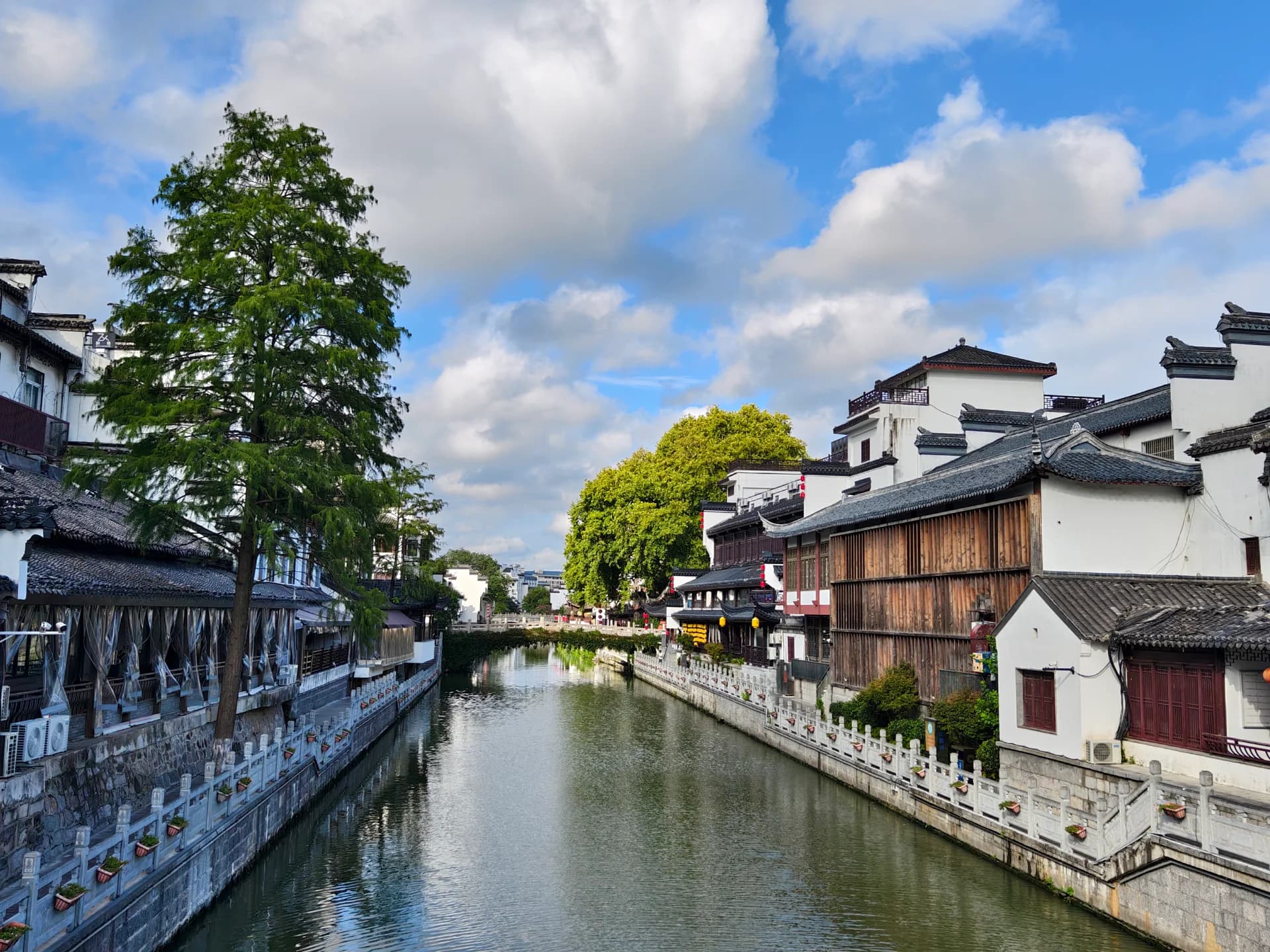
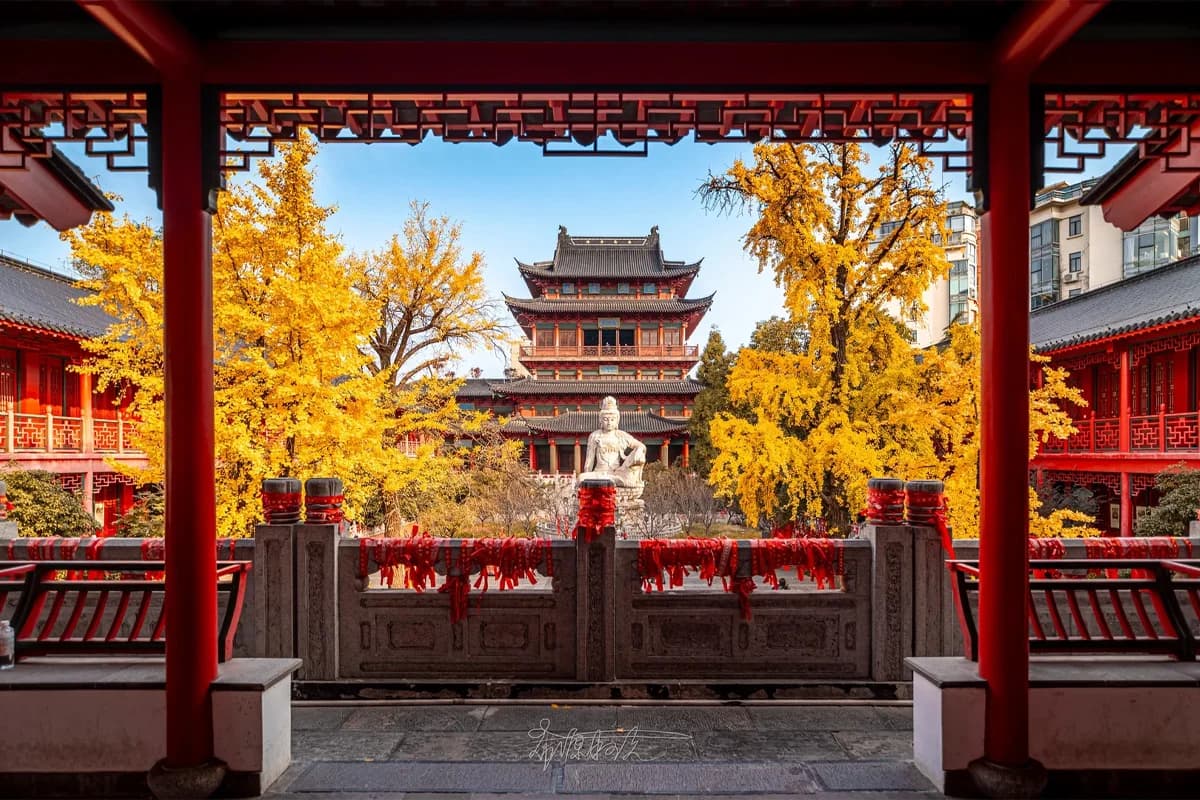
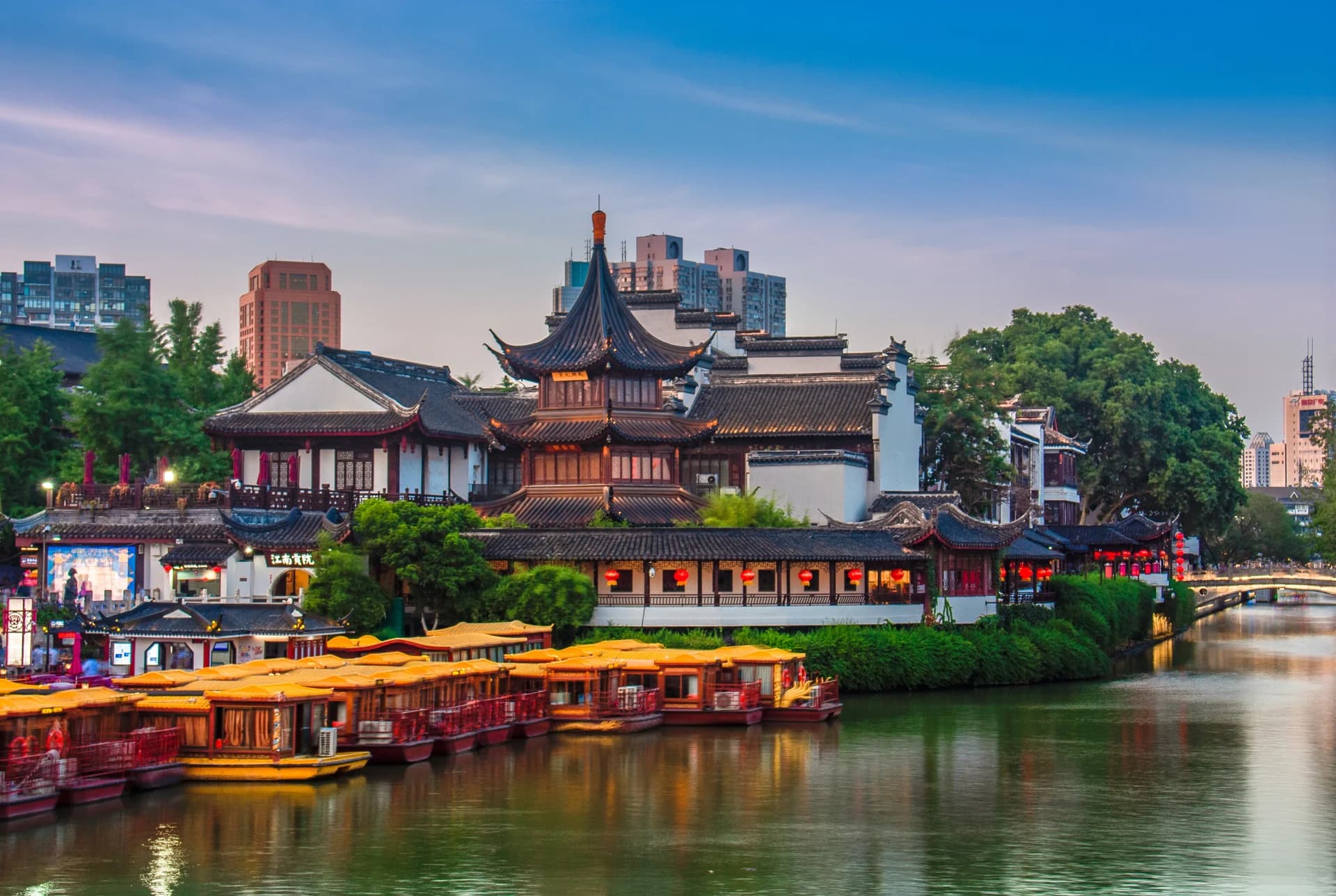
The Confucius Temple in Nanjing, located on the banks of the Qinhuai River, is one of China's four major Confucian temples. Originally built in the Eastern Jin Dynasty and flourishing in the Song Dynasty, its core ancient buildings, including the memorial archway, Dacheng Hall, and screen wall, retain the architectural style of the Ming and Qing Dynasties. Dacheng Hall enshrines a statue of Confucius, and the Jiangnan Examination Hall was the largest imperial examination hall in ancient China. The night view is enchanting; after dark, all the ancient buildings are illuminated, creating a beautiful reflection of the Qinhuai River and the eaves.
Spring and autumn (March to May and September to November) offer the most comfortable weather and are the best times to visit. It is recommended to arrive around 4:30 PM, first exploring the free ancient building area, visiting Dacheng Hall and the Jiangnan Examination Hall, and then taking a night cruise on a painted boat on the Qinhuai River, a journey of approximately 3 to 4 hours.
How to Get There
Transportation: The subway is the most convenient option. Take subway line 3 to "Confucius Temple Station," exit from Exit 2, and walk for about 5 minutes to reach the core scenic area. Alternatively, take subway line 1 or 5 to "Sanshan Street Station," and walk for about 10 minutes. By bus, take routes 4, 7, 40, or 44 to "Jiankang Road/Confucius Temple Station." Driving is not recommended during holidays due to severe traffic congestion and limited parking around the scenic area.
Recommended Itinerary: Tianxia Wenshu Archway (entrance photo) → Wende Bridge (panoramic view of the Qinhuai River) → Dacheng Hall of Confucius Temple → Jiangnan Examination Hall (Imperial Examination Museum, immersive experience of an ancient examination hall) → Wuyi Lane → Evening cruise on a painted boat on the Qinhuai River (approximately 40 minutes on the east side, experience "Qinhuai Lanterns") → Visit the Confucius Temple Night Market to browse cultural and creative shops and buy souvenirs. The entire trip takes approximately 3 to 4 hours, and following this order minimizes backtracking.
What to Expect
The Confucius Temple area features sturdy bluestone-paved pedestrian walkways, with the main street stretching 1284 meters, making it easy to explore on foot. Restrooms are available throughout the scenic area, some of which are fully equipped and accessible. Nearly a thousand gift shops, cultural and creative product stores, and snack stalls line the street, offering souvenirs and local delicacies. Due to cultural relic protection measures, some ancient buildings, such as the Dacheng Hall, lack wheelchair ramps, limiting wheelchair access. The visitor center provides information services and free wheelchair rentals (ID card required as a deposit).
Practical Tips
- When buying local specialties such as salted duck, it is recommended to go to established shops outside the scenic area, where the prices are more reasonable.
- If you're looking for authentic local snacks, I recommend visiting the Laomendong area, where you'll find many well-established shops trusted by locals.
- The scenic area is less crowded in the early morning, making it ideal for photographing ancient buildings and street scenes. The best spot for nighttime photography is at Wende Bridge, where you can capture stunning views of the moon reflected in the Qinhuai River when the lights come on.
- Buying a combined ticket for "Dacheng Hall + Jiangnan Examination Hall + Cruise" is more cost-effective than buying individual tickets.