Trip Planning Guide
Nanjing is one of the most suitable cities in China for historical and cultural travel. It is not as grand as Beijing, nor as modern as Shanghai, but rather a blend of the ancient capital of six dynasties, the Ming Dynasty city wall, the architecture of the Republic of China, the Yangtze River scenery, the sycamore-lined avenues, and local cuisine.
Who is Nanjing suitable for?
Those who enjoy Chinese history: Nanjing has been an important city in many dynasties and in modern China.
Those who enjoy city walks: The Ming City Wall, Confucius Temple, Laomendong, and Yihe Road are all suitable for walking.
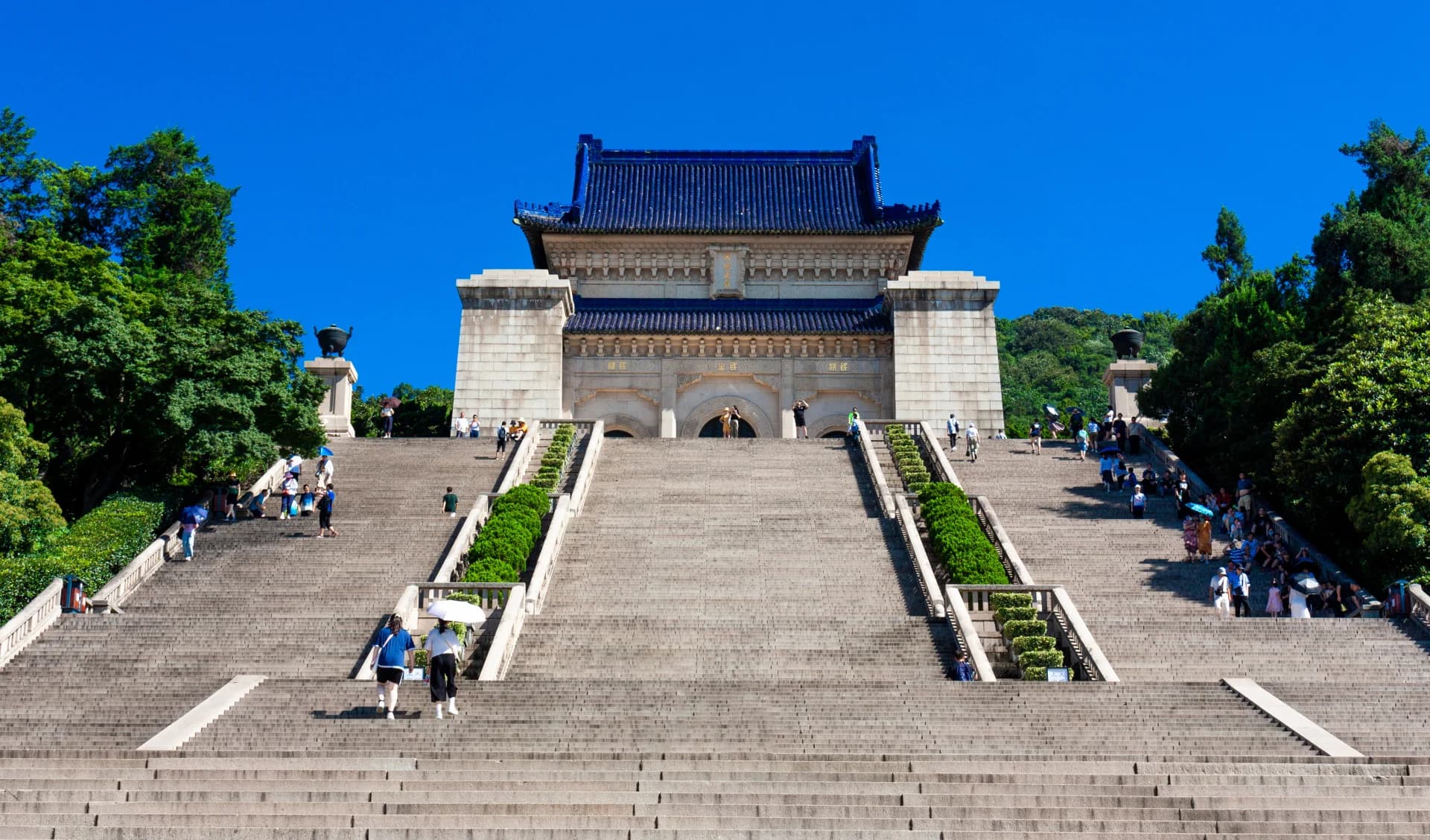
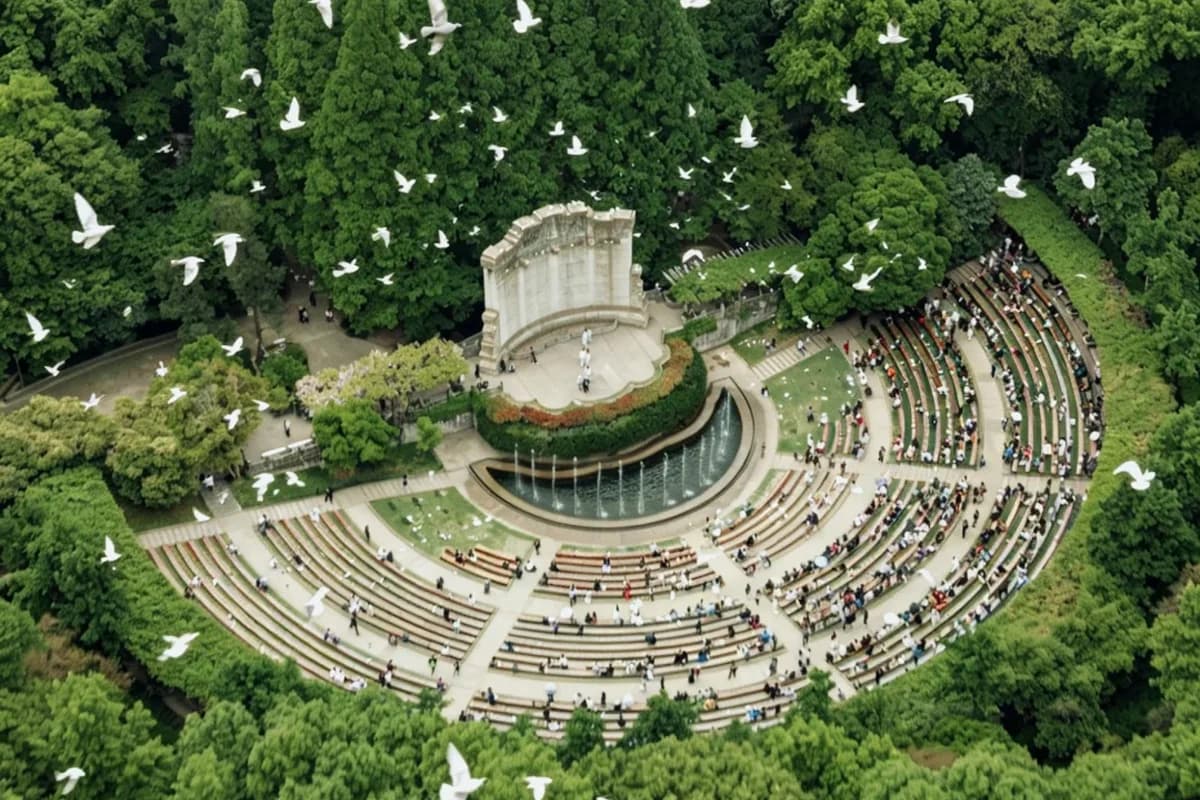
Those interested in Republican-era architecture: Sun Yat-sen Mausoleum, Presidential Palace, and the Yihe Road area are representative examples.
Those who appreciate the combination of nature and city: Purple Mountain, Xuanwu Lake, and the Yangtze River Bridge offer a sense of openness to Nanjing.
Those planning a trip to East China: Nanjing can be combined with Shanghai, Suzhou, and Hangzhou to form a complete itinerary.
If tourists only want shopping and a modern urban experience, Nanjing is not the best choice; but if they want to understand Chinese history, urban memories and Jiangnan culture, it is well worth a stay.
How many days should I spend in Nanjing?
1 day: Suitable for a short trip from Shanghai or Suzhou, including visits to Sun Yat-sen Mausoleum, Confucius Temple, or Laomendong.
2 days 1 night: Highly recommended for first-time visitors, covering historical sites, ancient city streets, and local cuisine.
3 days 2 nights: Suitable for a more comfortable stay, including Zijin Mountain, Xuanwu Lake, Presidential Palace, and Yihe Road.
4 days or more: Suitable for in-depth historical travel, or combined with visits to Yangzhou and Zhenjiang.
For most foreign tourists, 2–3 days is the most suitable time to visit Nanjing.
How are Nanjing's main areas grouped?
1. Sun Yat-sen Mausoleum / Ming Xiaoling Mausoleum / Zijin Mountain
This is Nanjing's most representative historical and natural area. Sun Yat-sen Mausoleum is suitable for understanding modern China; Ming Xiaoling Mausoleum is good for seeing the Ming Dynasty imperial tombs and the stone elephant road; Zijin Mountain is suitable for tourists who enjoy nature and light hiking.
2. Confucius Temple / Qinhuai River / Laomendong
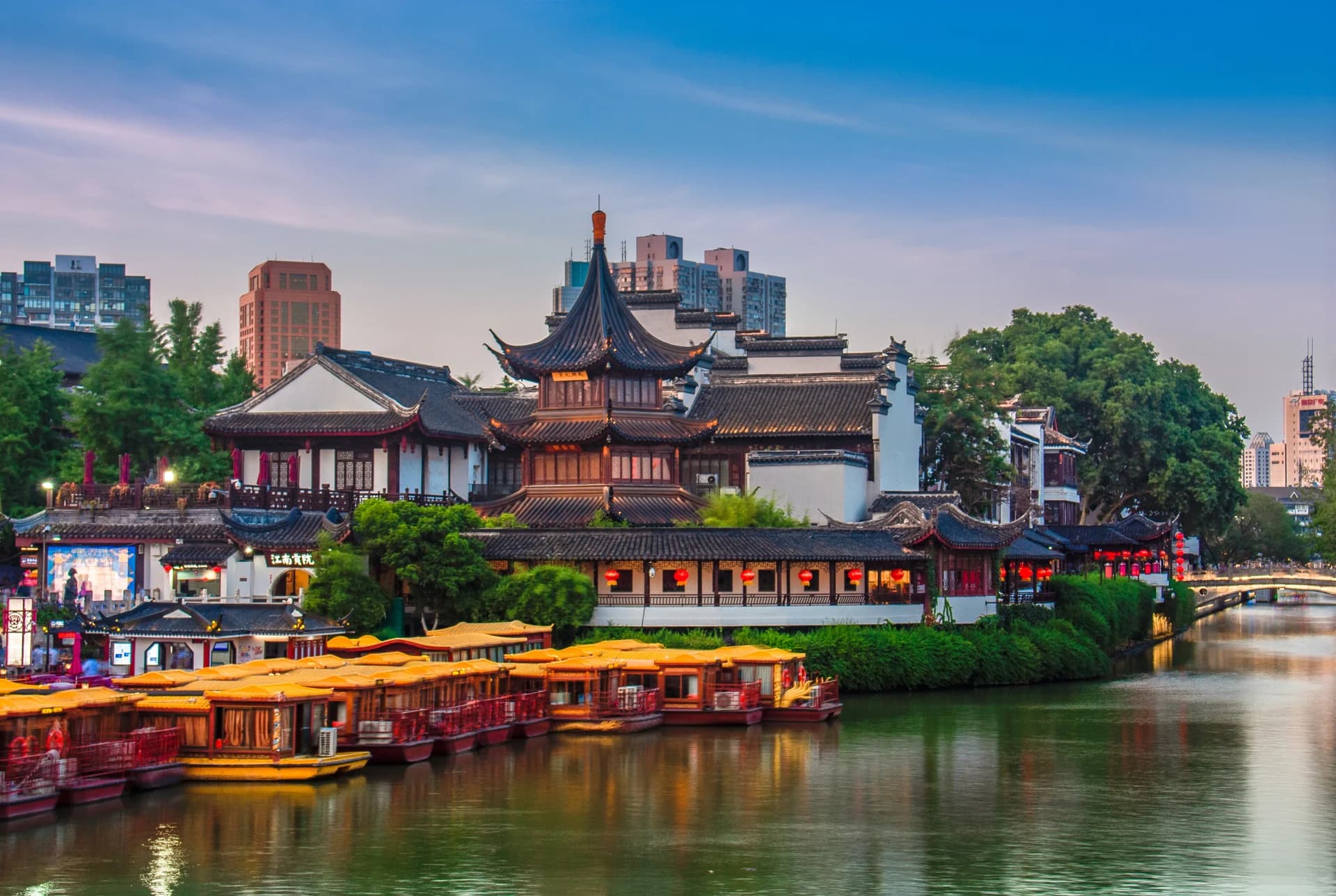
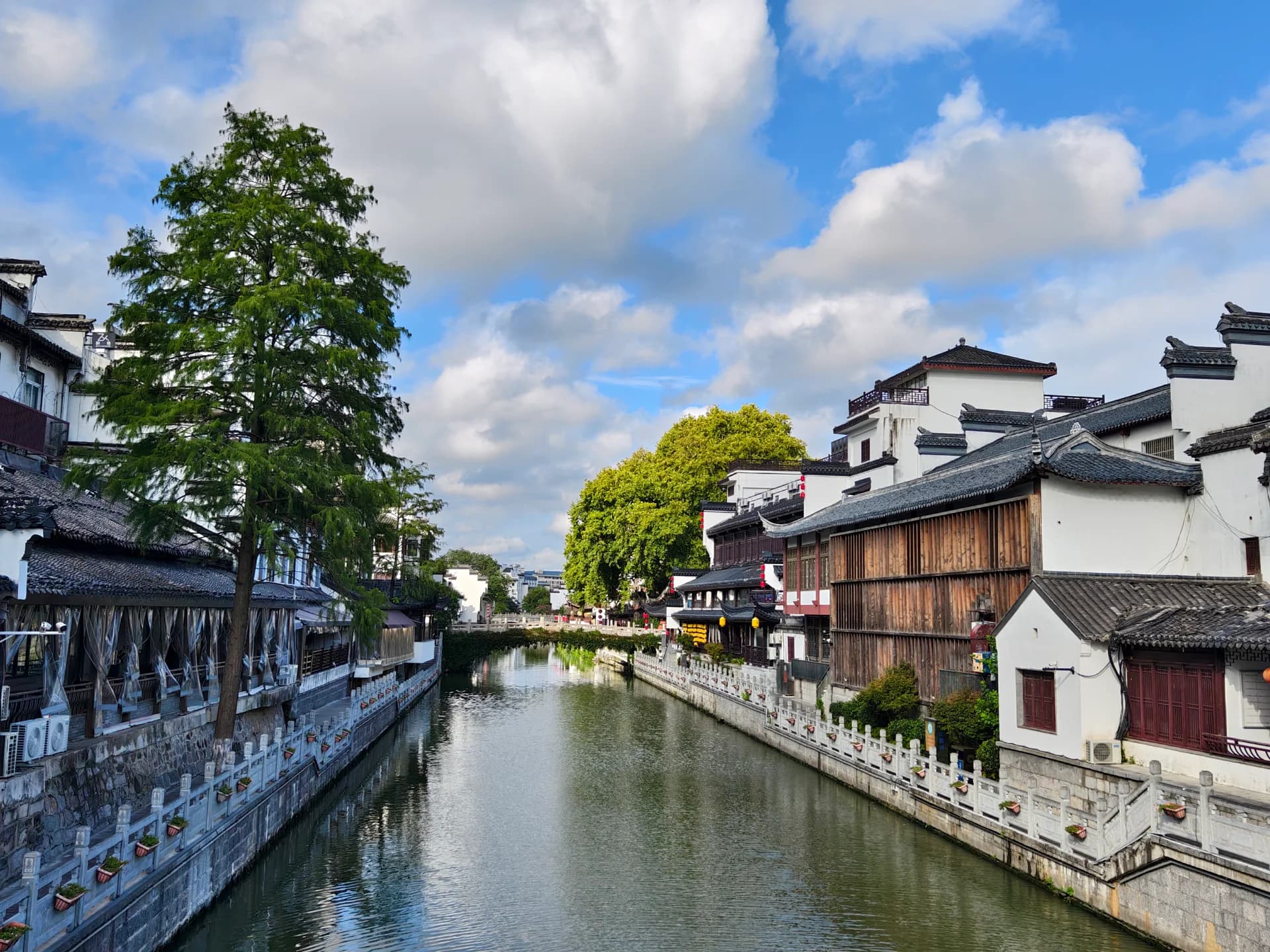
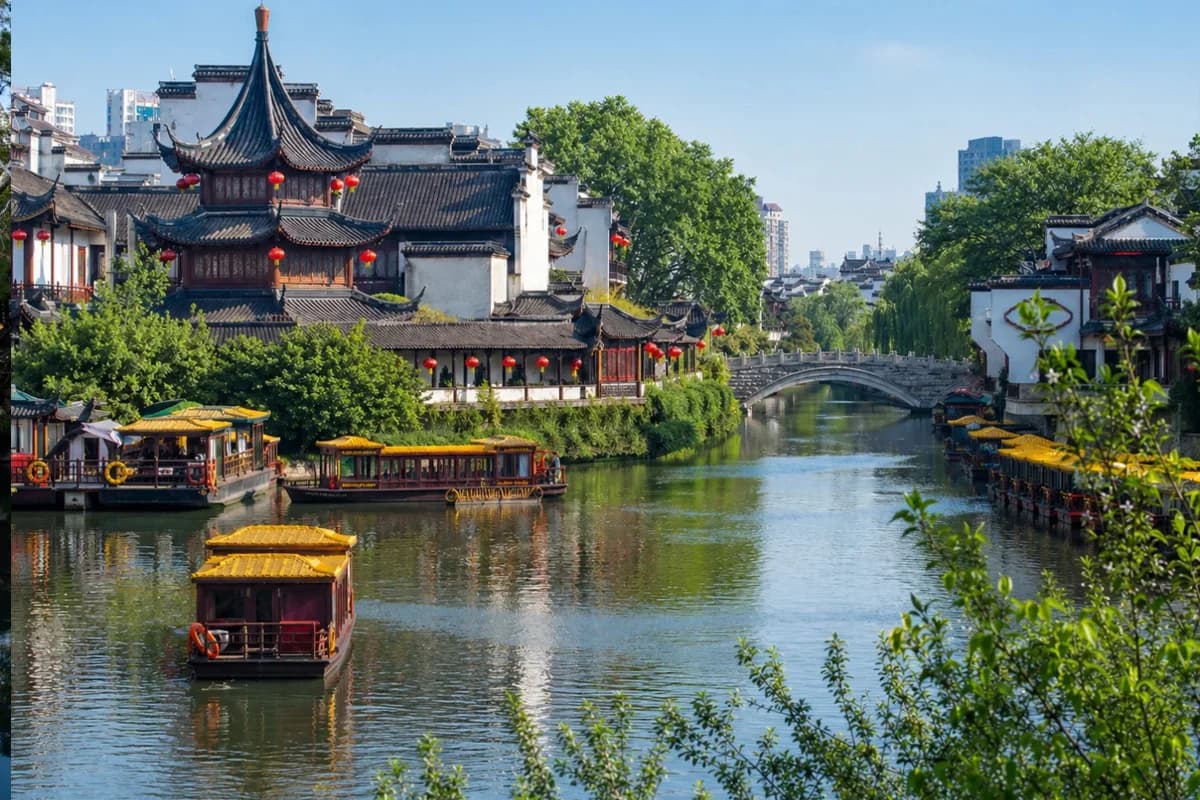
This is the area in Nanjing best suited for first-time visitors to experience the night view, streetscapes, and snacks. Confucius Temple is more commercialized, but the night view of the Qinhuai River and the streets of Laomendong still retain Nanjing's unique character.
3. Presidential Palace / 1912 Block
Suitable for tourists interested in modern history and Republican-era architecture. The Presidential Palace has a lot of information; it is recommended to allow sufficient time.
4. Xuanwu Lake / Ming City Wall
Suitable for leisurely walks and city views. Xuanwu Lake offers a wide view, and the Ming City Wall helps visitors understand Nanjing's urban layout as an ancient capital.
5. Yihe Road / Drum Tower
Suitable for tourists who enjoy quiet streets, plane trees, Republican-era architecture, and cafes. It's a better place to stroll than Confucius Temple.
What are some good travel combinations with Nanjing?
Shanghai + Nanjing: Suitable for a combination of a modern metropolis and a historical capital.
Nanjing + Suzhou + Hangzhou: A classic East China cultural route.
Nanjing + Yangzhou: Suitable for a slow-paced trip to Jiangnan and a food-themed itinerary.
Nanjing + Zhenjiang: Suitable for a short trip combining history and Yangtze River scenery.
Shanghai + Suzhou + Nanjing + Hangzhou: Suitable for a 7-10 day in-depth tour of East China.
For foreign tourists visiting East China for the first time, Nanjing is a great option after Shanghai, offering a more historically enriching stop.
Food & Dining Guide
Nanjing cuisine mainly consists of duck, soup dumplings, noodles, and local snacks, with a fresh and savory flavor, perfect for enjoying while strolling through the old city.
Must-Try Food
1.Nanjing Salted Duck(南京盐水鸭)
A representative dish of Nanjing, known for its tender meat and refreshing salty flavor.
Recommended areas: Confucius Temple, Laomendong, Xinjiekou
Estimated price: ¥30–80 per serving
2.Duck Blood Vermicelli Soup(鸭血粉丝汤)
A classic Nanjing snack, with a flavorful broth, suitable for breakfast or a light meal.
Recommended areas: Confucius Temple, Hunan Road, Laomendong
Reference price: ¥15–30 / bowl
3. Soup Dumplings(小笼包)
Thin-skinned and filled with soup, be sure to open a small sip to drink the soup first.
Recommended areas: Laomendong, Confucius Temple, Xinjiekou
Estimated price: ¥20–40 per basket
4. Beef Potstickers(牛肉锅贴)
Crispy on the outside and juicy on the inside, these are a common snack in Nanjing.
Recommended areas: Confucius Temple area, old town snack shops
Estimated price: ¥10–25 per serving
5.Red Bean Rice Balls(赤豆元宵)
A sweet snack, soft and mild, perfect for after a meal.
Recommended areas: Laomendong, Confucius Temple
Estimated price: ¥8–18 / bowl
6.Sweet Taro with Osmanthus(桂花糖芋苗)
A traditional Nanjing dessert, with a pronounced osmanthus fragrance and a soft, chewy texture.
Recommended areas: Laomendong, local dessert shops
Estimated price: ¥10–20 / bowl
Where to Eat
Laomendong: Suitable for first-time visitors to Nanjing; concentrated with traditional snacks and a pleasant atmosphere for strolling.
Confucius Temple: Popular with tourists, but offers a wide variety of choices; good for quickly trying Nanjing snacks.
Xinjiekou: Densely packed with restaurants; suitable for formal meals, shopping mall dining, and young tourists.
Hunan Road/Shiziqiao Area: Ideal for finding local snacks and established restaurants.
Getting There & Around
Nanjing boasts convenient transportation, making it ideal to combine high-speed rail, subway, and Didi (ride-hailing services). For first-time visitors, it's recommended to stay near Xinjiekou, Confucius Temple, or Laomendong.
How to get to Nanjing
1.By plane: Nanjing Lukou International Airport (NKG) is the main airport.
Approximately 45–70 minutes to the city center.
Subway: Airport line to city line, approximately ¥7–15
Didi / Taxi: Approximately ¥120–220
2.High-speed rail / regular train
Nanjing South Station: The main high-speed rail station, suitable for arrivals from cities such as Shanghai, Hangzhou, Beijing, and Suzhou.
Approximately 25–40 minutes to Xinjiekou.
Nanjing Station: Close to Xuanwu Lake, suitable for some regular trains and intercity trains.
Approximately 15–25 minutes to Xinjiekou.
City Transportation
Subway: Highly recommended, covering major attractions and shopping areas.
One-way fare approximately ¥2–¥8, suitable for places like Confucius Temple, Xinjiekou, Nanjing South Railway Station, and Xuanwu Lake.
Didi/Taxi: Suitable for nighttime trips, trips with luggage, group travel, or trips to less convenient areas like Sun Yat-sen Mausoleum and Niushou Mountain.
Short-distance trips within the city approximately ¥15–40, inter-district trips approximately ¥60–150.
Bus: Cheaper, but less convenient for foreign tourists than the subway and Didi.
Travel Time to Major Areas
Lukou Airport → Xinjiekou: Approx. 45–70 minutes
Nanjing South Railway Station → Xinjiekou: Approx. 25–40 minutes
Xinjiekou → Confucius Temple: Approx. 10–20 minutes
Confucius Temple → Laomendong: Approx. 5–10 minutes
Xinjiekou → Sun Yat-sen Mausoleum: Approx. 30–45 minutes
Xinjiekou → Niushou Mountain: Approx. 45–70 minutes
Travel Tips
P1: For city attractions, prioritize the subway for its time-saving and reliable service.
P2: When visiting Sun Yat-sen Mausoleum, Niushou Mountain, and Qixia Mountain, consider using Didi (a ride-hailing app).
P3: If traveling from Shanghai/Suzhou to Nanjing, taking the high-speed train to Nanjing South Railway Station is the most convenient option.