historicalDali
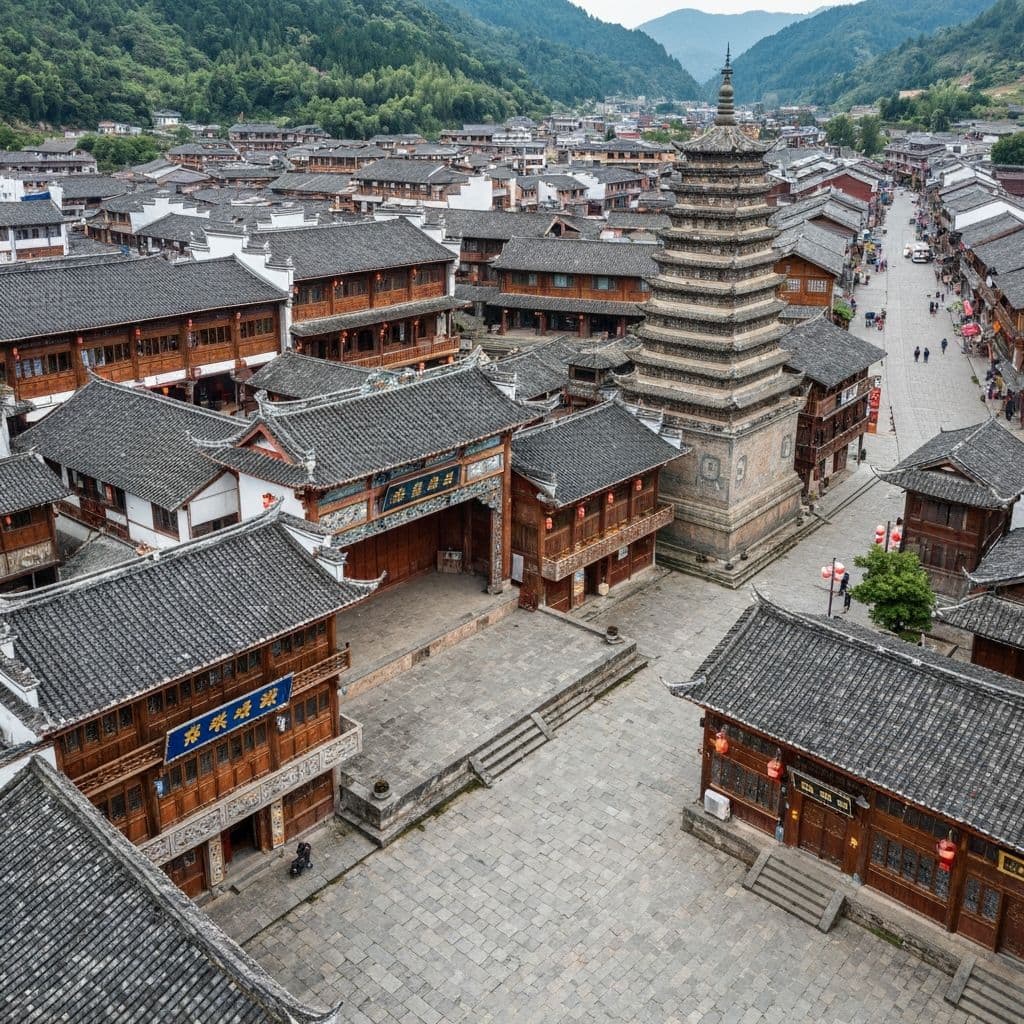
Shaxi Ancient Town
A remarkably preserved tea horse road trading post, Shaxi feels like stepping back in time. The Friday market still draws Bai and Yi villagers from surrounding mountains, much as it has for centuries. Cobblestone streets, a 1000-year-old theater stage, and the ancient Xingjiao Temple create an authentic atmosphere largely untouched by mass tourism. A UNESCO restoration project has carefully preserved its heritage.
Opening Hours
24 hours
Ticket Price
Free
Location
Shaxi Township, Jianchuan County, Dali Prefecture (2 hours from Dali)
Overview
Shaxi Ancient Town, located in Jianchuan County, Dali, Yunnan Province, is the only surviving ancient market town on the Ancient Tea Horse Road. It preserves well-maintained traditional Bai architecture, an ancient stage, and the Yujin Bridge, offering a tranquil and rustic atmosphere, earning it the reputation of "Lijiang twenty years ago." A one-day visit is recommended for a deeper experience of the caravan culture. The best time to visit is spring (March-May) and autumn (September-November), when the weather is pleasant and the scenery is beautiful.
How to Get There
The most convenient way to travel from Dali or Lijiang is by hiring a car. A shuttle bus service runs from Dali Old Town to Shaxi, with 8 departures daily, starting at 29.9 yuan, connecting attractions such as Xizhou. Alternatively, you can take a bus from Dali North Bus Station to Jianchuan County (about 35 yuan), then transfer to a rural minibus (13-15 yuan) to enter the town. Recommended route: Enter from the East Gate, stroll along Sideng Street and Sifang Street, see the ancient stage and Xingjiao Temple, and watch the sunset at Yujin Bridge in the evening. If it happens to be a Friday, be sure to experience the centuries-old market day.
What to Expect
Public restrooms within Shaxi Ancient Town are located near the visitor center, Sifang Street, and the parking lot; they are clearly marked and relatively clean. Gift shops are mainly concentrated around Sideng Street and Sifang Street, selling tie-dyed fabrics, tile figurines, and local specialties; most accept mobile payment. There are numerous restaurants and cafes to choose from, catering to various needs. Overall, the ancient town is moderately developed with well-equipped facilities, yet retains its original, rustic charm, making for a very comfortable and convenient visit.
Practical Tips
- 1Time your visit for Friday market for the most authentic experience
- 2Stay overnight to enjoy the peaceful evenings
- 3The Pear Orchard Temple hike offers stunning views
- 4Rent a scooter to explore surrounding Bai villages
Share This Attraction
Found this helpful? Share it with fellow travelers!


Explore Dali
Discover more attractions, food, and travel tips for Dali.
View destination
More Attractions to Explore
Dali·historical
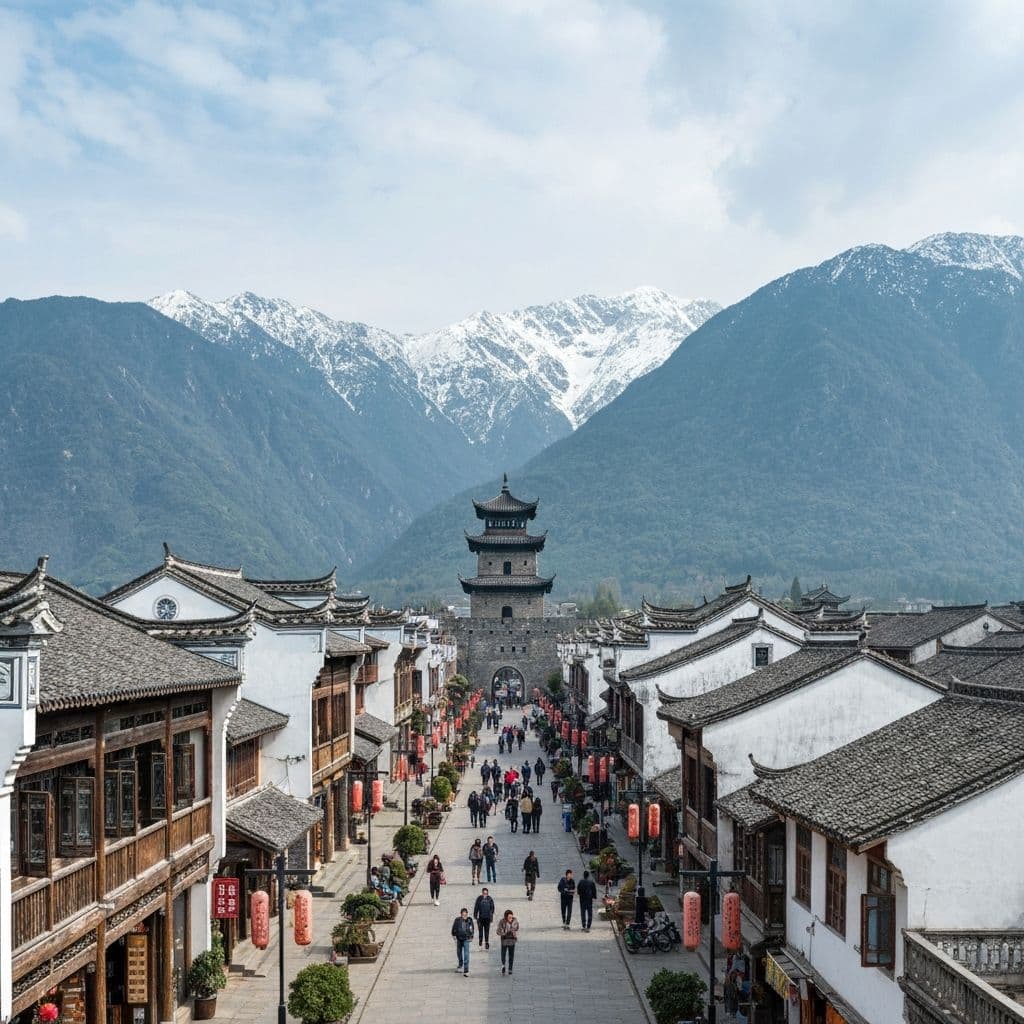
Dali Old Town
Built during the Ming Dynasty, Dali's ancient town retains its traditional grid layout with the Four Gates and Five Streets. White-walled Bai minority architecture with grey tile roofs lines the cobblestone streets. Huguo Road offers touristy shops and cafes, while the backstreets reveal local Bai life. The relaxed atmosphere has attracted travelers and artists for decades.
Dali·historical
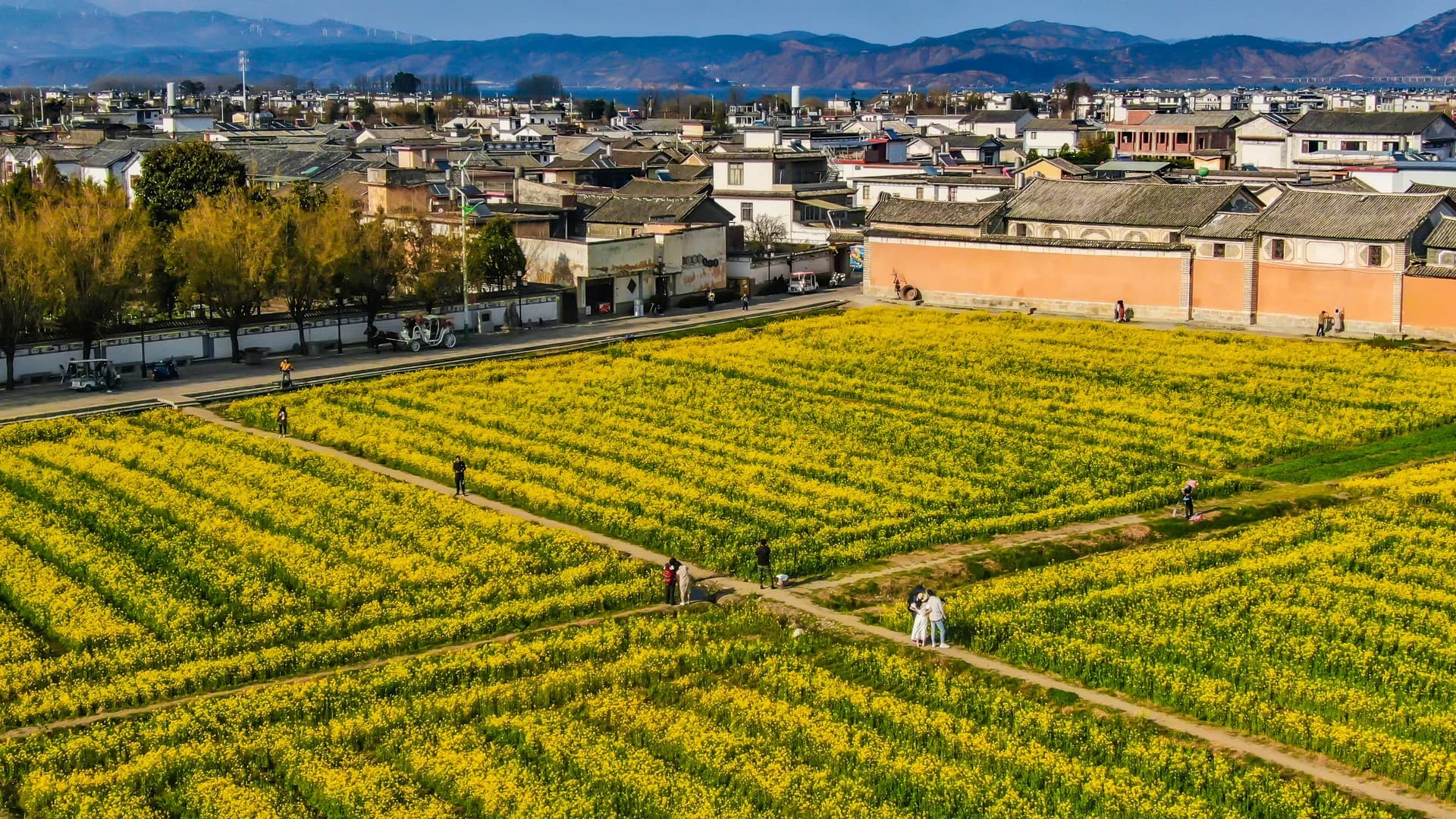
Xizhou Ancient City
Xizhou Ancient City is a charming heritage town near Dali, celebrated for its well-preserved Bai architecture, traditional courtyards, and relaxed local atmosphere. Strolling through its old streets, visitors can discover historic residences, lively markets, regional cuisine, and a deeper look into Bai culture and everyday life in western Yunnan.

Dali·historical
Three Pagodas of Chongsheng Temple
Dali's most iconic landmark, these three Buddhist pagodas date back to the 9th century Tang Dynasty. The central pagoda stands 69.6 meters tall with 16 tiers, flanked by two smaller 10-tier pagodas. Built by the Nanzhao Kingdom, they survived multiple earthquakes that destroyed the original temple. The reflection in the pool at their base creates a famous photo opportunity.