
historicalDali
Three Pagodas of Chongsheng Temple
Dali's most iconic landmark, these three Buddhist pagodas date back to the 9th century Tang Dynasty. The central pagoda stands 69.6 meters tall with 16 tiers, flanked by two smaller 10-tier pagodas. Built by the Nanzhao Kingdom, they survived multiple earthquakes that destroyed the original temple. The reflection in the pool at their base creates a famous photo opportunity.
Opening Hours
7:10 AM - 7:00 PM(May-October);7:30 AM - 6:30 PM(October-April)
Ticket Price
Tickets: ¥75; Cable car: ¥35 (round trip)
Location
1km north of Dali Old Town, Yunnan
Overview
The Three Pagodas of Chongsheng Temple are located northwest of Dali Old Town. Composed of the Tang Dynasty's Qianxun Pagoda and the Song Dynasty's North and South Small Pagodas, they are a thousand-year-old royal temple relic and the prototype for Tianlong Temple in Jin Yong's novel *Demi-Gods and Semi-Devils*. It is recommended to allow 2-3 hours for your visit. The best seasons to visit are spring (March-April, cherry blossoms in full bloom) and autumn (September-October, golden ginkgo leaves), when the weather is mild and the scenery is superb. For foreign language assistance, please call +86-4009001558 for ticket inquiries.
How to Get There
To reach the Three Pagodas of Chongsheng Temple, you can take a taxi from Dali Old Town (approximately 10 minutes and 10 yuan) or take bus routes 4 or 3 directly to the scenic area entrance. A suggested itinerary is as follows: After purchasing tickets and entering the park, first take classic photos of the Three Pagodas' reflections at the Three Pagodas Reflection Pool. Then, take a one-way sightseeing bus to the Grand Hall of the Great Buddha at the top of the mountain. Afterward, walk down the mountain along the central axis, visiting the Yutong Guanyin Hall, the Nanzhao Jianji Great Bell, and the Cultural Relics Exhibition Hall in that order. This route saves energy and ensures you don't miss any of the highlights.
What to Expect
Foreign passport holders must exchange their passports for physical tickets at the ticket window to enter the park. The main path has clear signs and several rest areas for easy access. A souvenir shop is located at the park exit, selling postcards, fridge magnets, and tie-dye crafts. A small shop offering drinking water and light meals is also available near the Reflection Pool. The entire tour takes approximately 2 hours; comfortable, non-slip shoes are recommended, and you should watch your step.
Practical Tips
- 1The reflection pool is best photographed in the morning
- 2The rebuilt Chongsheng Temple behind is worth exploring
- 3Electric carts available for the large temple complex
- 4Sunset views with Cangshan Mountains backdrop are stunning
Share This Attraction
Found this helpful? Share it with fellow travelers!
Explore Dali
Discover more attractions, food, and travel tips for Dali.
View destination
More Attractions to Explore
Dali·historical
Dali Old Town
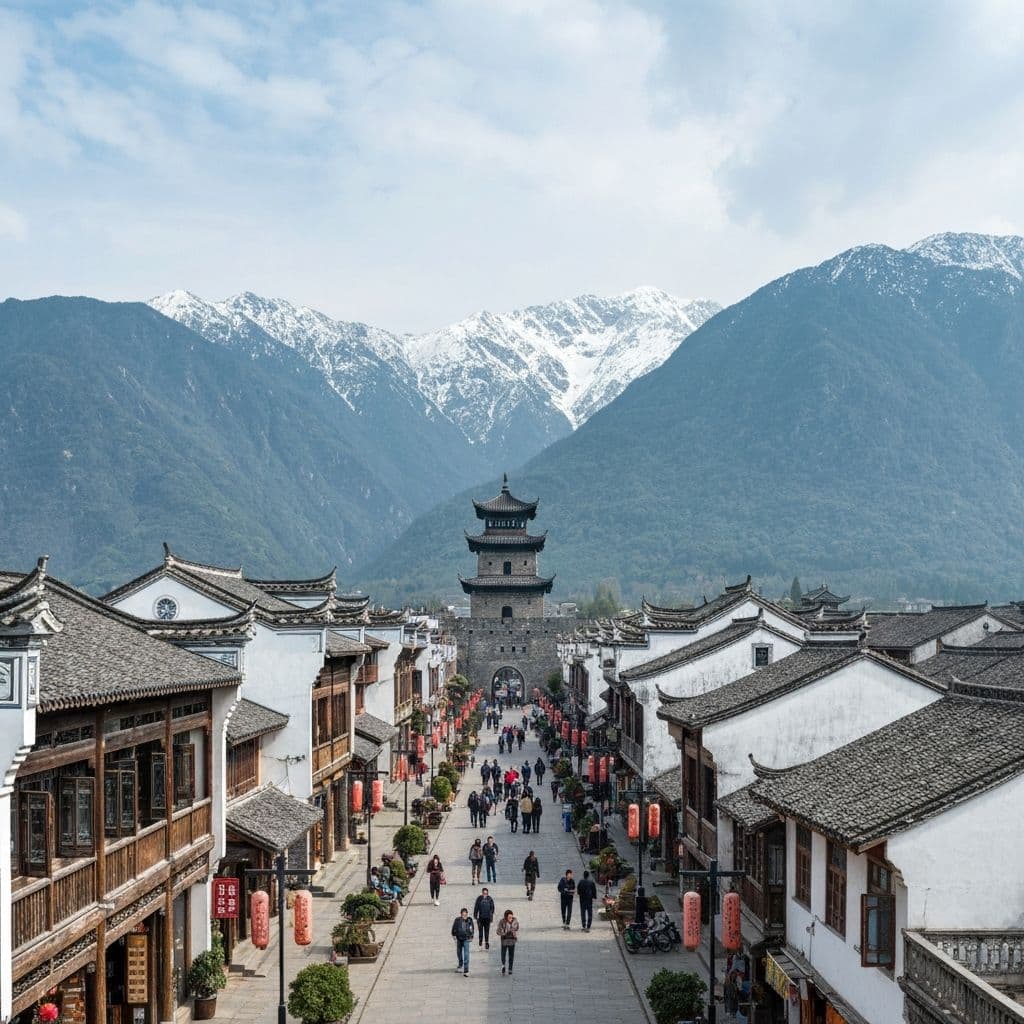
Built during the Ming Dynasty, Dali's ancient town retains its traditional grid layout with the Four Gates and Five Streets. White-walled Bai minority architecture with grey tile roofs lines the cobblestone streets. Huguo Road offers touristy shops and cafes, while the backstreets reveal local Bai life. The relaxed atmosphere has attracted travelers and artists for decades.
Dali·historical
Shaxi Ancient Town
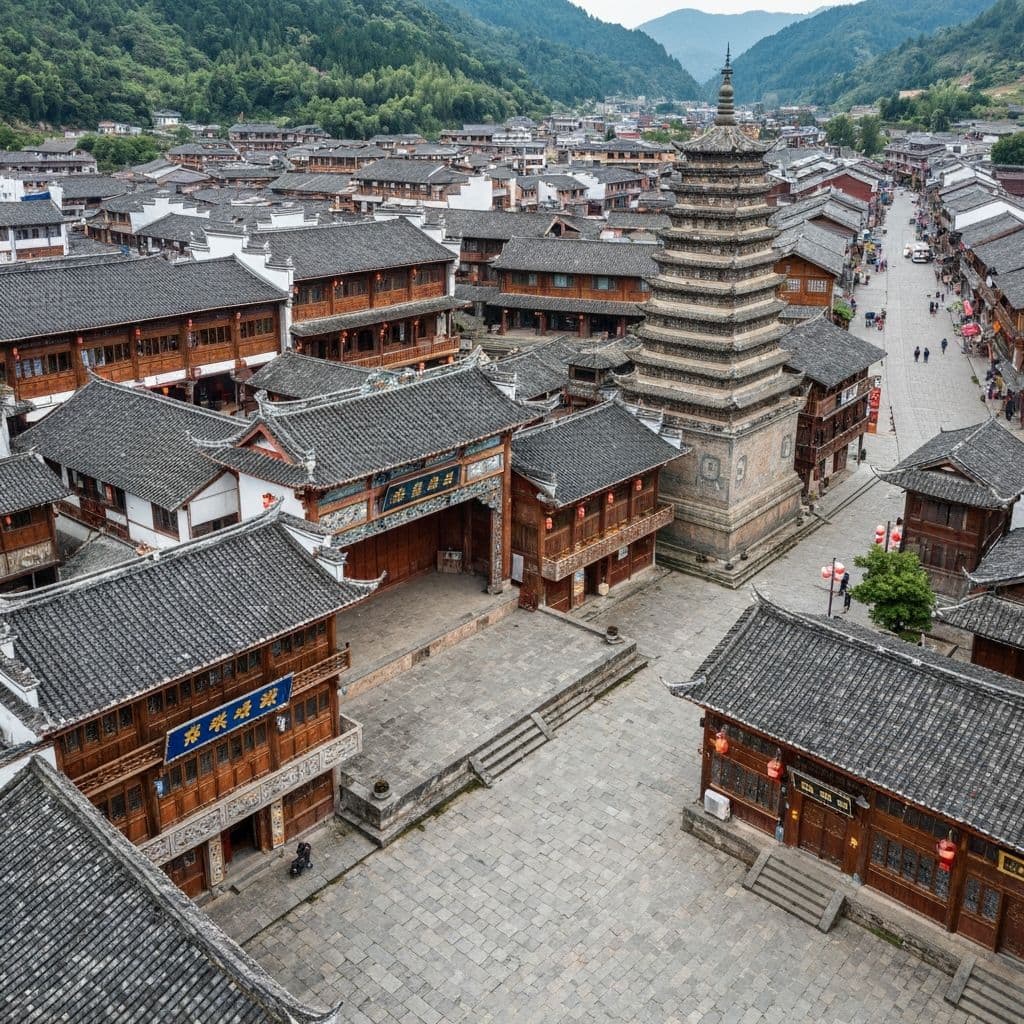
A remarkably preserved tea horse road trading post, Shaxi feels like stepping back in time. The Friday market still draws Bai and Yi villagers from surrounding mountains, much as it has for centuries. Cobblestone streets, a 1000-year-old theater stage, and the ancient Xingjiao Temple create an authentic atmosphere largely untouched by mass tourism. A UNESCO restoration project has carefully preserved its heritage.
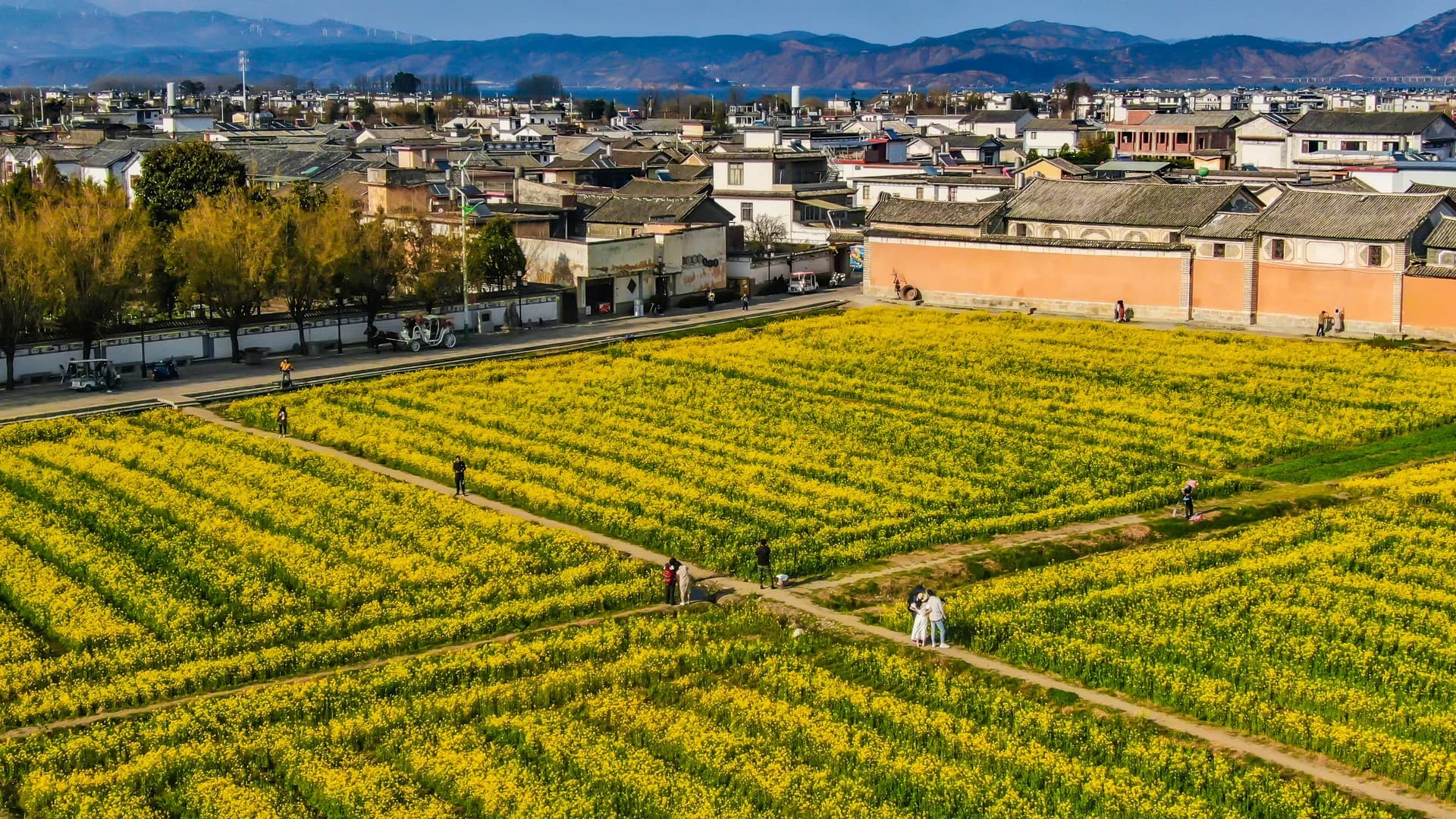
Dali·historical
Xizhou Ancient City
Xizhou Ancient City is a charming heritage town near Dali, celebrated for its well-preserved Bai architecture, traditional courtyards, and relaxed local atmosphere. Strolling through its old streets, visitors can discover historic residences, lively markets, regional cuisine, and a deeper look into Bai culture and everyday life in western Yunnan.