north China
Dali
Romance of Erhai Lake
Best time: March to April, September to November
3 days suggested
6 highlights
Why Visit Dali
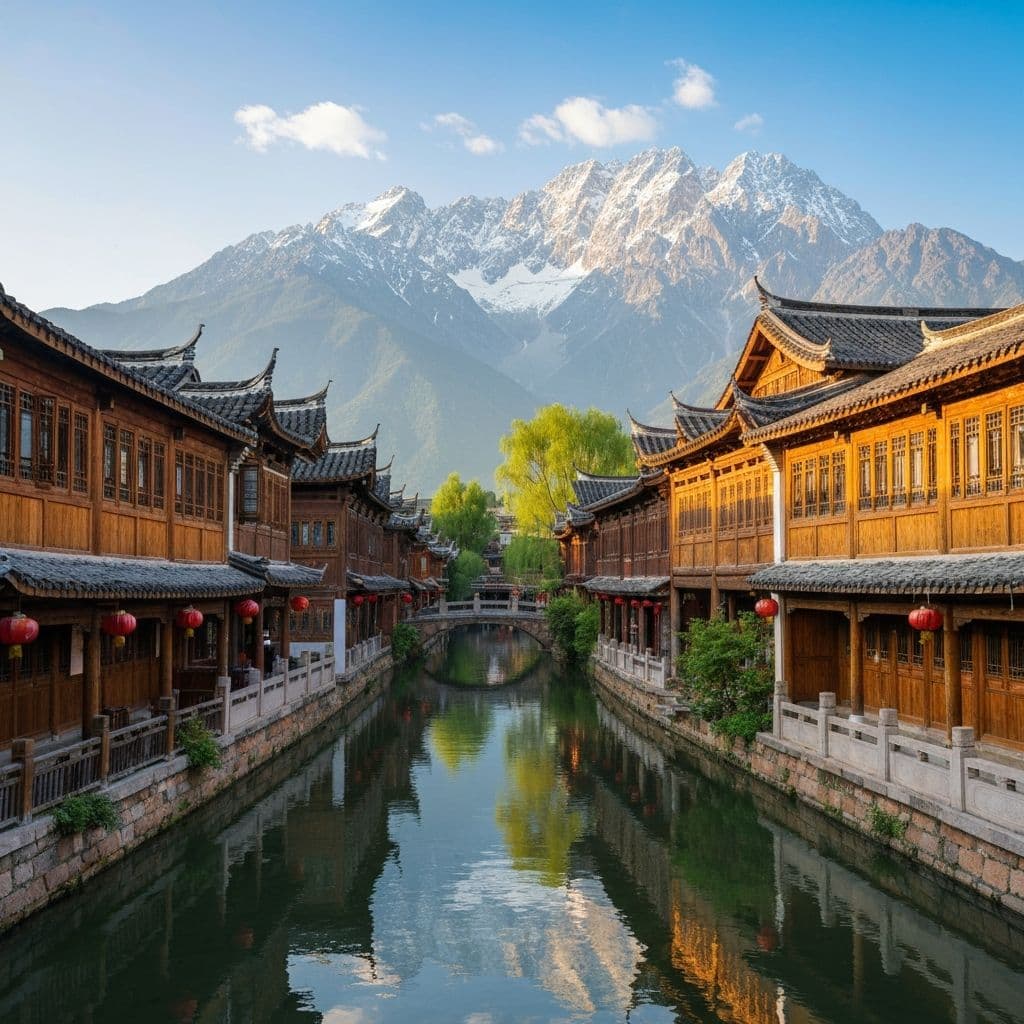
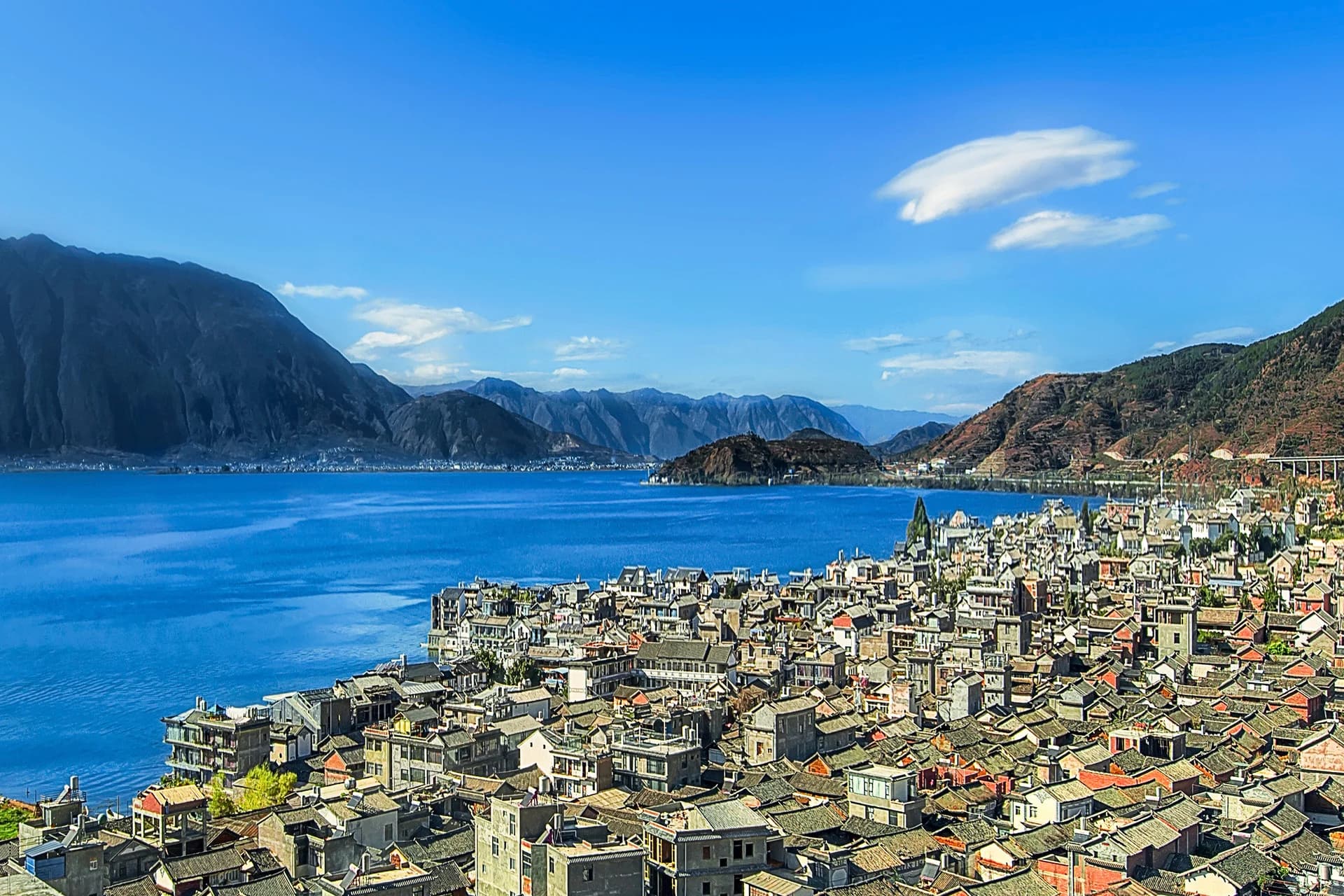
Nestled between the Cangshan Mountains and Erhai Lake, Dali is the ancient capital of the Bai ethnic minority. Its relaxed atmosphere, well-preserved old town, and stunning natural scenery have made it a favorite among travelers seeking a slower pace. Famous for its marble crafts, tie-dye textiles, and the Three Pagodas dating back over 1,000 years.
Top Highlights
Dali Old Town
Three Pagodas
Erhai Lake
Cangshan Mountains
Xizhou Village
Bai Tie-Dye Workshops
Must-See Attractions
6 attractions to explore in Dali

Dali Old Town
Built during the Ming Dynasty, Dali's ancient town retains its traditional grid layout with the Four Gates and Five Streets. White-walled Bai minority architecture with grey tile roofs lines the cobblestone streets. Huguo Road offers touristy shops and cafes, while the backstreets reveal local Bai life. The relaxed atmosphere has attracted travelers and artists for decades.
historical
Erhai Lake
Discover Erhai Lake with our travel guide to scenic views, cycling routes, nearby villages, and practical tips for planning an unforgettable Dali visit.
natural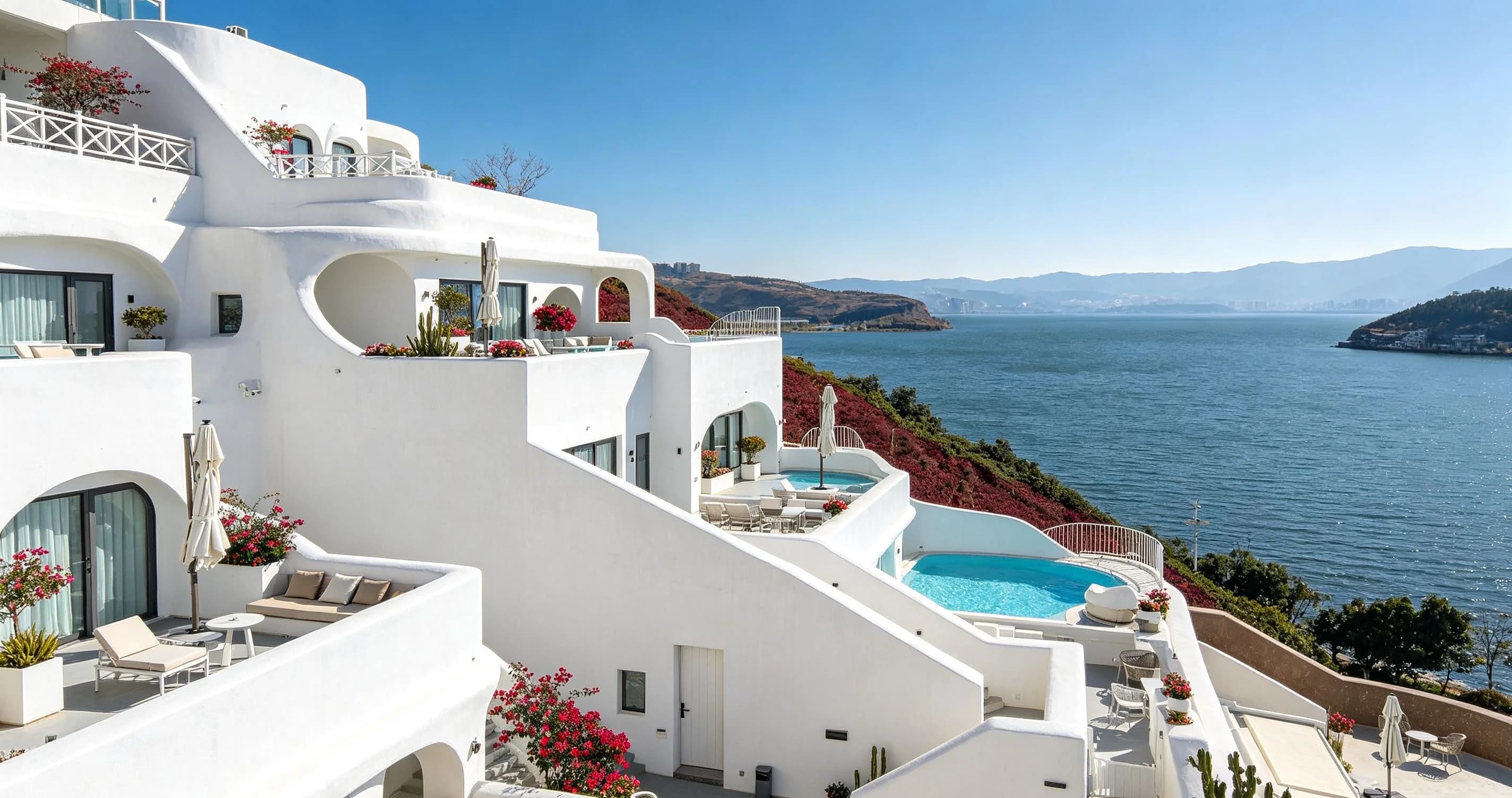
Ideal State
Ideal Land is a creative resort town that blends Mediterranean Santorini-style blue and white architecture with the scenery of Cangshan Mountain and Erhai Lake.
modern
Shaxi Ancient Town
A remarkably preserved tea horse road trading post, Shaxi feels like stepping back in time. The Friday market still draws Bai and Yi villagers from surrounding mountains, much as it has for centuries. Cobblestone streets, a 1000-year-old theater stage, and the ancient Xingjiao Temple create an authentic atmosphere largely untouched by mass tourism. A UNESCO restoration project has carefully preserved its heritage.
historical
Three Pagodas of Chongsheng Temple
Dali's most iconic landmark, these three Buddhist pagodas date back to the 9th century Tang Dynasty. The central pagoda stands 69.6 meters tall with 16 tiers, flanked by two smaller 10-tier pagodas. Built by the Nanzhao Kingdom, they survived multiple earthquakes that destroyed the original temple. The reflection in the pool at their base creates a famous photo opportunity.
historicalTrip Planning Guide
Dali is suitable for travelers who want to slow down their trip and find a balance between natural scenery and small-town life. Compared to cities with a faster pace and more densely packed attractions, Dali is more suitable for a leisurely, scenic, and light cultural experience trip. Who is Dali suitable for? Dali is especially suitable for the following types of travelers: · First-time visitors to Yunnan: Those who want to start with places that have relatively well-developed transportation and easily recognizable landscapes. · Couples or friends: Those who enjoy Erhai Lake, the ancient city, sunsets, cafes, and relaxed routes. Families: If you don't want a rushed long trip, Dali is more relaxing than strenuous mountain climbing or continuous city changes. · Long-term travelers/digital nomads: Dali is a place where many people will stay for several days. · Photography and landscape enthusiasts: Cangshan Mountain, Erhai Lake, villages, and highway scenery are all suitable for slow-paced photography. If travelers prefer dense historical sites, museums, and intense city exploration, Dali may not be the most "exciting" stop in Yunnan; however, if you want scenery, relaxation, and flexible routes, Dali is often a good choice. Recommended stay: Several days 2 days. Suitable for tourists with limited time who want to quickly see the core attractions. Generally covers: Dali Old Town; a section around Erhai Lake; one direction from Xizhou or Shuanglang; a short sunset/lakeside experience. 3 days. This is the most common and balanced itinerary. It allows for a more relaxed coverage of: Dali Old Town, major sections of the Erhai Lake loop, Xizhou, Shuanglang, a Cangshan-related activity, or a slower-paced village stop. Main Areas and Route Combinations A typical Dali itinerary can be understood based on several core areas: 1. Dali Old Town Area: Best suited for accommodation, dining, shopping, and serving as the central hub of the trip. Advantages here: well-developed infrastructure, easy for tourists to navigate, and convenient access to the foot of Cangshan Mountain and Erhai Lake. 2. West Side of Erhai Lake (Xizhou Line): Best suited for viewing fields, Bai ethnic villages, and experiencing a slow-paced rural atmosphere. 3. East Side of Erhai Lake (Shuanglang Line): Best suited for lake views, staying in scenic hotels, taking photos, and light, relaxing routes. 4. Cangshan Mountain Area: Best suited for adding some nature activities and mountain scenery. If travelers don't want to focus entirely on Erhai Lake, the Cangshan Mountain area offers a more complete and layered itinerary. How to combine it with surrounding destinations? Dali is rarely a standalone "sole destination"; it's more commonly combined with neighboring cities. Combining Dali with Lijiang, or Dali with Shangri-La, is ideal for those wanting to experience natural scenery, Tibetan culture, and high-altitude life all in one trip. If you'd like to experience a different Yunnan route, you could choose Dali + Tengchong/Baoshan. The best way to experience Dali isn't about visiting as many attractions as possible, but rather about creating a comfortable combination of the ancient city, Erhai Lake, villages, and Cangshan Mountain, tailored to the traveler's style. For most foreign tourists, around 3 days is often a safe bet: it allows them to see the core scenery without overly rushing the itinerary.
Food & Dining
Dali's cuisine is generally lighter and more refreshing than that of Chengdu and Chongqing, focusing on Bai ethnic flavors, Yunnan ingredients, and a relaxed, slow-paced lifestyle. If it's your first time in Dali, don't overcomplicate your dining plans; just focus on a few representative local dishes. Must-Try Foods 1. Clay Pot Fish A representative local dish of Dali, typically made by stewing fish, tofu, and vegetables together, resulting in a fresh and fragrant flavor. Where to eat: Bai ethnic restaurants in Dali Old Town and around Erhai Lake; approx. 68-128 RMB/serving. 2. Milk Fan (乳扇) One of the most recognizable snacks in Dali, made with milk, it can be baked or fried, and is often served with rose jam. Where to eat: Dali Old Town, Xizhou Ancient Town, snack stalls; approx. 10-25 RMB/serving. 3. Ersi/Erkuai (饵丝/饵块) A common rice-based staple food in Yunnan, suitable for breakfast or a light lunch. Where to eat: Breakfast shops, local noodle shops, street restaurants; approx. 12-25 RMB/serving. 4. Bai Ethnic Sour and Spicy Fish A very distinctive local dish, with a milder sour and spicy flavor than Sichuan and Chongqing dishes, emphasizing the freshness of the fish. Where to eat: Bai ethnic cuisine restaurants, restaurants along Erhai Lake, approximately 58-118 yuan per serving 5. Flower Cakes A very common Yunnan dessert souvenir, with a rose fragrance. Where to eat: Pastry shops in the old town, specialty shops, approximately 8-20 yuan per cake or serving Where is the most convenient place to eat? Dali Old Town: Best for first-time visitors, with many options and easy access to eat while exploring. Xizhou Ancient Town: Better for experiencing Bai ethnic cuisine. Erhai Lake Area: Better scenery, but usually more expensive.
Getting There & Around
Dali is not particularly difficult to reach overall, and it's more suitable for a slower pace of travel than many large cities. For first-time visitors to Yunnan, the key issue isn't how complicated the transportation is, but rather where to stay and how to allocate time between the old town, Erhai Lake, and surrounding villages and towns. How to get to Dali? 1. By plane Usually arrive at Dali Fengyi International Airport. From the airport to Dali Old Town, it usually takes about 40-60 minutes. Taxi/Didi: Approximately 40-80 RMB Airport bus/shuttle: Usually cheaper, but less flexible in terms of schedule. 2. High-speed rail If you're coming from popular Yunnan cities like Kunming or Lijiang, high-speed rail is usually a convenient option. Upon arrival, you'll generally travel from Dali Station to the Old Town or the area around Erhai Lake. Dali Station to the Old Town: Approximately 30-50 minutes Taxi/Didi: Approximately 20-60 RMB What's the most convenient way to get around locally? 1. Didi/Taxi: Dali doesn't have a strong subway system like first-tier cities, so taxis and Didi are the most common and hassle-free options. Short trips within the Old Town: Approximately 10-30 RMB From the Old Town to locations around Erhai Lake: Approximately 30-80 RMB From the Old Town to Xizhou/Shuanglang: Usually more expensive 2. Chartered Car/Carpooling/Self-Driving: If you want to visit multiple locations around Erhai Lake, Xizhou, Shuanglang, or even further afield, chartering a car, self-driving, or carpooling is usually more convenient than repeatedly taking taxis. 3. Electric Bike/Bicycle: If you're only staying around the Old Town or within a short distance of Erhai Lake, electric bikes and bicycles are also common. Suitable for a slower pace and good weather. Practical Tips For first-time visitors to Dali, staying in the Old Town or the Haixi area with convenient transportation is usually more convenient. If you're visiting multiple places in a day, planning ahead along convenient routes will save you more time than deciding on the spot. Dali is more suitable for leisurely travel and not for a high-density rush.
Frequently Asked Questions
Is it really necessary to circle the entire Erhai Lake on my first trip to Dali?
Not necessarily. A complete loop around the sea sounds classic, but for many first-time visitors, the more comfortable approach is to choose a few sections that are convenient, scenic, and have a relaxed pace to explore at their own pace, rather than turning the day into a rush in order to "completely check off" all the sights.
Is it better to stay in the old town or by Erhai Lake in Dali?
If it's your first time visiting, it's generally recommended to stay near Dali Old Town or in the Haixi area, which is easily accessible. Staying in the Old Town makes it easier to find places to eat and plan your itinerary; staying by Erhai Lake is more suitable for those who want a slower pace and a more vacation-like experience. The key isn't "which is more upscale," but rather whether you prefer more convenience or a quieter atmosphere.
Is Dali suitable for solo travelers?
It's a great destination. Dali is generally friendly to solo travelers, with a slow pace, plenty of space to linger, and perfect for walking, coffee drinking, cycling, and short trips. For many solo travelers, it's easier to get into the swing of things than a high-intensity city.
What are the most worthwhile places to visit in Dali?
For first-time visitors to Dali, the usual priorities are Dali Old Town, Erhai Lake, Xizhou Island, Shuanglang, and Cangshan Mountain. If time is limited, it's not necessary to include all these places in the same itinerary; choosing a few classic spots along the way is usually more convenient.
Is Dali suitable for couples or slow travel?
Absolutely. Dali itself has a relaxed pace, perfect for walking, cycling, sightseeing, and staying for two nights or more, making it ideal for couples, friends, and short vacations.
Quick Info
- Region
- north China
- Best Time to Visit
- March to April, September to November
- Suggested Duration
- 3 days
Weather & Climate
Monthly climate overview for Dali
Jan2°–15°C12mm
Feb3°–17°C15mm
Mar6°–20°C20mm
Apr10°–24°C35mm
May14°–26°C65mm
Jun17°–27°C140mm
Jul18°–27°C220mm
Aug17°–26°C210mm
Sep15°–25°C90mm
Oct11°–22°C40mm
Nov6°–19°C20mm
Dec3°–16°C15mm
Best time to visit
March to April, September to November
Plan Your Trip
Need help planning your Dali itinerary? Get personalized travel advice from our team.
Contact Us