historicalDali
Xizhou Ancient City
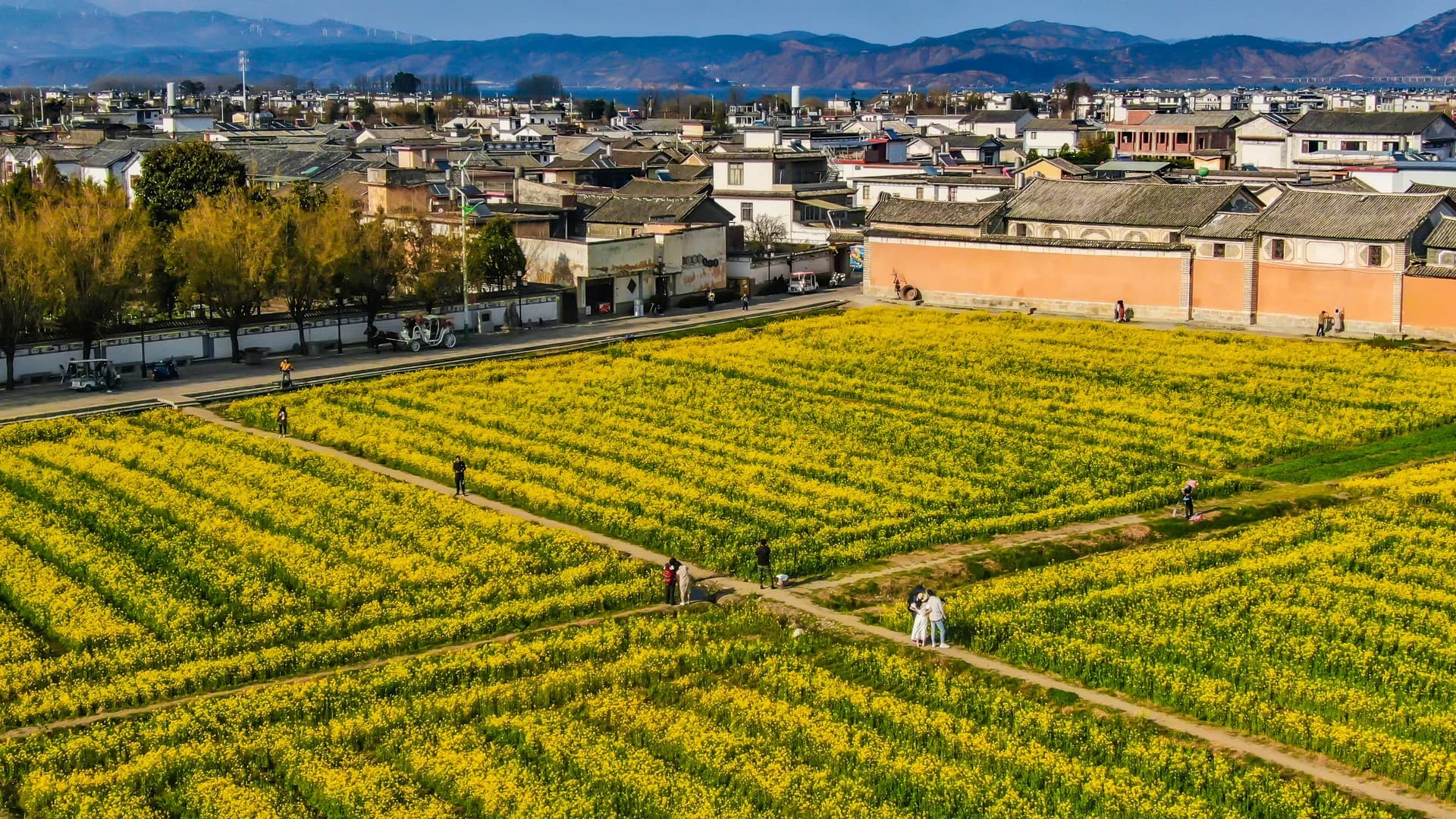
Xizhou Ancient City is a charming heritage town near Dali, celebrated for its well-preserved Bai architecture, traditional courtyards, and relaxed local atmosphere. Strolling through its old streets, visitors can discover historic residences, lively markets, regional cuisine, and a deeper look into Bai culture and everyday life in western Yunnan.
Opening Hours
Open all day
Ticket Price
Free(Yan Family Courtyard within the park: ¥25; Miniature train: ¥25)
Location
No. 130 Qingzhen Road, Dali City, Dali Bai Autonomous Prefecture, Yunnan Province
Overview
Xizhou Ancient Town is the oldest and best-preserved Bai ethnic architecture town in Dali, boasting a history of over a thousand years. Characterized by the traditional Bai residential style of "three courtyards and one screen wall" and "four courtyards and five patios," it features exquisite architecture, a tranquil atmosphere, and is more pristine than Dali Ancient Town. Suggested visit time: 2.5–3 hours. Best times to visit: 7:30–10:00 AM and 4:00–6:30 PM, when there are fewer tourists and the lighting is soft, perfect for photography. The best seasons are March–May and September–November, when the weather is comfortable and the rural scenery is beautiful. Visitors can stroll along the ancient streets, visit the Yan Family Courtyard to learn about Bai culture, take photos of the popular corner tower and yellow ancient walls, experience Bai tie-dyeing, and taste the local specialty, Xizhou Baba (a type of pancake). The surrounding rice paddies and field trails are perfect for leisurely exploration.
How to Get There
From Dali Old Town: Take a minibus/rural passenger bus directly to Xizhou from outside Cangshan Gate. The fare is 7-10 yuan, and the journey takes 30-40 minutes, arriving directly at the entrance of the old town. A taxi or ride-hailing service costs about 30 yuan and takes about 25 minutes. Renting an electric bicycle takes about 1 hour, offering scenic views of Erhai Lake and the surrounding countryside. From Dali Station (Xiaguan): Take bus No. 8 to Dali North Bus Station, then transfer to a bus to Xizhou. The fare is 8-10 yuan, and the journey takes about 1 hour. Recommended Itinerary: Zhengyi Gate Entrance → Sifang Street Center → Yan Family Courtyard → Ancient Alley Residences → Popular Corner Tower → Xilin Garden Yellow Wall → Surrounding Rice Paddy Landscape → Old Town Exit. The entire route is on foot, with a smooth and direct path.
What to Expect
The ancient town of Xizhou is primarily characterized by smooth stone-paved walkways with minimal stairs, making it convenient for passengers with luggage, wheelchairs, or strollers. The town boasts well-equipped amenities, including Bai ethnic restaurants, cafes, specialty snack shops, tie-dye workshops, souvenir shops, and creative cultural stores. Public restrooms are plentiful, evenly distributed, and mostly clean and tidy. Road signs are clear, and some shops and attractions have simple English signage. The overall pace is slow, the level of commercialization is moderate, and the environment is quiet and comfortable, making it ideal for a leisurely stroll.
Practical Tips
- 1Best times to take photos: 8-10 am and 4-6 pm, when the light is soft and there are fewer people.
- 2Xizhou Baba comes in both savory and sweet varieties; I recommend trying the time-honored "Suxiangyuan" brand.
- 3For a more immersive experience, consider staying overnight in a guesthouse to enjoy the deserted streets of the ancient town in the early morning.
- 4Sunscreen is essential! The UV rays are strong in Dali, so hats and sunglasses are a must.
Share This Attraction
Found this helpful? Share it with fellow travelers!

Explore Dali
Discover more attractions, food, and travel tips for Dali.
View destination
More Attractions to Explore
Dali·historical
Dali Old Town
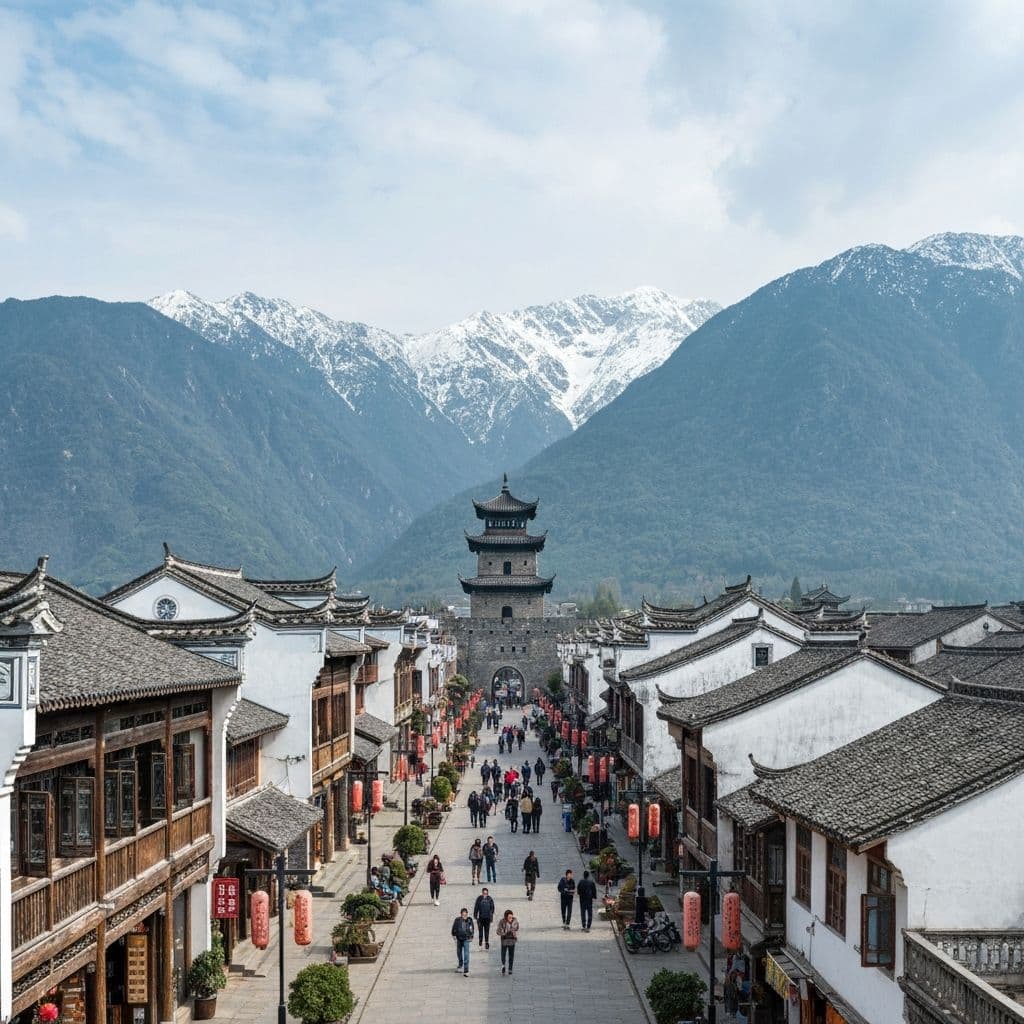
Built during the Ming Dynasty, Dali's ancient town retains its traditional grid layout with the Four Gates and Five Streets. White-walled Bai minority architecture with grey tile roofs lines the cobblestone streets. Huguo Road offers touristy shops and cafes, while the backstreets reveal local Bai life. The relaxed atmosphere has attracted travelers and artists for decades.
Dali·historical
Shaxi Ancient Town
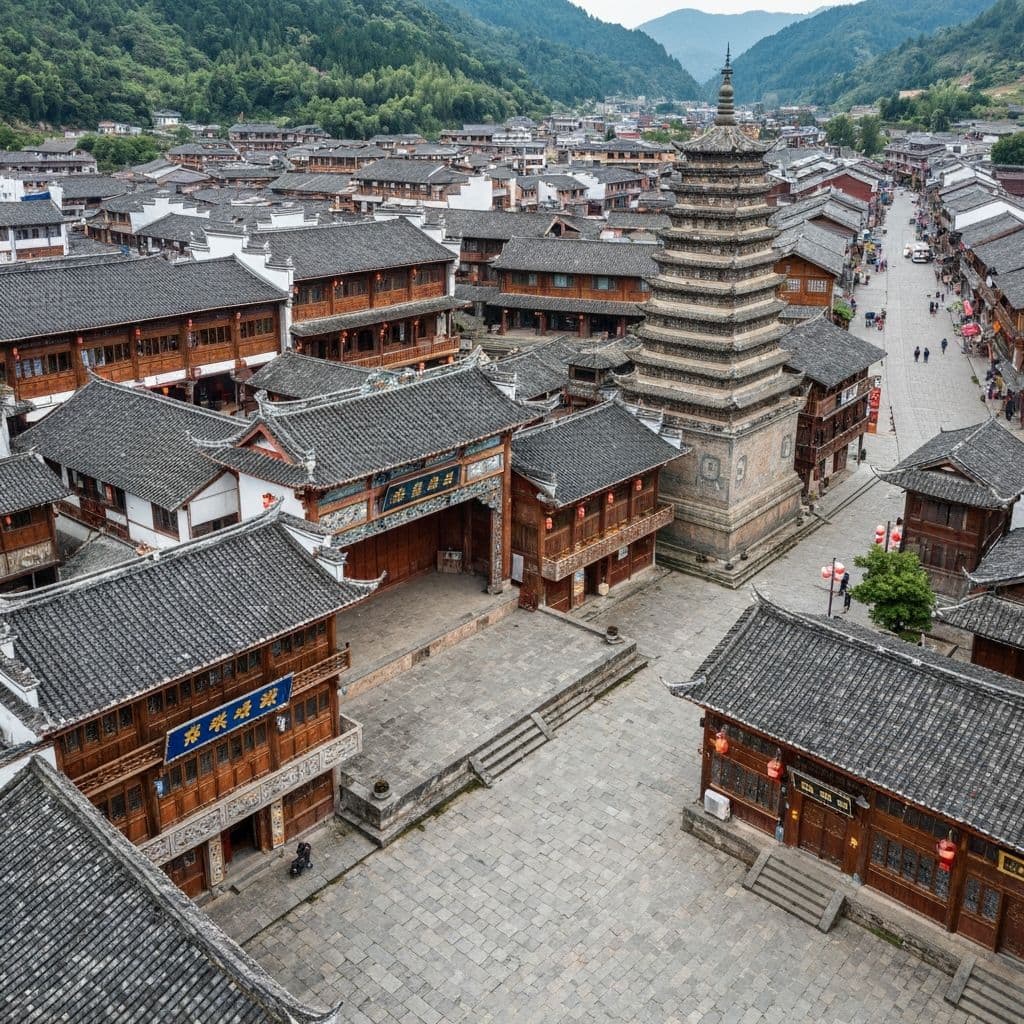
A remarkably preserved tea horse road trading post, Shaxi feels like stepping back in time. The Friday market still draws Bai and Yi villagers from surrounding mountains, much as it has for centuries. Cobblestone streets, a 1000-year-old theater stage, and the ancient Xingjiao Temple create an authentic atmosphere largely untouched by mass tourism. A UNESCO restoration project has carefully preserved its heritage.

Dali·historical
Three Pagodas of Chongsheng Temple
Dali's most iconic landmark, these three Buddhist pagodas date back to the 9th century Tang Dynasty. The central pagoda stands 69.6 meters tall with 16 tiers, flanked by two smaller 10-tier pagodas. Built by the Nanzhao Kingdom, they survived multiple earthquakes that destroyed the original temple. The reflection in the pool at their base creates a famous photo opportunity.