
Being completely unfamiliar with Chinese opera is, in fact, the best possible starting point. You don’t need to do any homework beforehand, nor do you need to understand every single word. Simply immerse yourself in the experience: the sudden crash of gongs and drums, the fluid sweep of a performer’s "water sleeves," or the lightning-fast transformation of a mask—the impact of these moments transcends language. This guide will introduce you to some of the more common forms of Chinese opera and show you where to find authentic, raw, and compelling performances.
Get a quick overview of a few types
There are over 300 regional theatrical genres in China; there’s no need to try to take in too many at once when you’re just starting out. The following options are quite accessible, and you are most likely to find live performances of them in their respective home regions:
Peking Opera: The form of Chinese traditional theater most familiar to Western audiences, renowned for its elaborate facial makeup, martial arts sequences, and stylized physical movements.
(It also offers the most well-developed options for performances with English subtitles, catering to international audiences.)
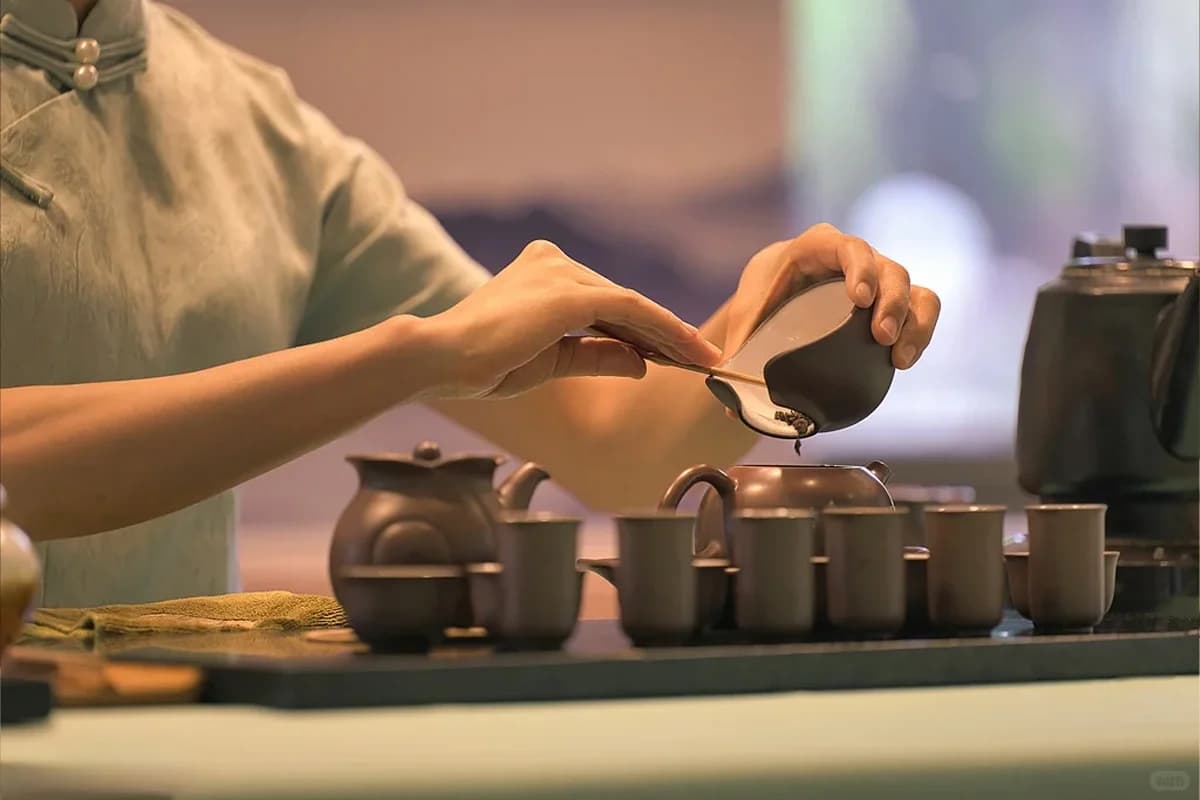
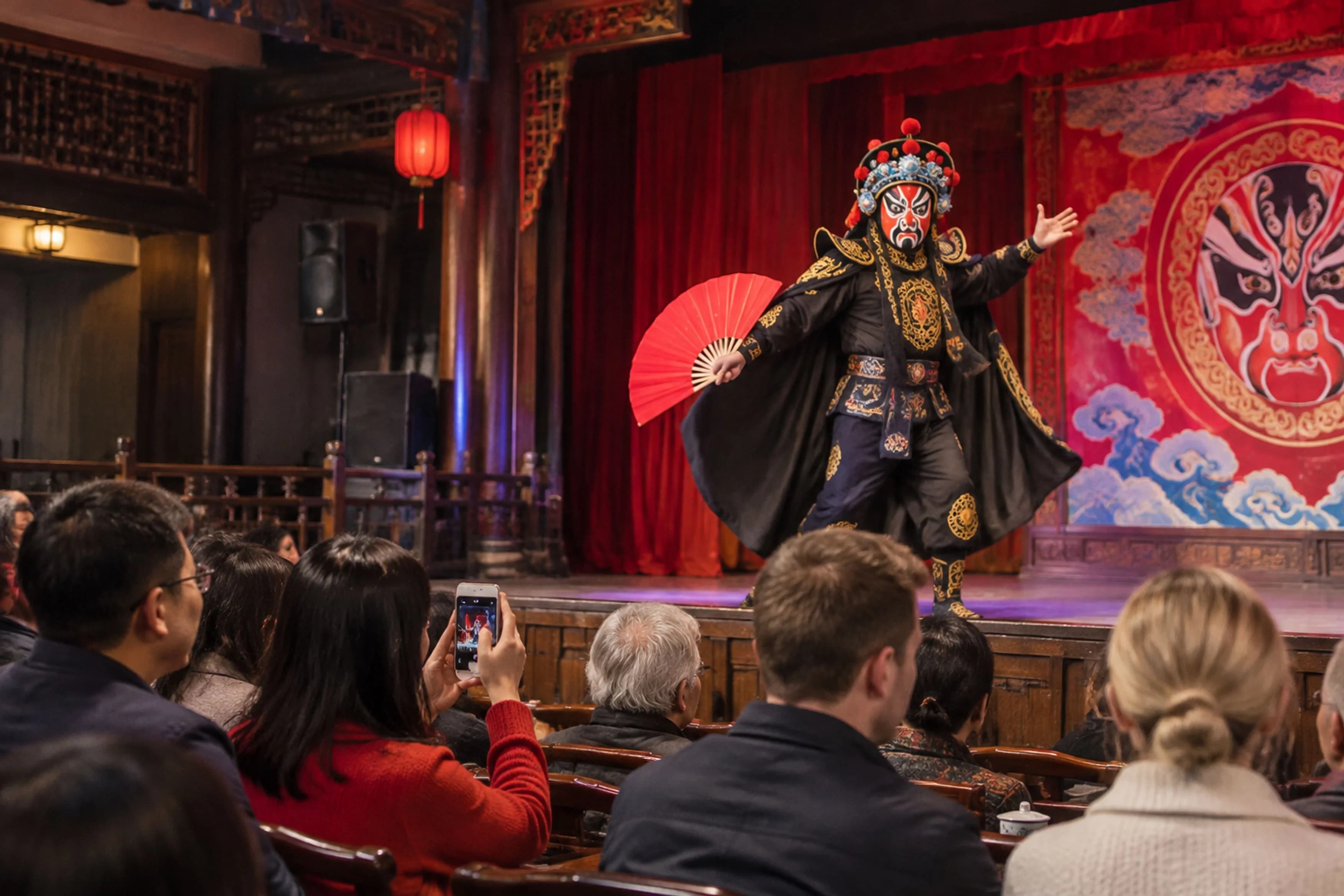
Sichuan Opera’s "Face-Changing": "Face-changing" has become a distinct, recognizable feature of Sichuan Opera on overseas social media. While it is the art form’s signature technique, Sichuan Opera encompasses much more—performances often also feature fire-spitting, hand shadows, the "rolling lamp" (balancing a lit oil lamp on one’s head), and the intricate, acrobatic art of tea-pouring.
Kunqu: One of the oldest extant forms of Chinese traditional opera, renowned for its flute accompaniment, the refined "water-polished" vocal style (*shuimo qiang*), and an aesthetic sensibility rooted in the traditions of the literati.
"Masterpieces of the Oral and Intangible Heritage of Humanity," as recognized by UNESCO
Cantonese Opera: Inscribed on the UNESCO Representative List of the Intangible Cultural Heritage of Humanity in 2009, it is also the most familiar traditional performing art form within overseas Chinese communities.
Peking Opera
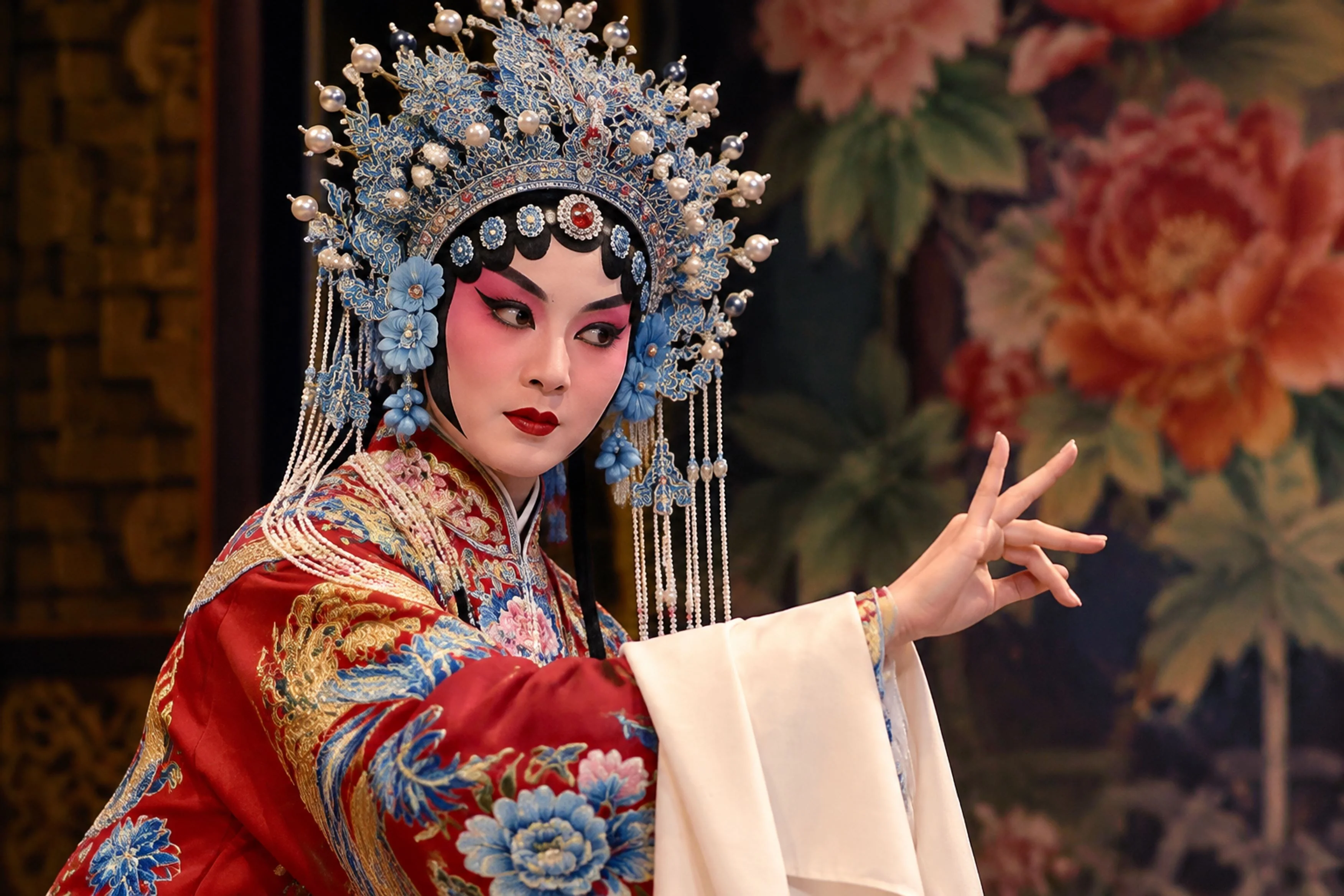
What makes Peking Opera most worth watching is how it integrates singing, recitation, stylized movement, and martial arts into a single performance. It possesses an inherently powerful visual and emotional impact; even if you cannot understand the lyrics, you can still engage with the plot through the performers' movements, costumes, facial makeup, and the accompaniment of gongs and drums.
Where to watch:
Liyuan Theatre: The top choice for first-time international visitors. Each performance features English subtitles on side screens and lasts 75 minutes—a condensed, high-impact version of the show. Ticket prices range from 180 to 580 RMB.
Huguang Guild Hall: One of the few remaining 200-year-old traditional theaters in Beijing, the venue itself is a sight to behold. Dating back to 1807, this historic theater—with its lanterns, square tables, and tea service—offers an atmosphere that far transcends the stage production itself.
Tianleyuan Grand Theater: Offers a unique experience where actors apply their stage makeup right in front of the audience; visitors can also try on traditional opera costumes for photos and learn classic Peking Opera gestures.
For a first-time viewer, The Crossroads (*Sancha Kou*), The Women Generals of the Yang Family, or Farewell My Concubine are better entry points: they feature exciting martial arts, vivid characters, and very direct emotional expression.
Kunqu Opera
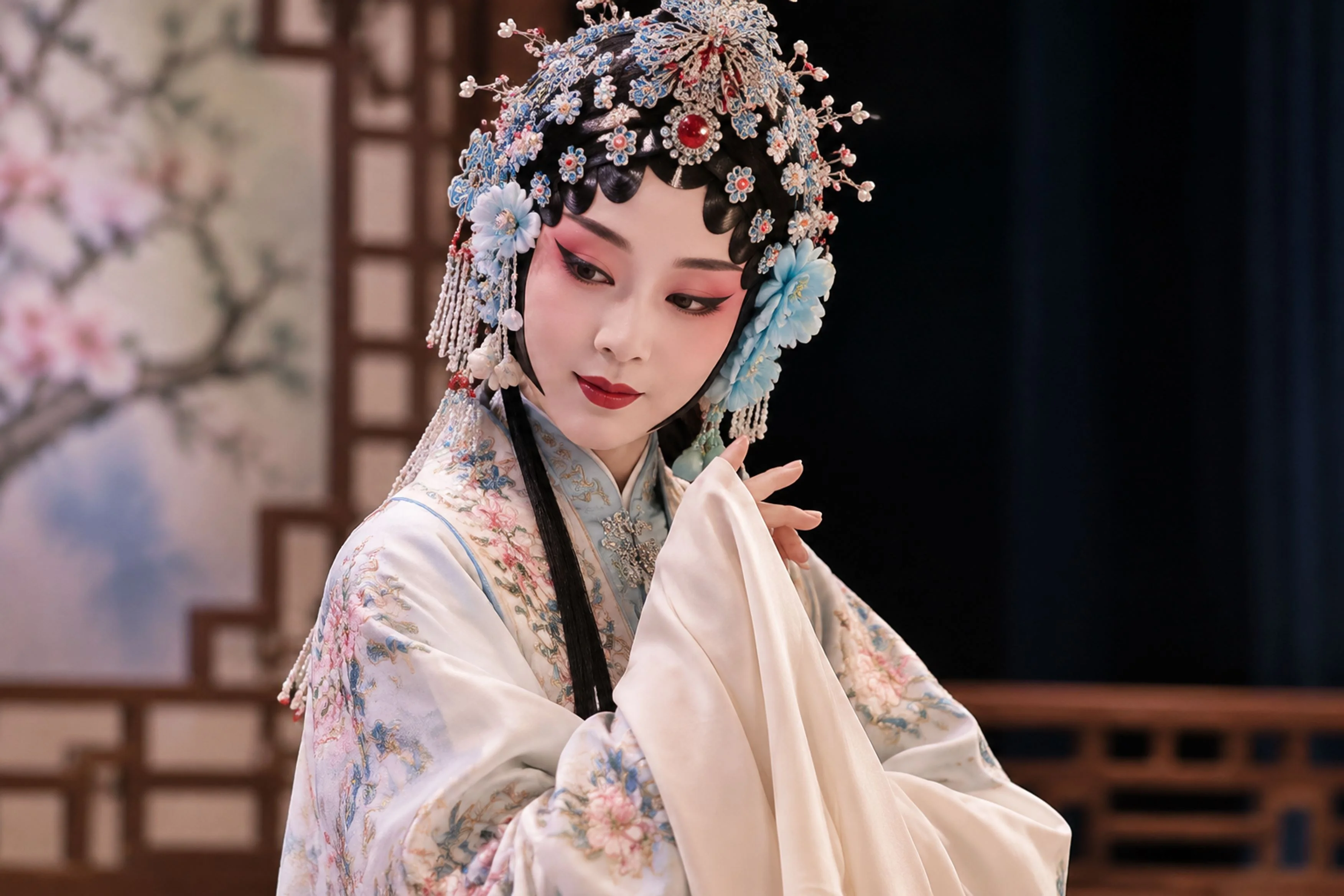
Kunqu opera’s rhythm is slower than that of Peking opera, and its vocal style is more refined—or "literary"—than that of Sichuan opera. Its charm lies not in high-pitched notes or spectacular stunts, but in the sustained, unbroken flow of a single breath and the restrained grace of a subtle turn. If you are willing to devote an evening to it, Kunqu will offer you an experience that comes closest to "immersive poetry" within the realm of traditional Chinese theater.
Where to watch:
Suzhou Kunqu Opera Theatre of Jiangsu Province: Houses the Suzhou Kunqu Training and Research Institute,This is the quintessential example of a garden-based immersive performance. Seated amidst the pavilions, terraces, and covered bridges of a traditional Jiangnan-style garden, the audience watches as the performers move through the space—with the scenery shifting alongside them—creating a deeply immersive visual experience. The garden-set production of A Dream in the Garden (*Youyuan Jingmeng*).
Kunshan Contemporary Kunqu Opera Theatre: Here, you can try on authentic Kunqu opera costumes, craft your own Kunqu-style theatrical masks, and even learn specific stage movements and gestures from the performers themselves.
For a deeper dive into various forms of traditional Chinese theatre, visit the Kunshan Museum of Chinese Traditional Operas—the first museum in China dedicated to documenting all 348 distinct theatrical genres.
Sichuan Opera Face-Changing
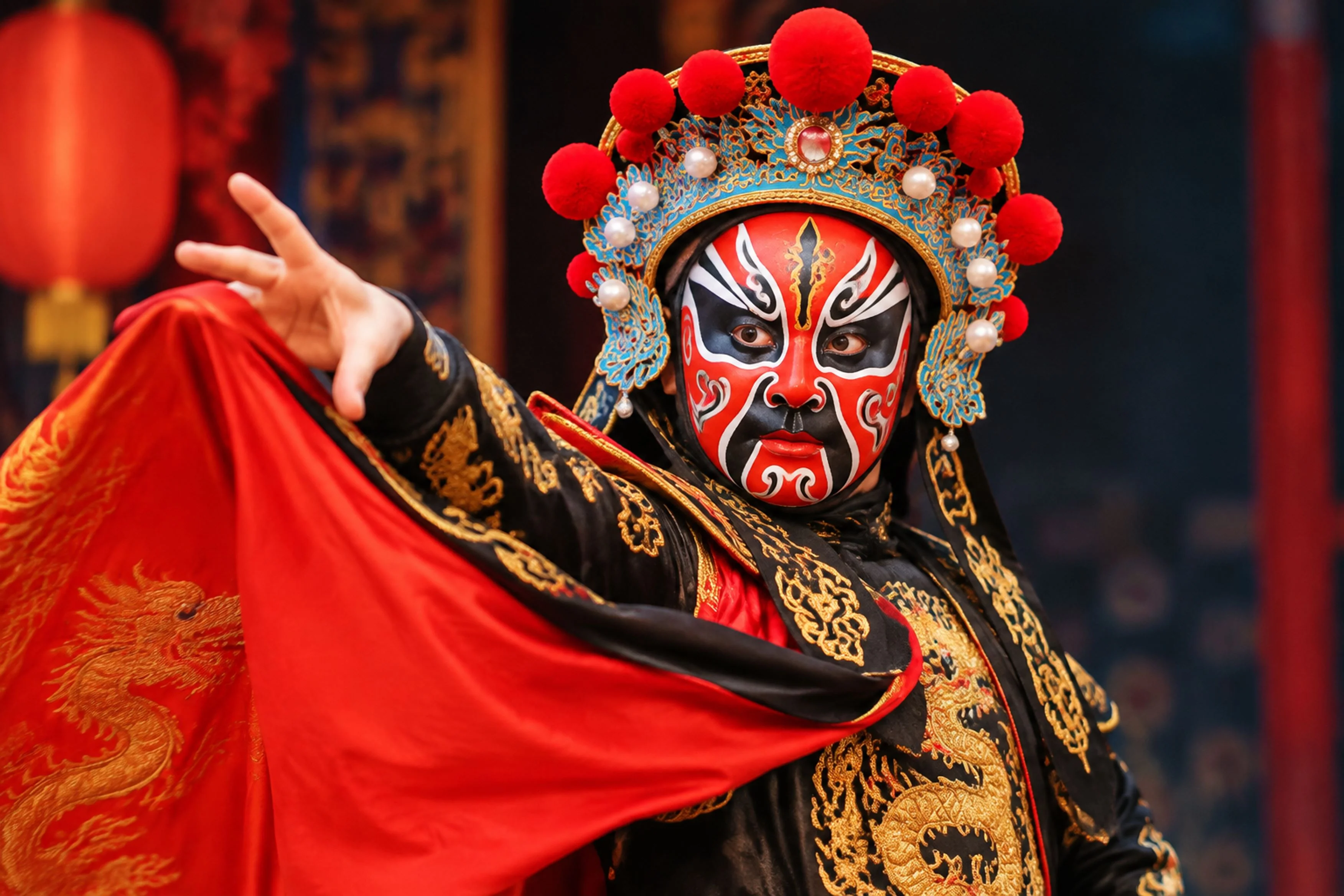
The true charm of bian lian (face-changing) does not lie on a screen, but in the moment a performer steps right before you—with a flick of a sleeve, their mask instantly transforms. Teahouse theaters in Chengdu and Chongqing have preserved this intimate style of performance, one imbued with the fragrance of tea and the sound of laughter.
Chengdu
Furong Quintessence : The performance lasts approximately 70 minutes and begins daily at 20:00. Structured as a complete five-act play, it weaves together various elements of Sichuan Opera—including its five distinct vocal styles, "water-sleeve" (flowing sleeve) movements, martial arts sequences, hand-shadow puppetry, the "rolling lamp" (balancing a lit oil lamp on the head) act, and the iconic "face-changing" technique—into a cohesive narrative.
Shufeng Yayun: Located on Qintai Road within Cultural Park, this courtyard-style theater offers an authentic teahouse atmosphere, complete with bamboo chairs, lidded teacups, and live musical accompaniment. The troupe includes inheritors of intangible cultural heritage, with performances such as "face-changing" (bianlian), hand-shadow puppetry, and the "rolling lamp" (gun deng) act featured as distinct, standalone segments.
Liyuan Teahouse: Performers step off the stage to interact closely with the audience, and complimentary covered-cup tea and snacks are provided—a feature that has been very well received by young people and families with children.
Tickets can be purchased via third-party platforms (such as Trip.com or the WeChat mini-program).
Chongqing
Chongqing Sichuan Opera Theater: Witness classic, specialized performances such as "face-changing" (bianlian) and fire-spitting. Afterward, you can explore the adjacent Sichuan Opera Museum, where you can try on traditional opera costumes and learn signature operatic gestures and movements.
Huguang Guild Hall: Enjoy a performance while sipping tea from a lidded bowl (gaiwan) in front of a historic stage that has stood for centuries—an incredibly immersive experience. The program features acts like long-spout teapot performances, Sichuan opera face-changing, and fire-spitting, with opportunities for close-up interaction with the performers.
Cantonese opera
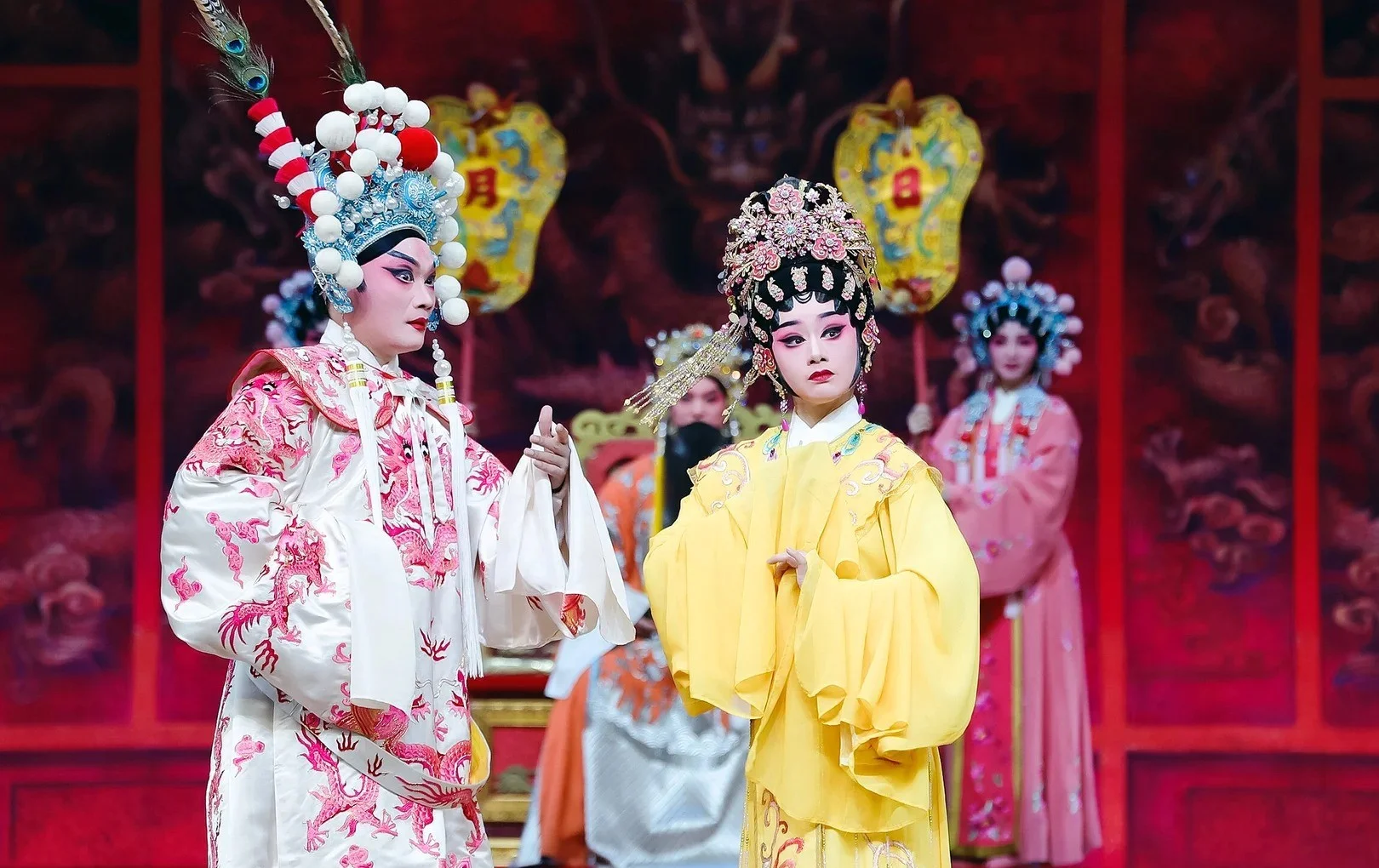
Cantonese opera emphasizes four core elements: singing, acting, reciting, and martial arts. It features both the delicate, fluid movements of "water sleeves" and intense, full-contact combat sequences. Even if you do not understand the language, the physical actions, percussive music, and facial expressions are easy to follow and interpret.
Where to watch:
Guangzhou: The richest experience
Guangdong Cantonese Opera Art Center: Located at 703 Dongfeng East Road, Yuexiu District, this is the home base of the Guangdong Cantonese Opera Theatre. It frequently stages classic works such as Princess Changping (*Di Nü Hua*); it is the premier destination for those wishing to experience authentic, traditional Cantonese opera.
The Cantonese Opera Art Museum (Guangfu Stage): Located at No. 127 Enning Road, Liwan District, adjacent to Yongqingfang. The garden features a pure wooden stage overlooking the water, where excerpts from Cantonese opera are performed weekly. Listening to the music across the water is a very pleasant experience. The museum is free to enter.
Hong Kong: The Most Internationalized Facilities
Xiqu Centre, West Kowloon Cultural District: Located in the West Kowloon Cultural District in Kowloon, this is Hong Kong’s first landmark venue dedicated to xiqu (Chinese traditional theatre). The Grand Theatre and the Tea House Theatre frequently host Cantonese opera performances, complete with both Chinese and English subtitles—making them highly accessible to international visitors and those new to the art form.
In addition to the performances mentioned above, China also has: Yue opera, Yu opera, Huangmei opera, and Ping opera.
Chinese traditional opera is incredibly rich and diverse; if you would like to learn more about it, you can check out the following: Chinese Opera: From Singing, Recitation, Acting, and Martial Arts to Life as a Play
Frequently Asked Questions
Q1: I don’t know Chinese—will I be able to follow along?
Yes. You can understand the story through the movements and singing styles inherent to the performance itself. Some venues also provide English-language aids.
Q2: Am I allowed to take photos or record videos?
The use of flash is generally prohibited during the performance; the "face-changing" and fire-spitting segments are particularly sensitive to camera flashes.
Q3: How do I purchase tickets? How far in advance should I book?
The most convenient options are Trip.com, Klook, or GetYourGuide; these platforms offer English-language interfaces, allow bookings using your passport, and often provide free cancellation for certain time slots.
Q4: What should I wear?
Formal attire is not required. All the venues recommended above are tourist-friendly theaters; "smart casual" is perfectly appropriate.
Note: This article provides general cultural guidance. Individual experiences may vary. Always approach cultural learning with an open mind.