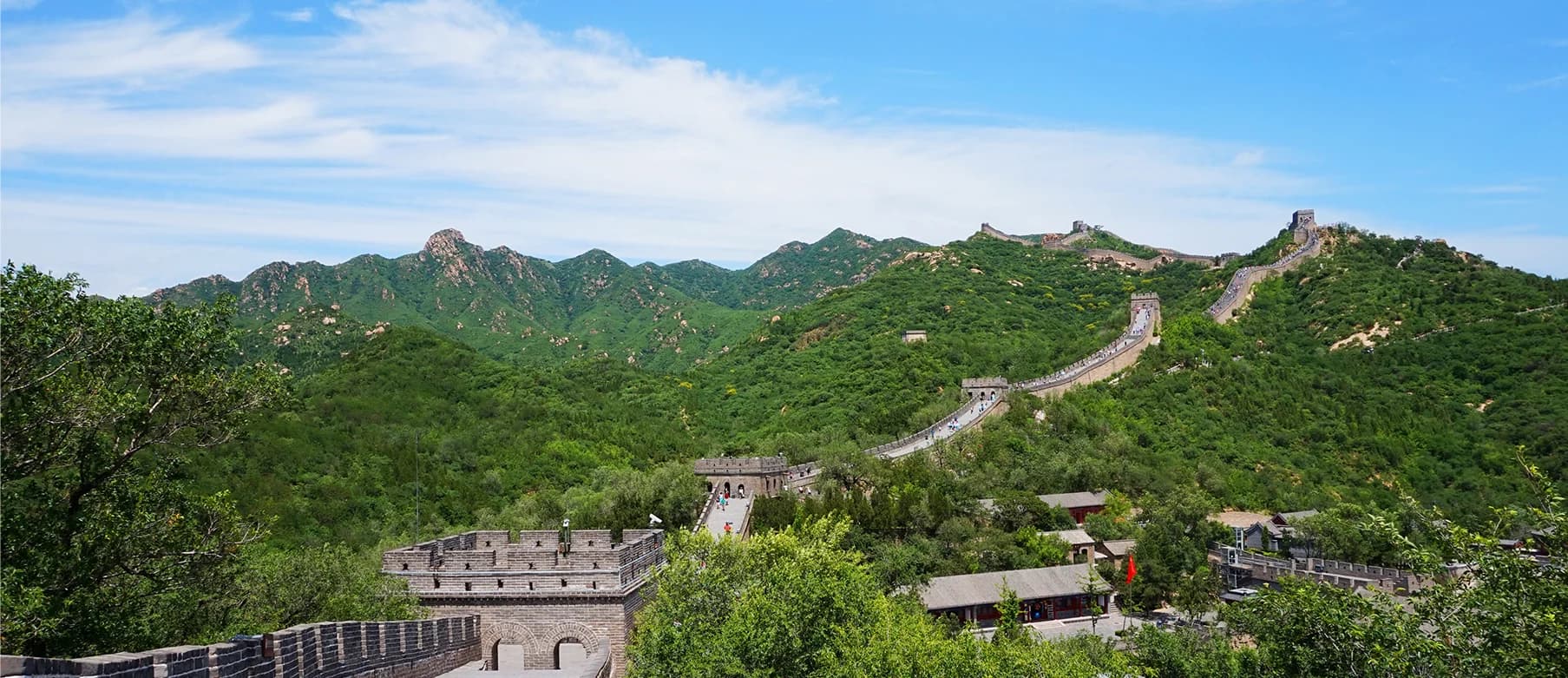

If your impression of the Great Wall is still limited to the crowded section outside Beijing, then you've only seen a small page in its long history. The real Great Wall stretches from the Gobi Desert of Gansu to the dense forests and coast of Liaoning, spanning fifteen provinces and municipalities. It is a complex defensive system composed of walls, beacon towers, passes, and moats, and also a cultural corridor connecting history and landscape.
I. Gansu: The starting point of the Great Wall, a silent guardian of the Gobi Desert and snow-capped mountains.
Who is it suitable for: Travelers who enjoy desolate beauty, are interested in the history of the Silk Road, and don't mind sandstorms.
Best time to visit: May–June, September–October (avoid extreme heat and cold winter).
Gansu is the westernmost point of the Ming Dynasty Great Wall and also the section with the most "frontier feel" in the entire Great Wall system. The walls here are not made of bricks, but are constructed using rammed earth, red willow, reeds, and sand—a testament to the ingenuity of Han Dynasty border guards in the face of resource scarcity.
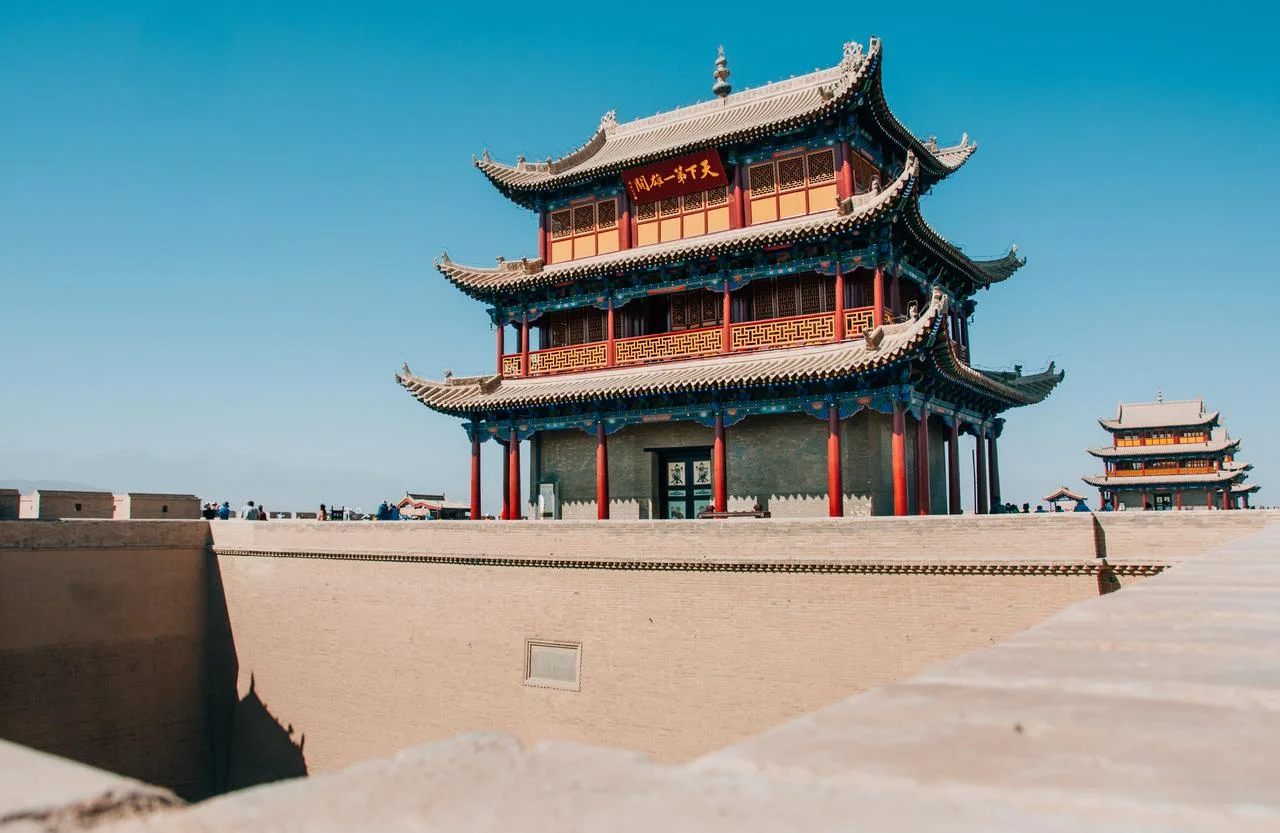
Jiayuguan: Known as the "First Pass Under Heaven." It's not like a simple pass, but more like a small city. Standing on the watchtower, you can see the stark contrast between the snow-capped peaks of the Qilian Mountains and the yellow Gobi Desert. Inside the pass, there's also a stage for traditional operas and a temple dedicated to Guan Yu, worth spending half a day exploring at a leisurely pace.
The Overhanging Great Wall: Built on an almost vertical hillside, it looks like a stone chain hanging from the cliff face from a distance. Climbing it is quite a test of leg strength, but the view of the Gobi plain from the top is well worth it.
The Han Dynasty Great Wall of Dunhuang: Older and more primitive than the Ming Dynasty Great Wall. It lacks the brick and stone cladding, only the outline of earthen walls eroded by wind and sand. It's recommended to hire a local guide; otherwise, you might miss the layers of red willow hidden within the earthen walls.
Practical tips: The train journey from Lanzhou to Jiayuguan takes approximately 4-5 hours. For the Dunhuang section, hiring a car is recommended, as there aren't many supply points along the way; bring water and a windproof jacket.
II. Ningxia and Inner Mongolia: "Great Wall Museums" Between the Desert and the Grassland
Who is it suitable for: Photography enthusiasts, those who enjoy open landscapes, and those curious about the historical evolution of the Great Wall.
Best season: May–June, September (avoid the sweltering heat of July–August).
Ningxia is known as the "Great Wall Museum," not because of a single building, but because it preserves Great Wall remains from various periods, from the Warring States period to the Ming Dynasty. Unlike Jiayuguan, these remains are not as complete, but rather more primitive and authentic.
The Great Wall of Ningxia (such as the sections in Yanchi and Lingwu): Much of the wall has collapsed into earthen mounds, but its direction is still discernible. The most enchanting time is at dusk, when the setting sun bathes the earthen walls in gold, with no tourists around, only the wind.
The Great Wall of Inner Mongolia (such as the areas around Baotou and Urad Front Banner): Here, the Han Dynasty Great Wall overlaps with the grasslands and pastures. The walls are low, but they create a minimalist scene against the backdrop of blue skies, white clouds, and flocks of sheep. If you enjoy camping, you can bring a tent and spend the night nearby (be mindful of respecting the boundaries of the herders' pastures).
III. Shaanxi: A Matrix of Beacon Towers on the Loess Plateau
Suitable for: Travelers interested in ancient military communication systems and those who enjoy the combination of geology and culture.
Best season: April–May, September–October (Hot and dry summers on the Loess Plateau)
The Great Wall in Shaanxi is not known for its "walls," but rather for its beacon towers. Standing on high ground, one beacon tower after another stretches along the mountain ridge, like a string of silent sentinels.
Zhenbeitai: Located on the outskirts of Yulin City, it is the largest beacon tower on the Ming Dynasty Great Wall, known as the "First Tower of the Great Wall." The tower is square and four stories high; you can climb to the top for a 360-degree panoramic view of the loess plateau's gullies and villages.
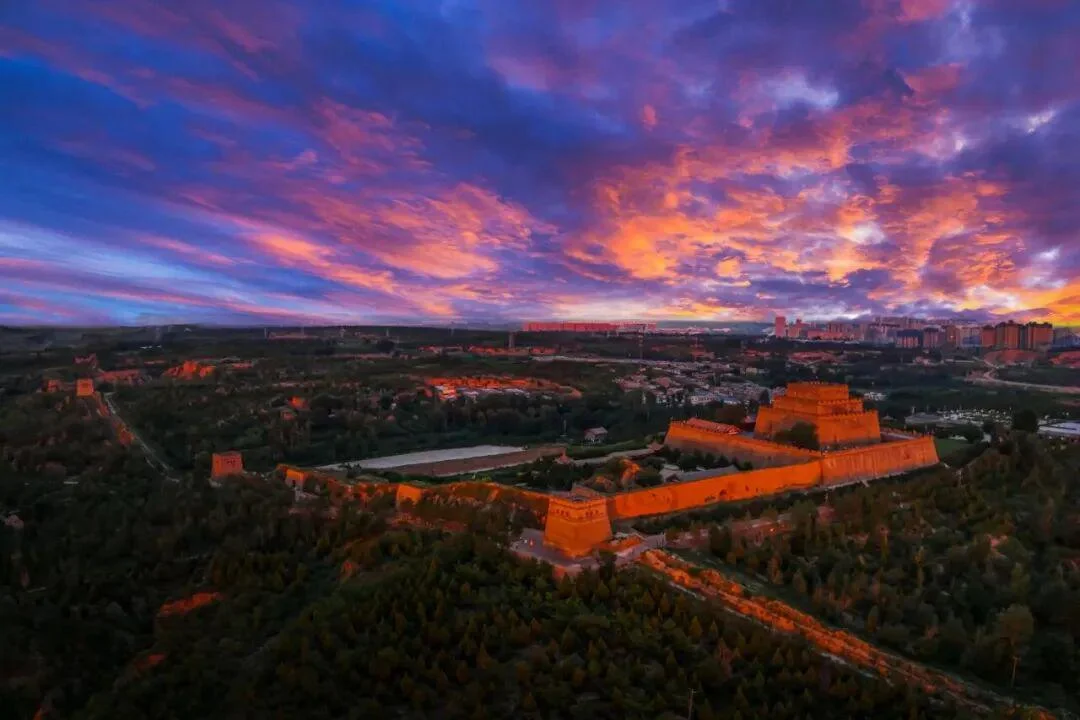
(Image source: Internet)
Along the Yulin Great Wall: Most of these earthen walls have not been restored, and some have become part of the courtyard walls of local villagers. Don't feel sorry—this is precisely how the Great Wall "lives" in everyday life. Cycling or hiking along the road north of Yulin City, you can see the most untouched sections of the Great Wall.
IV. Shanxi: Passes and Legends, Ancient Roads Amidst the Sound of War Drums
Suitable for: History buffs, those who enjoy battlefield stories and legends of ancient generals
Best season: May–June, September–October (Shanxi is mountainous with large temperature differences, so bring a windproof jacket)
The Great Wall in Shanxi is centered around "passes," each corresponding to a war or a legend. The walls here are often closely integrated with the mountains, making hiking moderately difficult, but the rewards are extremely high.
Yanmen Pass: The foremost pass of China, where Li Guang, Wei Qing, and Huo Qubing all once garrisoned. The pass is built against the mountainside, with steep cliffs on both sides. Walking the entire pass system takes about 2-3 hours, passing ancient post roads, a command platform, and Ming Dynasty stone tablets along the way.
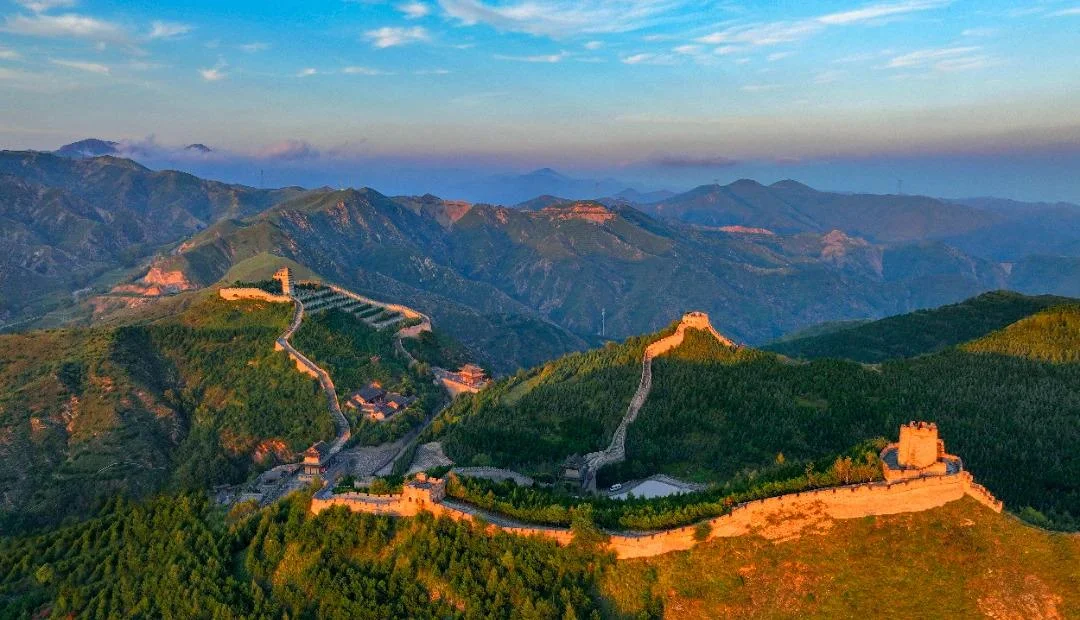
(Image source: Internet)
Niangzi Pass: Named after Princess Pingyang of the Tang Dynasty who led female soldiers to garrison it. Unlike the precipitous Yanmen Pass, it is built along the water, earning it the nickname "Water Town Below the Pass." Nearby, there is an ancient stone-paved canal, perfect for a leisurely stroll.
The bus ride from Taiyuan to Daixian (Yanmenguan) takes about 2 hours, and then you'll need to transfer to a local vehicle to reach the scenic area. Niangziguan can be reached by train from Yangquan. For both locations, it's recommended to wear non-slip hiking shoes, as the stone paths inside the fortifications are very slippery.
V. Beijing: More than just "classic," it also possesses the wildness hidden on the mountain ridges.
Who it's for: All types of travelers—from first-time visitors to seasoned hikers
Best time to visit: April–May, September–October (avoiding summer holidays and Golden Week crowds)
The Great Wall near Beijing is the most diverse. You can choose crowded scenic spots or sections of the Great Wall that are almost unmaintained. But please remember: unmaintained sections of the Great Wall are not "tourist attractions"; they are relics, and they can be deadly.
Badaling: The most complete and convenient section, suitable for first-time visitors to the Great Wall. There are cable cars and English-language guided tours, but it's definitely crowded. It's recommended to arrive before 7 AM or choose a weekday.
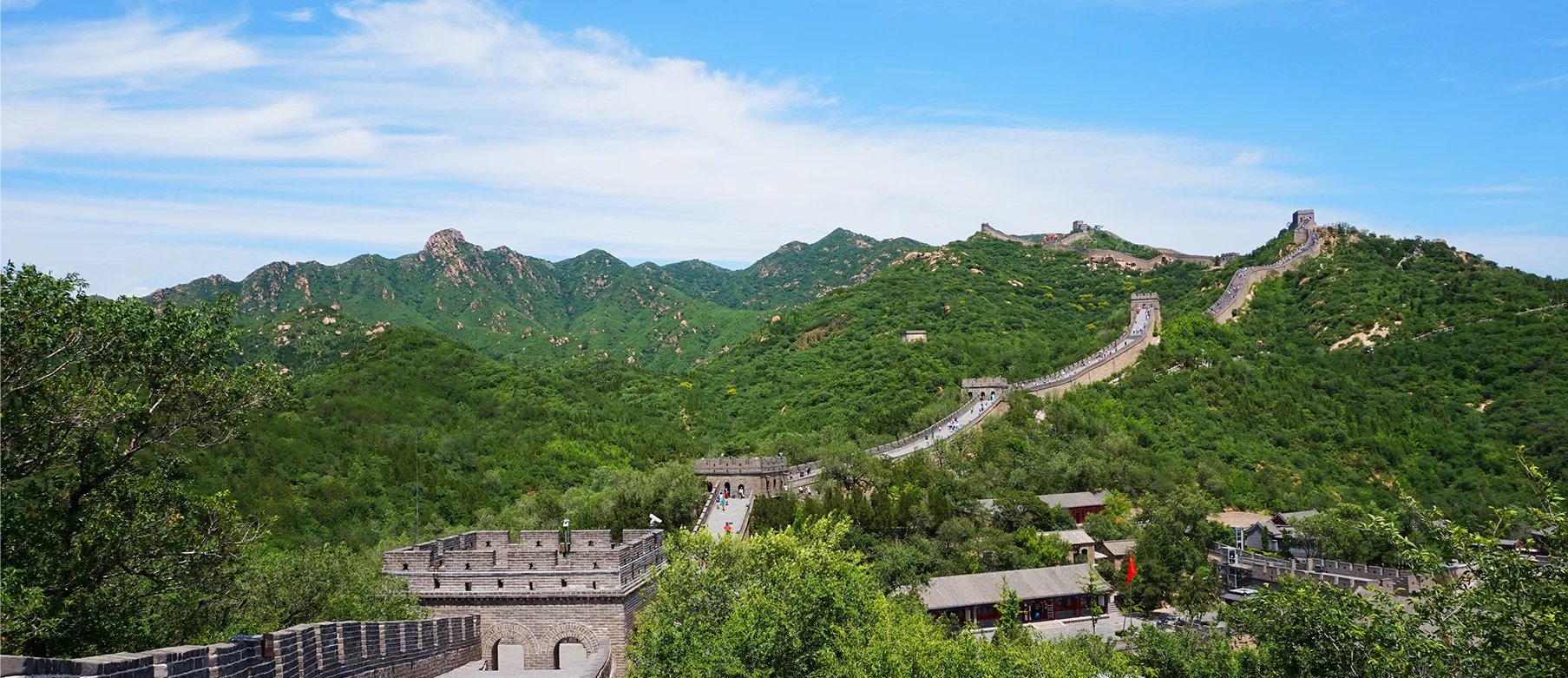
Mutianyu: The scenery is more beautiful than Badaling, and there are relatively fewer tourists. Many European travelers prefer this section because they can hike up the wall instead of being "thrown" up by a cable car.
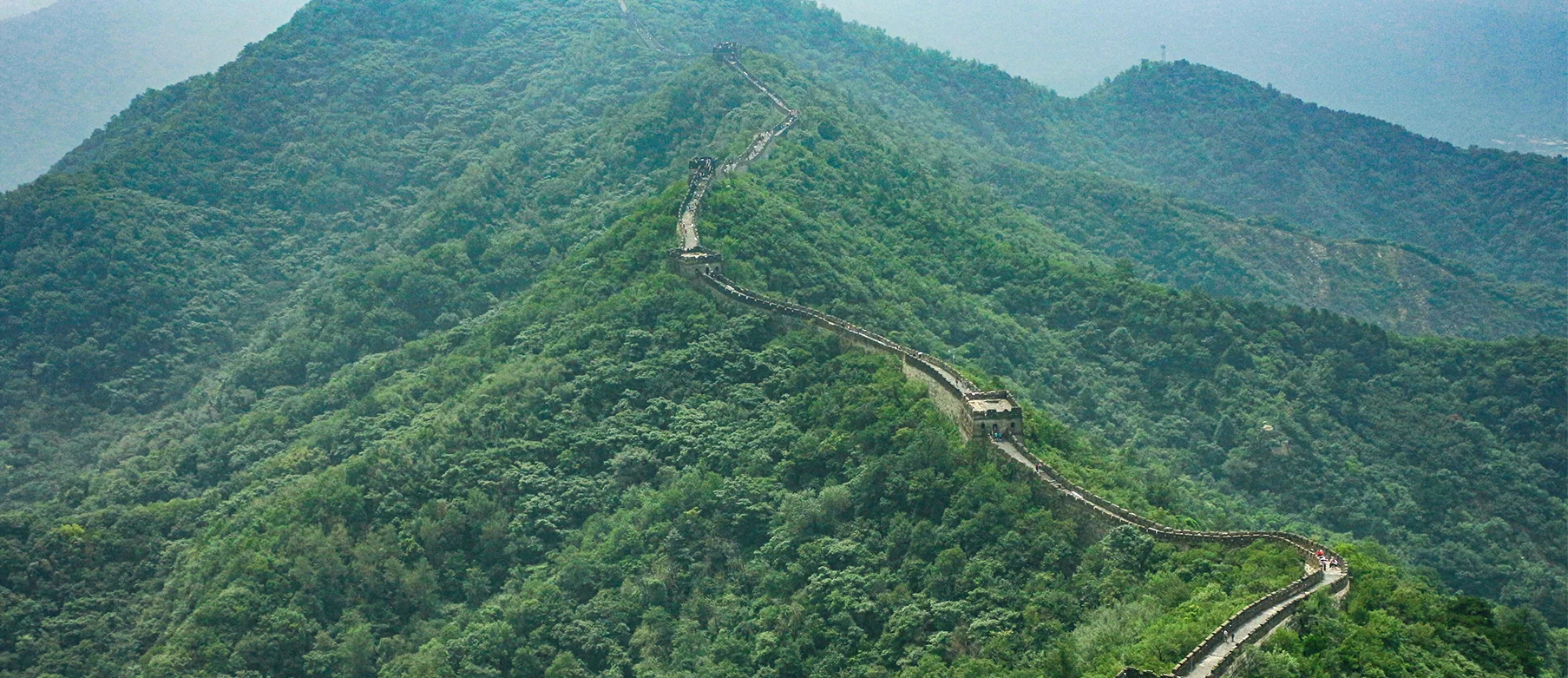
Jiankou Great Wall: This is the most famous and also the most dangerous section of the Great Wall. The wall is collapsed, and the steps are almost vertical; injuries and even deaths occur every year. Only recommended for those with extensive mountain hiking experience, and a local guide is essential. Do not go alone.
Simatai Great Wall: Some sections have been restored, but the original layout has been preserved. A highlight is the night tour (open on specific summer dates), where lights illuminate the wall, creating a quiet and somewhat mysterious atmosphere.
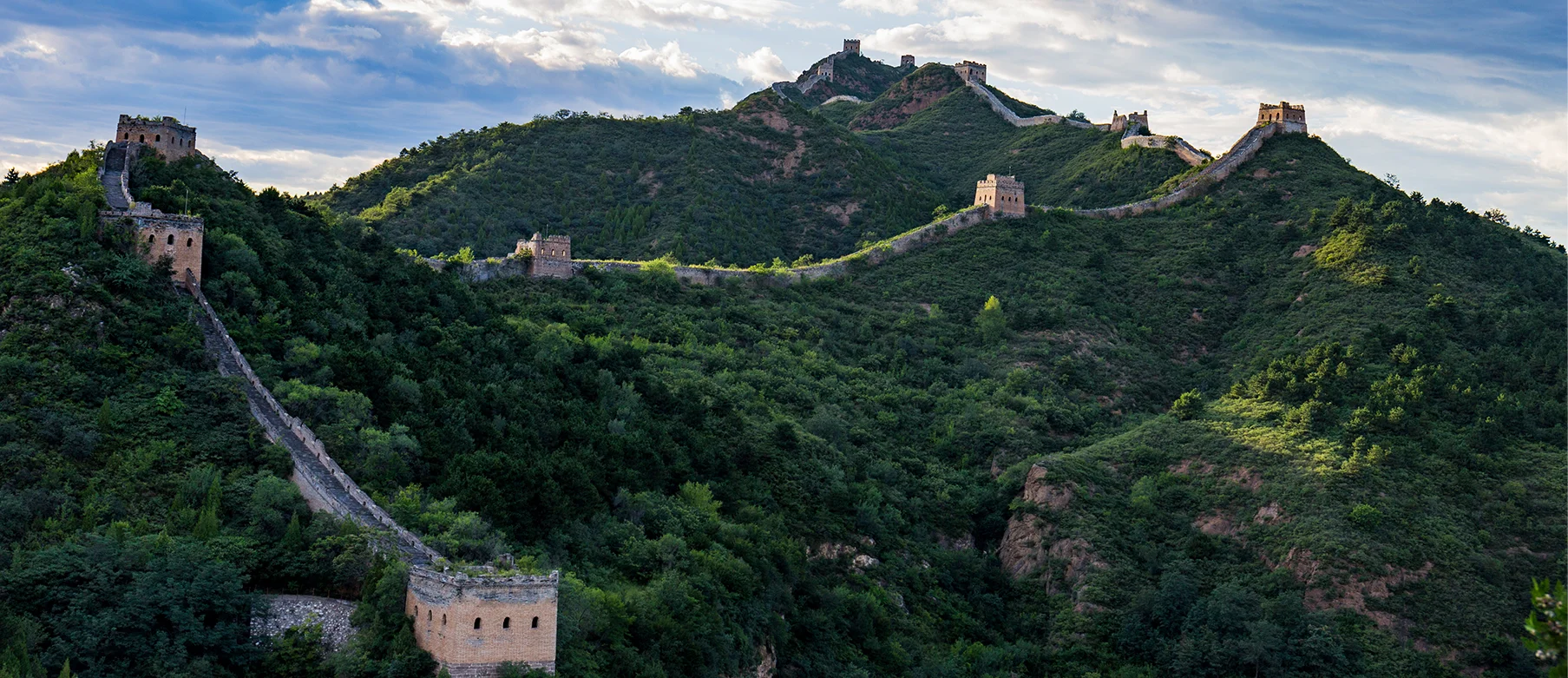
To get to Mutianyu or Simatai from downtown Beijing, you can take a tourist bus or share a ride. Before going to Jiankou, stay overnight in Huairou and ask the local mountaineering association or your guesthouse owner for a reliable guide. Never climb the undeveloped Great Wall in rain or snow.
VI. Hebei and Tianjin: The Place Where the Great Wall Embraces the Sea
Suitable for: Those who enjoy mountain and sea views, don't want to climb too many mountains but still want to see the magnificent city wall.
Best season: May–June, September–October (The beach is crowded in summer, but Laolongtou is still spectacular).
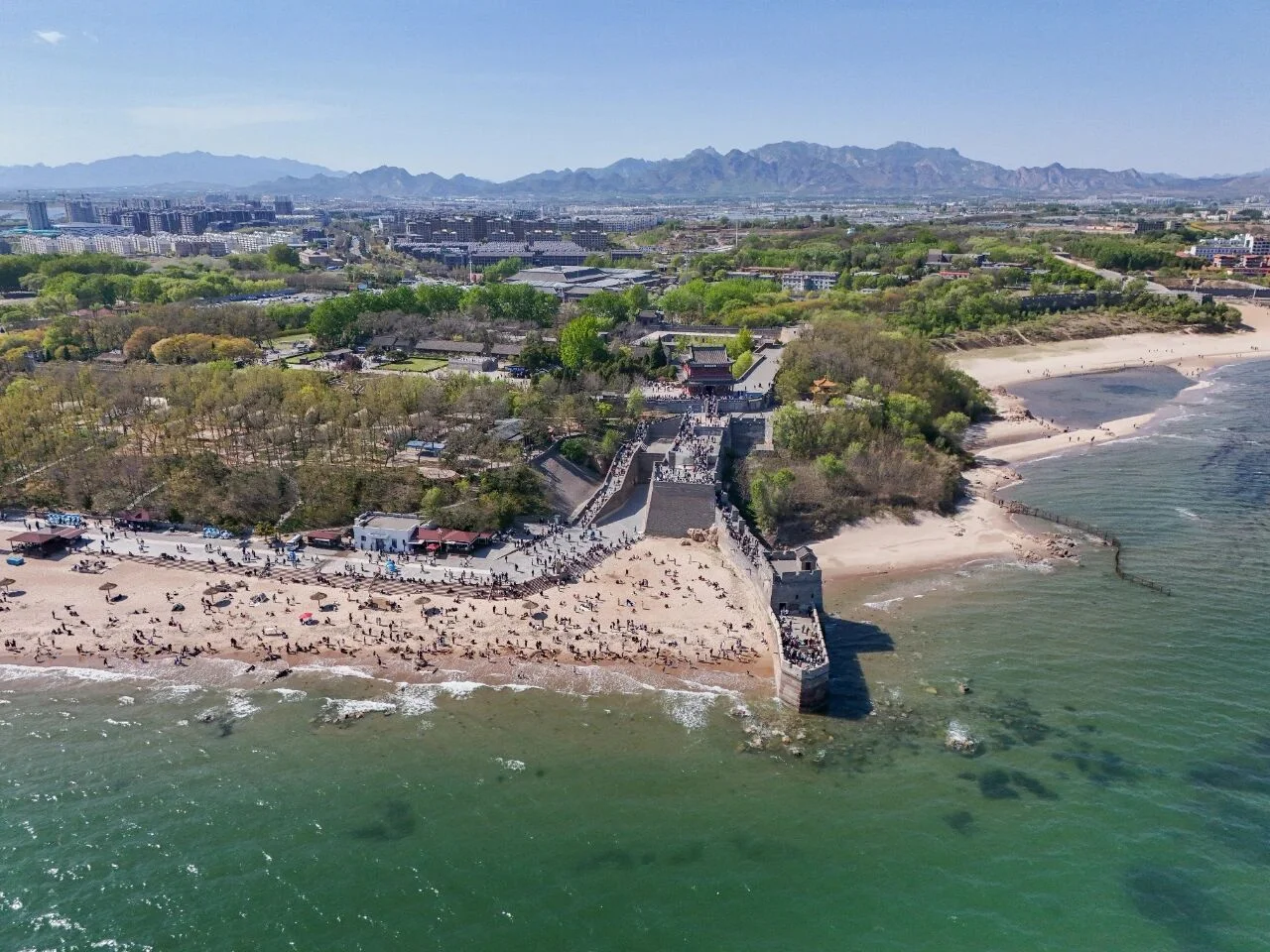
This section of the Great Wall connects the Yanshan Mountains with the Bohai Sea, and is the only place in China where you can see the Great Wall "entering the sea".
Shanhaiguan: The first major pass on the eastern section of the Ming Great Wall, echoing Jiayuguan. The gate tower is enormous, and you can climb up to overlook the old town. Note that there are many commercial shops within the ancient city of Shanhaiguan, but the gate tower itself is still worth seeing.
(Image source: Internet)
Laolongtou: The place where the Great Wall truly extends into the sea. Standing on the stone city wall where the sea meets the mountains, with the waves crashing against the granite base beneath your feet, is truly breathtaking. It is recommended to go at low tide to see more of the stone base structure.
Huangyaguan: Located in the mountainous area of Jizhou, Tianjin, the Great Wall is interwoven with mountains, rivers, terraced fields, and persimmon trees. Autumn is the best season, with the red leaves covering the mountains against the gray walls, perfect for a leisurely half-day walk.
Take the high-speed train from Beijing to Tianjin, then transfer to a bus or regular train to Jizhou. There are direct regular trains from Shanhaiguan, taking about 2.5 hours from Beijing. The wind is strong at Laolongtou and Haifeng, so bring a windproof jacket.
VII. Liaoning: The Crossroads of Border and Forest
Who is this suitable for: Those who want to visit the easternmost point of the Great Wall, are interested in the Sino-North Korean border, and enjoy the "water-themed Great Wall"
Best season: May–June, September–October (summer is more humid)
Many people believe that the eastern end of the Great Wall is Shanhaiguan, but the actual end of the Ming Dynasty Great Wall is at Hushan near Dandong, Liaoning.
Tiger Mountain Great Wall: Built on a steep mountain ridge, from the summit you can see North Korean farmland and outposts across the Yalu River. The wall is relatively new, but its orientation and location are authentic. Suitable for a half-day visit.
Nine Gates Great Wall: A section of the Great Wall spanning a river, known as the "Water Great Wall." The Jiujiang River flows beneath the wall, and you can walk through the archway to watch the water flow through the gate. Very unique and rarely seen among the Great Wall of China.
Frequently Asked Questions
Which season is best to visit the Great Wall?
April–May and September–October are the best times to visit. The temperature is moderate and the scenery is beautiful (flowers in spring and red leaves in autumn).
Which section of the Great Wall should I visit on my first trip to China?
If it's your first time in China and you're short on time, you can choose the Badaling Great Wall or the Mutianyu Great Wall. If you have more time and want to experience different sections of the Great Wall, you can choose Jiayuguan in Gansu.
I'm traveling alone, is it safe?
Most sections are safe, except for the unrestored sections.
Scenic sections (Mutianyu, Jiayuguan, Shanhaiguan) are well-maintained and popular with tourists, making them suitable for solo hikers. However, unrestored sections (such as Jiankou) are dangerous even with a partner, as the walls could collapse at any time. If you are hiking alone, please avoid unrestored sections.
I only have one day in Beijing, is it possible for me to visit the Great Wall?
Yes. Choose either Mutianyu or Badaling.
Get up early (depart at 6:30 AM), take a tour bus or hire a car, spend 3-4 hours there, and return to Beijing city before 4 PM. You can even explore some hutongs (traditional alleyways). Don't try to visit two sections of the Great Wall in one day; it's too rushed and defeats the purpose of the experience.
Is there a connection between the Great Wall and the Silk Road?
Yes, there is a direct connection. Jiayuguan is not only the westernmost starting point of the Great Wall, but also an important pass on the ancient Silk Road. Caravans transporting silk and tea from inland China to other parts of China, and spices and gems from the Western Regions to other places, all had to pass through Jiayuguan. So if you go to the Great Wall in Gansu, you are essentially walking on the Silk Road at the same time.
Disclaimer: This information is provided for reference only and was last updated on . Requirements and regulations may change. Always verify with official sources before making travel plans.