Overview
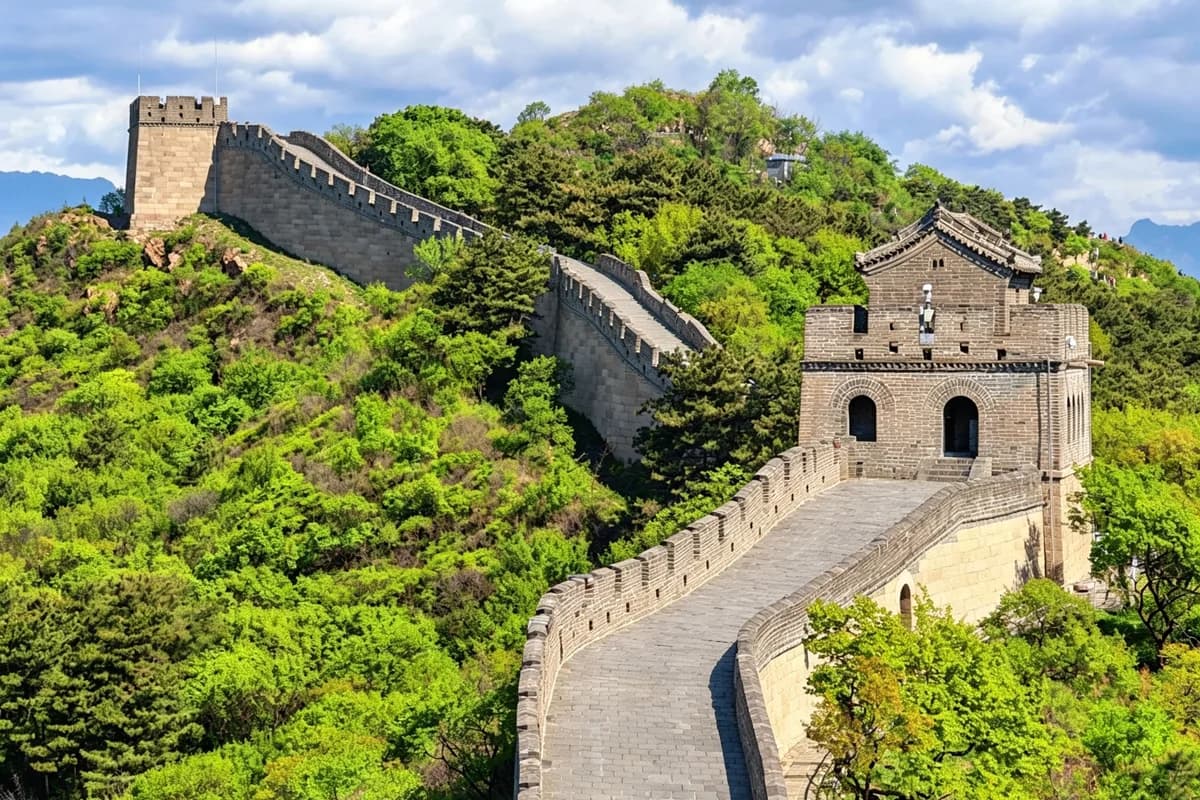
Badaling is iconic as the most visited and representative section of the Great Wall, renowned for its magnificent scenery and superb preservation. It offers a quintessential Great Wall experience with its imposing watchtowers and sweeping vistas. A typical visit lasts 2-4 hours, depending on how far you walk. The best time to visit is autumn (September-November) for clear, comfortable weather and stunning foliage, though spring is also pleasant. For photography, the late afternoon light casts beautiful shadows on the wall. Be prepared for significant crowds on weekends and national holidays; patience is key for getting those perfect crowd-free shots.
The wall here is steep in sections, but the main restored paths are manageable for most fitness levels. Its proximity to Beijing makes it a convenient day trip, allowing you to stand atop a UNESCO World Heritage site that has captivated the world for generations.
How to Get There
To get to the Badaling Great Wall from downtown Beijing, the most recommended option is to take the Beijing-Zhangjiakou High-Speed Railway from either Qinghe Station or Beijing North Station, which takes only about 30 minutes. If taking the high-speed rail is inconvenient, you can take bus route 877 from Deshengmen Bus Station.
Upon arrival, the Great Wall is divided into North and South towers. It's suggested to climb the more popular North Tower first (you can take a cable car directly to the seventh tower), check out the "Hero's Slope," and then return via the same route. If you have enough time, climb the South Tower (less crowded and steeper, perfect for taking photos). After descending the mountain, you can visit the "Dome Theater" or the "Great Wall Museum" along the way. For the return trip, take the high-speed rail or bus back to the city.
What to Expect
Expect a significant amount of walking and climbing steep, uneven stone steps. The terrain is challenging in parts, so comfortable, supportive shoes are essential. Facilities at Badaling are well-developed, with restrooms, numerous gift shops, and food vendors selling drinks and snacks located at the entrance and along some sections. A cable car is available for a fee to transport visitors to a higher point on the wall, reducing the climb. Be prepared for large crowds, but the breathtaking views from the top make the effort worthwhile.
Practical Tips
- Book your tickets online in advance to avoid long queues, especially during holidays.
- Visit on a weekday and arrive early in the morning (before 9 AM) to experience smaller crowds.
- Wear sturdy, comfortable shoes with good grip as the steps can be steep and uneven.
- Bring water and snacks, though vendors are available, prices are higher on the wall.
- Consider taking the cable car up to save energy for exploring the wall itself.