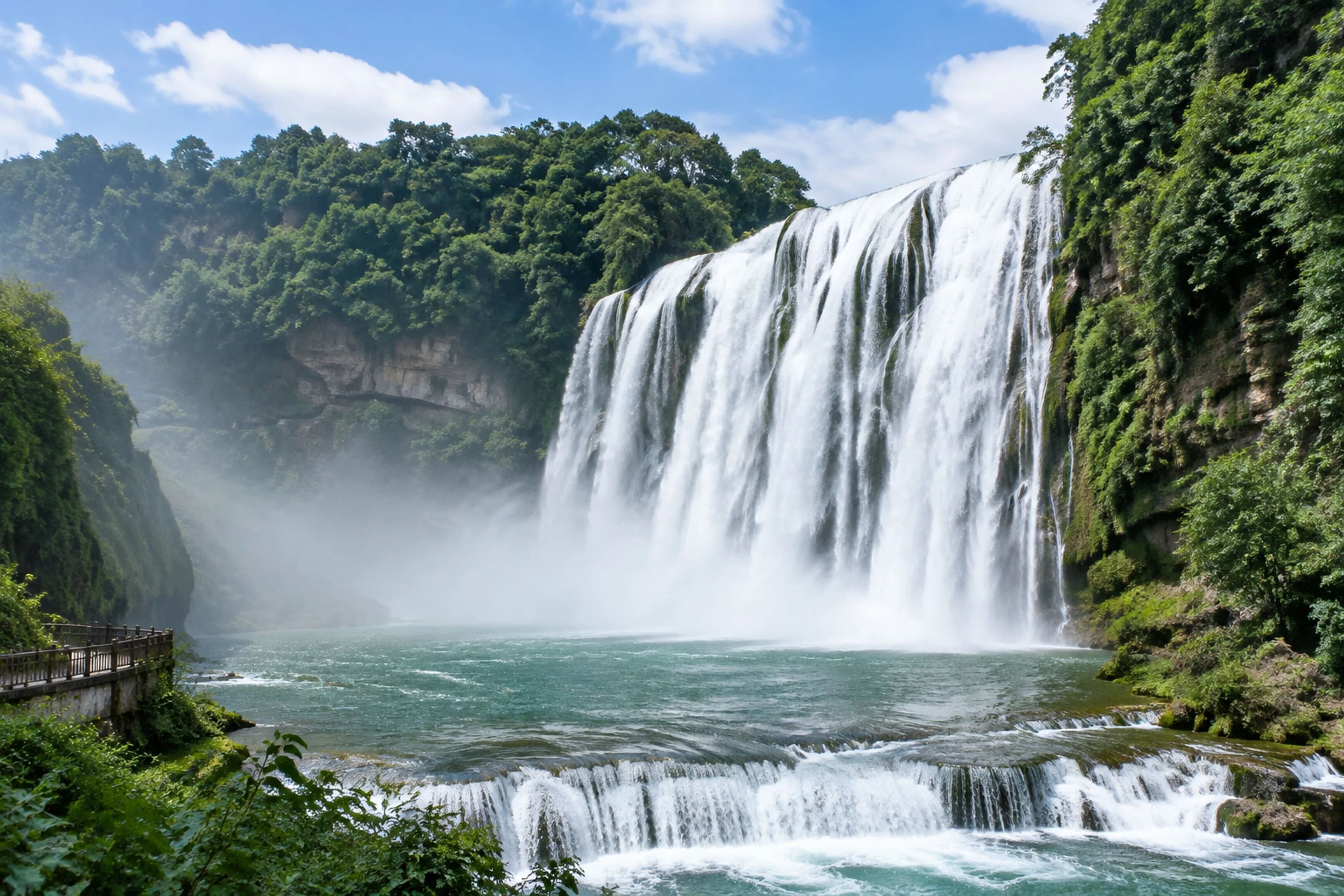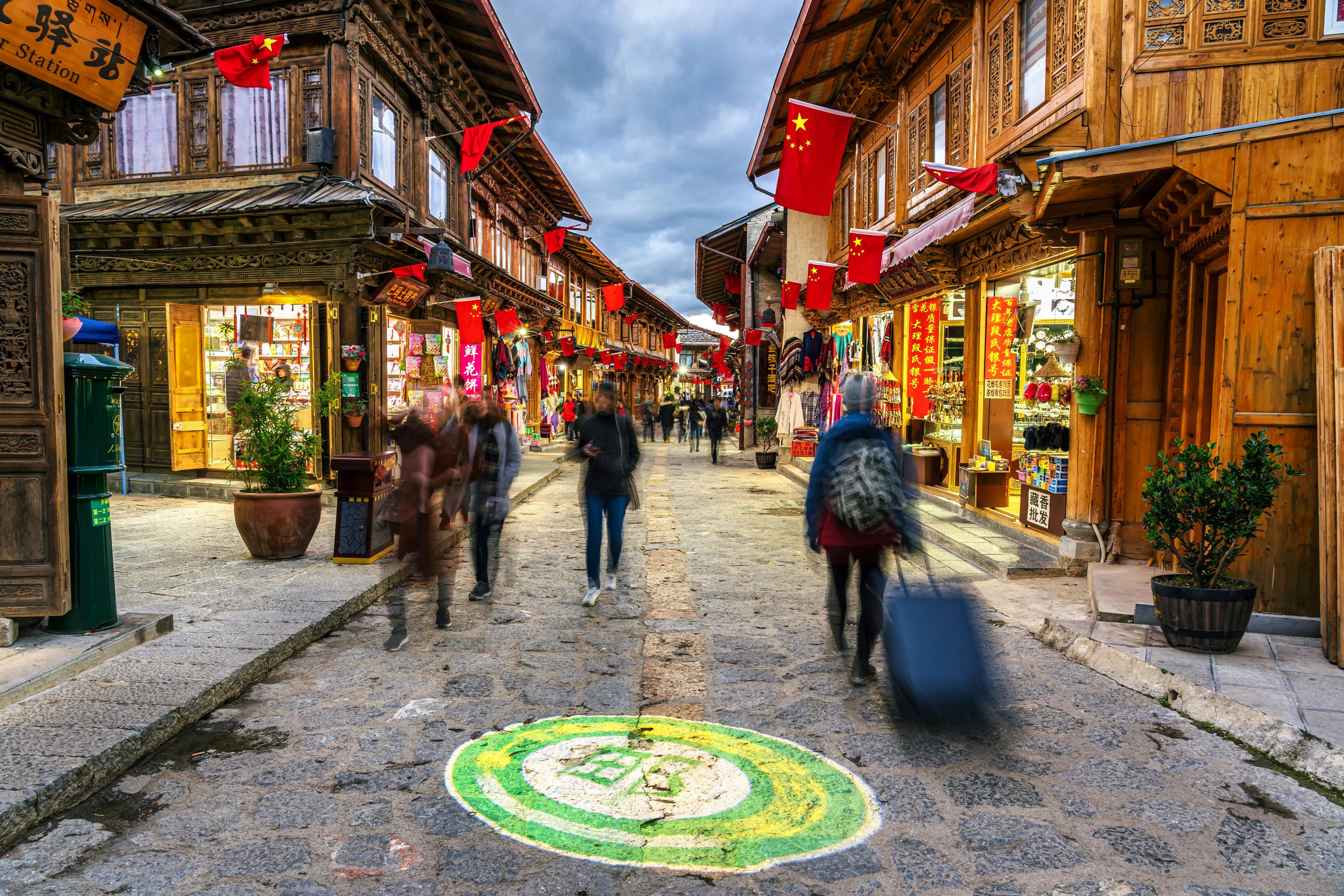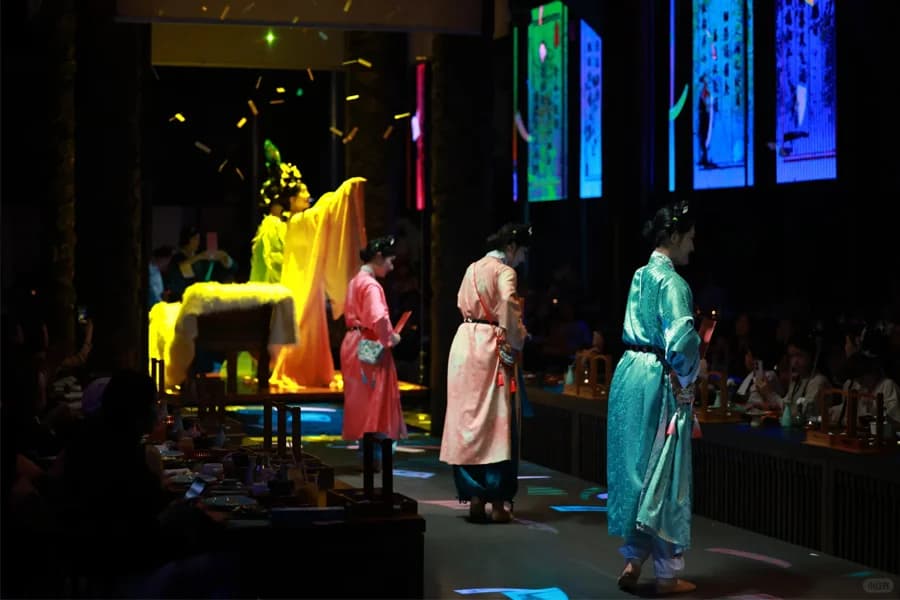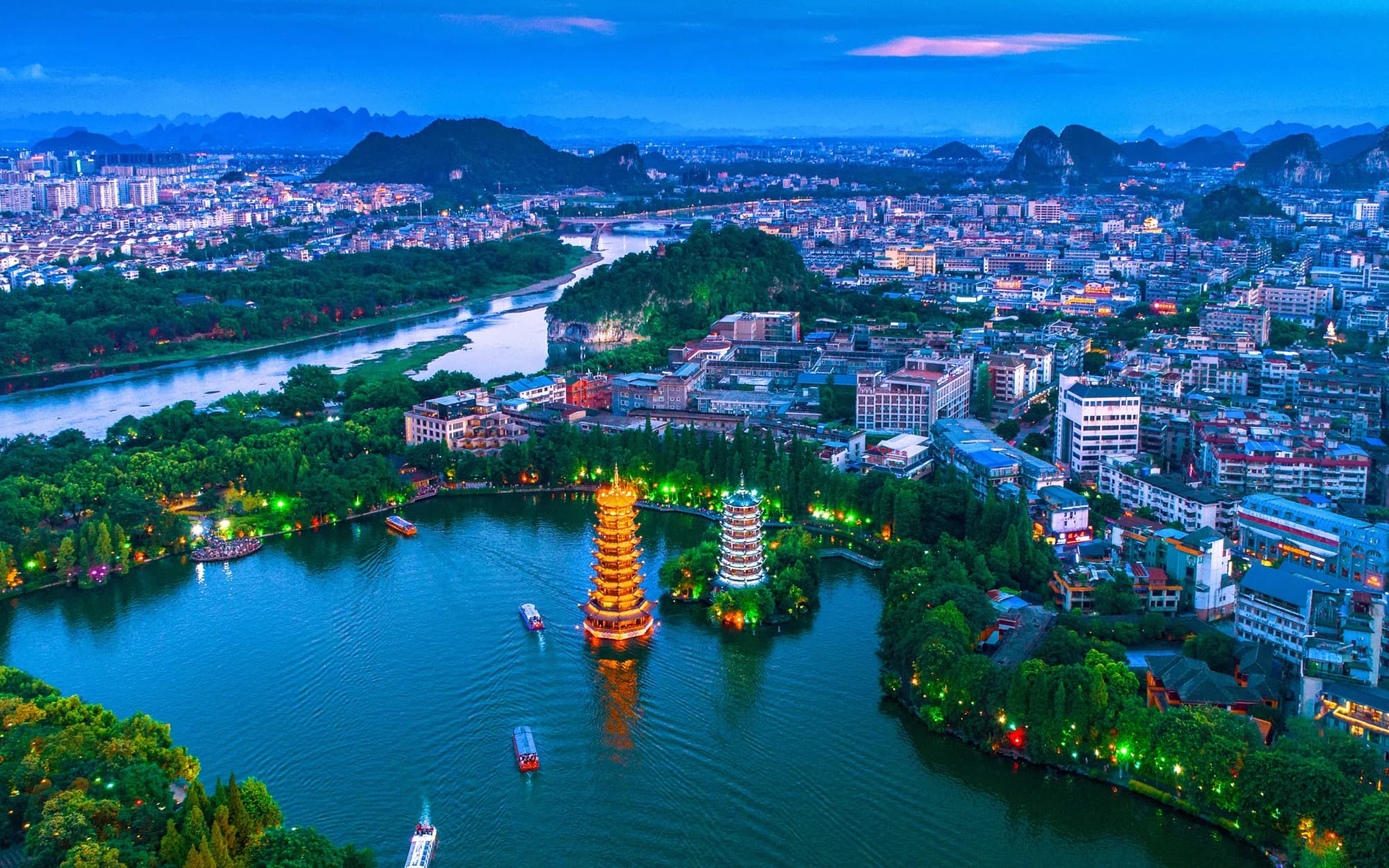
China is vast. From the royal palaces of the north to the tropical rainforests of the south, from the skyscrapers of the east to the snow-capped mountains of the west, the country’s diversity far exceeds the imagination of most travelers.For first-time visitors, choosing a destination is often not about "which place is the best," but rather "what kind of China attracts you the most."
The following ten destinations each have their own unique character. You can choose the most suitable starting point based on your interests—history, food, nature, urban exploration, etc.
Part 1: Essential Pre-Trip Guide
Visa: New policy in 2026
2026 is a year of significant opening up of China's entry policies. Citizens of 75 countries, including the UK, Canada, Australia, and Italy, will be able to enjoy a 30-day visa-free entry policy, valid until December 31, 2026.
However, a valid ordinary passport (usually valid for more than 6 months) is required, along with supporting documentation such as return tickets, hotel bookings, or invitation letters.
Important Reminder: Regardless of visa-free entry, if a stay of more than 30 days is required after entry, the corresponding visa must be obtained in advance from the Chinese embassy or consulate abroad. Foreign tourists to Tibet must obtain a "Tibet Entry Permit" through a travel agency and travel in a group; independent travel is not permitted.
Payment: No cash? No problem, but you need to figure this out first.
Both Alipay and WeChat Pay support linking international credit cards. Simply download the app, complete identity verification with your passport, and link a Visa, Mastercard, Diners Club, or Discover card.
You can learn how to register and bind your Alipay and WeChat Pay accounts by referring to the articles above.
Large hotels and high-end shopping malls accept Visa/Mastercard, but small towns, markets, and taxis still primarily use cash or mobile payments.
Recommendation before departure: Exchange a small amount of RMB cash (approximately 500-1000 yuan) at the airport for unforeseen circumstances.
Transportation: High-speed rail is your best friend
China boasts the world's densest and most advanced high-speed rail network. For intercity travel, high-speed rail is the absolute first choice.
Ticketing methods:
Official channels: The 12306 website/app offers an English version of the service; foreign tourists can register and purchase tickets using their passports.
Third-party platforms: International platforms such as Trip.com offer English-language ticketing services, or you can purchase tickets through travel agencies, which are more user-friendly for first-time users.
Station tickets: You can purchase tickets directly at the train station window using your passport.
For getting around the city: the subway is the most convenient option. Subways in major cities have English signage and support QR code payment (using Alipay/WeChat). For ride-hailing, use the "Didi Chuxing" app, which allows you to link international credit cards for payment.
Part Two: Ten Best Purposes
The following cities are listed in order of "most worthwhile to visit for first-time visitors to China". Each destination includes: why it's worth visiting, must-see attractions, local cuisine, best time to visit, recommended length of stay, and practical tips.
I. Beijing – Understanding China Begins Here
Beijing is the heart of China and the first stop for the vast majority of tourists. This city tells the story of China's three thousand years in the most direct way—from imperial palaces to the everyday life of hutongs, from the Great Wall to modern Olympic venues.
Must-see attractions
The Palace Museum: The world's largest ancient palace complex, the residence of 24 emperors of the Ming and Qing dynasties. It is recommended to allow at least half a day and rent an English audio guide.

The Great Wall (Mutianyu or Badaling): Compared to the crowded Badaling section, Mutianyu is more popular with European and American tourists—the scenery is more pristine, and you can take a cable car up and down, or even experience a toboggan ride down.

The Temple of Heaven: The place where Ming and Qing emperors offered sacrifices to Heaven, its architectural layout embodies a profound philosophy of harmony between humanity and nature. In the early morning, you can see local elderly people practicing Tai Chi and playing with diabolo in the park.

Hutong Area (Nanluoguxiang, Shichahai): Take a rickshaw through the old Beijing hutongs and experience the everyday life of the courtyard houses.

The Summer Palace: The largest existing imperial garden in China, the combination of Kunming Lake and Longevity Hill is a classic.

Authentic cuisine
Peking Duck: Quanjude, Bianyifang, Da Dong – duck skin dipped in white sugar, duck meat rolled in thin pancakes, a truly ceremonial experience.
Zha Jiang Mian (noodles with soybean paste): The soul of old Beijing noodles, rich and flavorful with a strong sauce.
Douzhi (fermented mung bean juice): A challenging traditional Beijing drink; its sour and slightly fermented taste deters many – but trying it is an experience in itself.
Wangfujing Snack Street: A place to sample various street snacks such as baodu (tripe), candied hawthorn, and lvdagun (glutinous rice rolls).
Best time to visit: Mid-April to May (spring) | Late September to October (autumn) – clear skies and pleasant temperatures
Recommended stay: 3-4 days
II. Shanghai – China’s Future, the Paris of the East
If Beijing represents China's past, then Shanghai represents its future. The Bund's collection of international architecture stands in stark contrast to the skyscrapers of Lujiazui across the river—a dialogue between the classical and the modern, rarely seen in any other city.
Must-See Attractions
The Bund: Stroll along the Huangpu River, where on one side stands the "World Architecture Exposition" (bank buildings from the 1920s), and on the other, towering skyscrapers like the Oriental Pearl Tower and Shanghai Tower. The night view is particularly breathtaking.

Lujiazui: Ascend to the observation decks of the Shanghai Tower (China's tallest building) or the Shanghai World Financial Center for panoramic views of the city.
Yu Garden & City God Temple: Ming Dynasty Jiangnan gardens nestled in the bustling city. Enjoy Nanxiang steamed buns nearby.
Nanjing Road Pedestrian Street: China's most vibrant commercial street, hailed as "China's No. 1 Commercial Street" under neon lights.
Zhujiajiao Ancient Town: A Jiangnan water town on the outskirts of Shanghai, with its charming bridges, flowing water, and traditional houses. Travel by boat through the waterways—just an hour's drive from the city center.

Authentic Cuisine
Xiao Long Bao (Nanxiang Xiao Long): Thin skin, plentiful soup; bite a small hole to sip the soup before eating the filling.
Shanghai Cuisine: Rich and flavorful – braised pork belly, stir-fried shrimp, crab roe tofu.
Pan-fried Buns: Pork buns pan-fried until golden brown and crispy on the bottom.
International Cuisine: Shanghai is China's most developed city for international cuisine, with extremely high standards in French, Japanese, and Italian food.
Best time to visit: March-May (spring cherry blossoms) | October-November (autumn plane trees) — June-July is the rainy season, so bring rain gear.
Recommended stay: 3-4 days
Shanghai Disneyland, the Natural History Museum, and the Shanghai Science and Technology Museum are all great places to visit with children.
III. Xi'an – Face to Face with the Terracotta Warriors
Xi'an is the starting point of the Silk Road and China's oldest capital city—13 dynasties established their capitals here for more than 1,100 years.
Must-See Attractions
Qin Shi Huang Terracotta Army Museum: Over 8,000 life-size terracotta warriors, each with unique faces, have guarded Qin Shi Huang underground for over two thousand years. Hiring an English-speaking guide is highly recommended; otherwise, you may only see the forms but not understand their meaning.

Xi'an City Wall: The largest and best-preserved ancient city wall in China. Renting a bicycle and cycling around the wall (approximately 14 kilometers) is highly recommended, offering panoramic views of the blend of ancient and modern city life.

Tang Dynasty Never Sleeping City: A pedestrianized area at night, brightly lit, with young people dressed in Hanfu everywhere—it feels like stepping back into the prosperous Tang Dynasty capital of Chang'an.

Big Wild Goose Pagoda: Built by the Tang Dynasty monk Xuanzang (the prototype for Tang Sanzang in Journey to the West) to preserve Buddhist scriptures. Climbing the pagoda offers panoramic views of Xi'an.

Muslim Quarter: A Muslim-themed food street, a paradise for lamb stew, roujiamo (Chinese hamburger), and biangbiang noodles.
Authentic Local Delicacies
Roujiamo (Chinese Hamburger): Braised pork sandwiched in a baiji bun, the Chinese version of a "hamburger," but ten times tastier!
Yangrou Paomo (Lamb Stew with Flatbread): Break the flatbread into pieces yourself and give it to the vendor to pour over the lamb broth—the finer the pieces, the more flavorful it is!
Biangbiang Noodles: Noodles as wide as a belt, with an irresistible aroma of chili oil.
Liangpi (Cold Skin Noodles): A summer must-eat, tangy, spicy, and refreshing.
Best time to visit: April-June | September-October – Winter is dry and cold, so pay attention to moisturizing.
Recommended stay: 2-3 days
IV. Chengdu – Pandas and Slow Living
Chengdu's charm lies not in any particular "must-see attraction," but in a lifestyle—"Ba Shi" (comfortable and relaxed). It is the hometown of pandas and a UNESCO-recognized "City of Gastronomy."
Must-See Attractions
Chengdu Research Base of Giant Panda Breeding: The best place in the world to see pandas. Star pandas like Hua Hua and Fu Bao live here. Be sure to visit early in the morning—the pandas are most active during their morning feeding time; they mostly sleep in the afternoon.

Kuanzhai Alley: A Qing Dynasty-era street comprised of Kuan Alley, Zhai Alley, and Jing Alley, lined with teahouses, snack shops, and cultural and creative stores. Find a teahouse to sit in and watch the locals play mahjong and chat—that's the most authentic Chengdu experience.

Jinli Ancient Street: Adjacent to Wuhou Temple, with red lanterns, Sichuan opera face-changing performances, and a dazzling array of snacks—especially enchanting at night.

Dujiangyan Irrigation System (Day Trip): A water conservancy project built over 2,000 years ago that still operates today, a true marvel of human engineering.

Leshan Giant Buddha (Day Trip): The world's largest stone-carved seated Buddha, 71 meters tall, carved during the Tang Dynasty.

Authentic Cuisine
Hot Pot: Bubbling red oil, the numbing aroma of Sichuan peppercorns—the essence of Chengdu hot pot lies in its "numbing spiciness." If you can't handle spice, you can choose a half-and-half pot (one side spicy broth, the other clear broth).

Dan Dan Noodles: Dry noodles with a strong numbing and spicy flavor, a representative of Chengdu street food.
Skewered Food: Similar to hot pot but more casual, various ingredients are skewered on bamboo sticks for self-service selection.
Rabbit Head: One of Chengdu's most beloved snacks, available in spicy, numbing, and five-spice flavors—perhaps the most "adventurous" food for foreign tourists.
Best time to visit: March-June | September-November – mild climate
Suggested stay: 2-3 days in the city and at the Panda Base; add 1-2 days if visiting Dujiangyan/Leshan.
V. Guilin – A Real-Life Version of Chinese Landscape Painting
"Guilin's scenery is the best under heaven"—this saying has been passed down in China for over a thousand years. The karst peaks along the Li River rise abruptly like bamboo shoots, shrouded in mist. For tourists seeking natural scenery and photography, Guilin is a must-visit.
Must-See Attractions
Li River Cruise (Guilin → Yangshuo): The soul of Guilin. A 4-hour journey, passing classic scenic spots such as the Yellow Cloth Reflection and Nine Horses Painting Mountain—the image on the back of the 20 RMB note is taken here.

Yangshuo Yulong River Bamboo Rafting: Quieter and closer to the wat

er than the Li River cruise, the rafts are manually propelled, gently gliding between fields and mountains.
Longji Rice Terraces: About a 2-hour drive from Guilin city, these terraced fields, cultivated by the Zhuang and Yao ethnic groups for generations, wind their way from the foot of the mountain to the summit. It's highly recommended to stay overnight in a guesthouse near the terraces to watch the morning sunlight illuminate the cascading terraces and the mist flowing through the mountains.

Ten-Mile Gallery (Yangshuo): Cycle or hike along the country lanes between the mountains and rivers, with karst peaks and farmland on either side.
Authentic Local Delicacies
Guilin Rice Noodles: Available in soup or dry-mixed, often served with crispy fried pork belly and braised beef—a staple breakfast for Guilin locals.
Beer Fish (Yangshuo Specialty): Made with fresh fish from the Li River cooked in beer; the fish is incredibly tender.
Bamboo Rice: Glutinous rice and cured meat are stuffed into bamboo tubes and then baked, imparting a delicate bamboo aroma.
Best time to visit: April-May | September-October – June to August is the rainy season, and the Li River may become muddy.
Recommended stay: 3-4 days
VI. Zhangjiajie – The Floating Mountains of Avatar
If you're a fan of Avatar, you'll surely remember the floating "Hallelujah Mountains" in the movie—they were inspired by Zhangjiajie. For travelers who enjoy the outdoors, hiking, and photography, Zhangjiajie is one of China's top destinations.
Must-see attractions:
Zhangjiajie National Forest Park: Core scenic area. Golden Whip Stream Hiking – Walk along the stream, flanked by towering peaks; Yuanjiajie – Take the Bailong Elevator (the world's highest outdoor elevator) to the summit for a close-up view of the "Hallelujah Mountains" prototype, the "Qiankun Pillar".

Tianmen Mountain: Take the 7-kilometer-long mountain cable car (a thrilling experience in itself), walk along the cliffside glass walkway, and climb the 999 steps to reach Tianmen Cave – a natural karst cave in the center of the mountain.
Grand Canyon Glass Bridge: One of the world's highest and longest glass bridges, overlooking the deep canyon – a nightmare for those with a fear of heights, a paradise for adventure lovers.

Authentic Local Delicacies
Tujia Cured Pork: A traditional delicacy of the ethnic minorities in western Hunan, with a rich smoky flavor.
Sanxia Guo: A Zhangjiajie specialty dry pot, stewing cured pork, pork belly, tofu, and other ingredients together.
Best time to visit: April to October, especially May and early October.
Suggested stay: 2-3 days (tickets are valid for multiple days, no need to purchase again).
Family travel tips: The scenic area has various transportation options such as cable cars and elevators, making it easy for seniors and children to explore.
VII. Chongqing – An 8D Magical Cyber City
Chongqing is known to foreign tourists as the "Cyber City"—a city built on mountains, where light rail trains pass through buildings, cable cars span two rivers, and navigation is practically useless. For tourists who enjoy urban adventure, photography, and unique experiences, Chongqing offers a visual spectacle that no other Chinese city can match.
Must-See Attractions
Hongyadong: A cluster of stilted buildings built against the mountainside, brilliantly illuminated at night—resembling the bathhouse in Miyazaki Hayao's Spirited Away. The best vantage point is on the opposite bank, offering simultaneous views of Hongyadong and its reflection in the Jialing River.

Liziba Light Rail Station: A unique spectacle where Line 2 trains pass through the middle of a residential building—one of a kind in the world. A dedicated viewing platform is available for tourists to take photos.

Yangtze River Cableway: An aerial cable car spanning the Yangtze River, a daily commuting tool for Chongqing residents and one of the best panoramic views of the mountain city.

Nanshan Yikeshu Viewing Platform: The best location for capturing a panoramic view of Chongqing at night.
Wulong Natural Three Bridges : A filming location for Transformers 4, featuring massive natural stone bridges and sinkhole landforms.

Authentic Local Cuisine
Chongqing Hot Pot: Spicy and more numbing than Chengdu hot pot, the beef tallow broth is its soul. If you can't handle spice, be sure to order "mild" or a half-and-half pot—what's "mild" in Chongqing is already "super spicy" for many foreigners.

Chongqing Noodles: Spicy and flavorful breakfast noodles, found everywhere on the streets.

Jianghu Cuisine: The unique, bold style of Sichuan cuisine in Chongqing—spicy chicken, boiled fish, and spicy blood curd.
Best time to visit: Spring and Autumn – Summer in Chongqing is known as a "furnace," with temperatures reaching 40°C.
Suggested stay: 1-2 days in the city center; plus 1 day in Wulong.
8. Guangzhou – A Culinary Capital with Lingnan Charm
Guangzhou is a millennium-old commercial capital and one of China's most vibrant major cities. Its charm lies in its morning tea culture, mild winters, and convenient location connecting to Shenzhen and Foshan.
Must-See Attractions
Morning Tea Experience: This isn't just about "eating breakfast," it's a lifestyle. Step into "Tao Tao Ju" or "Guangzhou Restaurant" in the early morning, order a pot of tea and some shrimp dumplings and siu mai, and slowly savor the leisurely "one pot and two pieces" experience.

Shangxiajiu Pedestrian Street & Enning Road: The continuous arcade buildings (a unique Lingnan architectural style where shops are on the ground floor and residences are on the upper floors) offer opportunities to find traditional handicrafts such as Xiguan copperware.
Pearl River Night Cruise: Enjoy a boat trip on the Pearl River, witnessing the interplay of modern lights and historical architecture on both banks.

Chen Clan Academy: The exquisite Lingnan architectural decorations—brick carvings, wood carvings, stone carvings, and ceramic sculptures—are breathtaking.

Authentic Local Delicacies
Shrimp dumplings, siu mai, chicken feet, rice noodle rolls: classic choices for dim sum
Poached chicken: a representative Cantonese dish—chicken boiled and then dipped in ginger and scallion sauce, retaining its original flavor
Roast goose: crispy skin and tender meat, served with plum sauce
Cantonese sweet soups: red bean paste, mango pomelo sago, double-skin milk pudding—desserts after a meal
Best time to visit: October to March of the following year – cool and dry weather; summer (May to September) is hot and rainy.
Suggested stay: 3 days in the city; 1 additional day can be spent visiting Foshan (Zumiao Temple, Nanfeng Ancient Kiln).
9. Yunnan – A Kaleidoscope from Snow-capped Mountains to Rainforests
Yunnan boasts the most diverse ethnic minorities of any province in China and is also home to the most diverse natural landscapes—from the snow-capped mountains of the north (Jade Dragon Snow Mountain and Meili Snow Mountain) to the tropical rainforests of the south (Xishuangbanna), from the shimmering waters of Erhai Lake in Dali to the Naxi culture of Lijiang Ancient Town. It's a place perfect for "slow travel."
Must-See Attractions
Dali: Cycling along Erhai Lake is a classic Yunnan experience—rent a bicycle or electric scooter and wander along the ecological corridor through Bai villages. When you're tired, sit down and relax in a café by Erhai Lake.

Lijiang Old Town: A World Heritage Site and the center of Naxi culture. Head to Jade Dragon Snow Mountain in the early morning to see the sunrise over the golden peaks—if the weather is clear, this is an unforgettable moment.

Shangri-La: At the forefront of Tibetan culture, Songzanlin Monastery ("Little Potala Palace") is worth a visit.

Xishuangbanna (Winter): Tropical rainforests and Dai ethnic customs make it a perfect winter getaway.
Authentic Local Delicacies
Crossing-the-Bridge Rice Noodles: A Yunnan specialty – served in piping hot chicken broth, you add sliced meat, vegetables, and rice noodles yourself.
Steamed Chicken in a Clay Pot: Chicken broth steamed in a clay pot, retaining its original flavor.
Wild Mushroom Hot Pot (Summer): Yunnan is abundant in various wild mushrooms, incredibly delicious.
Roasted Milk Fan: A Dali street food, made from thin slices of milk and roasted.
Best time to visit: All year round – Spring (March-May) with flowers in full bloom; Autumn (September-November) with clear blue skies perfect for photography; Winter (December-February) for escaping the cold in Xishuangbanna or soaking up the sun in Lijiang and Dali.
Recommended stay: At least one week
10. Tibet – A Spiritual Journey on the Roof of the World
Tibet is not an ordinary trip, but a pilgrimage. It is the highest altitude region in the world, with the Potala Palace standing in the heart of Lhasa, and pilgrims prostrating themselves in prayer every day on Barkhor Street. For travelers seeking spiritual experiences and breathtaking natural scenery, Tibet is the ultimate destination.
Important Note: Foreign tourists must travel through a travel agency, obtain a Tibet Entry Permit, and join a group tour to enter Tibet. Independent travel is not permitted. Please plan several months in advance.
Must-see attractions:
Potala Palace: The highest palace in the world, a sacred site of Tibetan Buddhism. Follow in the footsteps of pilgrims as you ascend the steps.

Barkhor Street: The pilgrimage route around Jokhang Temple, where you'll see devout figures prostrating themselves in prayer—please be respectful and do not take photos of them.

Namtso/Yamdrok Lake: Two holy lakes in Tibet. The lake water changes color with the light—from sapphire blue to emerald green, so tranquil it's as if time has stood still.

Mount Everest Base Camp (requires additional time): Standing at the foot of the world's highest peak, feel the insignificance of humanity in the face of nature.

Best time to visit: May to early October – relatively warm climate, higher oxygen levels.
Recommended stay: Allow at least 1-2 days in Lhasa to acclimatize (slow down, drink plenty of water, avoid alcohol). Total trip recommended: 7-10 days.
Cultural etiquette: Circumambulate prayer wheels clockwise, do not step on temple thresholds, and do not take photos of locals without permission – these must be observed.
Part Three: Suggested Itinerary Combinations
This is my first time in China, and with limited time, it's impossible to see everything. Below are itinerary combinations designed based on different travel preferences:
Classic Cultural Tour (10-14 days): Beijing (4 days) → Xi'an (3 days) → Shanghai (4 days) – China's most classic "Golden Triangle," encompassing imperial history, memories of prosperous times, and modern metropolises.
Natural Scenery Tour (10-12 days): Guilin (4 days) → Zhangjiajie (3 days) → Chengdu (4 days) – A landscape painting, floating peaks, and the hometown of pandas.
Culinary Exploration Tour (10 days): Chengdu (3 days) → Chongqing (2 days) → Guangzhou (4 days) – From spicy hot pot to exquisite Cantonese cuisine, experience the flavors of China in one trip.
In-Depth Slow Travel (2 weeks or more): Start in either Beijing or Shanghai → Xi'an → Chengdu → Yunnan (Dali + Lijiang) – Suitable for travelers with ample time and a desire for in-depth experiences.
Adventure Challenge Tour (2 weeks): Chengdu → Lhasa (Tibet group tour) → Return – Suitable for travelers seeking spiritual experiences and extreme scenery.
Frequently Asked Questions
Q1: Do I need a visa?
As of 2026, citizens of 50 countries, including the UK, France, Germany, Japan, and Australia, can enter China visa-free for 30 days (for tourism, business, or family visits). US citizens still need to apply for an L visa.
Q2: How do I pay in China?
Download Alipay or WeChat Pay, link your Visa/Mastercard, and you can pay by scanning a QR code. Carry 500-1000 RMB in cash, as small vendors and taxis sometimes don't have change.
Q3: How do I travel between cities?
High-speed rail is the fastest and most convenient. Purchase tickets through the English version of 12306 or other third-party platforms.
Q4: Can I travel without speaking Chinese?
Major city subways and tourist attractions have English signs, and hotel receptionists generally speak English. Download Youdao Translate to translate photos.
Q5: Can I use Google and Facebook?
Direct access is not available from mainland China. It is recommended to activate international roaming on your mobile phone or purchase an eSIM to continue using these services.
Q6: Is it safe to travel in China?
Very safe; violent crime is extremely rare. Be careful with your belongings in crowded areas and watch out for vehicles when crossing the street.
Q7: Can foreigners stay in any hotel?
Only hotels with foreign-related qualifications can stay. Confirm your booking through the platform or call ahead to inquire.
Q8: What should I be aware of regarding food?
Drink bottled water and avoid raw or cold foods. If you can't eat spicy food, say "no spice" or "mild" when ordering.
Q9: What is the best season to visit?
Spring (April–May) and autumn (September–October) have the most pleasant weather and are suitable for travel throughout the country.
Disclaimer: This information is provided for reference only and was last updated on . Requirements and regulations may change. Always verify with official sources before making travel plans.