
Tibet, with its unparalleled highland scenery, profound Tibetan Buddhist culture, and unique folk customs, attracts travelers from all over the world. This comprehensive guide aims to dispel all your pre-trip concerns, from document processing to cultural etiquette, helping you plan a safe, in-depth, and unforgettable journey to the roof of the world.
Article Preview
Immigration and Permits
Must-Visit Attractions
Best Time to Travel
Major Festivals
Domestic Transportation Guide
Accommodation and Dining Experiences
Travel Precautions
Part 1: Entry Requirements and Travel Permits
To travel to Tibet, in addition to a Chinese visa, special travel documents are required.
Note: If you are a foreign tourist from other parts of China, you cannot travel to Tibet alone; you will need and must hire a guide and driver.
1. Basic Documents: Chinese Visa
The vast majority of travelers need to apply for an L-type tourist visa.
If entering Tibet from Nepal, a group visa is required for a minimum of 5 people. (Note: Your Chinese visa obtained in your home country is not valid for entry into Tibet from Nepal.)
Please note: Journalists and diplomats are not allowed to enter as tourists.
2. Core Document: Tibet Travel Permit
1.What is a Tibet Permit?
The Tibet Travel Permit, also known as the Tibet Entry Permit or TTB Permit, is the essential and most important permit issued by the Tibet Autonomous Region Tourism Bureau (TTB) for foreign passport holders to enter Tibet. All tourists from Taiwan and other countries/regions (non-Chinese passport holders) must travel in a group and hold this permit.
2. Permit Application Requirements
Foreign tourists cannot apply for a Tibet Travel Permit on their own; they must entrust an authorized local travel agency to apply on their behalf before departure.
You will need to provide your passport (valid for at least 6 months), a copy of your Chinese visa, a detailed itinerary, and a detailed address for collecting your Tibet Travel Permit. The visa takes approximately 7 working days to be issued.
Recommendation: Provide the application materials to the authorized travel agency at least 20 days in advance.
3. Additional Permits Required for Some Areas of Tibet
If you plan to travel to areas beyond Lhasa, you will need additional Tibet travel documents.
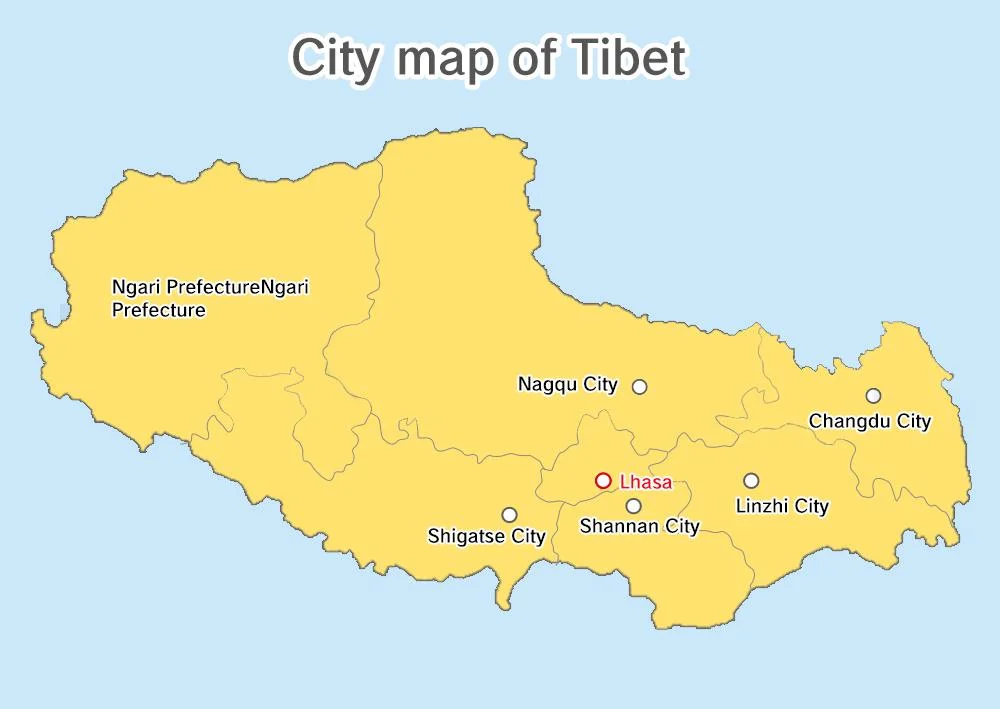
Foreigner's Travel Permit—Allows you to travel to other areas of Tibet outside of Lhasa, such as Shigatse, Gyantse, Shannan, Mount Everest, Ngari, etc.
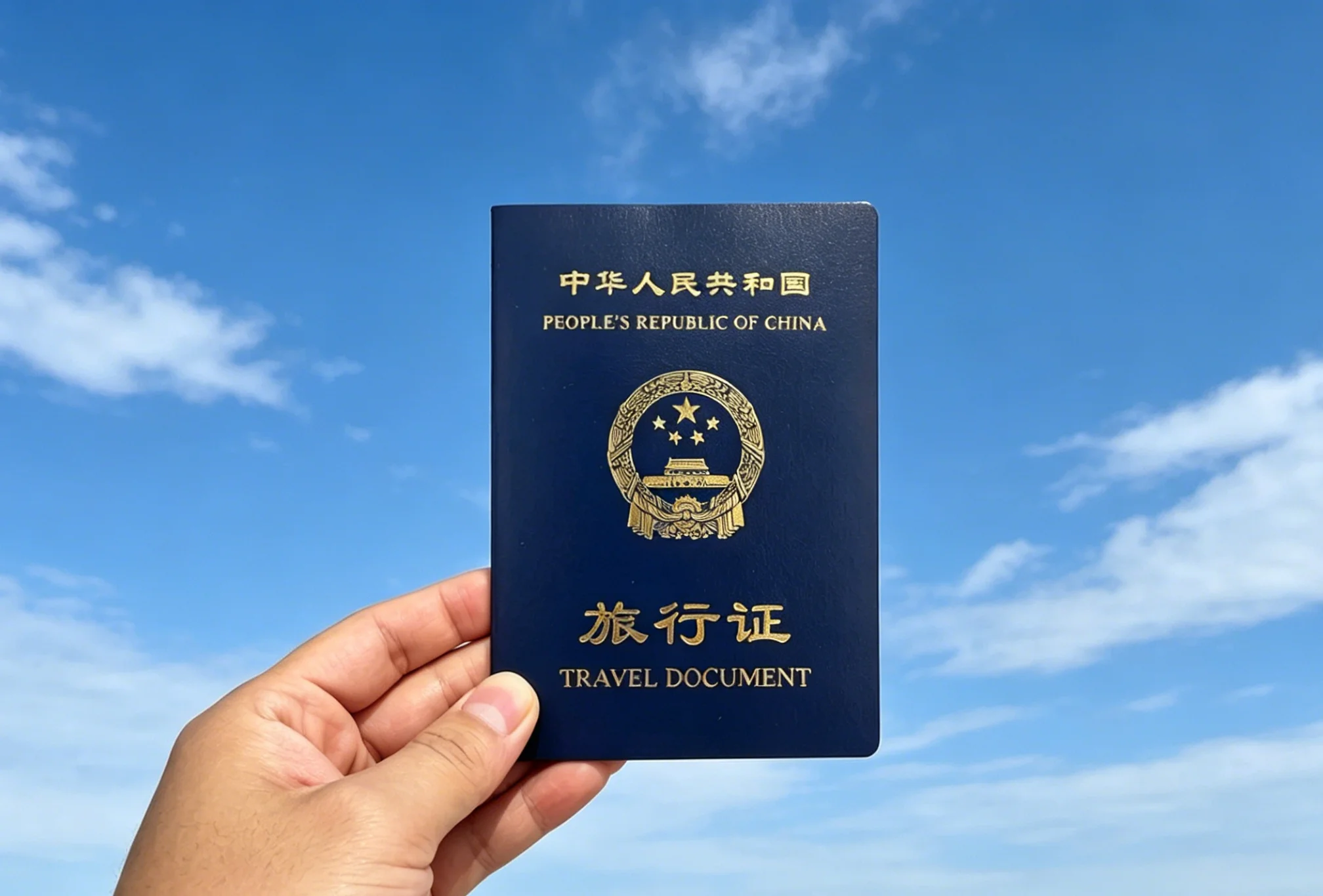
Military Pass – Allows you access to open areas in Nyingchi, Ngari, Chamdo, and eastern Tibet.
Border Pass – Allows you access to border areas such as Shigatse, Ngari, and Nyingchi.
Part Two: The Must-See Essence of Tibet
Tibet, a mysterious and pure land on the roof of the world, blends breathtaking natural beauty with profound Tibetan Buddhist culture, where you can experience the boundless embrace of nature and the compassion of Buddhism.
Lhasa and its surrounding areas—the heart of culture and faith
This is the heart of Tibet, the starting point of every journey.
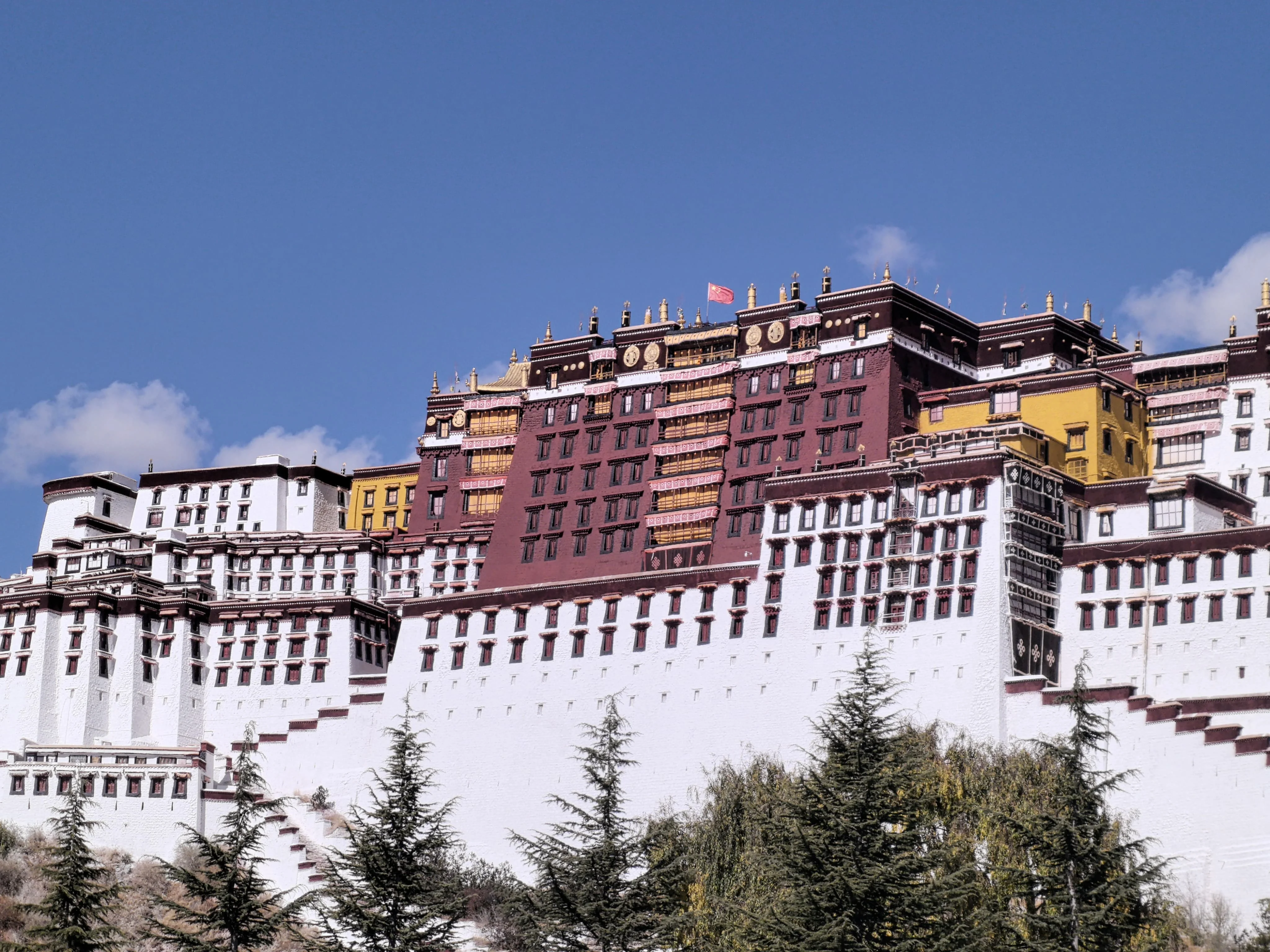
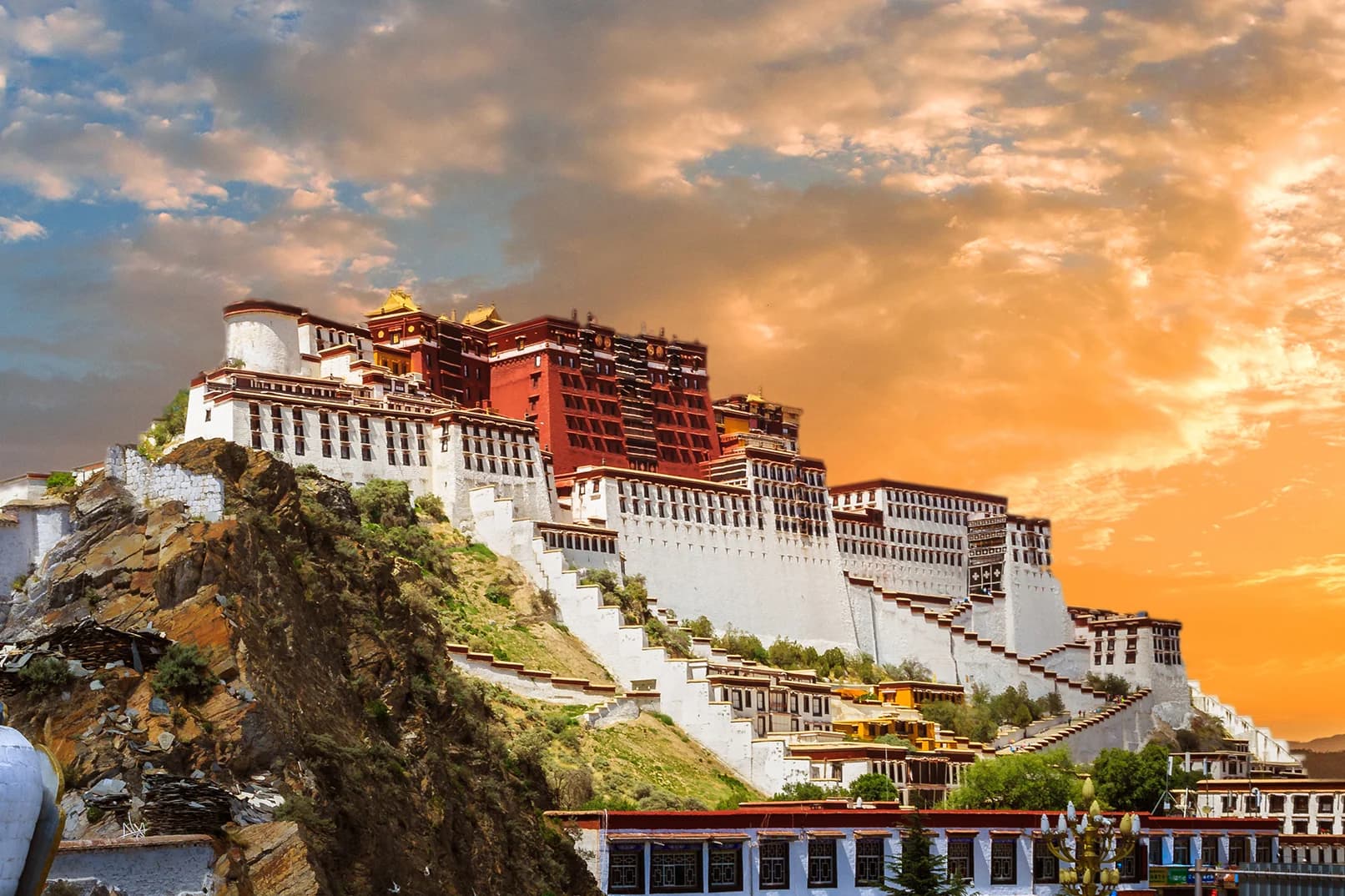
The Potala Palace, a World Heritage Site, is the largest and best-preserved ancient palace complex in Tibet, and was once the winter palace of the Dalai Lama. Standing at its foot and looking up, you will understand the meaning of "sacred majesty." Don't forget to visit the Chakpori Hill viewing platform opposite, the classic spot for taking the photo depicted on the back of the 50 RMB note. Suggested visit time: 2 hours.
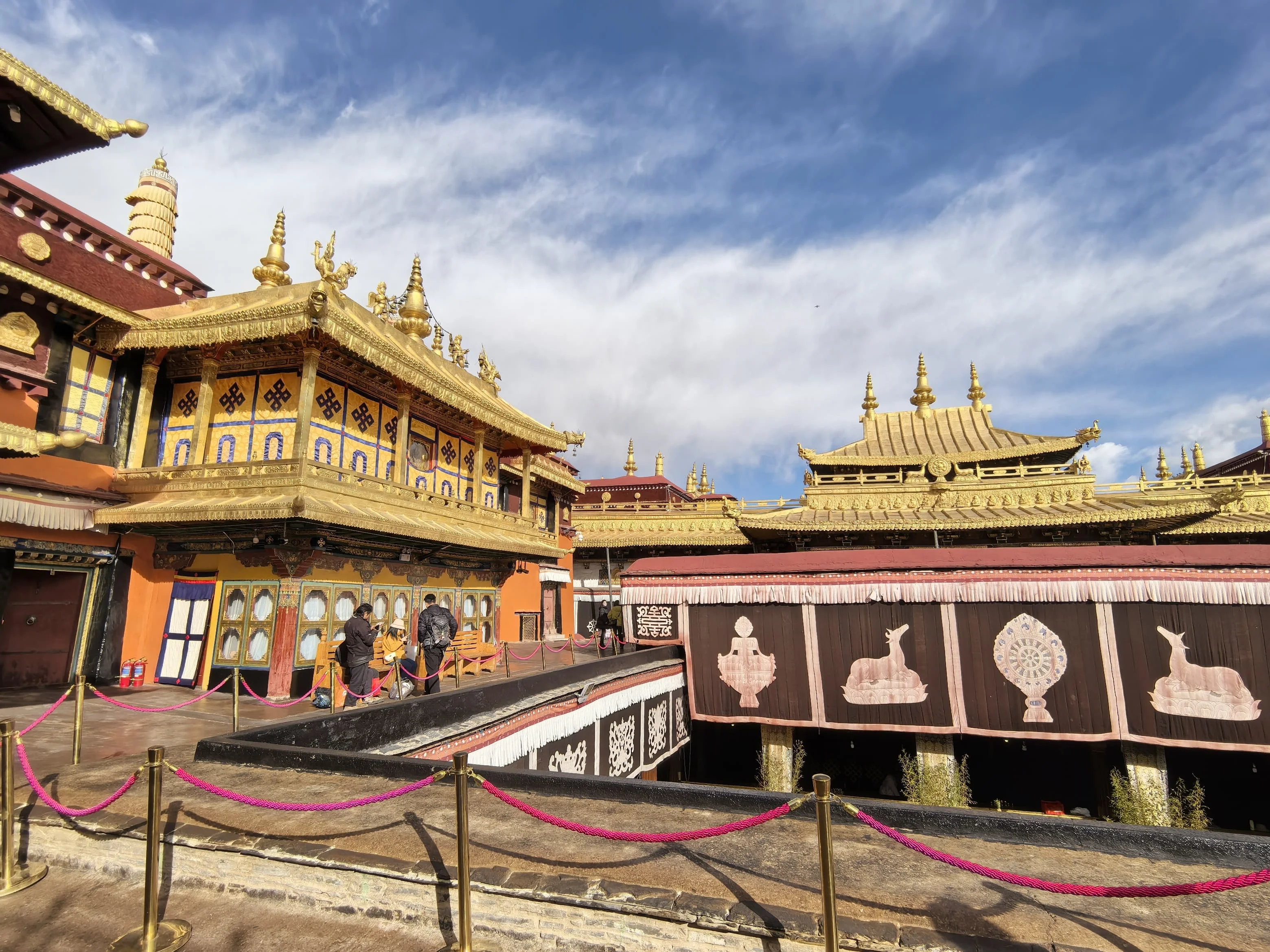
If the Potala Palace is the center of politics and history, then the Jokhang Temple is the source of faith. Devout pilgrims are always prostrating themselves in front of the temple, the cobblestones polished smooth by time and countless bodies. Circumambulating the Barkhor Street surrounding the temple is the best way to immerse yourself in the local culture. Suggested visit time: 1 hour. In the afternoon, you can watch the debates from the second-floor balcony.
3. Drepung Monastery and Sera Monastery
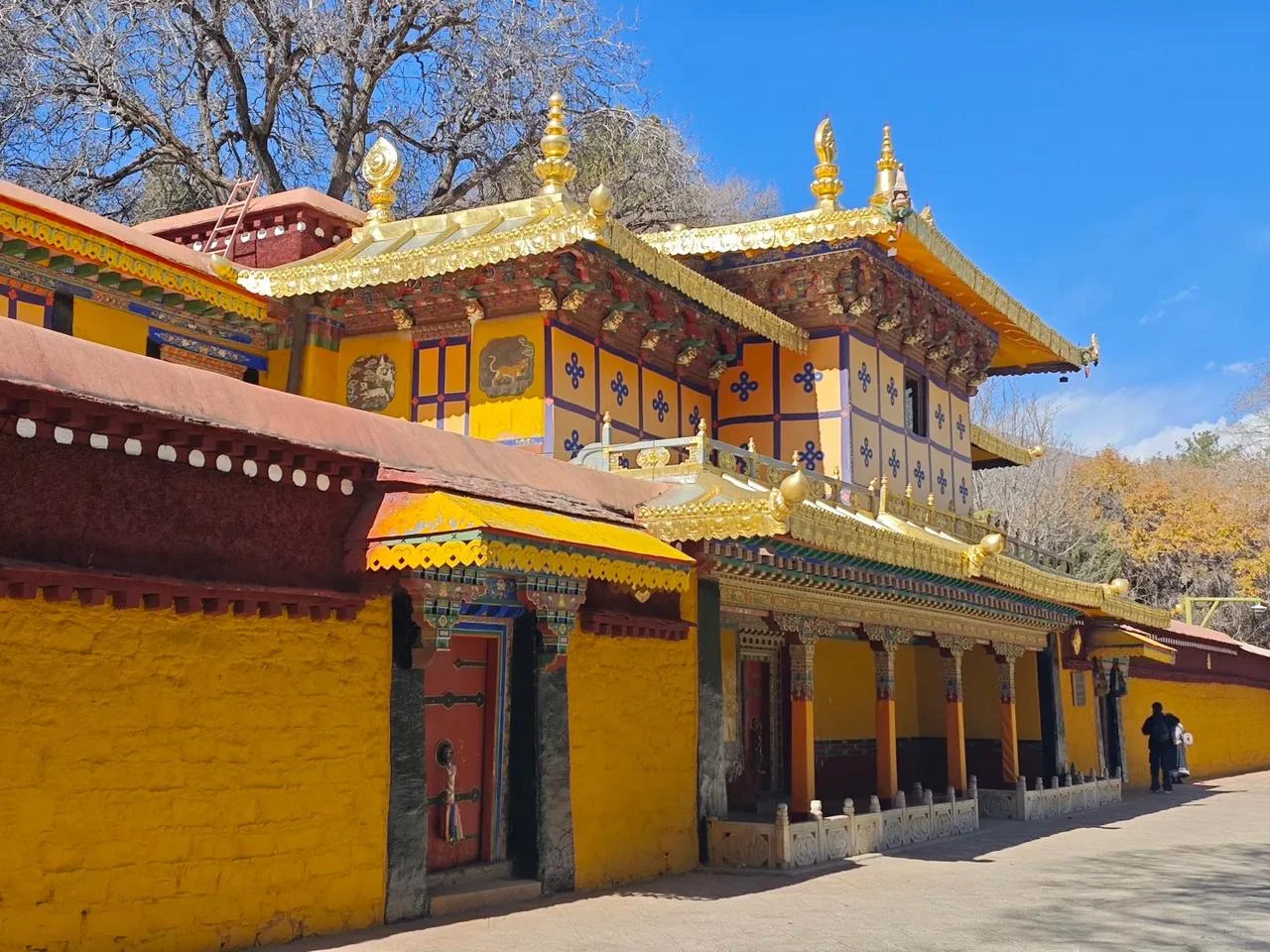
These two Gelugpa monasteries each have their own unique charm. Drepung Monastery is grand in scale, its buildings built into the mountainside, creating an imposing presence. Sera Monastery, on the other hand, is famous for its daily afternoon debating sessions. The monks clapping, pacing, and debating loudly create a highly engaging scene, worth seeing even if you don't understand Tibetan. Suggested visit time: 2 hours.
Sacred Lakes and Mountainous Peaks—The Natural Spirit of the Plateau
The soul of Tibet resides half in its temples and the other half in these lakes and snow-capped mountains.
1. Yamdrok Lake
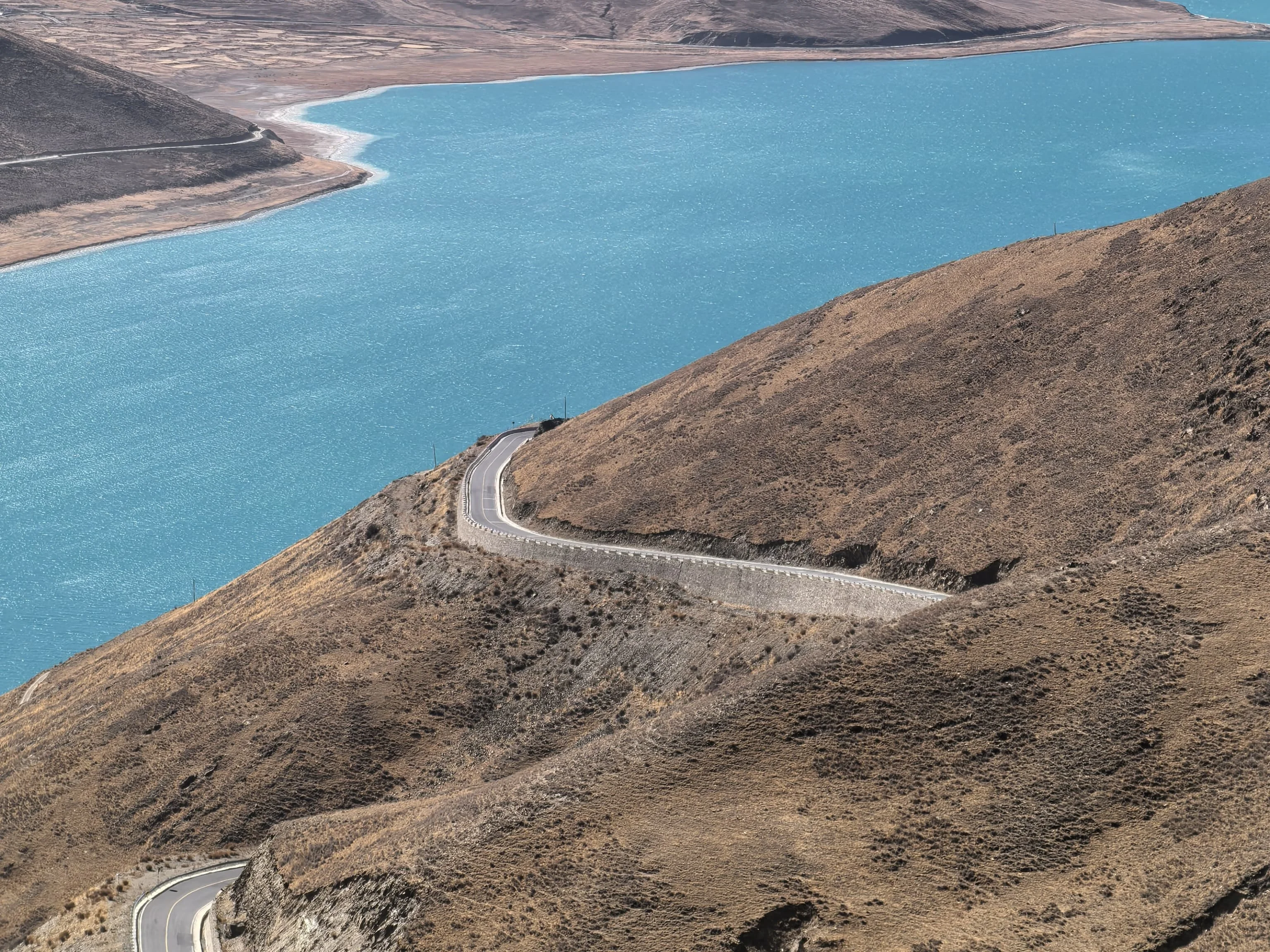
It's usually simply called "Yamdrok Lake." Its beauty lies in its ever-changing colors, transitioning from emerald green to sapphire blue, presenting a dreamlike hue under different lights and angles. After crossing the Gangbala Pass along the winding mountain road, the first glimpse of it lying quietly in the valley is breathtaking. It's recommended to stop by the lake, or even walk to the water's edge, to experience its tranquility.
2. Namtso Lake
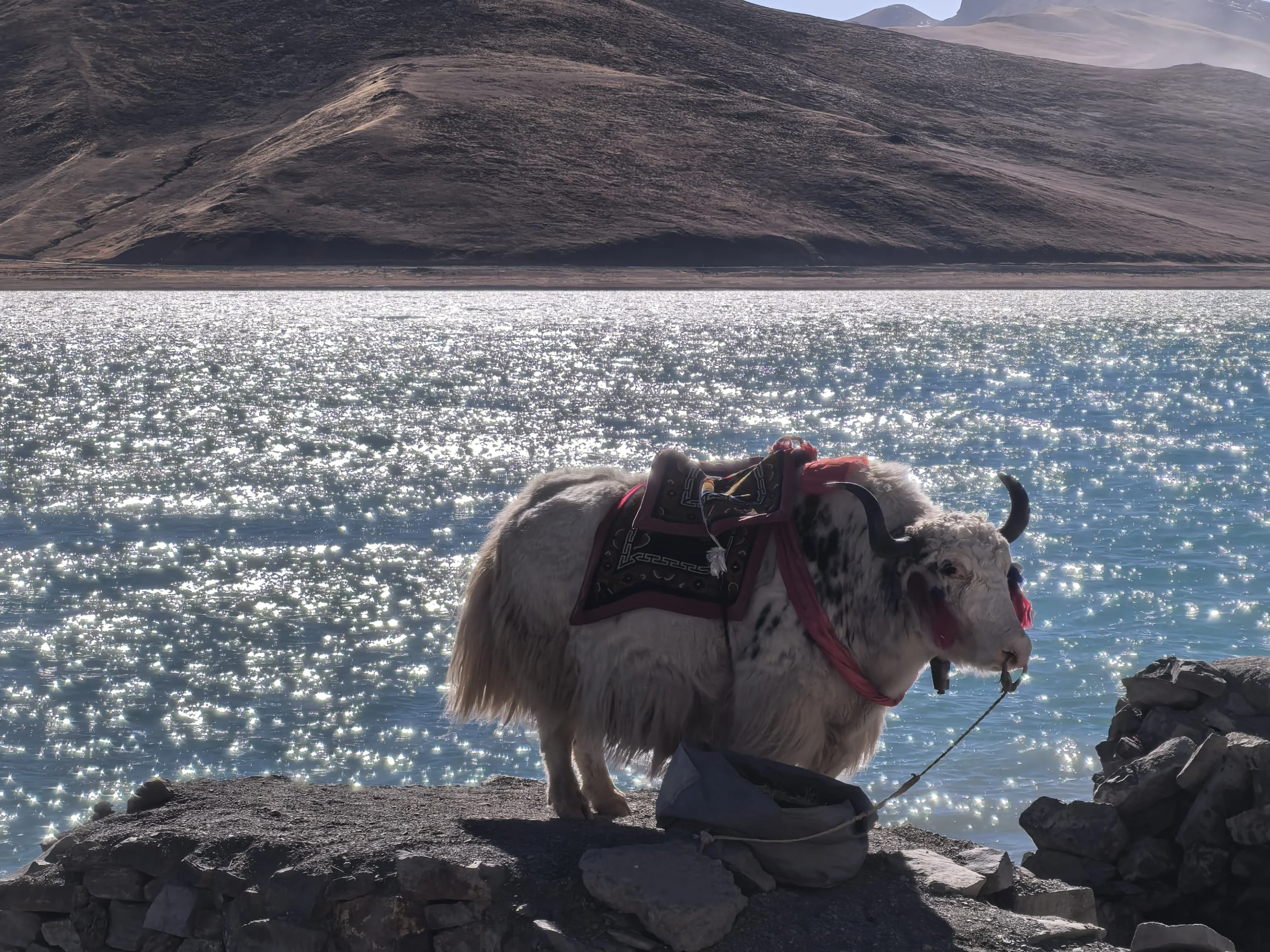
The foremost of Tibet's "Three Holy Lakes," and also the highest large lake in the world. Its beauty is even more vast and boundless. Spend a night on Tashi Peninsula (with basic accommodations), and you will have the chance to witness an unforgettable starry sky over Namtso, where the Milky Way seems to hang on the lake's surface above the Nyainqêntanglha Mountains.
3. Mount Everest
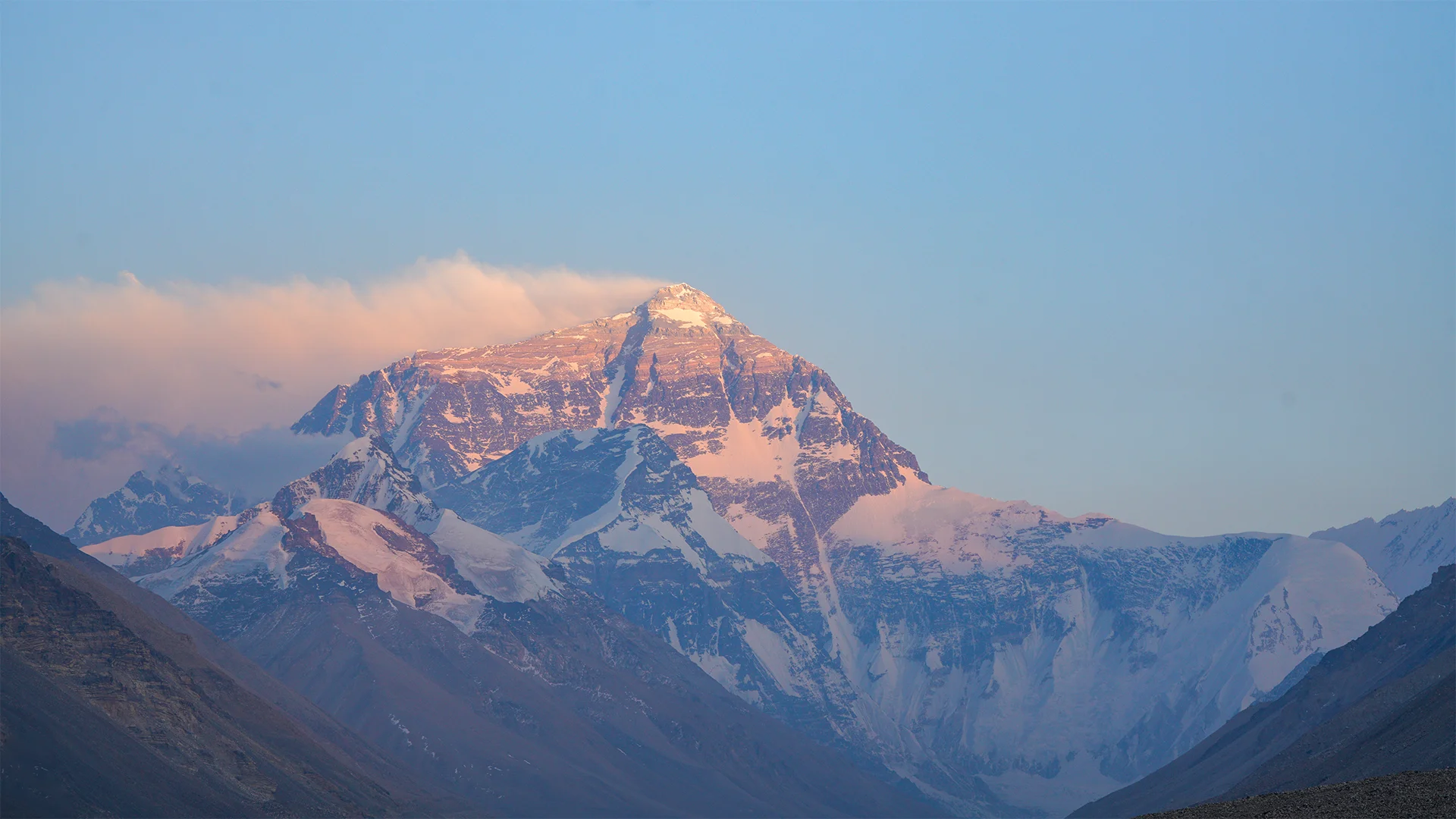
For most travelers, visiting Everest Base Camp (the south base camp on the Tibetan side) is a landmark experience. Here, you can gaze up at the summit of the world at the closest possible distance. Watching the sunrise illuminate the mountain in the evening and falling asleep under a sky free of light pollution is an ultimate experience. Due to its high altitude (approximately 5200 meters), please assess your physical condition before attempting this. Recommended visit time: 1 day.
Tsang and Ngari—Remnants of Civilization and the Call of the Wilderness
If you have more time and an adventurous spirit, head west; Tibet will reveal its more ancient and wilder side.
1. Tashilhunpo Monastery (Shigatse)
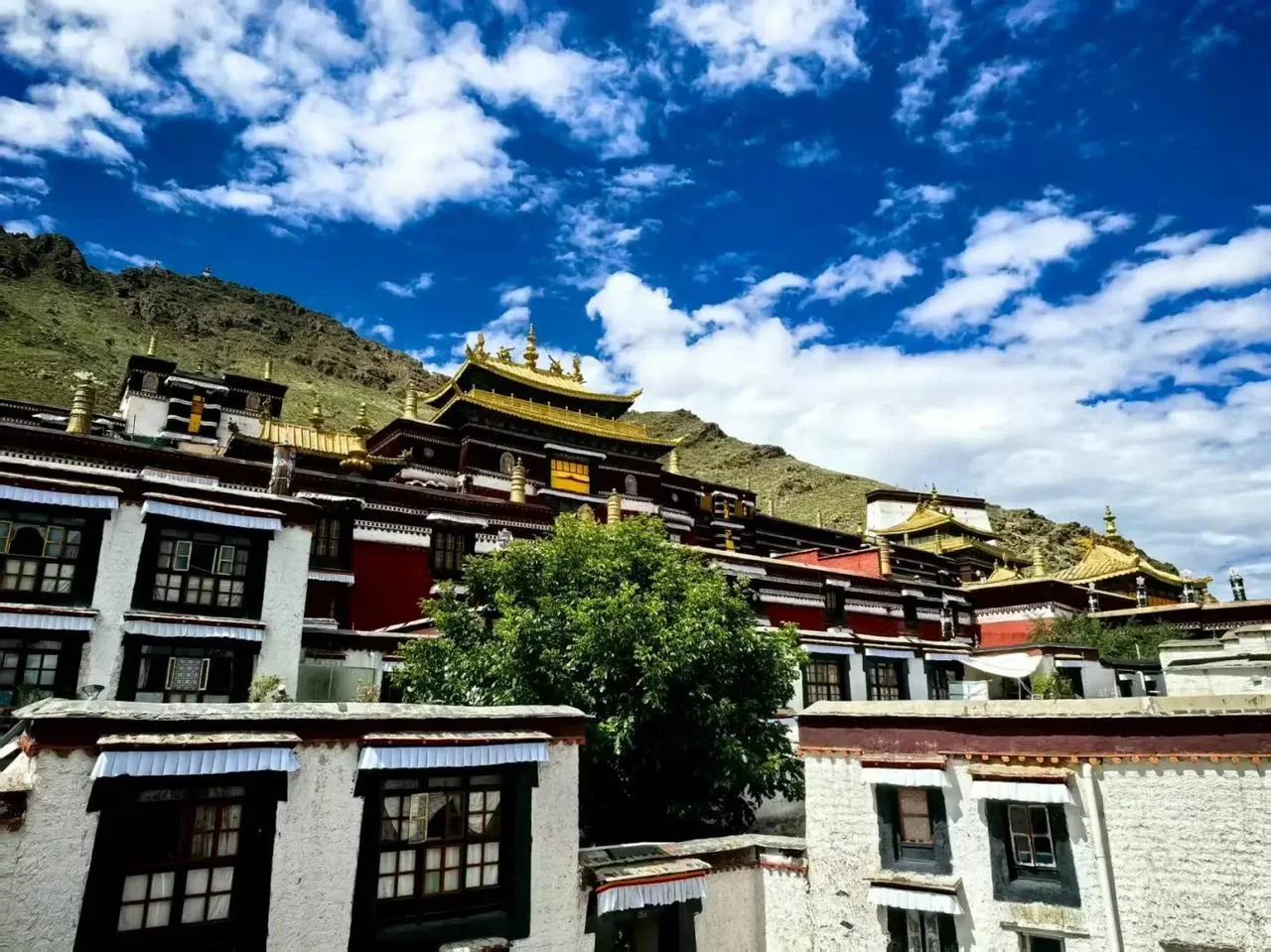
The largest monastery in the Tsang region, and the residence of the successive Panchen Lamas. Compared to the throngs of tourists in Lhasa, this place is more tranquil and solemn, with its red walls and golden roofs standing out against the blue sky. Suggested visit time: 2-3 hours
2. Ruins of the Guge Kingdom and Zanda Earth Forest (Ali)

This is a journey through time. Amidst the desolate and magnificent Zanda earth forest landscape, the suddenly rising ruins of the Guge Kingdom stand like a giant enigma. Wandering through the crumbling walls of palaces, temples, and caves, you can feel the awe and desolation of a civilization's sudden disappearance. This is a paradise for photography and history enthusiasts.
3. Lake Manasarovar and Mount Kailash (Ali)
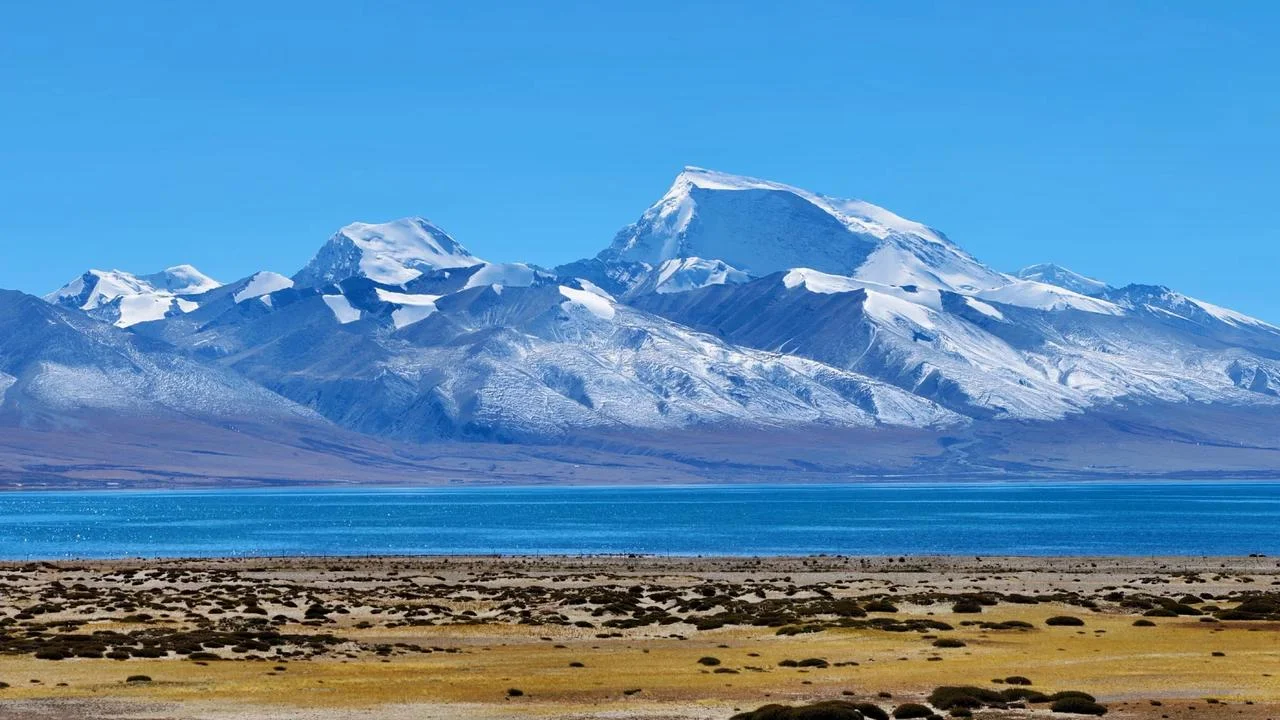
For many religions, including Tibetan Buddhism and Hinduism, this is the most sacred place. Mount Kailash is considered the "center of the world," and circumambulating it is a lifelong aspiration for believers. At its foot lies Lake Manasarovar, an "eternally invincible turquoise lake," whose clear and tranquil waters are said to cleanse the soul.
Exploring the Unfinished Journey of Tibet
Of course, Tibet's magic extends far beyond this. What's been mentioned above represents only the most classic aspects of this vast plateau. Its beauty lies hidden in many more corners worth exploring:
The Hidden "Jiangnan of Tibet": In eastern Nyingchi, peach blossoms blanket the mountains in spring, and autumn paints the forests in vibrant colors. The Lulang Forest and the Yarlung Tsangpo Grand Canyon showcase Tibet's gentle and beautiful side.
The Call of the Wilderness: The Qiangtang Grassland in the north is a paradise for wildlife, where Tibetan antelopes and wild yaks roam freely. The large lake system, including Siling Co, displays the desolate yet magnificent beauty of this uninhabited region.
A Symphony of Glaciers and Lakes: The Laigu Glacier and Ranwu Lake in Chamdo are characterized by their extreme glaciers and lakes.
Part 3: When is the Best Time to Visit?
Tibet's high altitude and continental location result in a typical plateau climate, generally cold and dry, with strong sunshine and large temperature differences. The northwest is drier and colder than the southeast, with most areas having an average annual temperature below 15℃.
Suggested Travel Time ↓
Golden Season (May-October): Mild climate, full bloom, suitable for all types of travel. July and August are the rainy season, but rain is mostly at night.
Off-Season (April, late October-November): Fewer tourists, generally better weather, but some high-altitude areas may be colder.
Note: During February and March each year, there may be temporary restrictions on foreign visitors to Tibet due to special circumstances. Please confirm with your travel agency before traveling.
Tibet in All Seasons ↓
Spring: Awakening
Spring in Tibet is short and chilly, with snow melting and vegetation sprouting. This is the best time to visit Lhasa and Shigatse, basking in the warm sunshine and quietly experiencing the solemnity of the temples.
Summer - Leisurely Stroll
Summer brings abundant sunshine and occasional light rain at night, making for pleasant weather. With the snow melting, it's the perfect time to visit Mount Everest and stroll through Nyingchi. Consider camping by Namtso Lake or relaxing at the Yangbajing Hot Springs.
Autumn - Vibrant Colors
Autumn deepens, painting the plateau in snow, yet it remains vibrant with life. Lhasa, Namtso Lake, Mount Everest, and other scenic spots remain open, offering breathtaking views.
Winter - Tranquil
Winter in Tibet is serene and bright, with warm days, excellent visibility, and few tourists. Enjoy the tranquility of the Potala Palace, witness the azure of frozen sacred lakes, and experience the rich atmosphere of the Tibetan New Year. Travel is also more affordable, with most scenic spots offering free or half-price admission during the winter, making it a high-value time to appreciate the beauty of the snow-covered land. However, many areas may be closed due to heavy snow.
Part Four: Experiencing Important Tibetan Festivals (2026)
The right time, the right Tibetan festivals! If you visit Tibet during these times, we highly recommend experiencing its important festivals.
1. Tibetan New Year (February 18, 2026)
Introduction: The most important traditional festival in Tibet, close to the Lunar New Year. It features grand welcoming ceremonies, sacrifices, family reunions, and the Guozhuang dance. People prepare traditional foods such as chema and barley wine, praying for a bountiful harvest and peace in the coming year.
2. Shoton Festival (August 12, 2026)
Introduction: Primarily featuring the unveiling of Buddha statues, Tibetan opera performances, and the display of Buddha images, this traditional festival in Lhasa and surrounding areas blends religion, art, and folk customs, attracting a large number of believers and tourists.
3. Wangguo Festival (July-August 2026)
Introduction: If you visit Tibet during this time, you can experience a Tibetan farmers' harvest festival, circling the fields with horse racing, singing and dancing, Tibetan opera, and other folk activities.
4. Nagqu Horse Racing Festival (August 10, 2026)
Introduction: Horse racing festivals are held in Nagqu and Damxung, Tibet. The Nagqu Horse Racing Festival is one of the largest folk festivals in northern Tibet, where you can participate in horse racing, archery, equestrian performances, and more.
Of course, Tibet has many more festivals than just these. If you decide to travel to Tibet and are interested in Tibetan traditional festivals, you can visit them during specific festival periods.
Part Five: Comprehensive Transportation Guide
How to Enter Tibet?
Fly to Lhasa (Fastest): Direct flights are available from Beijing, Chengdu, Chongqing, and other cities.
Train (Long distance but stunning scenery): Travel can be made from various parts of China, but the journey is longer. Alternatively, you can take the Qinghai-Tibet Railway, starting from Xining in Qinghai, passing through Hoh Xil, and crossing the Tanggula Mountains, gradually acclimatizing to the altitude.
How to Get Around in Tibet?
Within Cities: Taxis and ride-hailing services are readily available in Lhasa. You can also try a three-wheeled vehicle.
Between Cities: Chartering a car (with a driver) is the most common and flexible option. Travel agencies can arrange off-road vehicles and Tibetan drivers familiar with the roads.
Group Tours: Due to policy requirements, foreign tourists traveling in Tibet must have a guide and transportation arranged by a travel agency, essentially a "small group tour."
Part Six: Accommodation and Dining Guide
Accommodation Options
Lhasa: Abundant options, ranging from international brand hotels and boutique Tibetan-style hotels to youth hostels. Hotels with central oxygen supply or room-based diffused oxygen supply are recommended for better sleep.
Other Areas: Shigatse and Nyingchi have better hotels; remote scenic areas (such as Everest Base Camp and Namtso Lake) mostly have tent hotels or guesthouses with basic conditions, so be prepared.
Dining Experience
Tibetan Cuisine: Try sweet tea, butter tea, Tibetan noodles, yak meat dumplings, and tsampa. Tibetan yogurt is worth trying.
Other Options: Cities like Lhasa and Shigatse have a wide variety of Sichuan restaurants, Nepalese restaurants, and Western restaurants.
Dietary Advice: Upon arrival at high altitude, it is recommended to eat light meals, drink plenty of warm water, and avoid overeating.
Vegetarian Options: Some restaurants offer vegetarian options, but choices are limited; it is advisable to discuss this with your tour guide in advance.
Part 7: Health, Safety, and Cultural Etiquette
Coping with Altitude Sickness
Before Trip: Avoid catching a cold and maintain a good sleep schedule. Consult your doctor about necessary medications and take altitude sickness medication in advance.
Upon Arrival: Slow down your movements, drink plenty of warm water, and avoid showering and drinking alcohol on the first day.
Backup: Portable oxygen cylinders are readily available at Lhasa hotels and pharmacies.
Respecting Local Culture
Inside Temples: Visit temples in a clockwise direction, do not touch Buddha statues or murals, and always ask before taking photos. Photography is prohibited inside many temples; please respect these rules.
Interpersonal Relationships: Do not point at sacred mountains or Buddha statues; accept items with both hands.
Absolute Taboo: It is strictly forbidden to watch, photograph, or discuss sky burial ceremonies in any form. This is the most important respect.
Climate and Equipment
Strong sunlight; bring sunscreen, sunglasses, and a hat. If possible, carry some cash for emergencies.
Large temperature differences between day and night; even in summer, bring a warm jacket.
Comfortable, non-slip hiking shoes are recommended.
Disclaimer: This information is provided for reference only and was last updated on . Requirements and regulations may change. Always verify with official sources before making travel plans.