naturalLhasa
Namtso Lake
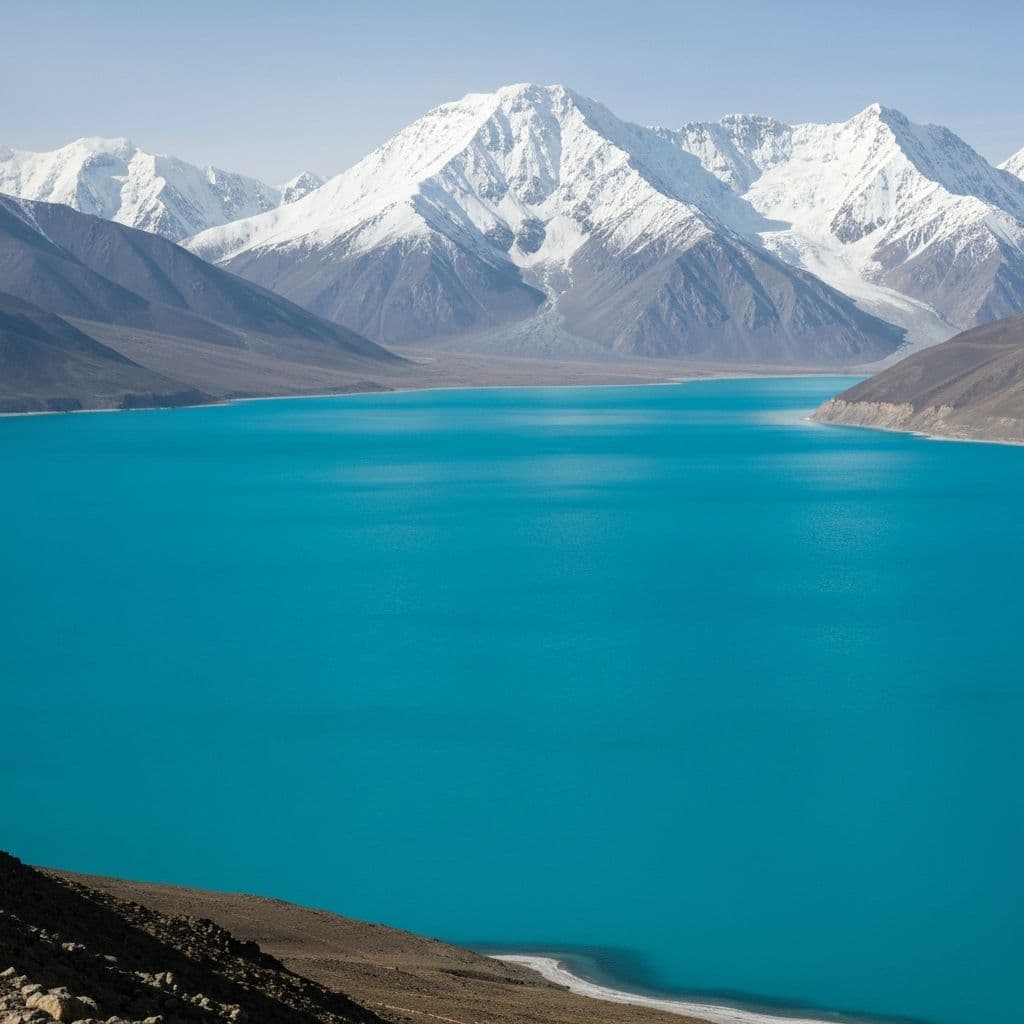
Tibet's largest lake and the world's highest saltwater lake at 4,718 meters, Namtso means 'Heavenly Lake' in Tibetan. The vast turquoise expanse backed by the 7,000m+ Nyenchen Tanglha mountain range creates a scene of incomprehensible beauty. Tashi Dor Peninsula with its cave hermitages is the main destination. Stargazing here reveals skies like nowhere else on Earth.
Opening Hours
8:00-21:30 (May-October); 9:00-19:30 (November-April)
Ticket Price
¥110,sightseeing bus ¥100 (May-October); ¥60,sightseeing bus ¥85 (November-April)
Location
Damxung County, Lhasa (250km from Lhasa)
Overview
Namtso, meaning "Heavenly Lake" in Tibetan, sits at an altitude of 4,718 meters. It is the highest large lake in the world and one of the three holy lakes of Tibet. The best time to visit is from June to September, when the weather is mild, the lake is thawed, and the scenery is at its most magnificent. A 1-2 day trip is recommended. Be aware of altitude sickness, avoid strenuous exercise, respect local religious customs, and remember that swimming in the sacred lake is prohibited.
How to Get There
Travel to Namtso usually begins in Lhasa. Foreign visitors to Tibet must travel with a tour group or by chartered vehicle; solo travel is not permitted. The journey takes approximately 4-5 hours, traversing the northern Tibetan grasslands, showcasing the scenery of the Qinghai-Tibet Railway, and crossing the Nagqu La Pass at an altitude of 5190 meters, where you can enjoy panoramic views of the sacred lake. Upon arrival at the scenic area, you will need to transfer to a sightseeing bus to enter the core tourist area of Tashi Peninsula. From there, you can hike or ride horses to admire the lake views and unique rock formations. If time permits, a two-day tour is recommended, with an overnight stay at a lakeside campsite or in Damxung County to photograph the starry sky and sunrise.
What to Expect
Basic visitor facilities have been built in the Namtso scenic area. The walking paths in the core area are mostly gravel roads, so comfortable walking shoes are recommended. There are simple restrooms at the entrance, but the conditions are rather basic. Near the visitor center on Tashi Peninsula, there are several small shops and stalls selling simple snacks, drinking water, and oxygen cylinders, as well as some local souvenirs. It is recommended that you carry some cash, as mobile payment signals may be unstable.
Practical Tips
- 1Requires overnight stay - 5+ hours from Lhasa
- 2Altitude (4,718m) is serious - acclimatize first
- 3Star photography opportunities are world-class
- 4May-October is accessible, winter roads often closed
Share This Attraction
Found this helpful? Share it with fellow travelers!
Explore Lhasa
Discover more attractions, food, and travel tips for Lhasa.
View destination
More Attractions to Explore
Lhasa·natural
Basongcuo Scenic Area
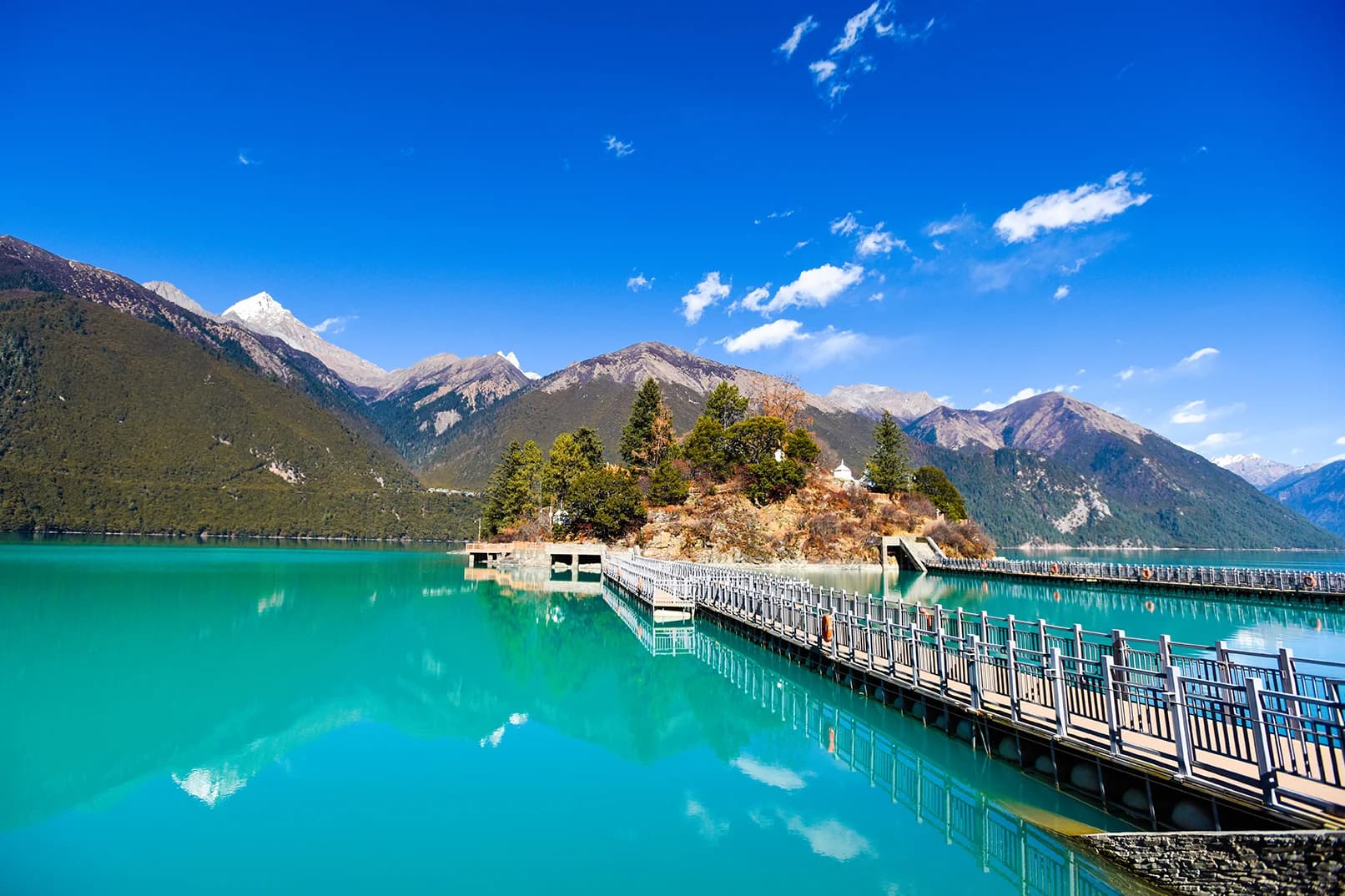
Basum Tso Scenic Area is a high-altitude natural landscape, renowned for its turquoise alpine lake, lush slopes, and Tibetan Buddhist cultural heritage. Although sometimes incorrectly listed under Xi'an in some online databases, it is actually located in Gongbo'gyamda County, Nyingchi City, Tibet Autonomous Region. Basum Tso Lake has long been revered in Tibetan culture, and the island monasteries in its center have close ties to the Nyingma school of Tibetan Buddhism, with a history dating back to the Tubo Dynasty and continuing religious activities into the 17th century.
Lhasa·natural
Yamdrok Lake Scenic Area(羊卓雍措景区)
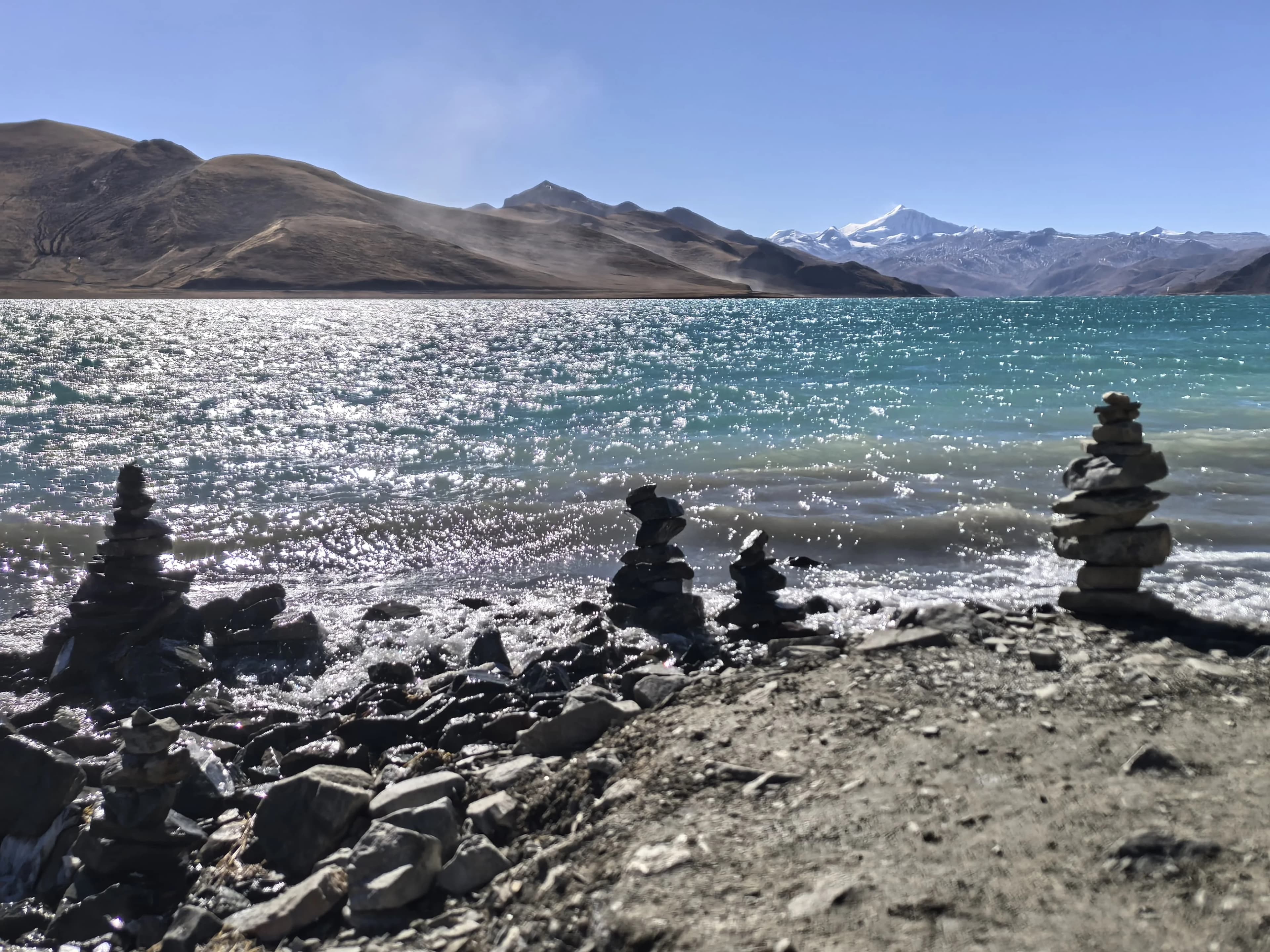
Yamdrok Lake is a natural scenic spot in Lhasa, renowned for its turquoise waters, magnificent mountain scenery, and its important place in Tibetan culture. Located about 70 kilometers southwest of Lhasa city center, Yamdrok Lake is one of the three holy lakes of Tibet. Its religious significance dates back to the Tubo Dynasty (7th-9th centuries AD), with local legends considering it an incarnation of a goddess. It is also situated on the ancient road connecting Lhasa and Gyantse, closely linked to Tibet's long-standing trade and pilgrimage sites.
Lhasa·religious
Jokhang Temple
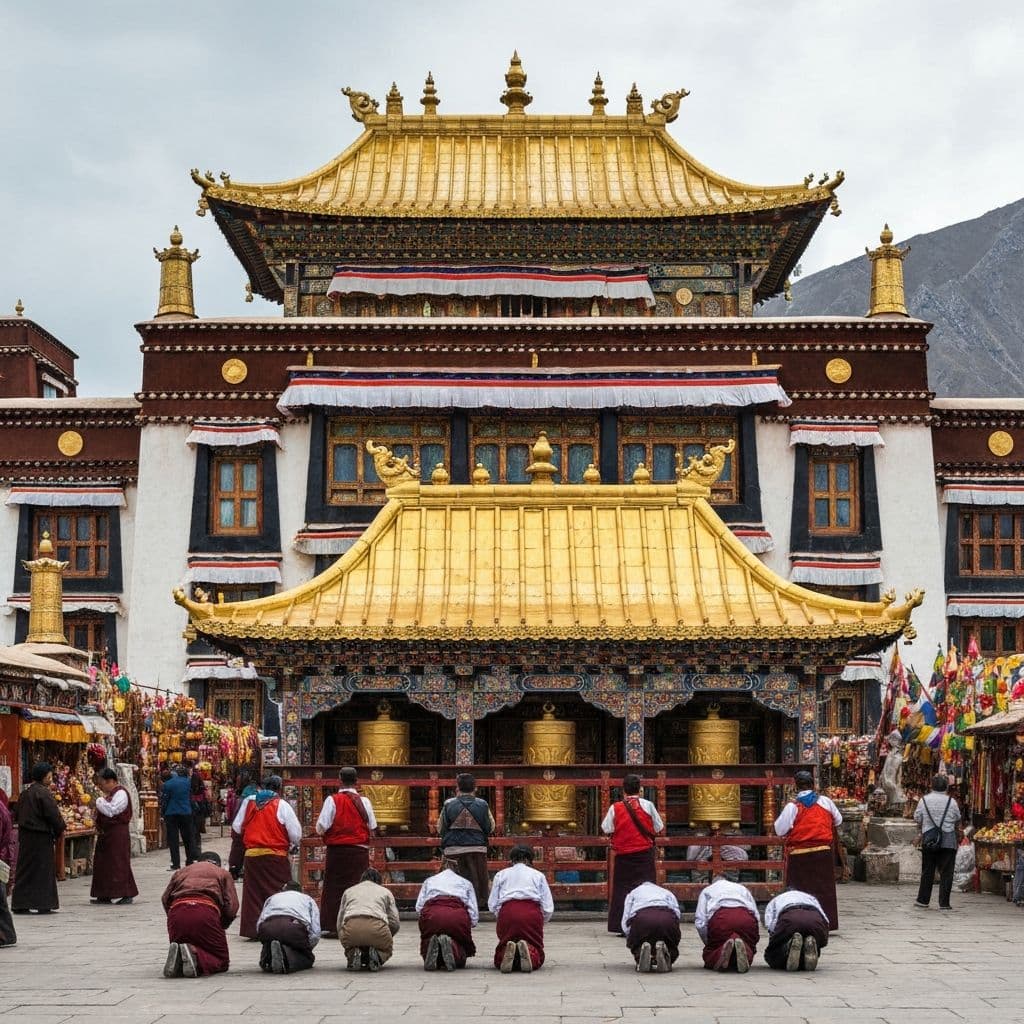
Tibet's most sacred temple, Jokhang is the spiritual heart of Tibetan Buddhism. Built in 647 AD, it houses the Jowo Rinpoche - a gold statue of the young Buddha said to have been blessed by Buddha himself. Pilgrims prostrate around the temple on the Barkhor circuit, spinning prayer wheels and burning juniper incense. The rooftop offers stunning views of Potala Palace.