historicalBeijing
Forbidden City (Palace Museum)
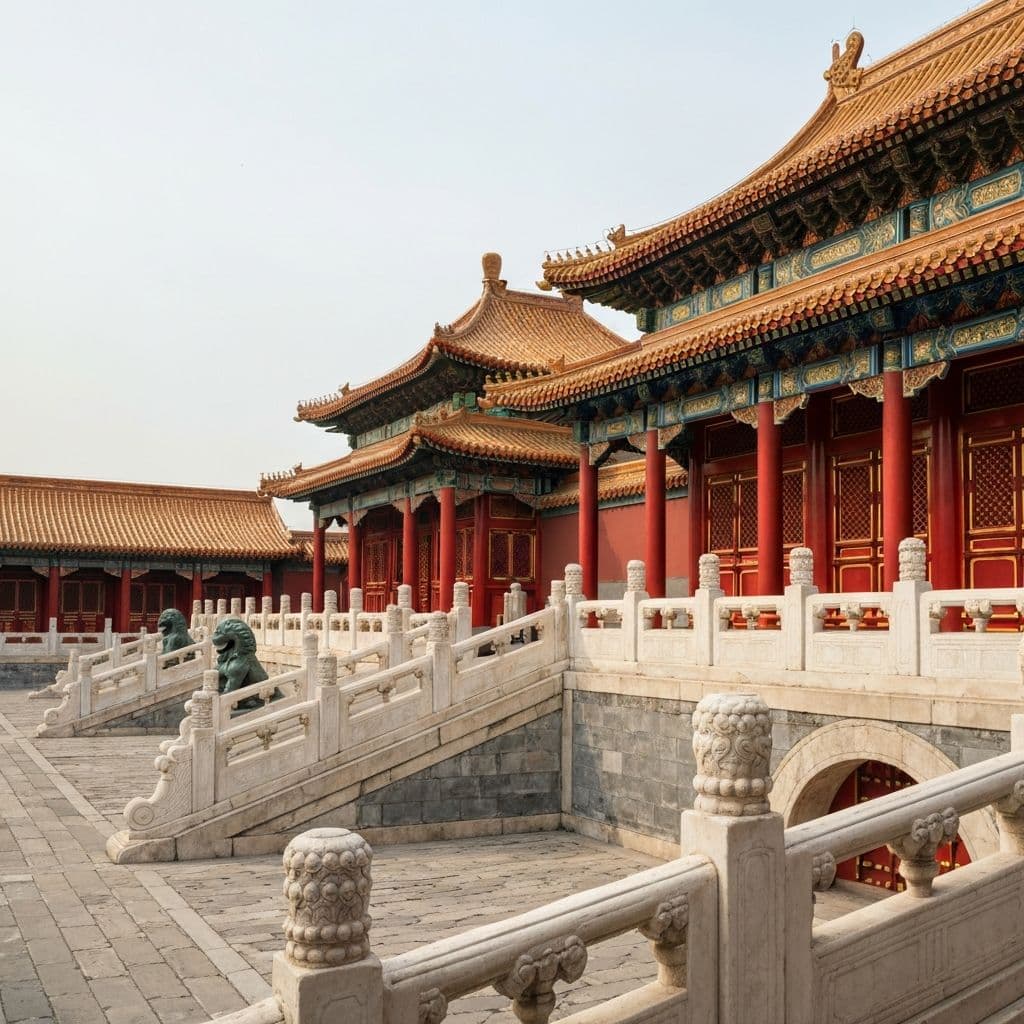
The world's largest palace complex spans 180 acres and contains 980 surviving buildings with 8,886 rooms. Home to 24 emperors of the Ming and Qing dynasties for nearly 500 years, it represents the pinnacle of traditional Chinese palatial architecture. The Palace Museum now houses over 1.8 million artifacts from the imperial collection.
Opening Hours
8:30 AM - 4:00 PM (Apr-Oct), 8:30 AM - 3:30 PM (Nov-Mar), Closed Mondays
Ticket Price
¥60 (Apr-Oct), ¥40 (Nov-Mar)
Location
4 Jingshan Front St, Dongcheng District, Beijing
Overview
The Forbidden City (Palace Museum) is a must-see attraction in Beijing. This former imperial palace of the Ming and Qing dynasties is now a world-class museum, boasting magnificent ancient architecture and countless precious cultural relics. The best time to visit is autumn (September-October). It is recommended to allow 3 to 5 hours. The classic route is a one-way trip from south to north, entering through the Meridian Gate (Wu Gate), and visiting the core palaces such as the Hall of Supreme Harmony and the Palace of Heavenly Purity along the central axis, finally exiting through the Gate of Divine Might.
How to Get There
The most convenient way to get to the Forbidden City is by subway. Take Line 1 to Tiananmen East or West Station, or take Line 8 to Jinyu Hutong Station, Exit C. Several bus lines (such as routes 1, 5, 52, and Sightseeing Line 1) also reach the vicinity. Note: The Forbidden City operates on a one-way system, with entry from the south and exit from the north. The only entrance is the Meridian Gate (Wu Men), and the exits are either the Gate of Divine Might (Shenwu Men) or the East Prosperity Gate (Donghua Men).
What to Expect
The Forbidden City features mostly stone-paved paths and wooden thresholds, requiring a lot of walking; comfortable shoes are recommended. Restrooms are fairly evenly distributed and have English signage. Several souvenir shops (the largest inside and outside the Shenwu Gate) offer unique gifts such as "Forbidden City Cats." Restaurants and the Ice Cellar Restaurant within the Forbidden City offer light meals, but prices are high; bring your own snacks. It's advisable to pick up a free map at the entrance for navigation.
Practical Tips
- 1Book tickets online at least 1 day ahead - walk-ins not accepted
- 2Enter through Meridian Gate, exit through Gate of Divine Prowess
- 3Allow 3-4 hours minimum, full day for treasure galleries
- 4Climb Jingshan Park opposite for the best aerial view
- 5The Treasure Gallery and Clock Gallery within the scenic area require separate tickets.
Share This Attraction
Found this helpful? Share it with fellow travelers!
Explore Beijing
Discover more attractions, food, and travel tips for Beijing.
View destination
More Attractions to Explore
Beijing·historical
Badaling Great Wall
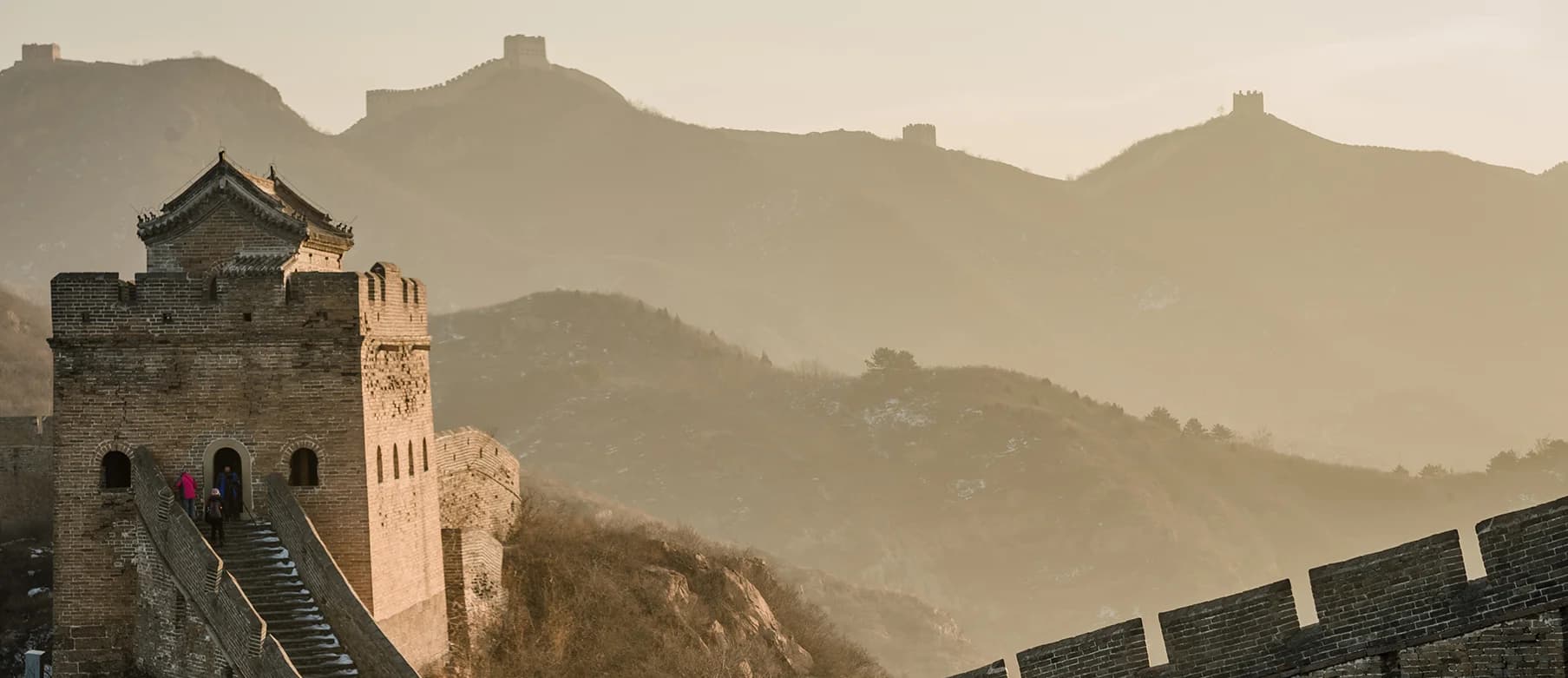
Badaling, the most famous and best-preserved section of the Great Wall, is located about 80 kilometers northwest of Beijing. As an important military fortress during the Ming Dynasty, it holds immense historical significance, having protected the capital from northern invasions. Today, visitors can stroll along the expansive walls, climb the beacon towers, and enjoy panoramic views of the rolling mountains, truly experiencing the grandeur of this ancient wonder.
Beijing·historical
Prince Gong's Mansion
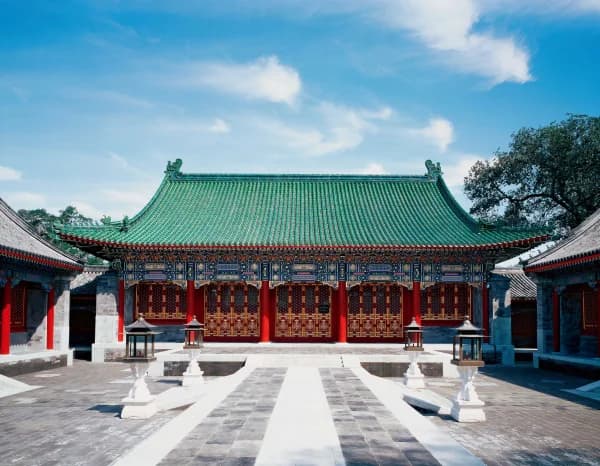
Prince Gong's Mansion is one of the best-preserved and most luxurious Qing Dynasty imperial residences in Beijing. This complex is a masterpiece of classical Chinese gardens and residential architecture, showcasing the opulent lifestyle of Qing Dynasty nobility. Visitors can explore exquisitely designed halls, courtyards, and a magnificent 28,000-square-meter garden filled with artificial hills, pavilions, and tranquil lakes.
Beijing·historical
Temple of Heaven
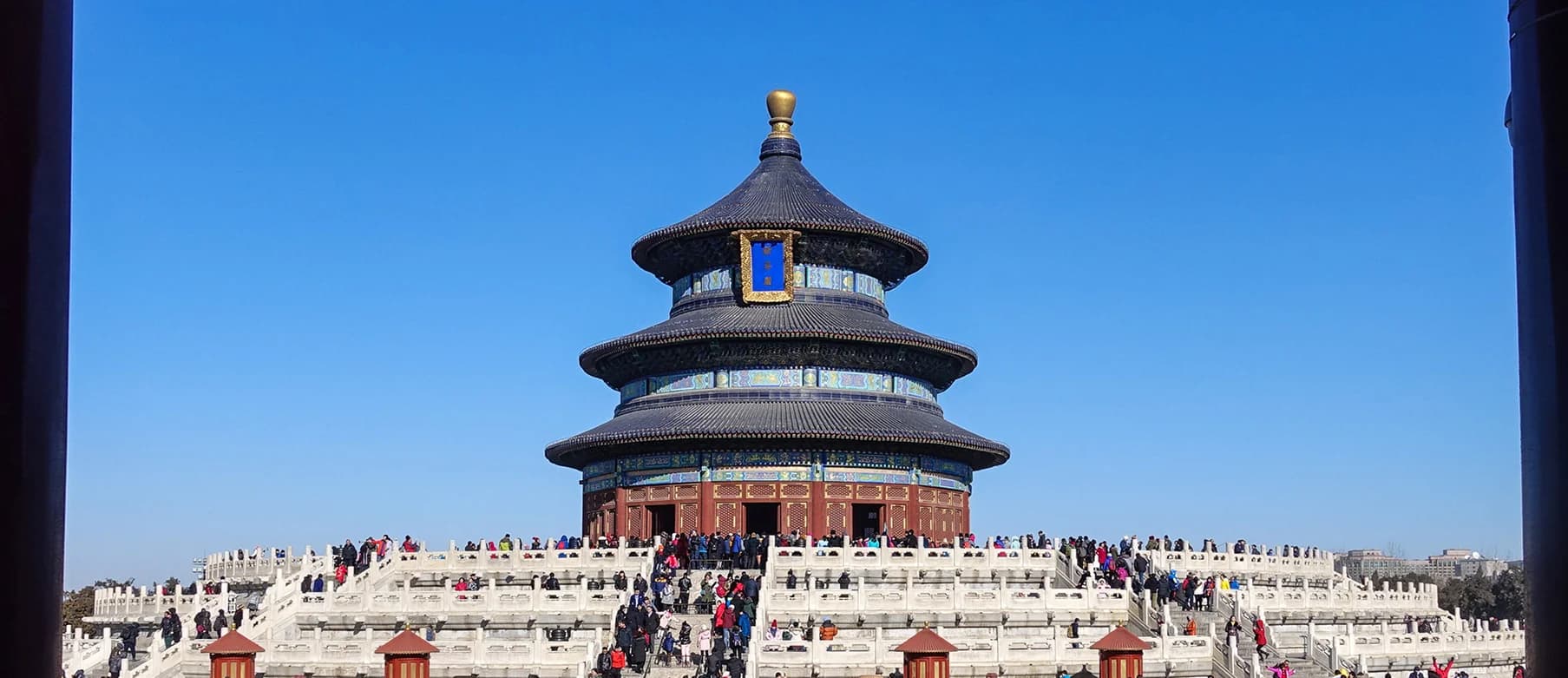
The Temple of Heaven, a magnificent imperial architectural complex in Beijing and a UNESCO World Heritage Site, is renowned for its profound historical and architectural significance. This vibrant park serves as both a tranquil retreat and an excellent way to gain a deeper understanding of China's imperial history.