Loading...

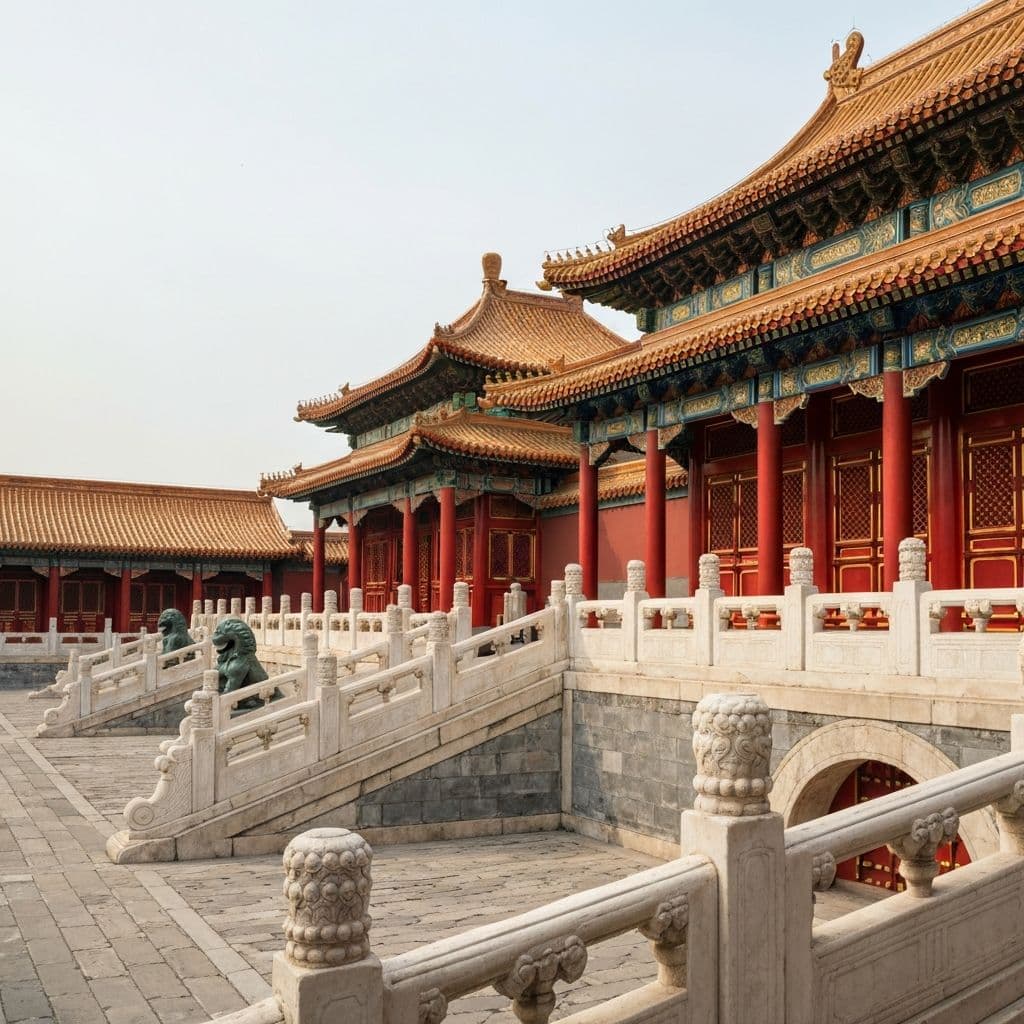
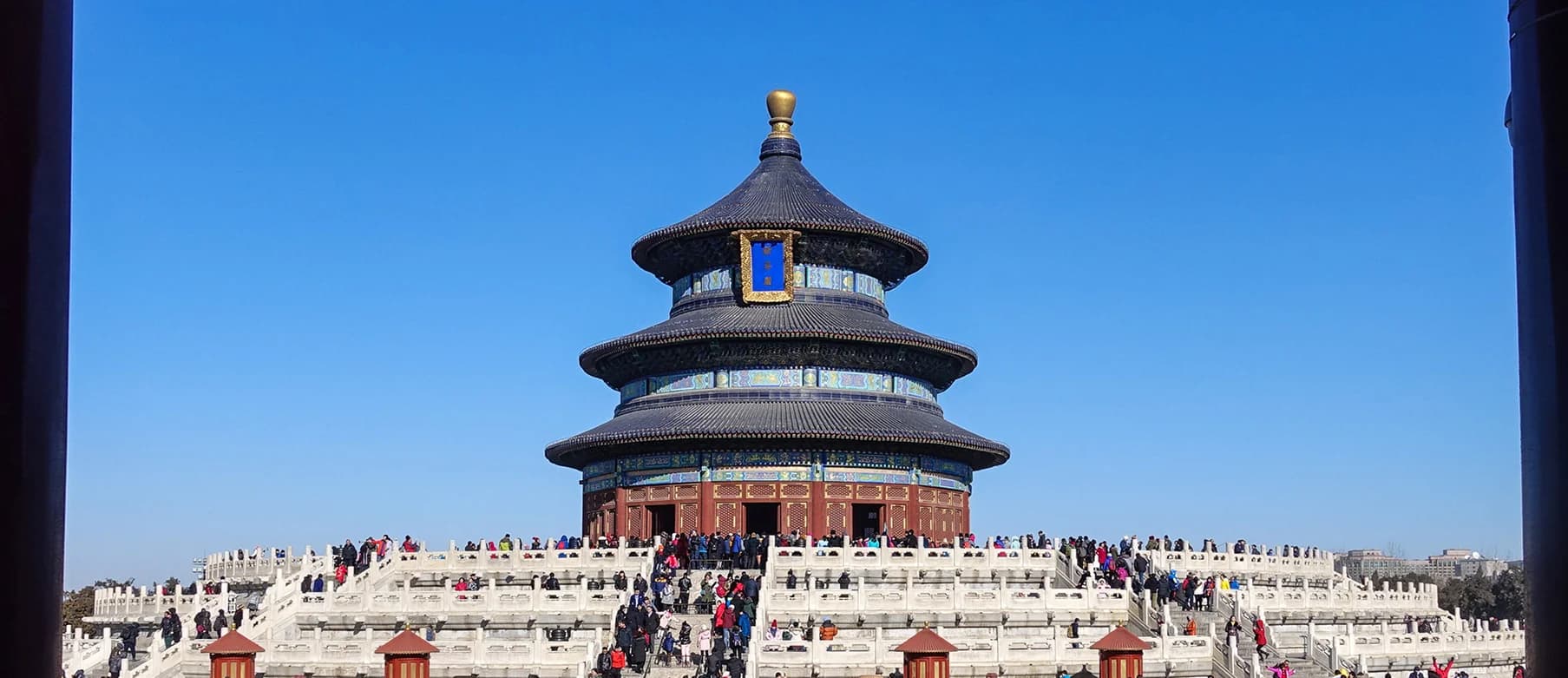
The Temple of Heaven, a magnificent imperial architectural complex in Beijing and a UNESCO World Heritage Site, is renowned for its profound historical and architectural significance. This vibrant park serves as both a tranquil retreat and an excellent way to gain a deeper understanding of China's imperial history.
(April to October) 6:00 AM - 10:00 PM; (November to March) 6:30 AM - 10:00 PM
Entrance ticket ¥15, combined ticket ¥34 (April to October); Entrance ticket ¥10, combined ticket ¥28 (November to March)
No. 1, Tiantan Road, Dongcheng District, Beijing
The Temple of Heaven was where emperors of the Ming and Qing dynasties offered sacrifices to Heaven and prayed for good harvests. It is also the largest existing ancient sacrificial architectural complex in China. It is recommended to allow 2-3 hours for your visit. The best time to visit is during spring and autumn when the weather is pleasant. If you want to avoid crowds for photos, it is advisable to go in the morning when it opens or in the evening.
Taking the subway is the most convenient option: Take Line 5 to "Temple of Heaven East Gate Station" and exit from Exit A, or take Line 8 to "Tianqiao Station" and exit from Exit C to reach the corresponding entrance. Many bus lines (such as routes 6, 34, 35, 36, and 120) also go directly to the East Gate, South Gate, or West Gate. Recommended classic route: Enter from the South Gate, visit the Circular Mound Altar, Echo Wall, and Imperial Vault of Heaven in sequence, then walk north along the Danbi Bridge to reach the iconic Hall of Prayer for Good Harvests, and finally exit from the East Gate.
Expect a significant amount of walking on paved paths and some stairs to access the raised platforms of the main halls. Comfortable shoes are highly recommended. The site is generally accessible, but the park is extensive. Facilities include restrooms, several gift shops selling souvenirs, and small vendors selling snacks and drinks. There are also tea houses and areas where you can relax and watch local life.
Found this helpful? Share it with fellow travelers!
Discover more attractions, food, and travel tips for Beijing.

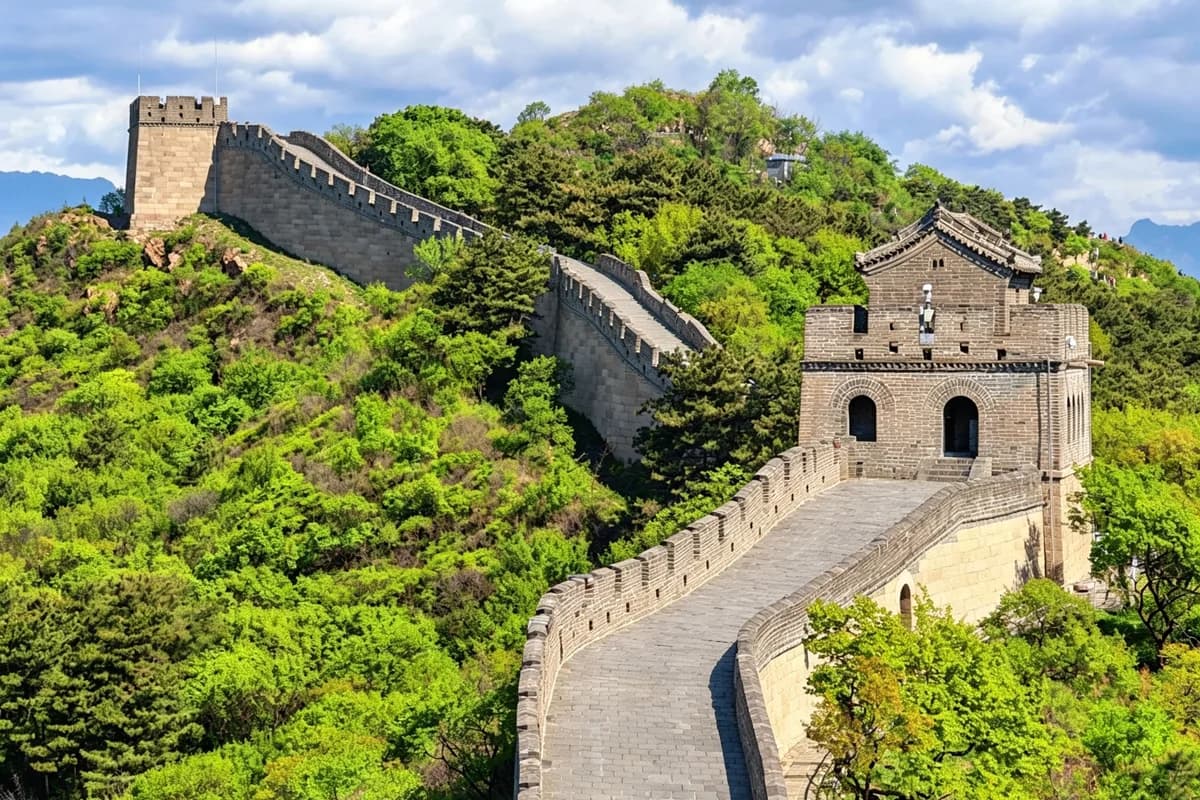
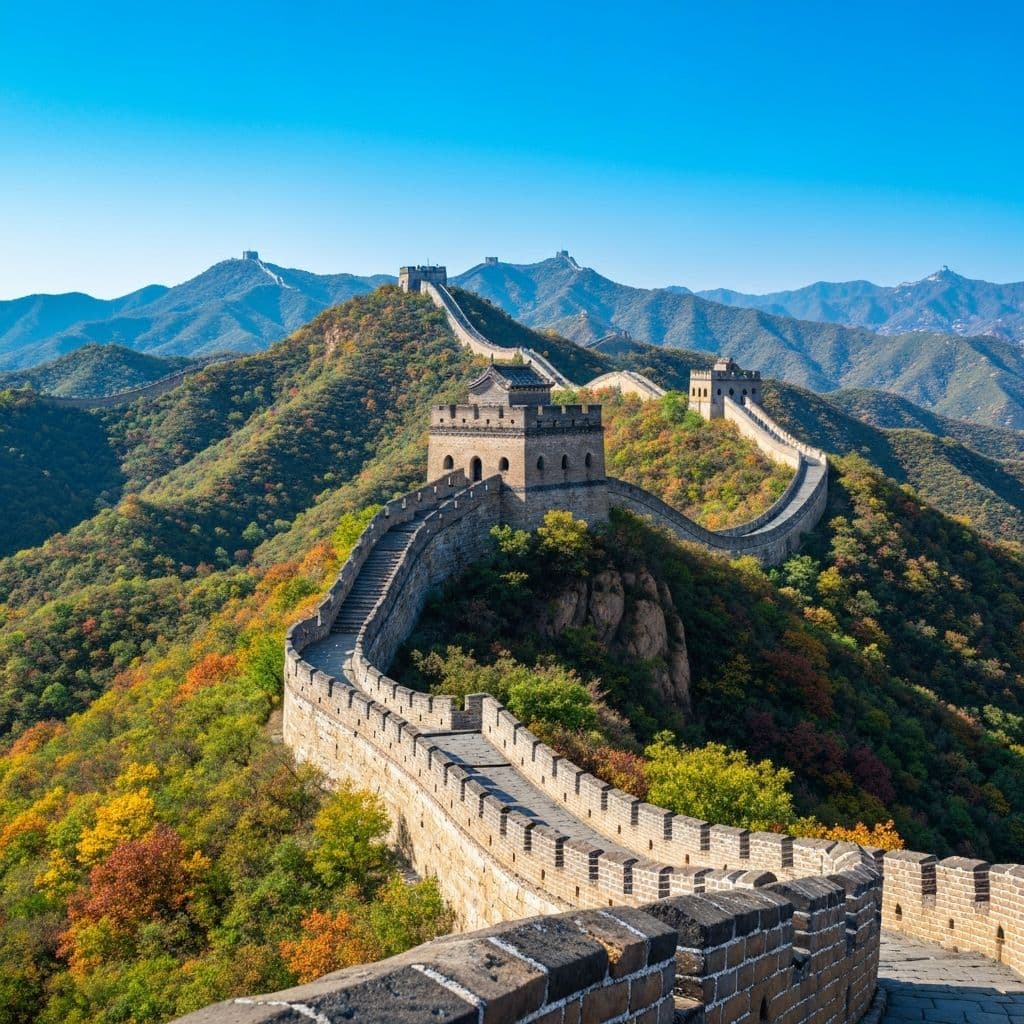
Badaling, the most famous and best-preserved section of the Great Wall, is located about 80 kilometers northwest of Beijing. As an important military fortress during the Ming Dynasty, it holds immense historical significance, having protected the capital from northern invasions. Today, visitors can stroll along the expansive walls, climb the beacon towers, and enjoy panoramic views of the rolling mountains, truly experiencing the grandeur of this ancient wonder.

Baisha Old Town is the earliest settlement of the Naxi Kingdom and serves as a tranquil alternative to the bustling Lijiang Old Town. Located at the foot of Jade Dragon Snow Mountain, this historic village offers a glimpse into authentic local life with its traditional cobblestone streets and well-preserved mud-brick houses. Visitors can explore the famous Baisha Murals, which depict a unique fusion of Taoist, Buddhist, and Tibetan art, and wander through quiet courtyards away from the commercial crowds. The town retains a slow-paced, rural atmosphere, making it perfect for those seeking cultural immersion and relaxation. It is an ideal spot for photography and enjoying a cup of local tea while watching the world go by.

The Canton Tower, standing at 600 meters tall, is China's tallest tower and, when it opened in 2010, the world's tallest freestanding structure. Its unique twisted, lattice-like design, narrowing at the waist, resembles a slender woman. Highlights include the world's highest outdoor observation deck, a skydiving attraction, and a bubble cable car that encircles the top. The tower's LED lighting creates a breathtaking light show at night.