The Imperial Kiln Museum is situated within the Taoyangli Imperial Kiln Archaeological Site Park—the location of the imperial kilns during the Ming and Qing dynasties and a unique site in the history of world ceramics. A vast number of shards of imperial porcelain—pieces that were flawed during firing and subsequently broken and buried on-site—have been unearthed here. Once restored, these fragments offer insight into the standards and craftsmanship of ancient imperial porcelain.
What should I focus on?
Exhibition Halls: Featuring restored imperial porcelain from the Yongle, Xuande, and Chenghua reigns—including a vast array of blue-and-white and "sweet white" glazed imperial wares—as well as a massive wall of porcelain shards on the basement level, offering an intuitive look at the selection process for imperial porcelain in ancient times.
Archaeological Excavation Pits: Sites where broken imperial porcelain from the Ming Dynasty was discarded and buried.
Longzhu Pavilion: The highest point of the site, offering a panoramic view of the historic Taoyangli district and the museum complex.
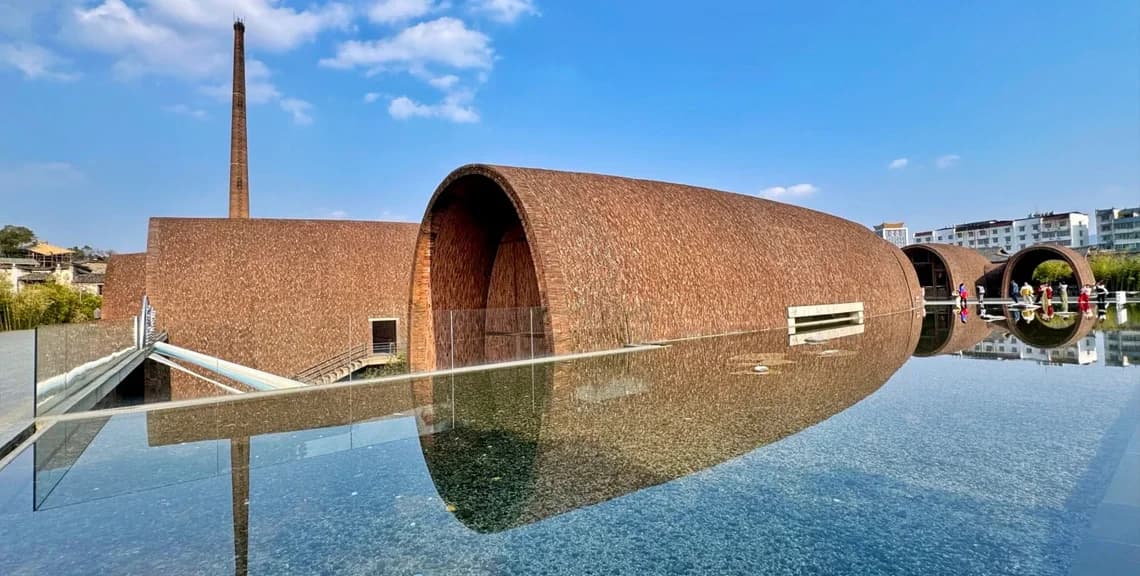
Reflecting Pool: An iconic photo spot; at dusk, the blue-hued lighting creates a highly atmospheric setting.
Taoyangli Historic Alleys: Characterized by lanes paved with old kiln bricks and traditional workshops, these alleys are perfect for exploring small ceramic boutiques and creative cultural shops.
How to get there
Recommended transport: Taxi or ride-hailing service; set your destination to "Imperial Kiln Museum (Taoyangli)."
Local e-scooter: You can rent an electric scooter in the city to reach the site—just be mindful of traffic restrictions and designated parking areas in the old town.
Public bus: Take bus route 1 or 4 to a stop near Taoyangli.
Recommended Visiting Routes
Quick Tour (1.5 hours)
Enter via the South Gate → Ascend Longzhu Pavilion → Visit the Imperial Kiln Museum galleries (featuring the vaulted arches and the porcelain-shard wall) → Take photos at the reflecting pool → Stroll through the narrow alleys of Taoyangli before departing.
In-depth Tour (2.5–3 hours)
Enter via the South Gate → Explore the Ming Dynasty Imperial Kiln archaeological excavation sites → Visit the Youtao Lingci Temple → Ascend Longzhu Pavilion → Tour all galleries of the Imperial Kiln Museum → Visit the Xu Family Kiln (a historic kiln workshop) → Stay until after 19:00 to capture the night view of the red-brick structures illuminated by lights.
Suitable for which types of visitors
Ceramic history enthusiast and researcher of cultural heritage
Architectural and landscape photographer
Traveler seeking in-depth cultural experiences or high-end, bespoke small-group tours
Traveler with an interest in historic urban streets and artisanal, creative crafts
Practical Advice
Best times to visit: 14:00–17:00, when natural light filters through the vaulted ceiling to create stunning light-and-shadow effects; or 19:00–21:00, to enjoy the evening illuminations.
Guided tours: Scheduled free guided tours in Chinese are available; English audio guides can be rented, making it convenient for international visitors.
Prohibited items: Food, drinks, and pets are not allowed inside the exhibition halls. Large luggage may be stored in the lockers provided on-site.
Nearby attractions: After your visit, you can explore the Taoyangli neighborhood to sample local snacks or browse independent ceramic studios.