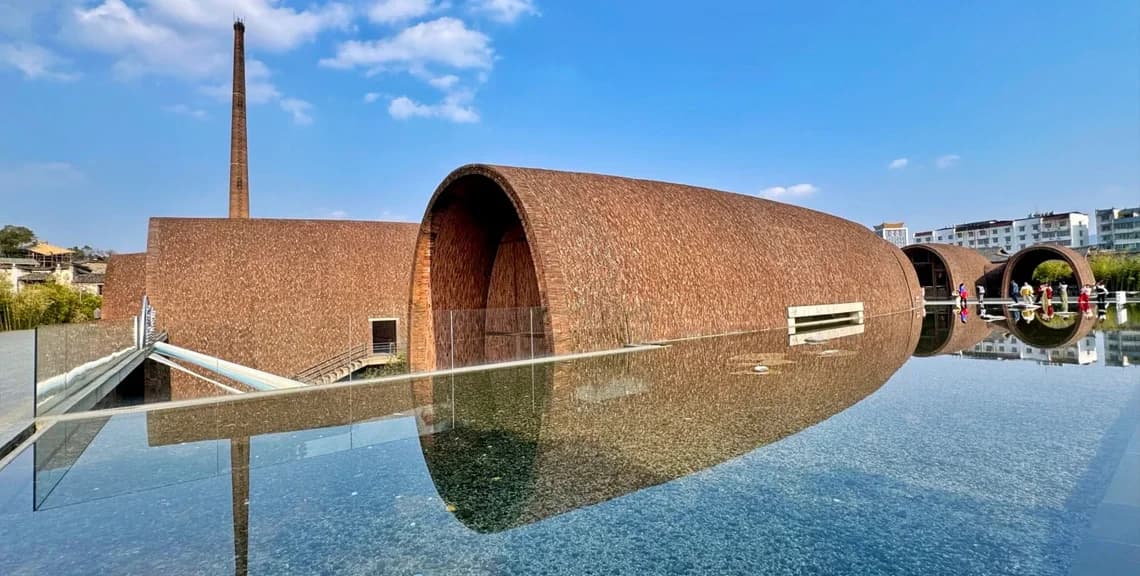
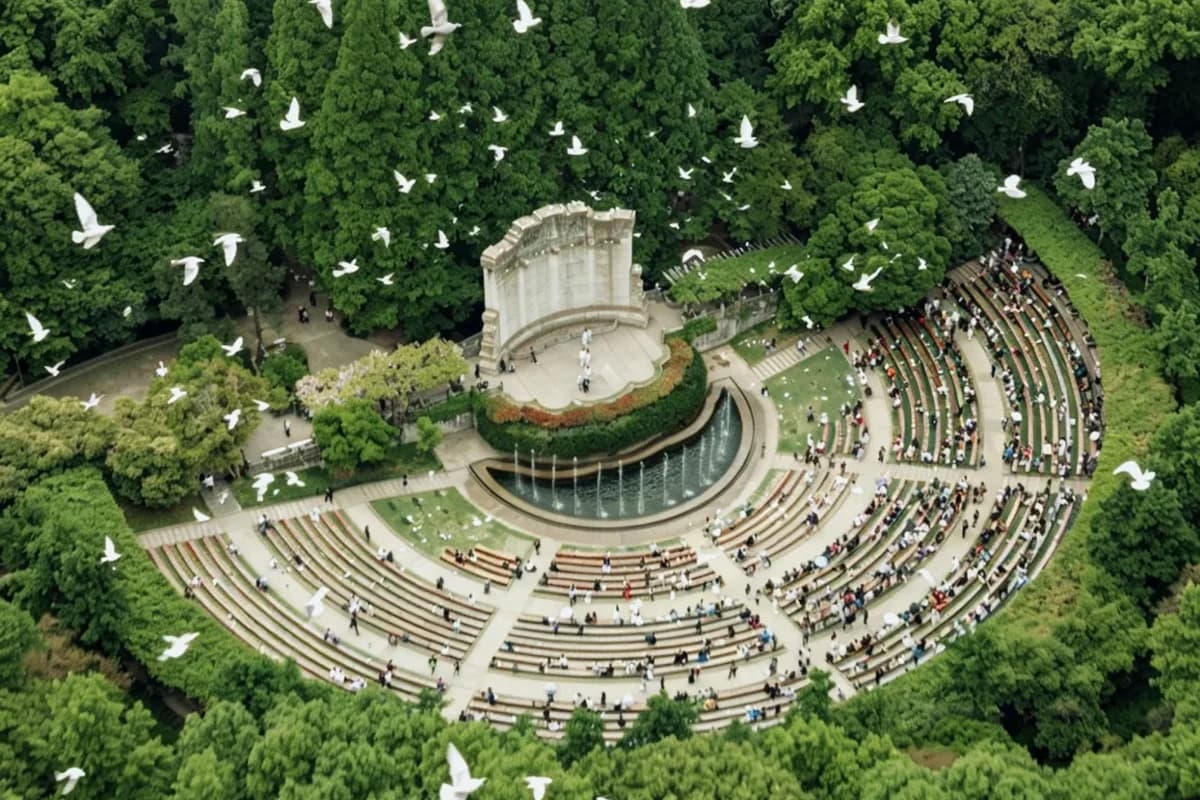
Jingdezhen is more than just a city for "viewing porcelain." What you encounter here is an entire, still-functioning system of handcrafted porcelain production—from the raw clay and wheel-throwing to glazing and wood-fired kiln firing—with artisans at work right before your eyes. For anyone seeking to understand how a piece of porcelain transforms from raw earth into a finished object, there is virtually no substitute for Jingdezhen.
What kind of travelers is this suitable for?
Best suited for: those with a genuine interest in craftsmanship, design, ceramics, and history;
How much time should be set aside?
Two days are sufficient to cover the core highlights: the China Ceramics Museum, Taoyangli (including the Imperial Kiln Museum), Taoxichuan (if a market is taking place), and a hands-on pottery-making session.
Three days allow for a more relaxed pace: the extra time can be spent visiting Sanbao Village or the Ancient Kiln Folk Customs Museum, with the option to revisit the market in the evening or explore an additional artisan studio. If you wish to include the mining sites in Fuliang or the village of Yaoli, you will need four days.
Is an advance reservation required?
China Ceramics Museum: Free of charge, but advance reservation is required. You can book via the WeChat mini-programs "Changyou Jingdezhen" (畅游景德镇) or "Jingbo Yuyue" (景博预约).
Imperial Kiln Museum: Free, but requires an advance reservation via the "Changyou Jingdezhen" (畅游景德镇) mini-program.
Many of the attractions require an admission ticket for entry.
When is it most crowded?
Public holidays are absolute peak periods, especially the National Day holiday (October 2–5).
More comfortable times: weekdays are generally better than weekends.
How to Combine with Nearby Destinations
Sanbao Village is about a 20-minute drive from the city center; it pairs well with a visit to the Sculpture Porcelain Factory (you could explore the factory in the morning and head to Sanbao in the afternoon for some hands-on craft activities). For destinations in Fuliang—such as Yaoli Ancient Town, the Porcelain Palace, and the Gaoling Mine Site—it is best to hire a car or drive yourself for a full-day excursion, as public transportation is not convenient.
What’s good to eat nearby?
The local flavor of Jingdezhen—characterized by the spiciness, saltiness, and savory richness typical of Jiangxi cuisine—leans away from the style of fine dining. "Cold noodles" (*lengfen*) are the soul of breakfast: thick rice noodles tossed with chili oil, dried orange peel, and preserved radish. Beef-bone noodle soup is another daily staple for the locals, while jiaozi ba (dumplings filled with chives or radish, served either steamed or pan-fried) and youtiao (fried dough sticks) wrapped around mazi (sticky rice cakes) stand out as iconic street snacks.
Fuzhou Nong Snack Street is the closest option to Taoyangli and is within walking distance; it is home to eateries such as Fan’s Beef Bone Rice Noodles, Pangzi Cold Rice Noodles, and Lao Dai’s Fried Dough Sticks Stuffed with Mochi.