Loading...

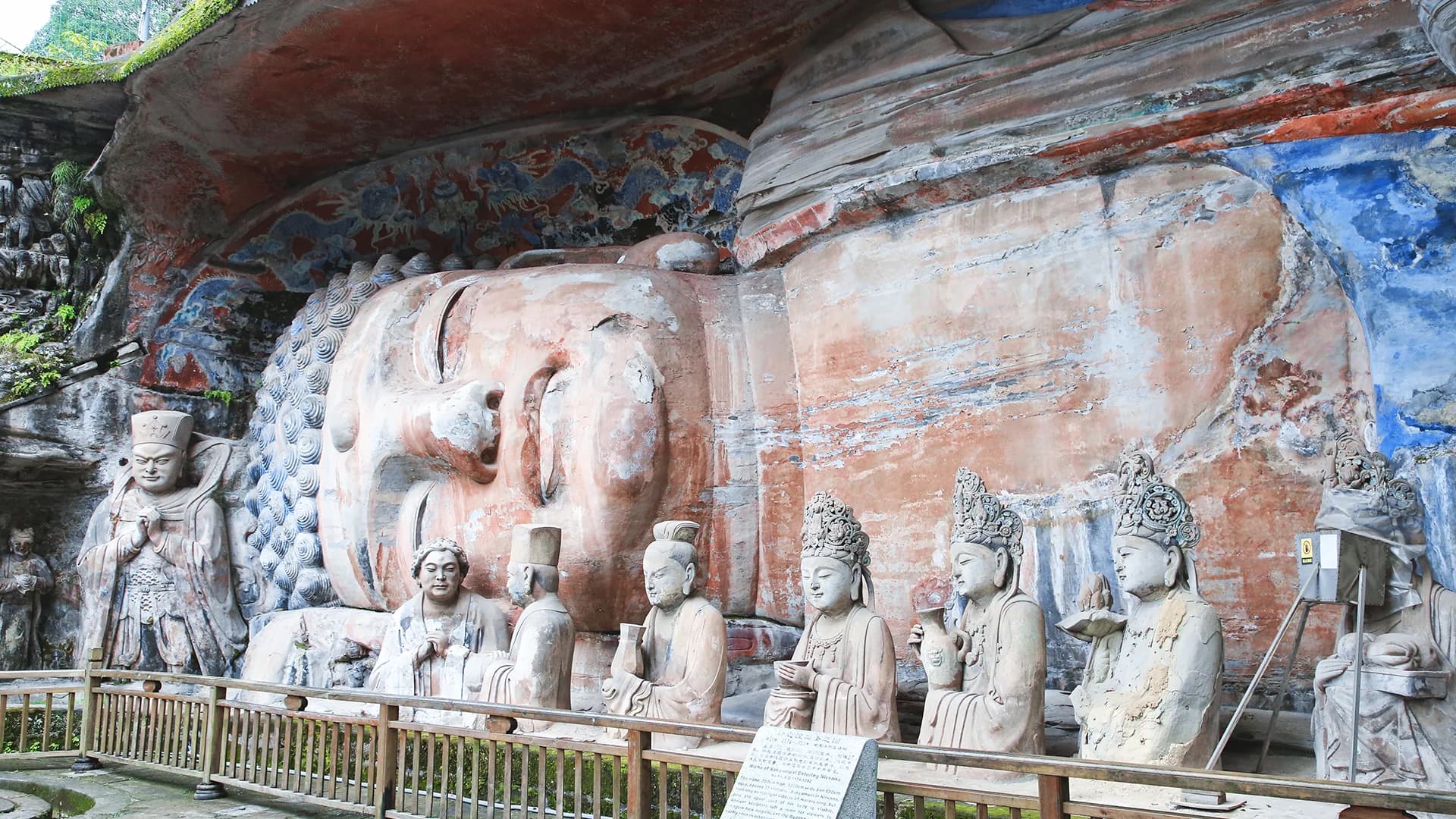
This UNESCO World Heritage Site comprises over 50,000 Buddhist, Confucian and Taoist sculptures carved between the 9th and 13th centuries. The most famous site, Baodingshan, features a 31-meter reclining Buddha and the remarkable Thousand-Hand Guanyin with 830 golden arms. The carvings represent the peak of Chinese grotto art and offer insights into religious life during the Tang and Song dynasties.
8:30 AM - 4:30 PM(Baodingshan);9:30 AM - 6:00 PM(Beishan)
Peak season:¥115 (Baodingshan), ¥70 (Beishan), ¥140 (combined);Off-season:¥100 (Baodingshan), ¥50(Beishan), ¥120 (combined)
Dazu District, Chongqing (1.5 hours from city center)
The Dazu Rock Carvings are hailed as the "last monument" in the history of Chinese grotto art. The famous Baodingshan Rock Carvings, in particular, resemble a series of murals carved into the cliff face, showcasing Song Dynasty life from raising children to daily routines. A visit to Baodingshan alone takes 3-4 hours, and including the North Mountain Scenic Area, it will take approximately 5.5-6.5 hours. The best time to visit the rock carvings is in spring (March-May) or autumn (September-November). If you are short on time, we recommend visiting Baodingshan first.
To get to Dazu Rock Carvings from downtown Chongqing, you can take a long-distance bus (approximately 2-2.5 hours) from Chongqing (Caiyuanba/Longtousi/Chenjiaping Bus Station), or take the high-speed rail to Dazu South Station and then take a taxi or local bus (such as route 205) to the rock carvings. A suggested itinerary is to start at the visitor center, first watching a digital film to learn about the background, then visiting the museum, and finally exploring the highlight, Baodingshan Rock Carvings. If time permits, you can also visit other attractions such as Beishan Rock Carvings.
The Dazu Rock Carvings scenic area has very well-developed facilities. Some areas require going up and down stairs (especially the North Mountain area), so comfortable shoes are recommended. The area is well-equipped, with several rest areas and vending machines along the way for convenient access to drinking water.
Found this helpful? Share it with fellow travelers!
Discover more attractions, food, and travel tips for Chongqing.

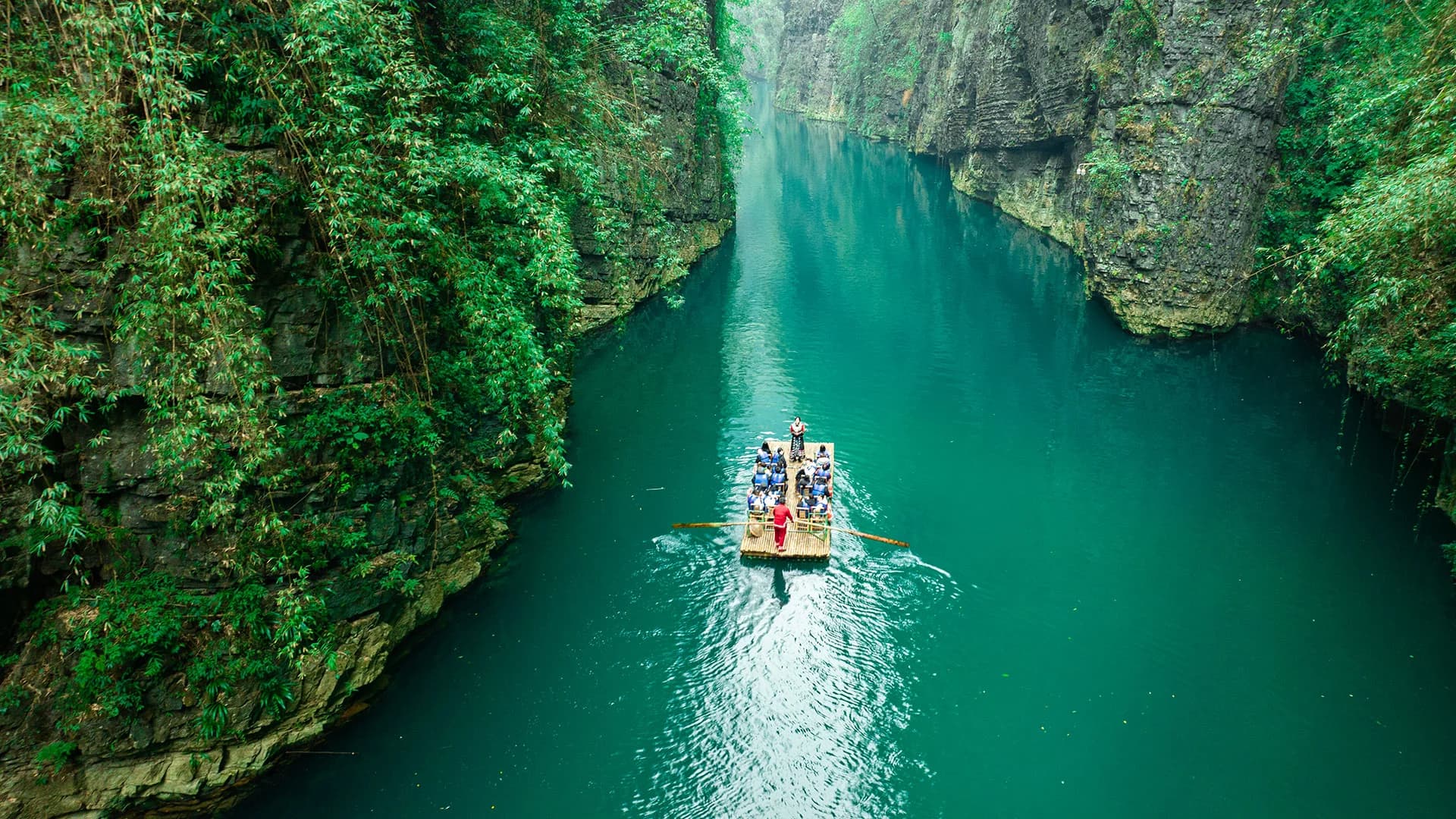
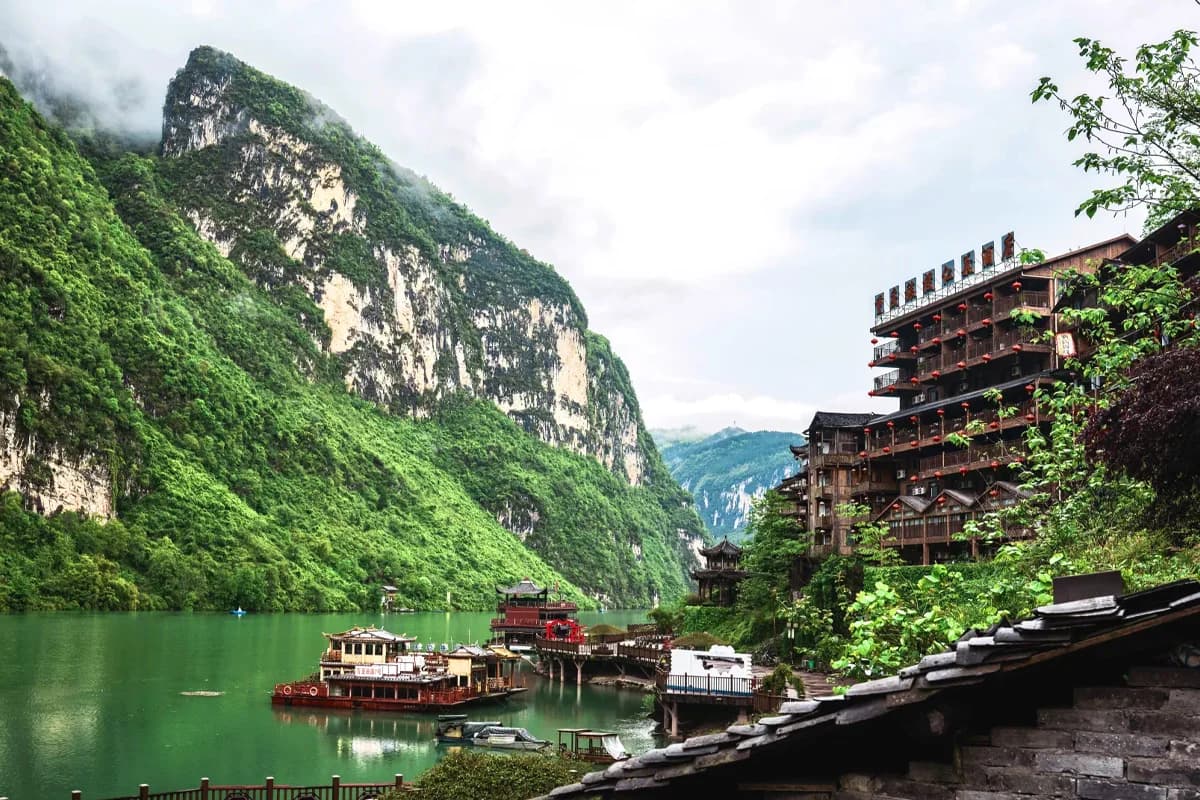
Gongtan Ancient Town is a historic town in Chongqing, renowned for its stilted houses built along the Wujiang River, steep stone-paved roads, and rich Tujia and Miao ethnic cultural heritage. Located in Youyang County, although it is generally associated with the Ming and Qing dynasties, the settlement history in the Wujiang area can be traced back to even earlier periods. A visit here offers an experience of ancient shops, stilted houses, and a leisurely lifestyle, rather than the experience of a sophisticated theme park.

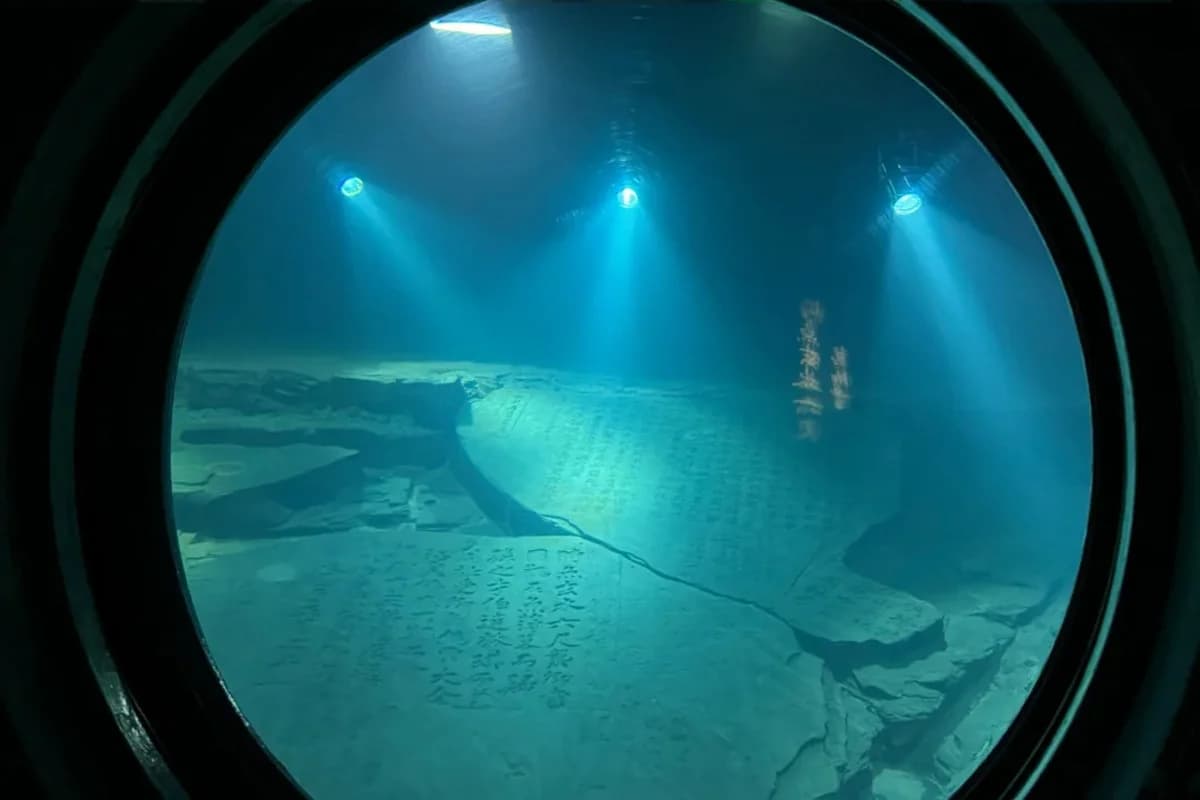
Baiheliang Underwater Museum is a historical attraction in Chongqing known for preserving a 1,200-year-old riverbed inscription site beneath the Yangtze. Located in Fuling District, it protects the famous Baiheliang, a natural stone ridge engraved with hydrological marks, poems, fish carvings, and calligraphy from the Tang Dynasty onward, especially from AD 763. The site is often called an ancient “hydrological station” because officials used the exposed rock to record low-water levels and agricultural conditions.

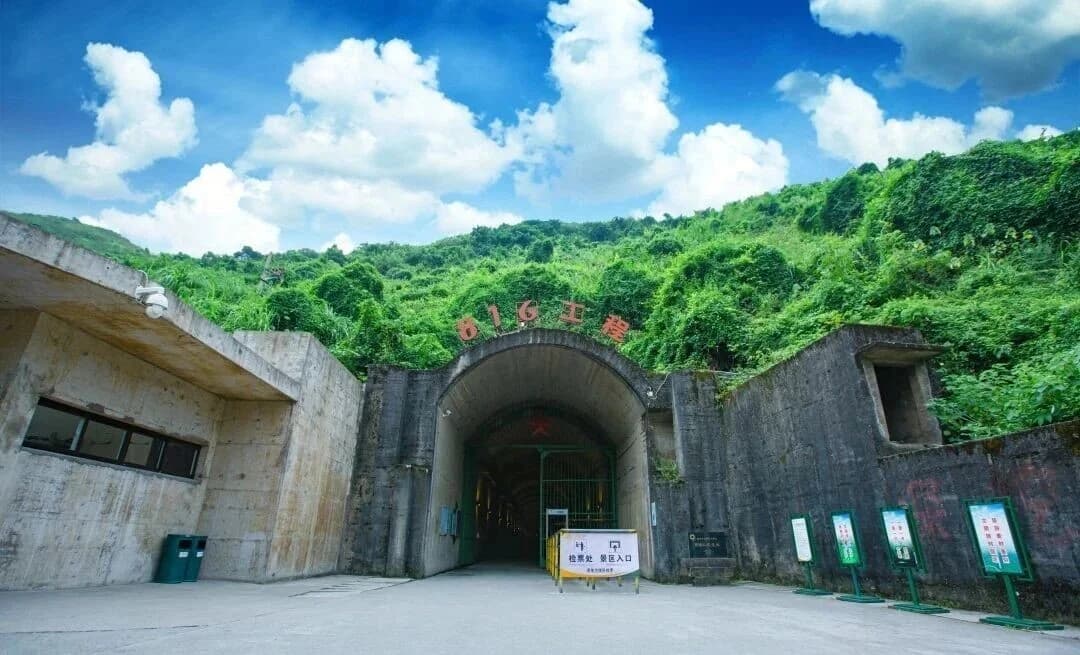
The Chongqing 816 Nuclear Power Plant Strategic Base is a famous historical site in Chongqing, renowned for its massive underground military-industrial complex excavated into the mountains of Fuling. It offers a unique opportunity to glimpse China's modern defense history, with visitors able to admire the enormous tunnels, conference halls, and the grand scale of strategic planning from the late 20th century.This is a good choice for tourists interested in modern history rather than traditional temples or dynastic ruins.