Overview
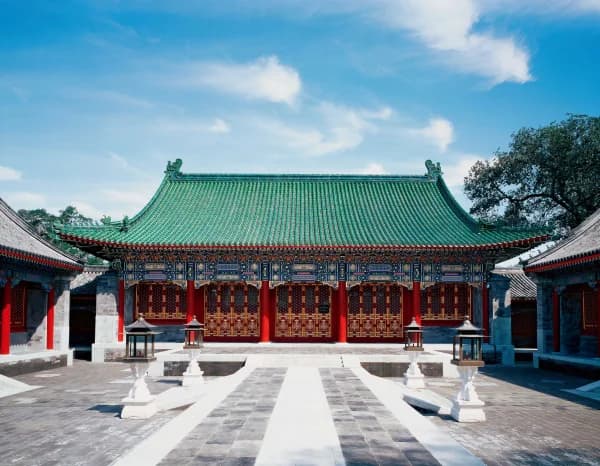
Prince Gong's Mansion, located on the shore of Shichahai Lake in Beijing, is the largest and best-preserved princely mansion from the Qing Dynasty. It witnessed the rise and fall of the Qing Dynasty and is often said to encapsulate "half of the Qing Dynasty's history."
It is recommended to allow 2-3 hours for your visit to fully appreciate its "three wonders and one treasure": the Western-style gate, the Grand Theater, the Rear Building, and the "Fu" (福, meaning good fortune) character stele inscribed by Emperor Kangxi. The best time to visit is spring (April-May) and autumn (September-October).
How to Get There
The most convenient way to get to Prince Gong's Mansion is to take Metro Line 6 to Beihai North Station, exit from Exit B (Northeast Exit), and walk about 200 meters along Sanzuoqiao Hutong or Longtoujing Street. Alternatively, you can take several bus lines (such as routes 3, 13, and 42) to Beihai North Gate Station.
A suggested tour route is to enter from the central path of the mansion, visit the Yin'an Hall and Xijinzhai in that order, then see the rear building of the "Treasure Pavilion," then enter the garden to find the "Number One Blessing Under Heaven" stele, and finally enjoy the Grand Theater. Note that the mansion is closed every Monday.
What to Expect
The Prince Gong's Mansion boasts well-equipped facilities for visitors, with clear bilingual (Chinese and English) signs along the way. Public restrooms are located near major attractions. Gift shops selling cultural and creative products, books, and souvenirs are situated at the exits and along main pathways.
Practical Tips
- Purchase tickets online in advance to avoid long queues at the entrance.
- Hire an audio guide or join a guided tour to fully appreciate the rich history and symbolism.
- Visit on a weekday, preferably early in the morning, to experience the gardens in relative peace.
- Keep your ticket safe, as you may need to show it to access different sections of the mansion and garden.