historicalLijiang
Baisha Old Town
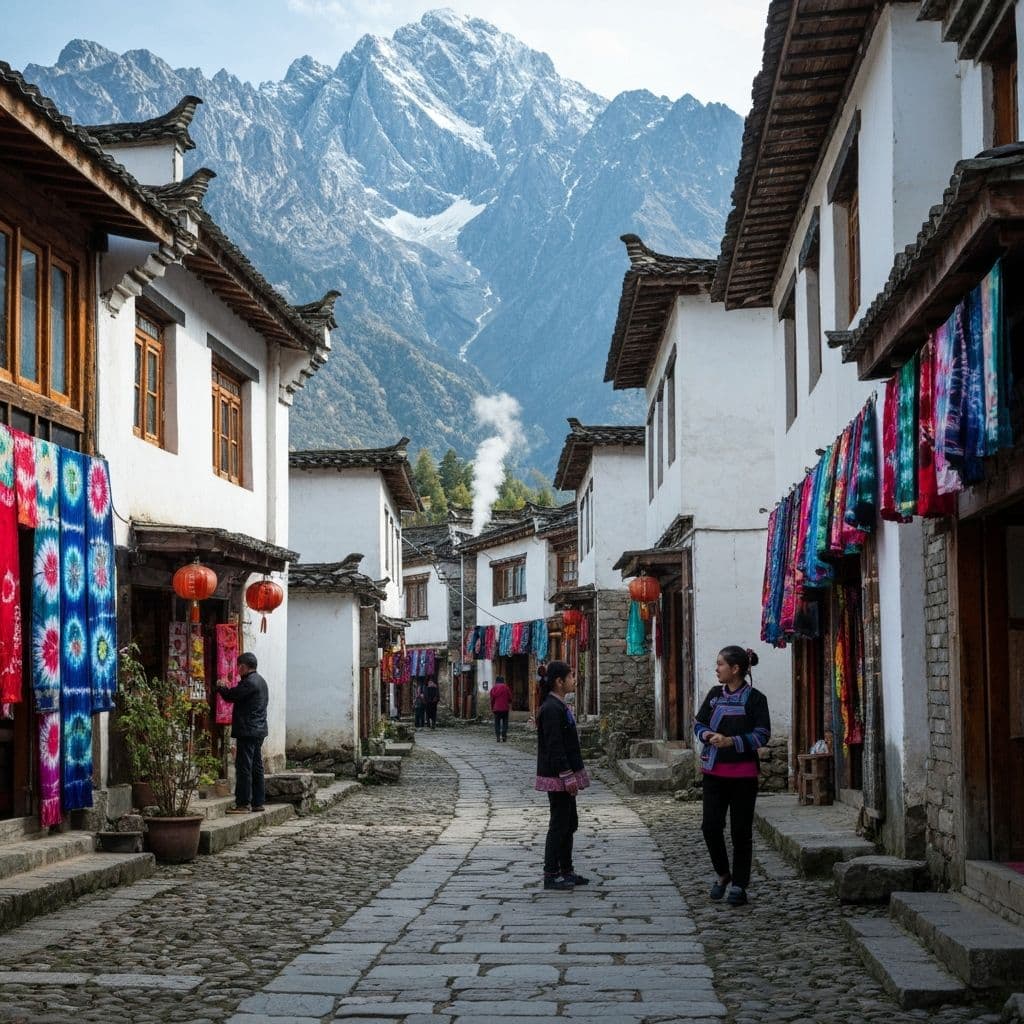
Baisha Old Town is the earliest settlement of the Naxi Kingdom and serves as a tranquil alternative to the bustling Lijiang Old Town. Located at the foot of Jade Dragon Snow Mountain, this historic village offers a glimpse into authentic local life with its traditional cobblestone streets and well-preserved mud-brick houses. Visitors can explore the famous Baisha Murals, which depict a unique fusion of Taoist, Buddhist, and Tibetan art, and wander through quiet courtyards away from the commercial crowds. The town retains a slow-paced, rural atmosphere, making it perfect for those seeking cultural immersion and relaxation. It is an ideal spot for photography and enjoying a cup of local tea while watching the world go by.
Opening Hours
The ancient street is open 24 hours a day.
Ticket Price
Free admission
Location
10km north of Lijiang Old Town, Yunnan
Overview
Baisha Old Town is iconic for being the cradle of Naxi culture. Unlike the more commercialized areas of Lijiang, Baisha has maintained its rustic charm and agricultural roots. What makes it special is the blend of religious art found in the murals and the enduring presence of local elders wearing traditional blue clothing. A visit typically lasts 2 to 3 hours, allowing time to see the murals and stroll the streets. The best time to visit is early morning or late afternoon to enjoy the peaceful atmosphere and capture stunning photos of the mountain backdrop without the midday heat or crowds.
How to Get There
Baisha Ancient Town is located about 10 kilometers north of Lijiang Ancient Town. You can take bus routes 8 or 11 from Lijiang Ancient Town, then transfer to route 6 to reach the scenic area. Alternatively, you can take a taxi, which takes about 20 minutes. For real-time navigation, we recommend using Gaode Maps or Baidu Maps, as they provide the most accurate local routes and timetables.
What to Expect
Expect to walk on uneven cobblestone streets and dirt paths, so comfortable, non-slip shoes are highly recommended. The terrain is mostly flat but involves exploring narrow alleyways. Facilities include basic restrooms and small local eateries serving Naxi specialties, along with shops selling traditional embroidery and crafts. There are no cable cars here, but the open-air market atmosphere is vibrant.
Practical Tips
- 1Visit the Baisha Murals early in the day to avoid tour groups.
- 2Hire a local guide to fully understand the history behind the intricate frescoes.
- 3Wear comfortable walking shoes as the streets are uneven cobblestones.
- 4Combine your visit with a trip to the nearby Jade Dragon Snow Mountain.
Share This Attraction
Found this helpful? Share it with fellow travelers!

Explore Lijiang
Discover more attractions, food, and travel tips for Lijiang.
View destination
More Attractions to Explore

Lijiang·historical
Lijiang Old Town
A UNESCO World Heritage Site, Lijiang's 800-year-old old town is a maze of cobblestone streets, traditional Naxi wooden buildings, and flowing canals. Unlike most Chinese ancient towns, Lijiang was never walled and developed organically along its waterways. The Naxi minority culture, with its unique Dongba script and music, remains visible despite heavy tourism.

Lijiang·natural
Jade Dragon Snow Mountain
Rising to 5,596 meters, this sacred Naxi mountain dominates the Lijiang skyline. A cable car ascends to 4,506m - the highest cableway in China - where boardwalks offer views of glaciers and snow peaks. Lower slopes feature alpine meadows, the Impression Lijiang show, and Blue Moon Valley with its turquoise lakes. Oxygen is thin at the top - acclimatization is essential.

Lijiang·historical