historicalGuiyang
Qingyan Ancient Town
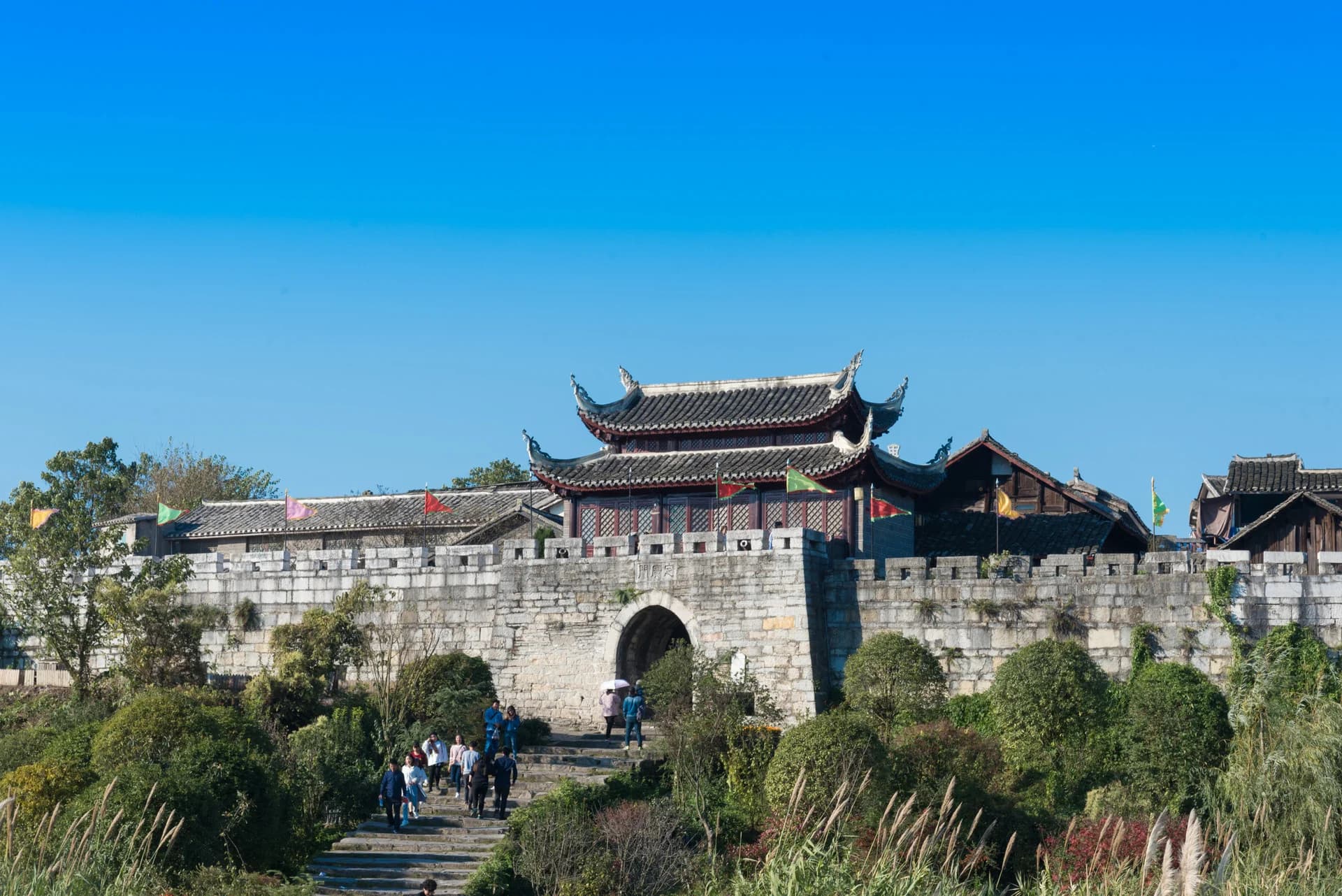
Qingyan Ancient City is a historic town in Guiyang, renowned for its Ming Dynasty stone-paved roads, ancient city walls, and military, commercial, and religious heritage. Founded in 1378 during the reign of Emperor Hongwu of the Ming Dynasty, Qingyan flourished during the Qing Dynasty and still retains archways, temples, and traditional residences closely connected to the history of Guizhou's frontier. Here, you can sample local snacks, admire ancient defensive architecture, and experience a more relaxed pace of life than in modern city centers.
Opening Hours
(April-October) 8:00 AM - 10:30 PM; (November-February) 8:10 AM - 10:00 PM
Ticket Price
Ancient Town Street Admission: ¥10; Scenic Area Package: ¥60;Night tour experience ticket: ¥19.9
Location
Huaxi District, Guiyang City, Guizhou Province
Overview
Qingyan Ancient Town, located in the southern suburbs of Guiyang City, is a military stronghold with over 600 years of history. It is renowned for its Ming and Qing dynasty stone architecture and rich cultural fusion (coexisting Confucianism, Buddhism, Taoism, Catholicism, and Christianity). A visit to the core scenic area is recommended to take 3-4 hours. The best time to visit is in the early morning (before 8:00 AM) or late afternoon (after 5:40 PM). At these times, the lighting is ideal for photography, you can avoid peak crowds, and admission is free in the evening.When you visit, be sure to visit the popular "back street" spot to take photos of the light and shadow in the stone alleys, and climb the Dingguangmen city wall to overlook the panoramic view of the ancient town; don't forget to taste the local specialties of braised pig's feet (Zhuangyuan trotters) and rice porridge.
How to Get There
You can take a direct bus from Guiyang Longdongbao Airport (departing 09:00-19:00, fare 30 yuan) to the North Gate of the ancient town. Getting around the city is very convenient; you can take Metro Line 3 to Tongmuling Station and transfer to Huaxi Bus Route 2; or take Bus Route 203 or 210 directly to Qingyan Ancient Town Station, from where it's a 5-minute walk. Recommended Route: It is suggested to enter from the South Gate (Dingguang Gate), and visit the Zhou Wangshi Daughter-in-Law Liu's Chastity Archway, Zhao Gong Ancestral Hall, and Wanshou Palace in that order. Then explore the quiet back streets and finally arrive at the North Gate and climb the city wall.
What to Expect
The ancient town is mainly paved with bluestone slabs, and the main roads are relatively flat. However, the alleys connecting the town walls and back streets are mostly stepped and slippery after rain, so it is highly recommended that you wear non-slip, comfortable shoes. The scenic area has relatively complete facilities, with clear signage and public restrooms along the way. Large parking lots are available both inside the ancient town and outside the North Gate, and there are also numerous gift shops and restaurants where you can easily purchase unique souvenirs such as rose sugar and Miao embroidered sachets.
Practical Tips
- 1Go early, ideally before 09:30, to enjoy quieter lanes and better photos before tour groups arrive.
- 2Wear shoes with good grip — Qingyan’s old stone streets and steps can be slippery after rain.
- 3Try local snacks such as braised pork knuckle and rose sugar sweets, but eat at busy shops with clear prices near the main streets.
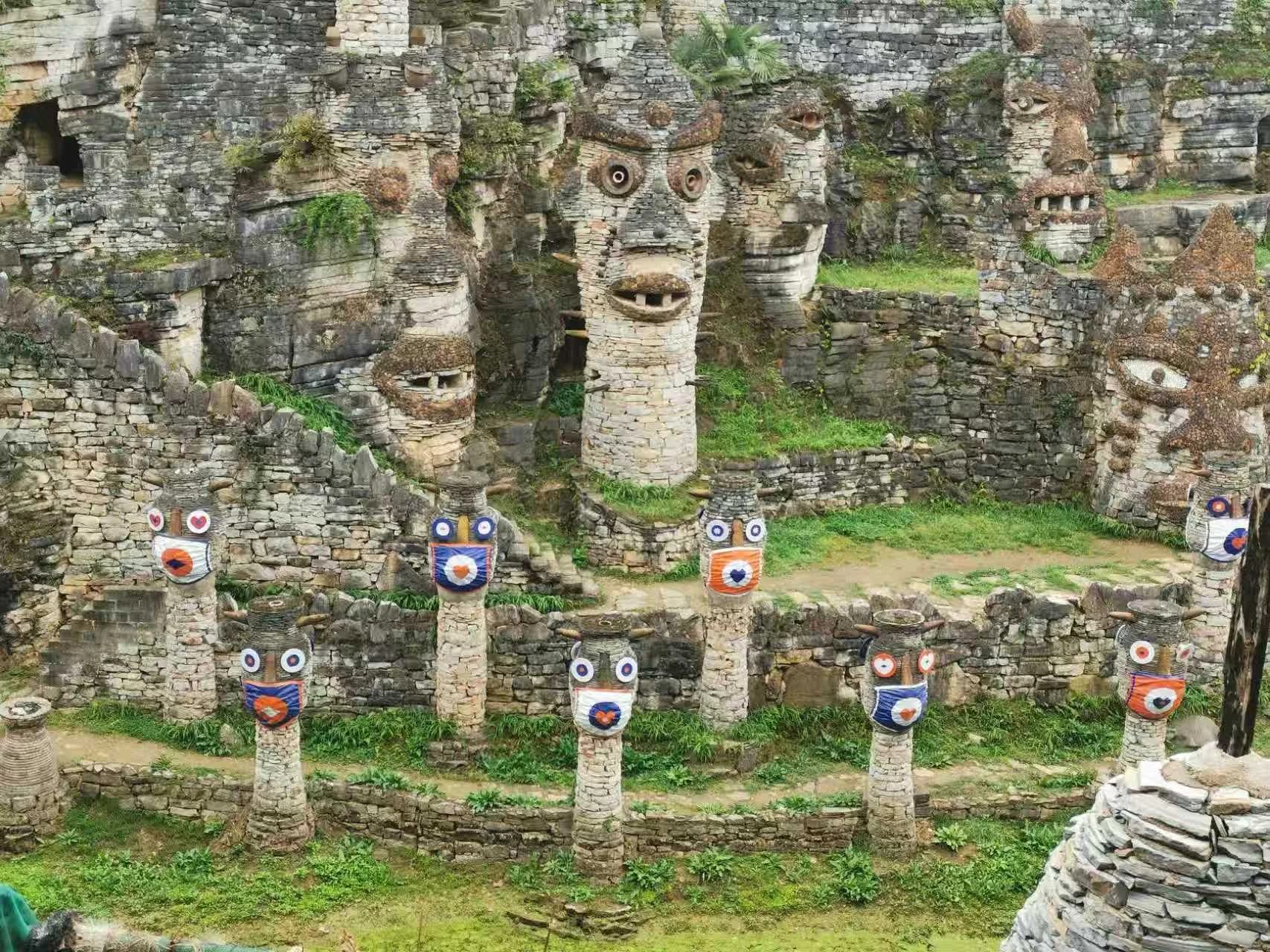
- 4The surrounding area can be combined with visits to Huaxi Park and Gaopo Miao Village, making it suitable for a two-day weekend trip.
Share This Attraction
Found this helpful? Share it with fellow travelers!
Explore Guiyang
Discover more attractions, food, and travel tips for Guiyang.
View destination
More Attractions to Explore
Guiyang·historical
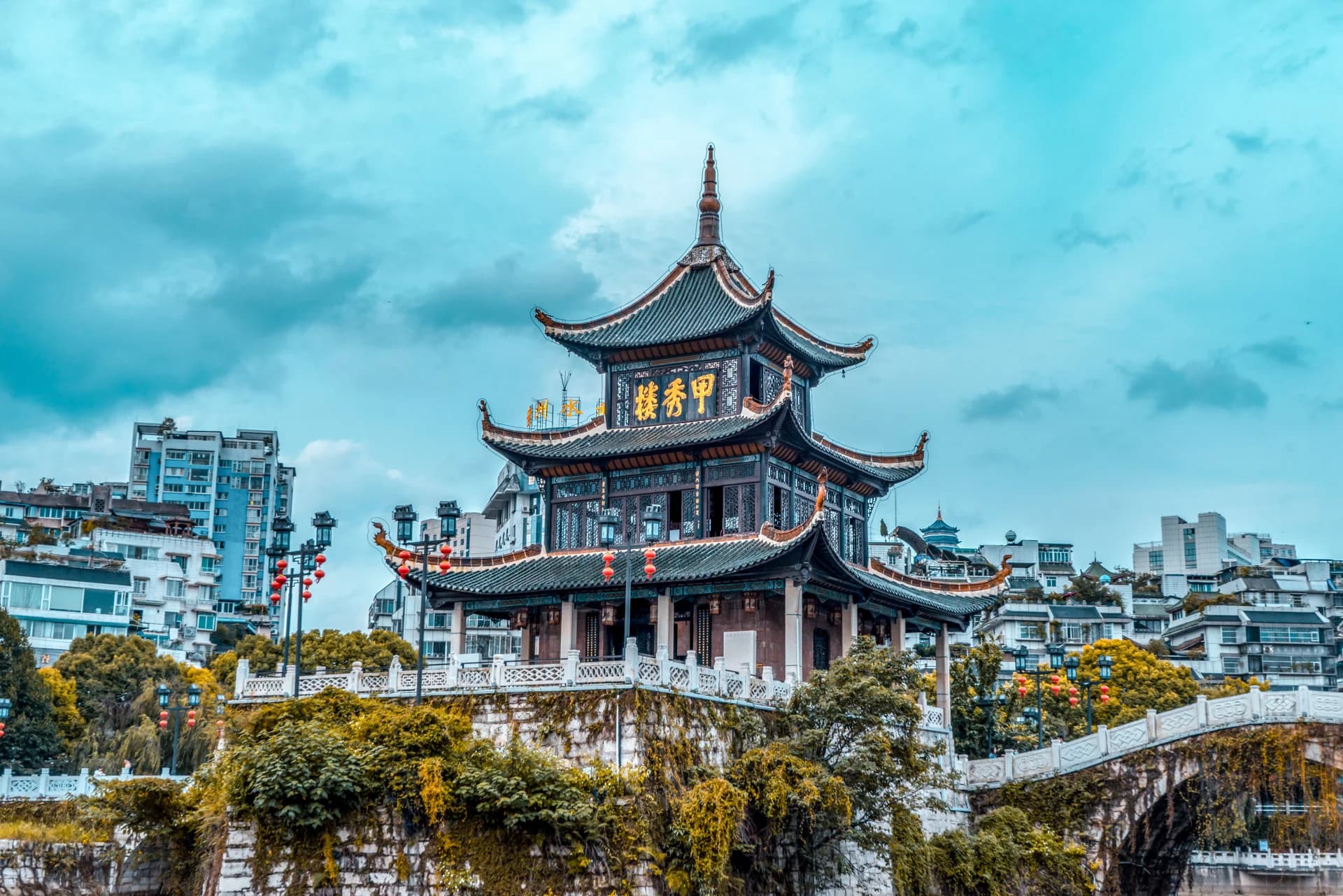
Jiaxiu Tower
Jiaxiu Tower is a historical attraction in Guiyang known for its elegant Ming-era pavilion standing above the Nanming River. First built in 1598 during the Ming dynasty under official Jiang Dongzhi, the tower became one of Guiyang’s best-known landmarks and a symbol of local literati culture; its name, Jiaxiu (甲秀), suggests “the finest among the outstanding.” The present complex includes the tower, connecting bridge, and nearby stone inscriptions, with architecture shaped by later Qing-period repairs.
Guiyang·natural
Libo Xiaoqikong Scenic Area
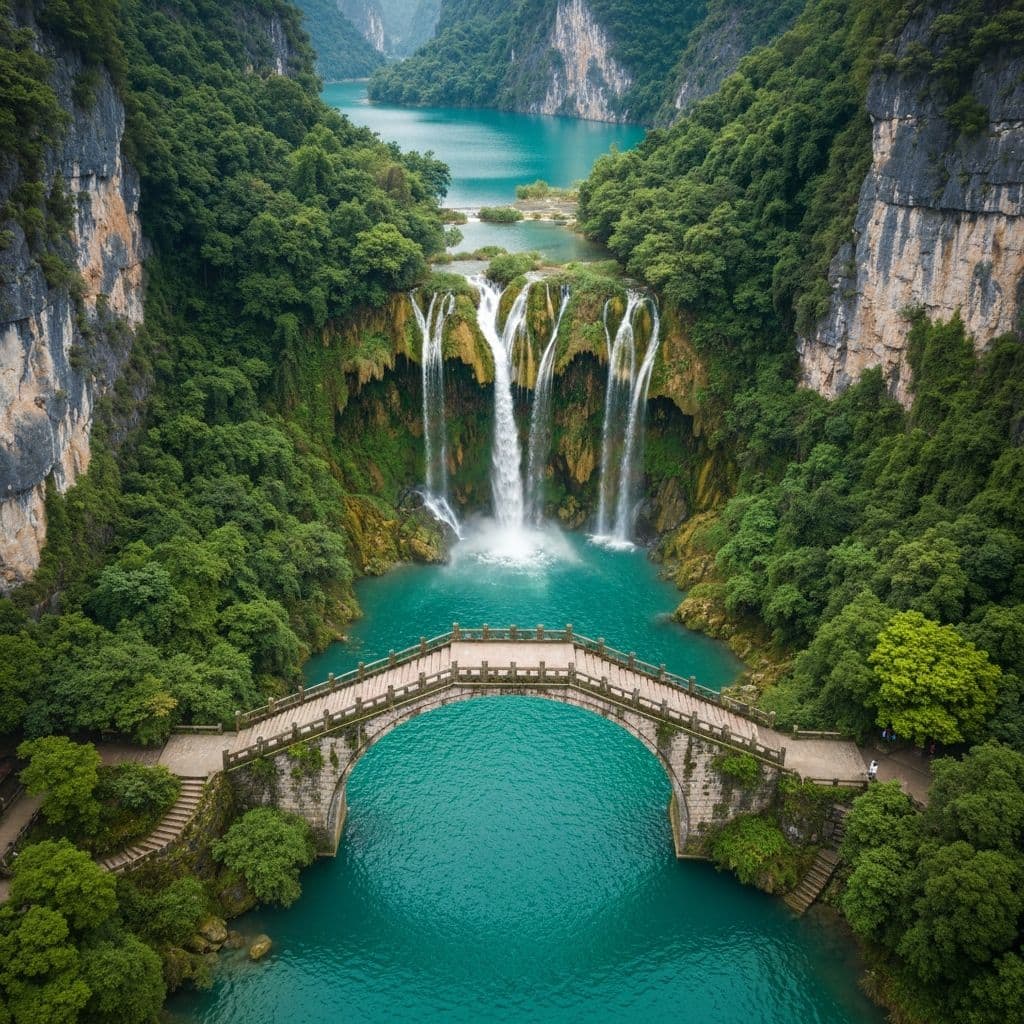
Part of the South China Karst UNESCO World Heritage Site, Xiaoqikong (Small Seven Holes) showcases stunning karst forest landscapes with turquoise waters, waterfalls, and ancient trees. The iconic seven-arched bridge dates to 1835. Crystal-clear water flows through 68 cascades, and primeval forest covers limestone formations. One of Guizhou's most beautiful natural areas.
Guiyang·natural
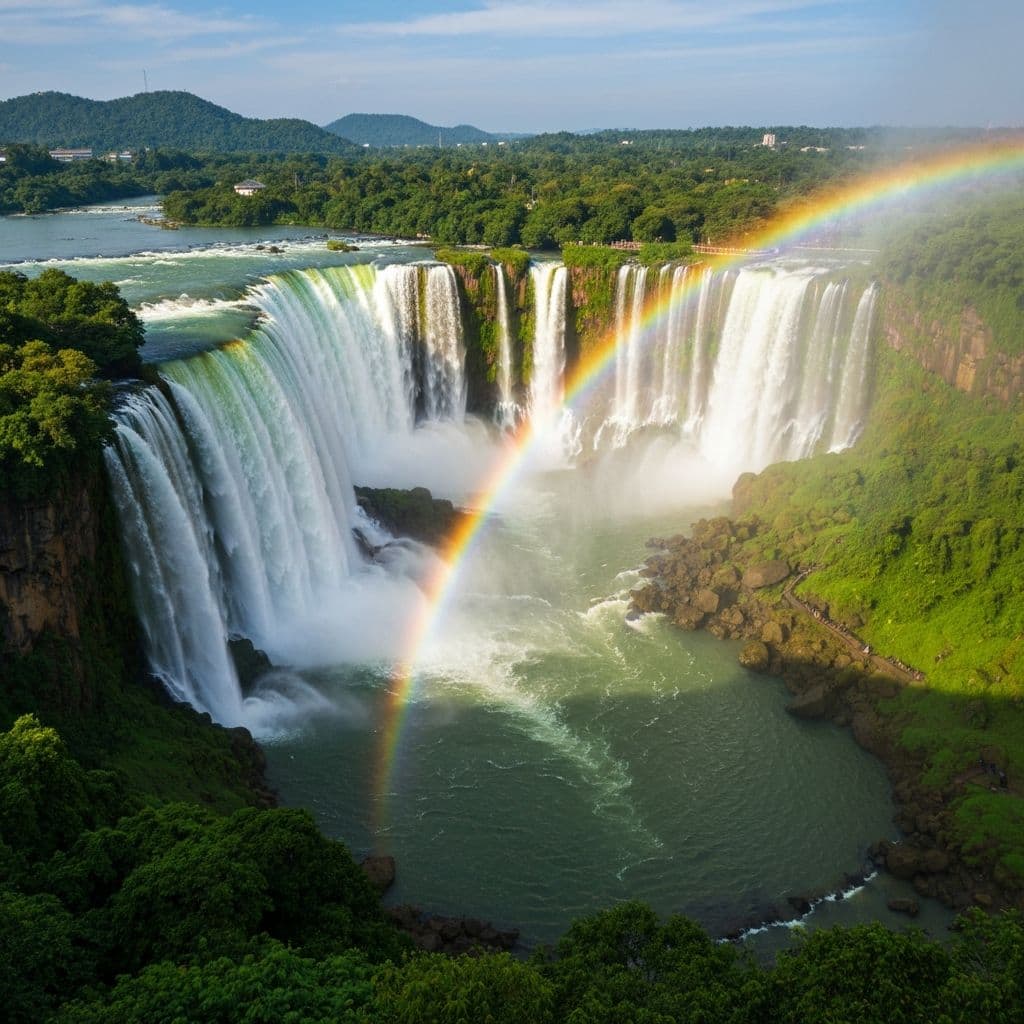
Tianhetan
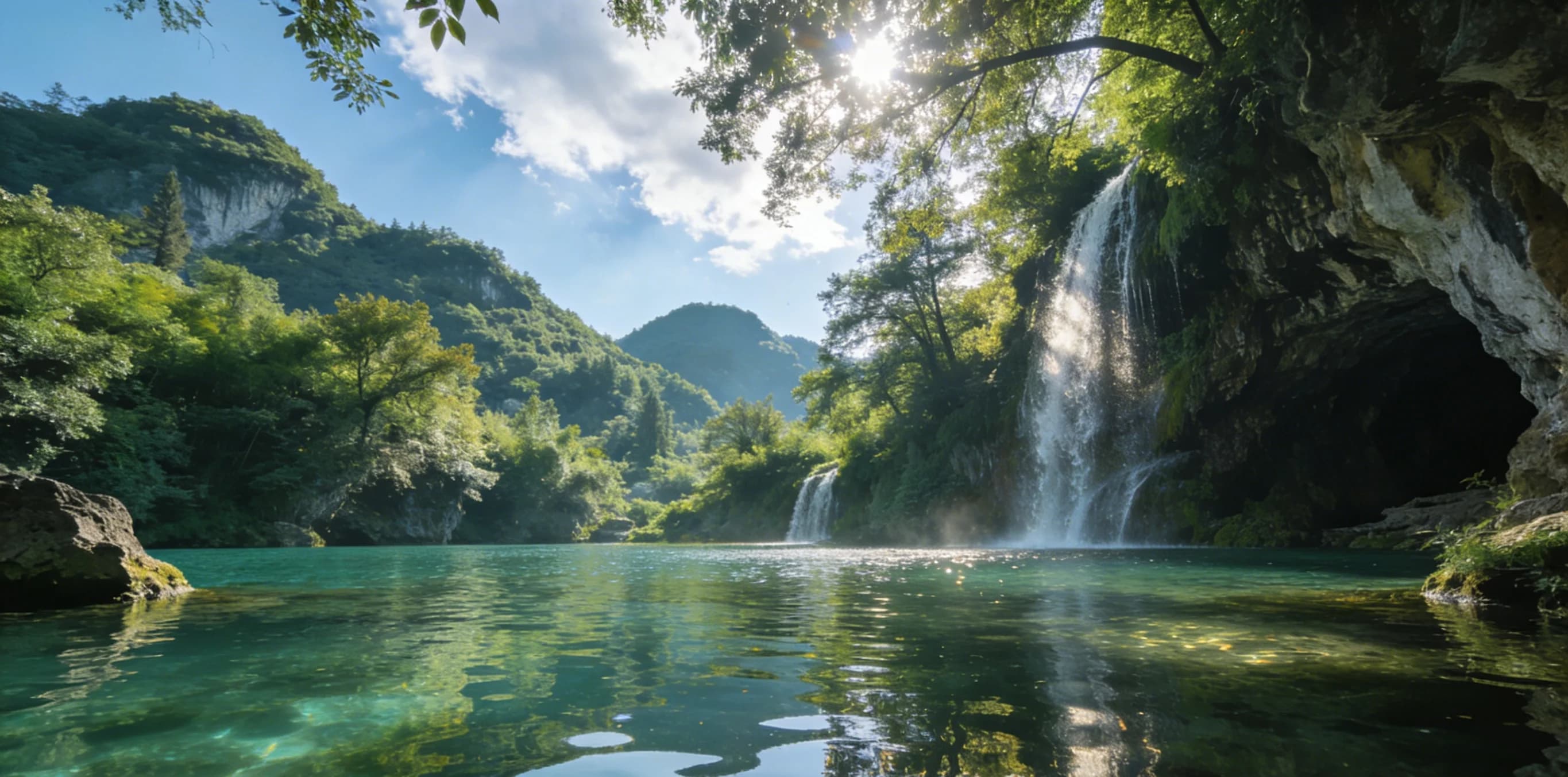
Tianhe Beach is a natural scenic area in Guiyang, renowned for its integration of karst caves, waterfalls, rivers, and mountain scenery, making it ideal for a day trip. Located about 24 kilometers southwest of downtown Guiyang, it is famous for boat tours of limestone caves and admiring the classic Guizhou karst landforms formed over millions of years. The scenery here belongs to the vast South China karst landscape, and the term "mountain and water" is frequently used in local folklore, referring to the beautiful scenery where mountains and water complement each other.