culturalGuiyang
Huaxi Yelang Valley
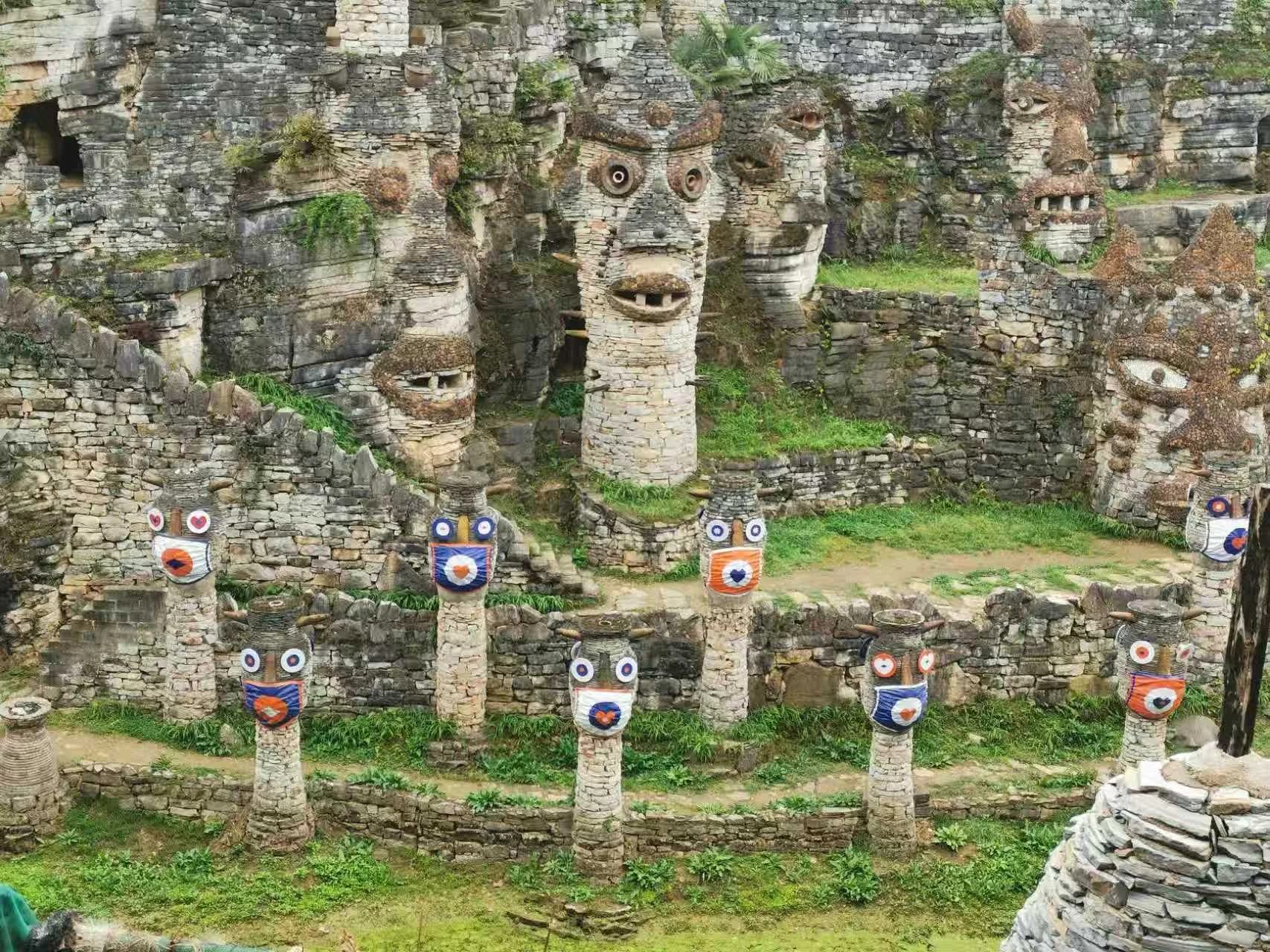
A surreal open-air art installation created by sculptor Song Peilun over 20 years. Hundreds of stone faces, totems, and figures emerge from a forested hillside, inspired by the mysterious ancient Yelang Kingdom. Part art park, part fever dream, it offers a uniquely Chinese counterculture experience. The organic, handcrafted nature creates an atmosphere unlike any conventional tourist site.
Opening Hours
8:30 AM - 6:00 PM
Ticket Price
¥20
Location
Huaxi District, Guiyang, Guizhou
Overview
Huaxi Wild Wave Valley is a stone kingdom created by Guiyang artist Song Peilun over more than 20 years. He constructed over 300 mysterious and exaggerated stone statues and totems resembling human masks using stone and pottery shards, brimming with primal artistic imagination. The best time to visit is during spring and autumn (March-May and September-November), when the weather is pleasant. It is recommended to enter the park when it opens at 9:00 AM and spend 2-3 hours strolling through it. Besides admiring the ancient castle and stone statues, there are also performances and hands-on workshops available.
How to Get There
To get to Huaxi Yelang Valley, you can take a taxi from the city center, which takes about 40 minutes and costs 50-80 yuan. Alternatively, take Metro Line 3 to "Huaxi Park Station" and transfer to bus 401, which goes directly to the scenic area entrance. Once inside the scenic area, it's recommended to start your visit with the Nuo mask stone statues at the entrance. After that, you can also visit Qingyan Ancient Town, about a 15-minute drive away, to sample local delicacies such as braised pig's feet.
What to Expect
Huaxi Yelang Valley is built into the valley, and the tour route mainly consists of stone slab paths and stone steps, with many ups and downs, so comfortable, non-slip shoes are recommended. The facilities in the scenic area are relatively basic. There are restrooms and simple stalls selling drinks and snacks at the entrance. There are shops selling handicrafts and souvenirs in the core area of the valley, but the selection is limited.
Practical Tips
- 1Allow 1-2 hours to explore the scattered sculptures
- 2The artist sometimes gives impromptu tours
- 3Great for photography but paths are uneven
- 4Combine with nearby Qingyan Ancient Town
Share This Attraction
Found this helpful? Share it with fellow travelers!
Explore Guiyang
Discover more attractions, food, and travel tips for Guiyang.
View destination
More Attractions to Explore
Guiyang·natural
Libo Xiaoqikong Scenic Area
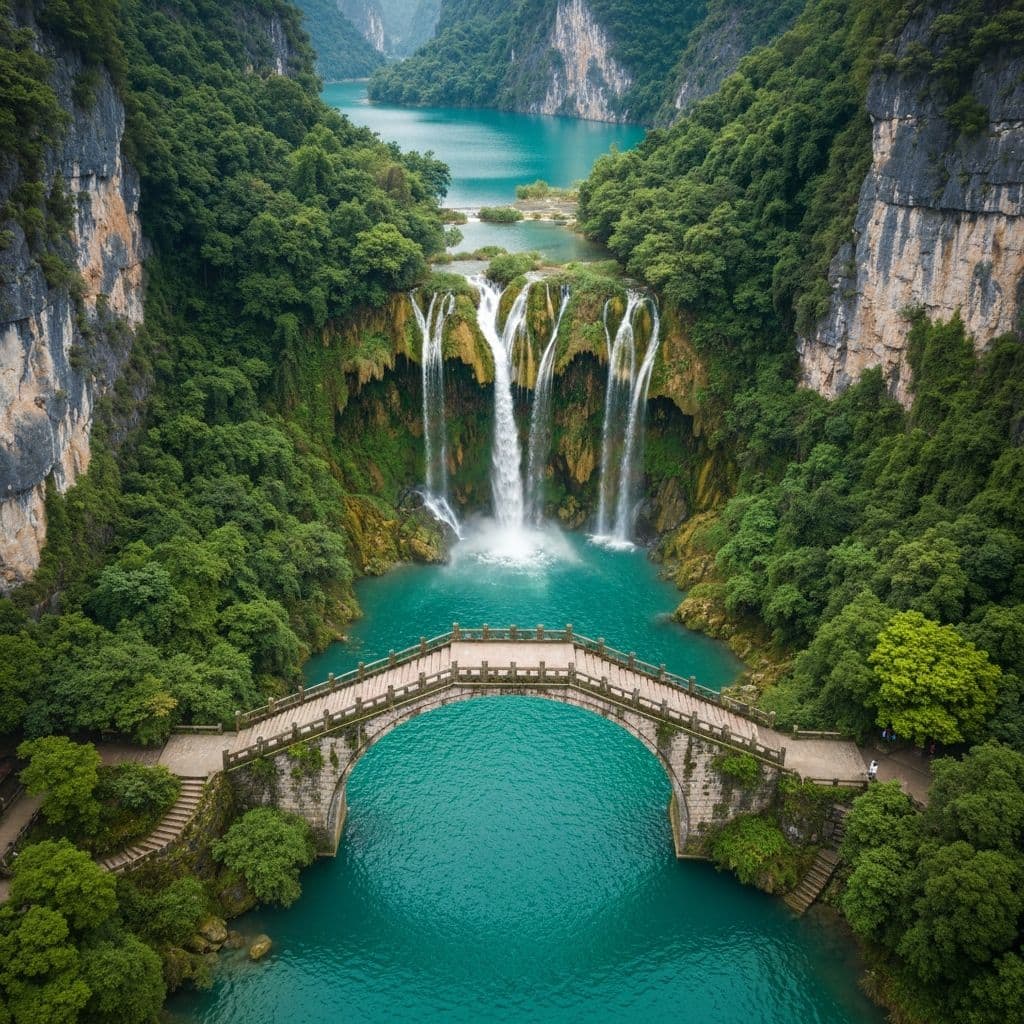
Part of the South China Karst UNESCO World Heritage Site, Xiaoqikong (Small Seven Holes) showcases stunning karst forest landscapes with turquoise waters, waterfalls, and ancient trees. The iconic seven-arched bridge dates to 1835. Crystal-clear water flows through 68 cascades, and primeval forest covers limestone formations. One of Guizhou's most beautiful natural areas.
Guiyang·historical
Qingyan Ancient Town
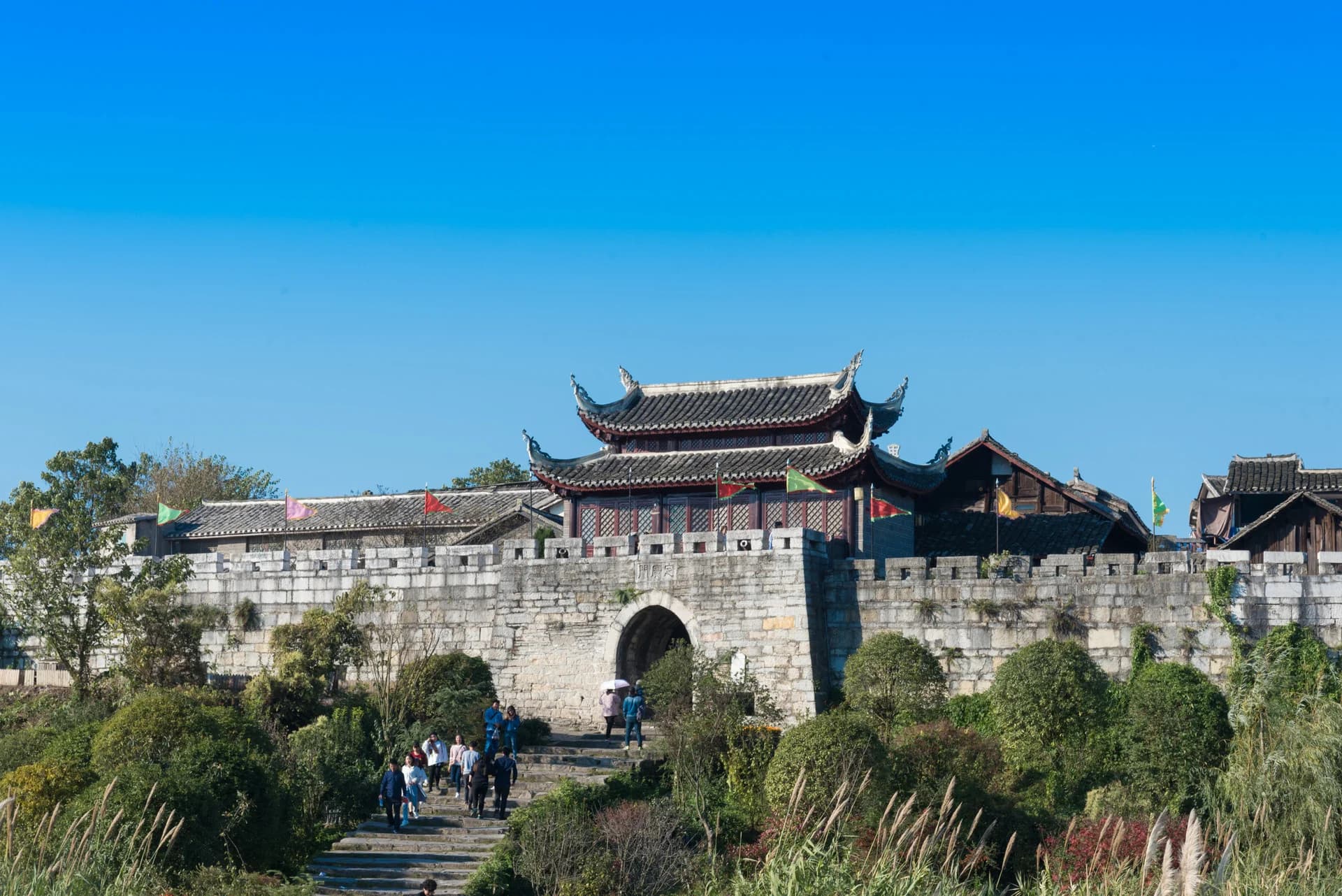
Qingyan Ancient City is a historic town in Guiyang, renowned for its Ming Dynasty stone-paved roads, ancient city walls, and military, commercial, and religious heritage. Founded in 1378 during the reign of Emperor Hongwu of the Ming Dynasty, Qingyan flourished during the Qing Dynasty and still retains archways, temples, and traditional residences closely connected to the history of Guizhou's frontier. Here, you can sample local snacks, admire ancient defensive architecture, and experience a more relaxed pace of life than in modern city centers.
Guiyang·natural
Tianhetan
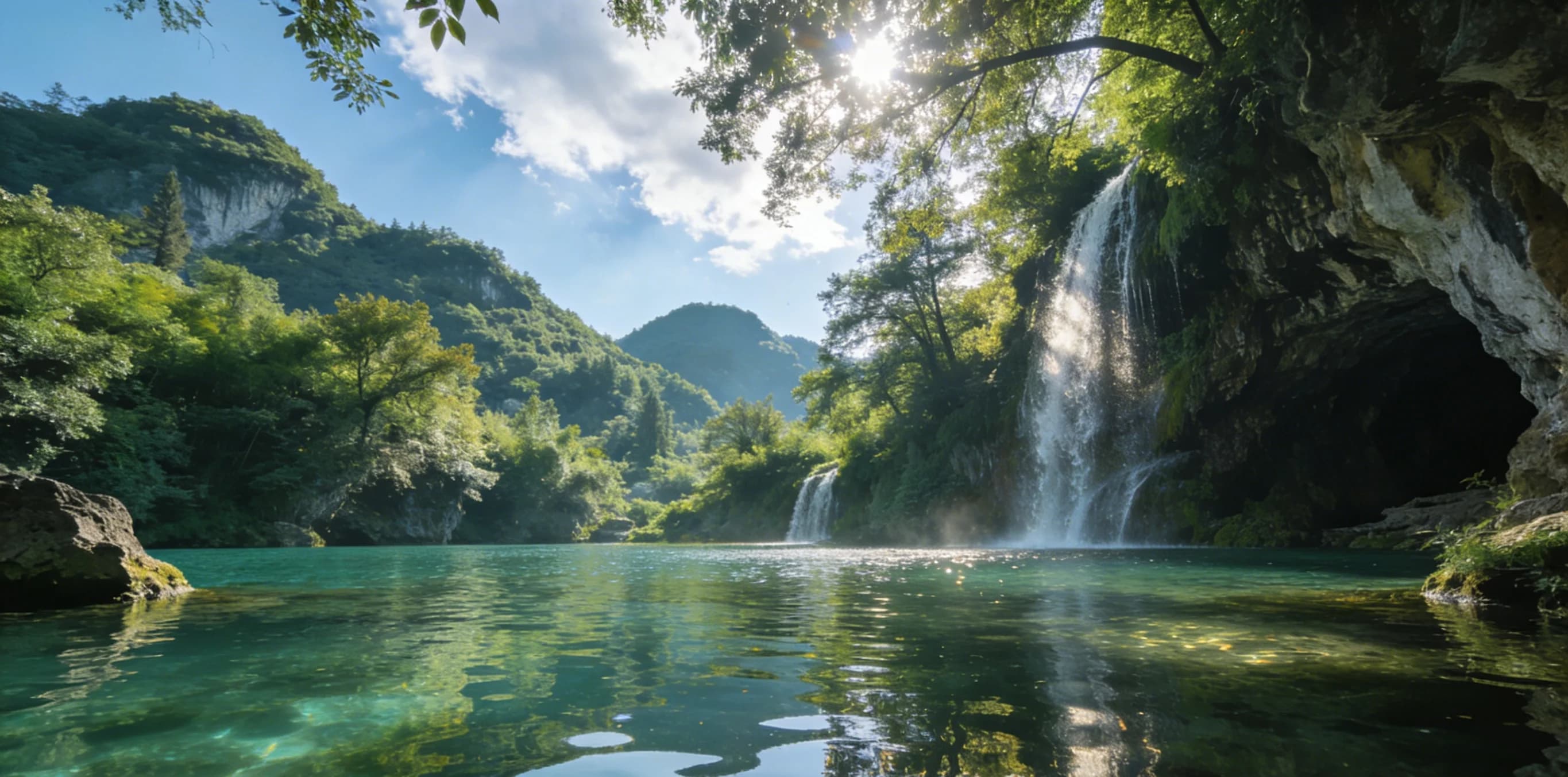
Tianhe Beach is a natural scenic area in Guiyang, renowned for its integration of karst caves, waterfalls, rivers, and mountain scenery, making it ideal for a day trip. Located about 24 kilometers southwest of downtown Guiyang, it is famous for boat tours of limestone caves and admiring the classic Guizhou karst landforms formed over millions of years. The scenery here belongs to the vast South China karst landscape, and the term "mountain and water" is frequently used in local folklore, referring to the beautiful scenery where mountains and water complement each other.