north China
Guiyang
Pearl of the Highlands
Best time: April to October
2 days suggested
6 highlights
Why Visit Guiyang
Capital of Guizhou Province, Guiyang sits on the Yunnan-Guizhou Plateau surrounded by karst mountains and minority villages. Known for its spicy cuisine featuring sour fish soup, and as a gateway to spectacular waterfalls and Miao/Dong ethnic villages. The city offers cool summer temperatures and an emerging food scene.
Top Highlights
Jiaxiu Pavilion
Qingyan Ancient Town
Huangguoshu Waterfall
Tianhe Lake
Guizhou Provincial Museum
Miao Village Visits
Must-See Attractions
7 attractions to explore in Guiyang
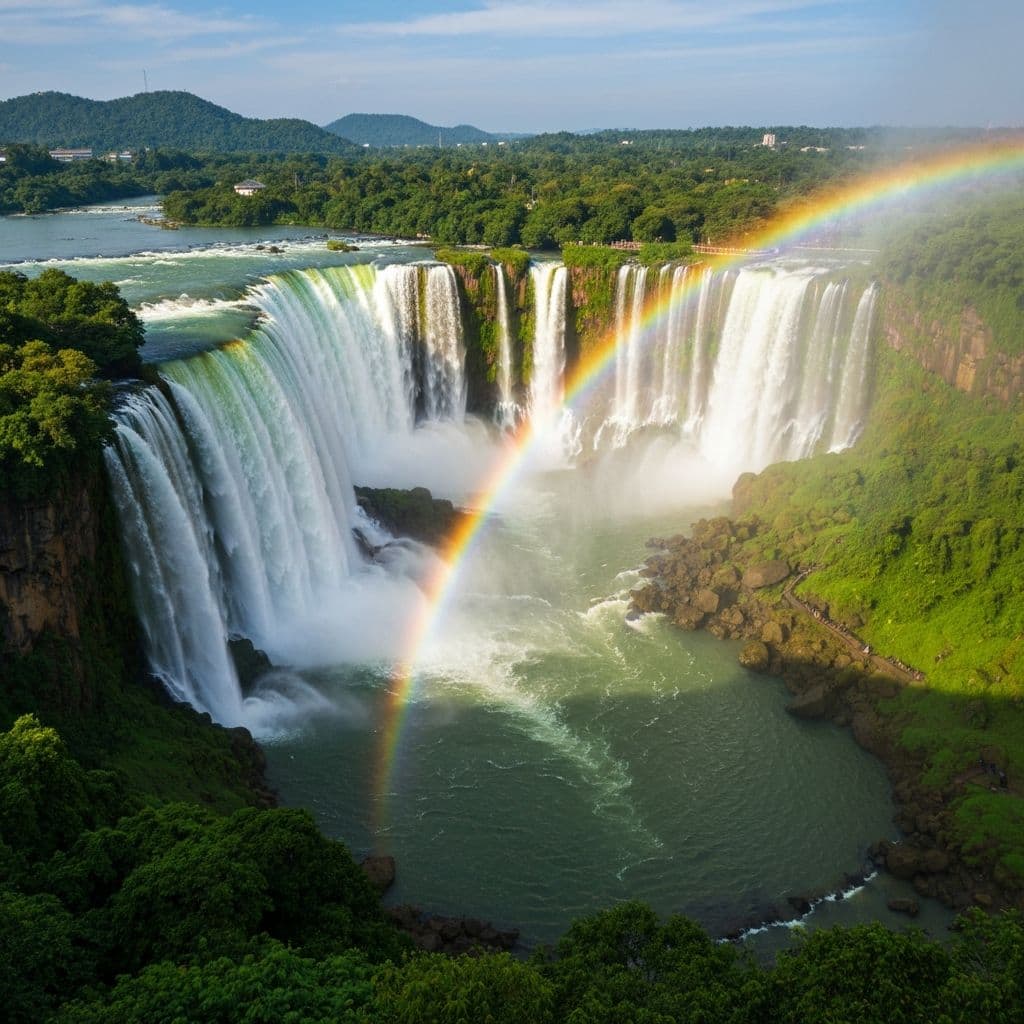
Huangguoshu Waterfall
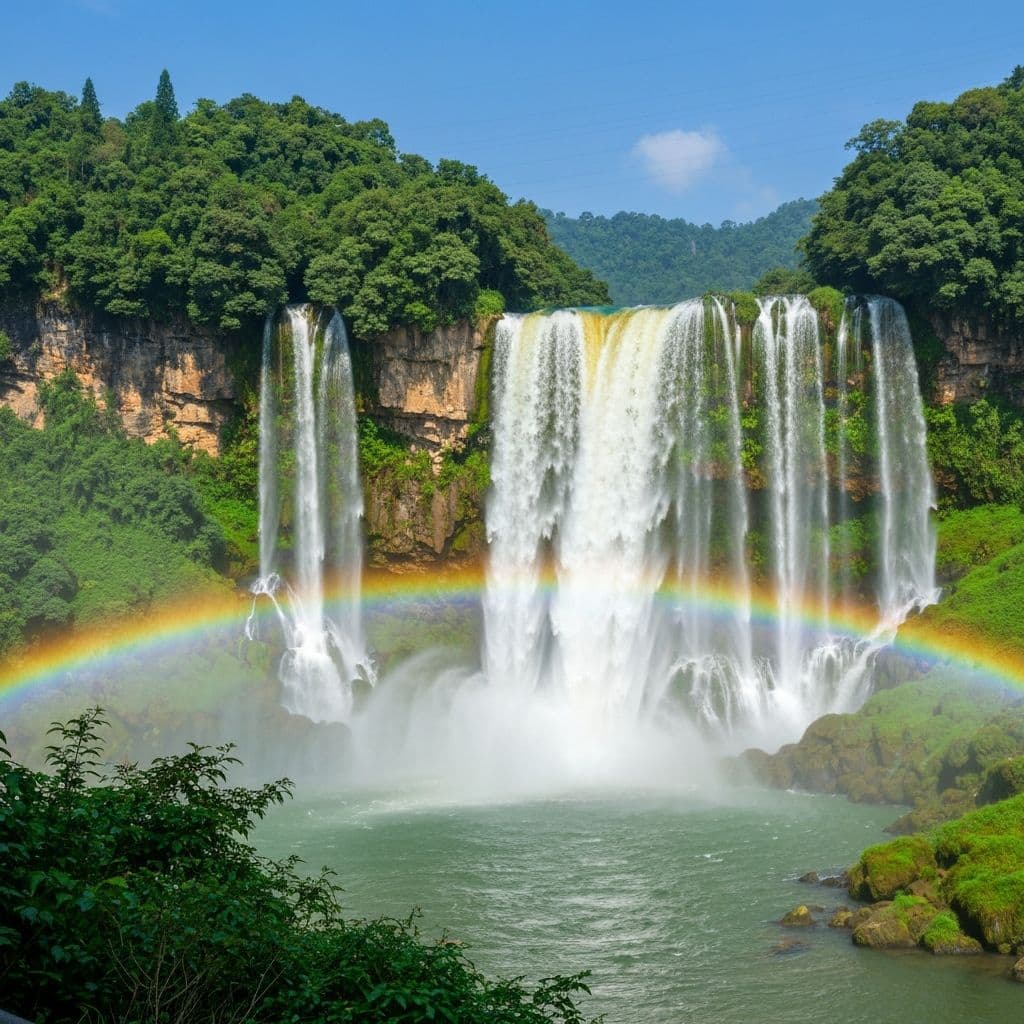
China's largest waterfall and one of the world's most spectacular, Huangguoshu plunges 77.8 meters into Rhinoceros Pool. A unique feature is the 134-meter-long Water Curtain Cave behind the falls, allowing visitors to walk through the thundering water. The surrounding scenic area includes Doupotang Waterfall and the beautiful Tianxingqiao karst formations.
natural
Huaxi Yelang Valley
A surreal open-air art installation created by sculptor Song Peilun over 20 years. Hundreds of stone faces, totems, and figures emerge from a forested hillside, inspired by the mysterious ancient Yelang Kingdom. Part art park, part fever dream, it offers a uniquely Chinese counterculture experience. The organic, handcrafted nature creates an atmosphere unlike any conventional tourist site.
cultural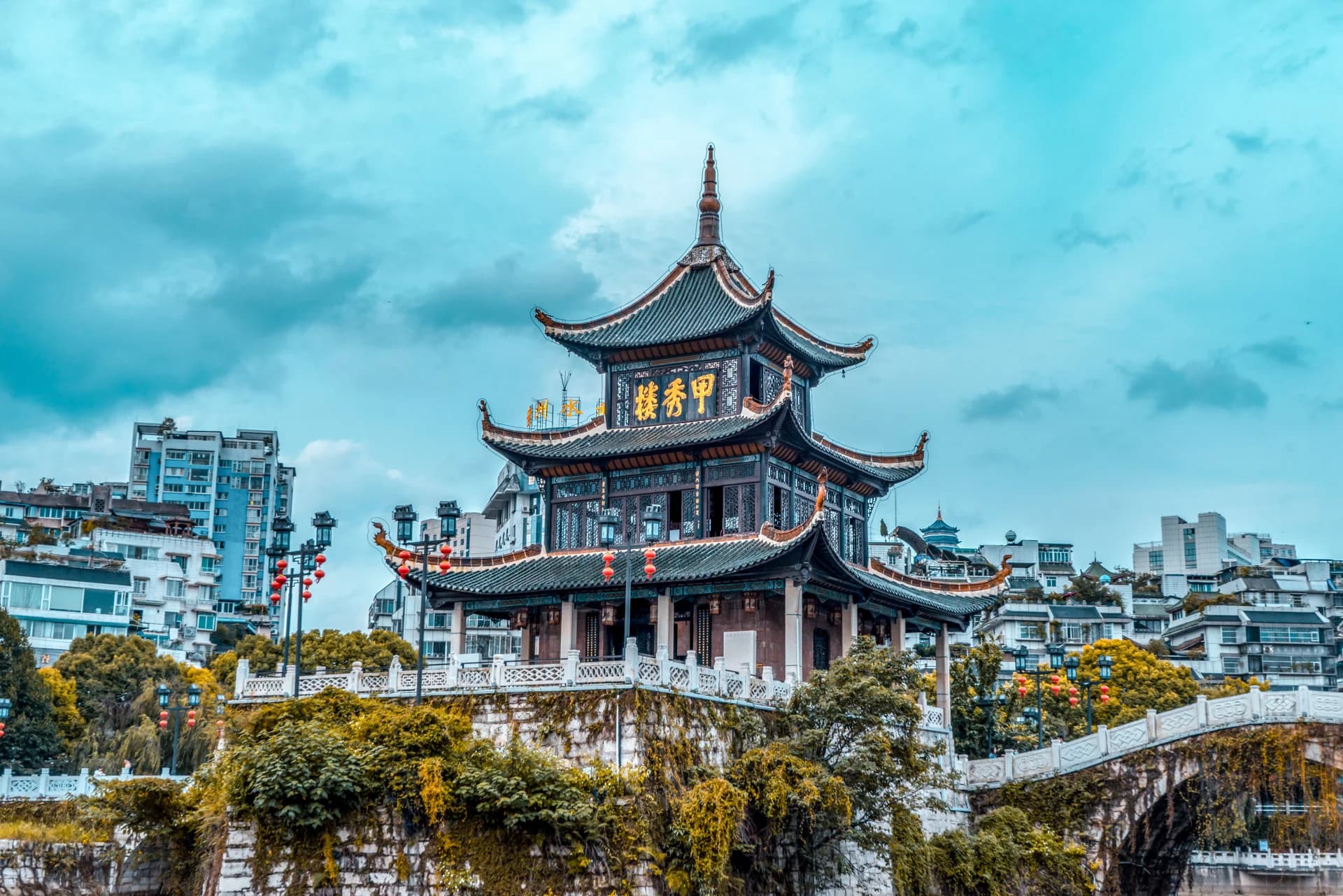
Jiaxiu Tower
Jiaxiu Tower is a historical attraction in Guiyang known for its elegant Ming-era pavilion standing above the Nanming River. First built in 1598 during the Ming dynasty under official Jiang Dongzhi, the tower became one of Guiyang’s best-known landmarks and a symbol of local literati culture; its name, Jiaxiu (甲秀), suggests “the finest among the outstanding.” The present complex includes the tower, connecting bridge, and nearby stone inscriptions, with architecture shaped by later Qing-period repairs.
historical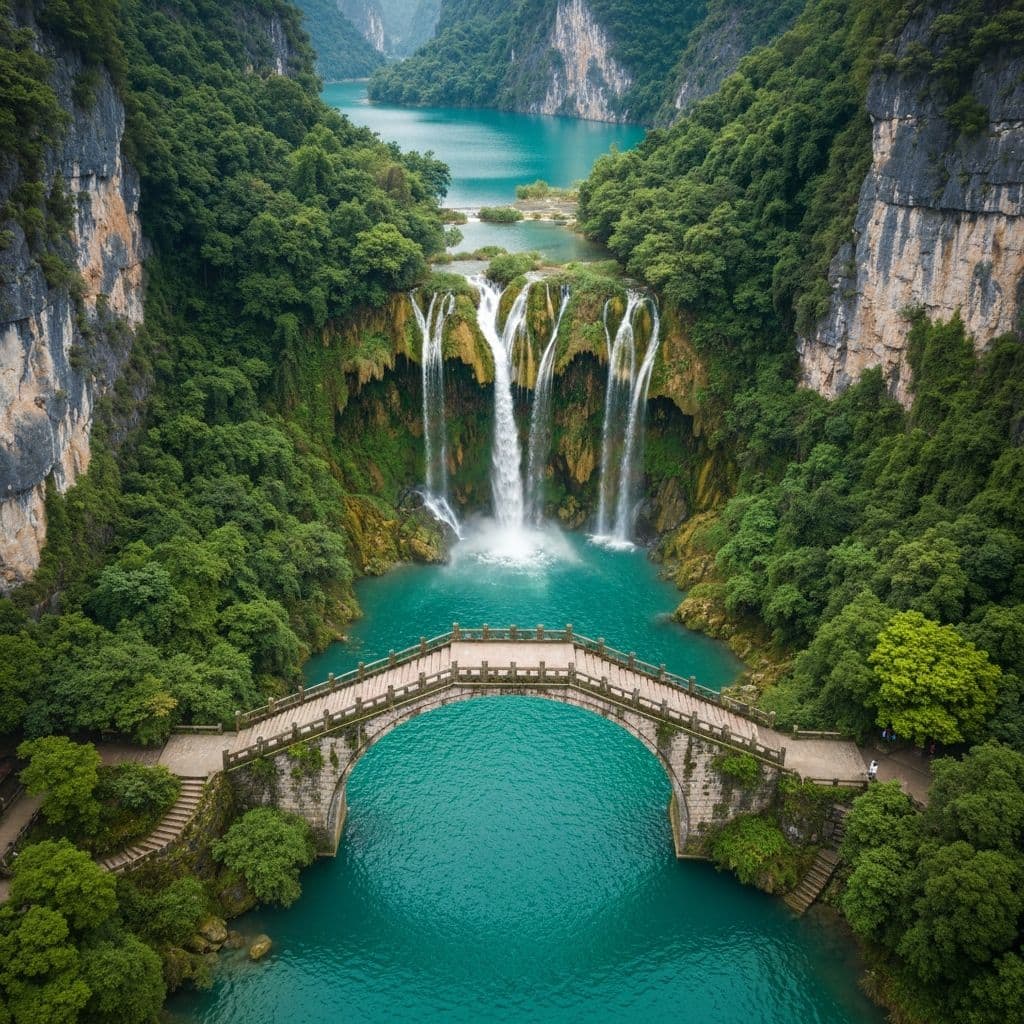
Libo Xiaoqikong Scenic Area
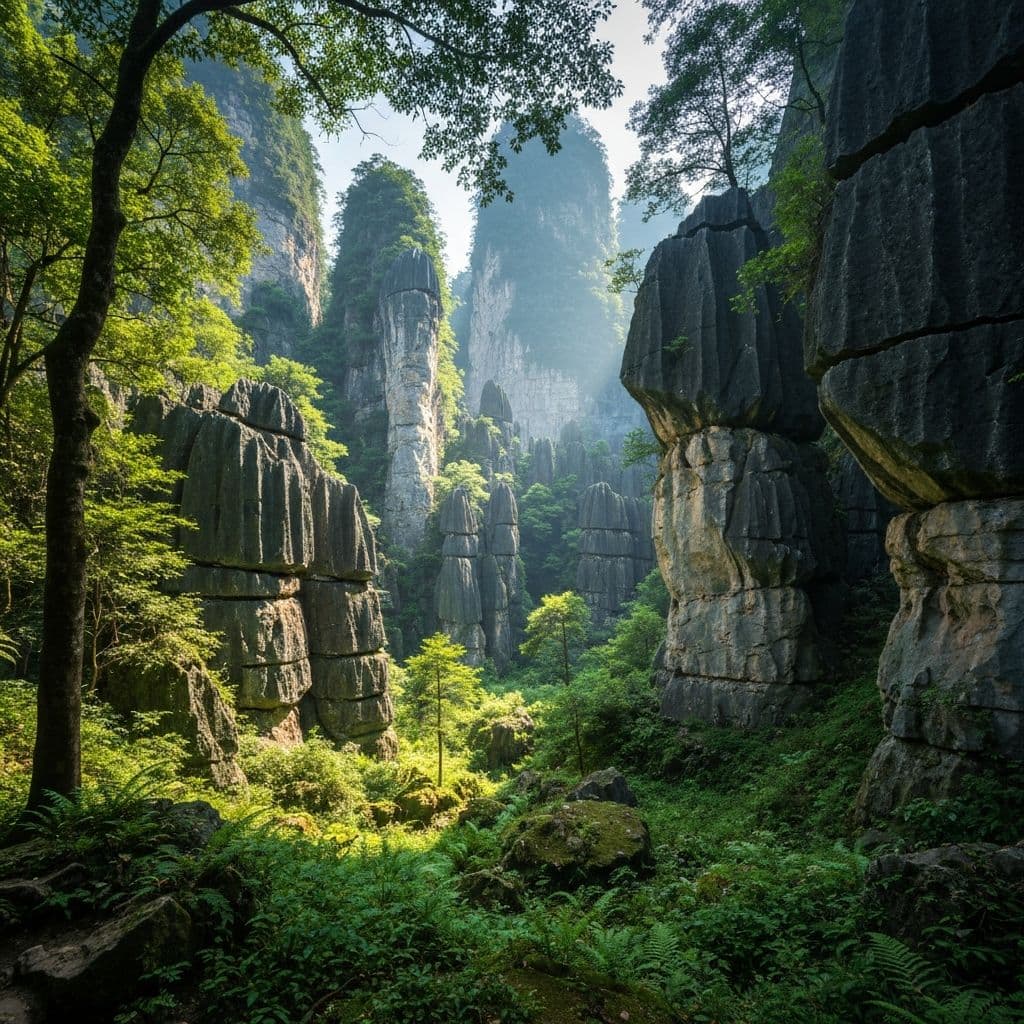
Part of the South China Karst UNESCO World Heritage Site, Xiaoqikong (Small Seven Holes) showcases stunning karst forest landscapes with turquoise waters, waterfalls, and ancient trees. The iconic seven-arched bridge dates to 1835. Crystal-clear water flows through 68 cascades, and primeval forest covers limestone formations. One of Guizhou's most beautiful natural areas.
natural
Qianlingshan Park
Discover Qianlingshan Park in Guiyang, a scenic city park known for its hills, lakes, temples, and relaxed local atmosphere. A great stop for travelers who want to experience nature and everyday life in Guizhou’s capital.
naturalTrip Planning Guide
Guiyang is a city perfectly suited to serve as an "entry point" for travel in Guizhou. Guiyang's true value lies in its comfortable climate, relatively relaxed pace of life, convenient location, and excellent connection to surrounding natural and cultural routes within Guizhou. For first-time visitors to Guizhou, Guiyang is usually not the final destination, but rather a very useful and worthwhile starting point. Who is Guiyang suitable for? Guiyang is especially suitable for the following types of people: First-time visitors to Guizhou who need an easy starting point; Those who want to combine city life, food, and surrounding nature routes; Those who don't want to jump straight into high-intensity mountain trails; Those planning to combine visits to Huangguoshu Waterfall, Libo, Xijiang Miao Village, and other destinations. How many days should I spend in Guiyang? For most tourists: 1 day: Suitable as a transit point in Guiyang, allowing for a quick experience of the city and its cuisine. 2 days 1 night: Suitable for first-time visitors, allowing for a brief look around the city before exploring the surrounding areas. 3 days 2 nights or more: Ideal for combining Guiyang with Huangguoshu Waterfall, Qingyan Ancient Town, and other nearby attractions. If you're only visiting Guiyang itself, 1 to 2 days is usually sufficient. How to group the main areas of Guiyang? When planning your trip to Guiyang, you can simply divide it into 4 sections: 1. City Center/Old Town: For first-time visitors to Guiyang, the city center is usually the first place to get a feel for the city's lifestyle and pace. 2. Qingyan Ancient Town Area: If you want to see more than just the city and also experience a more traditional Guizhou atmosphere, Qingyan is a common supplementary stop. 3. Surrounding Natural Areas: This includes destinations like Huangguoshu Waterfall, Libo, Xijiang Miao Village, and Fanjingshan Mountain. Guiyang Itinerary Planning Suggestions: Don't think of Guiyang as a must-visit city; it's better suited as an entry point to your Guizhou trip. If you only have a few days in Guizhou, first decide whether you're focusing on a nature-themed or culturally-themed itinerary. A day in Guiyang city is usually enough; the focus should be on your subsequent travels. Guiyang's value lies in its easy connections, rest areas, and delicious food, not in the sheer number of attractions. Guiyang isn't the kind of city that immediately grabs tourists with its super landmarks, but it's a great starting point for travel.
Food & Dining
Guiyang's cuisine is generally sour, spicy, and fragrant, offering more layers of flavor than many tourists imagine. For first-time visitors to Guiyang, the focus is usually not just on the spiciness, but also on Guizhou's unique sour soup, rice noodles, street snacks, and local home-style dishes. Must-Try Foods 1. Guiyang Changwang Noodles: A representative noodle dish of Guiyang, with a rich broth and toppings usually including pork intestines and blood tofu. Approximately 12-25 RMB per bowl. Recommended at established shops in the city center, local noodle restaurants, and breakfast stalls. 2. Siwawa (Shredded Vegetable Roll): A representative Guizhou rolled dish, consisting of thin pancakes filled with shredded vegetables and served with a spicy and sour dipping sauce. Approximately 20-50 RMB per serving. Recommended in concentrated food areas like Qingyun Market/Erqi Road Snack Street. 3. Sour Soup Fish: One of the representative dishes of Guizhou, emphasizing the sour soup flavor, not just the spiciness. Approximately 68-168 RMB per serving. Recommended at Guizhou sour soup fish chains like Lianghuanzhai. 4. Huaxi Beef Rice Noodles: Compared to Changwang Noodles, this is milder and more suitable for those trying Guizhou cuisine for the first time. Approximately 10-22 RMB per bowl. Recommended at Huaxi Wang Beef Rice Noodle Shop or established Huaxi Beef Rice Noodle Shops. Where's the most convenient place to eat? If you want to make finding restaurants easier, consider these areas in Guiyang: 1. Qingyun Market Suitable for: First-time visitors who want to try a variety of snacks at once. Advantages: Concentrated area, wide selection, and more tourist-friendly. 2. Erqi Road Snack Street Suitable for: Those who want a more lively atmosphere and to sample various street food flavors at once. Ordering Tips: If it's your first time in Guiyang, start with Huaxi Beef Rice Noodles or Siwawa (a type of Guizhou snack), as they're easier to enjoy. If you want to experience the most representative flavors, then try Changwang Noodles or Sour Soup Fish. If you can't handle spice well, be sure to tell them in advance: Less spicy/Mild spicy. Many of Guiyang's best foods aren't necessarily in the most popular trendy restaurants; established shops, small eateries, and local chains are usually more reliable.
Getting There & Around
Guiyang is one of the most common tourist entry cities in Guizhou, with well-developed airport, high-speed rail, and urban transportation. For first-time visitors, Guiyang itself is not difficult to navigate. The key is to first decide whether you only want to explore the city center or continue to Qingyan Ancient Town, Huangguoshu Waterfall, Libo, or Xijiang Miao Village. How to get to Guiyang? 1. By plane Most tourists arrive at Guiyang Longdongbao International Airport. The journey from the airport to the city center usually takes about 30-50 minutes. Subway: Cheaper, suitable for those with little luggage. Didi/Taxi: Approximately 40-100 yuan, depending on the area and time of day. 2. High-speed rail / train Guiyang is an important transportation hub in Southwest China. Common destinations include: Guiyang North Station: Most commonly served by high-speed rail Guiyang East Station: served by some lines Guiyang Station: Closer to the traditional city center It usually takes about 20-40 minutes to travel from the station to the main areas of the city. What's the most convenient way to get around locally? 1. Subway: Within Guiyang city, a combination of subway and taxi is quite practical.If you're only going to common areas in the city, the subway is usually sufficient. 2. Didi/Taxi: If you're traveling with luggage, in a group, or don't want to transfer, Didi is more convenient.Short trips within the city usually cost around 10-35 yuan. 3. Chartered Car/Day Trip: If you plan to connect Guiyang city, Qingyan Ancient Town, Huangguoshu Waterfall, and surrounding areas in one day, chartering a car is usually smoother than repeatedly transferring. How long does it take between key areas? Longdongbao Airport → City Center: Approx. 30-50 minutes Guiyang North Railway Station → City Center: Approx. 20-35 minutes City Center → Qingyan Ancient Town: Approx. 40-60 minutes City Center → Huangguoshu Waterfall: Approx. 2-2.5 hours City Center → Xijiang Miao Village: Approx. 2.5-3 hours City Center → Libo: Approx. 3-3.5 hours (usually longer, suitable for separate itinerary planning)
Frequently Asked Questions
Is Guiyang worth visiting?
Yes. Guiyang is worth visiting for travelers who want mountain scenery, local food, a cooler summer climate, and access to nearby ethnic and natural attractions in Guizhou.
How many days should I spend in Guiyang?
Most travelers need 2 to 4 days. Two days works for the city itself, while more time is better for nearby day trips.
What is Guiyang famous for?
Guiyang is known for its mild climate, Guizhou-style food, mountain landscape, and as a gateway to nearby scenic and ethnic destinations.
Is Guiyang easy to get around
Guiyang is manageable, but some routes are easier by taxi or ride-hailing than by trying to connect too many different transport steps in one day.
Is Guiyang expensive for tourists?
Guiyang is usually considered more affordable than many major Chinese cities, especially for food and everyday transport.
Quick Info
- Region
- north China
- Best Time to Visit
- April to October
- Suggested Duration
- 2 days
Weather & Climate
Monthly climate overview for Guiyang
Jan3°–9°C20mm
Feb4°–11°C25mm
Mar7°–15°C45mm
Apr12°–20°C80mm
May21°–24°C130mm
Jun19°–26°C180mm
Jul21°–28°C210mm
Aug20°–27°C170mm
Sep17°–24°C85mm
Oct12°–19°C50mm
Nov7°–14°C30mm
Dec4°–10°C22mm
Best time to visit
April to October
Plan Your Trip
Need help planning your Guiyang itinerary? Get personalized travel advice from our team.
Contact Us