Overview
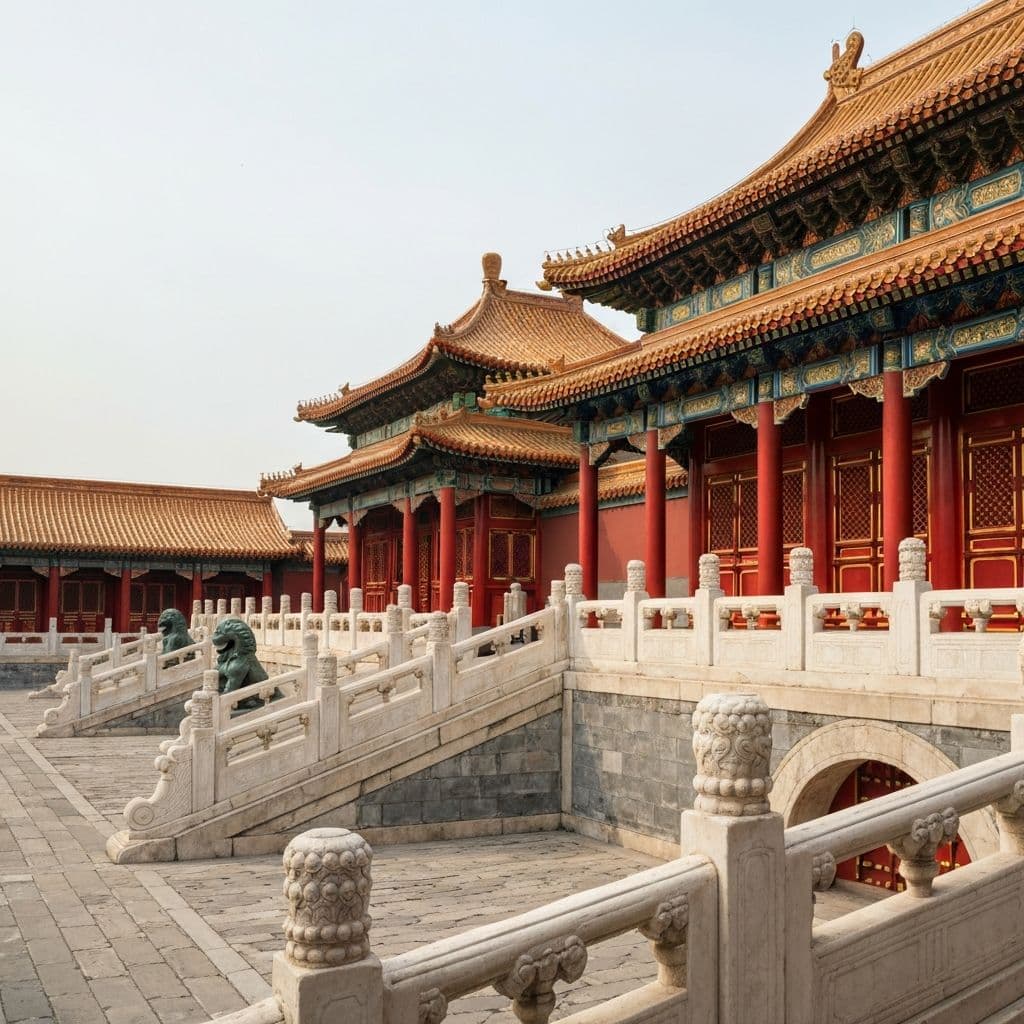
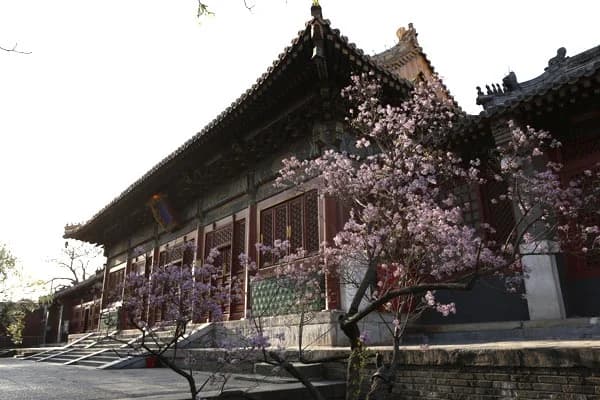
Yonghe Temple is an iconic Beijing landmark, renowned not just for its beauty but as a vital center for Tibetan Buddhism. Its special atmosphere comes from being a living monastery, where the scent of incense and the murmur of prayers create a deeply spiritual experience. The architectural fusion of Han and Tibetan styles is exceptionally well-preserved here.
A thorough visit typically takes 2 to 3 hours, allowing time to appreciate the five main halls and their treasures. The best time to visit is on a weekday morning to avoid the largest weekend crowds. For photography, the external courtyards and roofs offer stunning shots, but remember to be discreet and respectful of worshippers inside.
How to Get There
Yonghe Temple is conveniently located in central Beijing, just north of the Forbidden City. The easiest way to reach it is via the Beijing Subway; take Line 2 or Line 5 and exit at Yonghegong Station (Lama Temple Station). Exit directly to the temple. Taxis are also readily available. For precise walking directions from the station or if driving, use local map apps like Baidu Maps or Gaode Maps.
What to Expect
The visit involves a fair amount of walking through a series of courtyards and halls. While the terrain is mostly flat, there are some steps to navigate. Wearing comfortable shoes is highly recommended. On-site facilities include restrooms and a gift shop selling incense and souvenirs. There are limited food options within the temple grounds, but numerous restaurants are located in the surrounding hutongs.
Practical Tips
- Purchase tickets online in advance to avoid long queues at the entrance.
- Visit early in the morning to experience the temple in a more peaceful, less crowded atmosphere.
- Dress respectfully as it is an active place of worship; avoid shorts and sleeveless tops.
- Be mindful of photography rules; taking pictures inside the main halls is often prohibited.