naturalZhangjiajie
Zhangjiajie National Forest Park
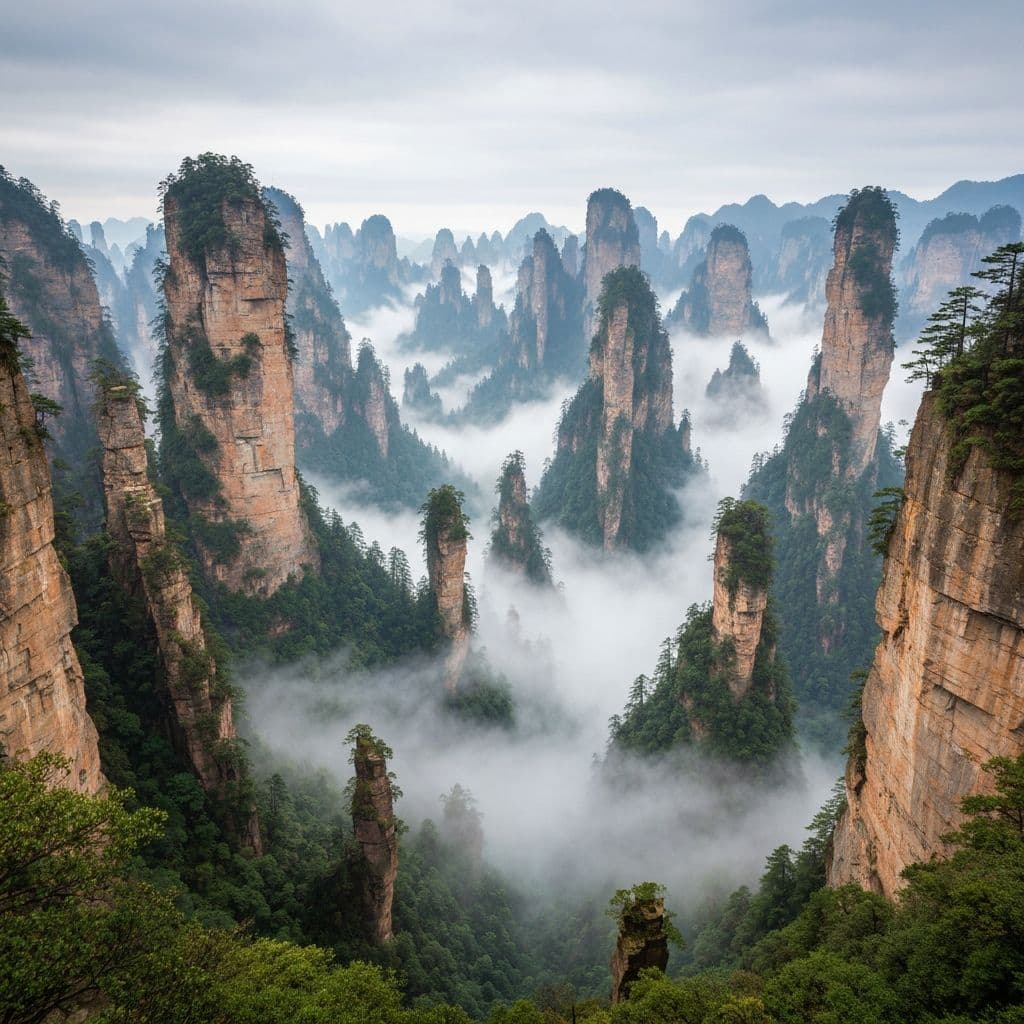
The floating mountains that inspired Avatar's Pandora, this UNESCO Global Geopark features over 3,000 quartzite sandstone pillars rising from subtropical forest. The Avatar Hallelujah Mountain, Bailong Elevator (world's tallest outdoor lift), and Golden Whip Stream are highlights. Mist swirling through the pillars creates an otherworldly atmosphere unlike anywhere else on Earth.
Opening Hours
7:00 AM - 5:00 PM(March-November);8:00 AM - 5:00 PM(December-February)
Ticket Price
¥224 (March-November);¥144(December-February);valid 4 days
Location
Wulingyuan District, Zhangjiajie, Hunan
Overview
Zhangjiajie National Forest Park is China's first national forest park and a UNESCO World Heritage Site. It is renowned for its iconic quartz sandstone peak forest landforms, which inspired the "floating mountains" in the movie *Avatar*. The park is vast, and tickets are valid for four days; it is recommended to allow at least two days for your visit. The best time to visit is spring (April to May) and autumn (September to October), when the weather is mild and the scenery is at its most enchanting.
How to Get There
From Zhangjiajie city center, you can take an intercity bus directly from the Central Bus Station to the East Gate (landmark gate) of Wulingyuan, a journey of about 30 minutes and costing 15 yuan. If you arrive at Zhangjiajie West Railway Station by high-speed rail, you can transfer to a special bus to the South Gate of the scenic area or Wulingyuan Bus Station. The forest park has five entrances, with the East Gate (landmark gate) offering the most convenient transportation and the best surrounding services. When visiting, it is recommended to enter from the East Gate (landmark gate), take the Bailong Elevator to the core scenic area of Yuanjiajie to view the "Hallelujah Mountains," and then visit Tianzi Mountain and the Ten-Mile Gallery. On the second day, you can enter from the South Gate, stroll through the Golden Whip Stream Canyon, and climb Huangshi Village.
What to Expect
Zhangjiajie National Forest Park boasts a well-developed walking trail system, primarily divided into flat mountain paths and stepped boardwalks. The path along Jinbian Stream is a flat stone slab path, easy to walk on; however, the core viewing platforms such as Yuanjiajie and Tianzi Mountain require climbing hundreds of steps, so comfortable, non-slip athletic shoes are recommended. The park has comprehensive facilities, with restrooms and rest corridors at all major stations. Numerous restaurants and gift shops selling local specialties and souvenirs are located on the mountain (such as near Tianqiao Station and McDonald's) and outside the East Gate. Free shuttle buses are available within the park, and most signs are in English, making it very visitor-friendly overall.
Practical Tips
- 1The park is huge - focus on 2-3 areas per day
- 2Bailong Elevator offers the most dramatic ascent
- 3Yuanjiajie area has the famous Avatar pillars
- 4Stay in Wulingyuan town near the park entrance
Share This Attraction
Found this helpful? Share it with fellow travelers!
More in Zhangjiajie
Explore Zhangjiajie
Discover more attractions, food, and travel tips for Zhangjiajie.
View destination
More Attractions to Explore

Zhangjiajie·natural
Tianmen Mountain
Tianmen Mountain, often called the "Soul of Zhangjiajie," is famous for its towering natural arch known as Heaven's Gate. Visitors can reach the summit via the world’s longest cable car ride, offering breathtaking views of the winding 99-Bend Road below. At the top, explore the massive Tianmen Cave, walk along the terrifying glass skywalk clinging to the cliffside, and take the escalator tunnel through the mountain. This destination combines spiritual significance with adrenaline-pumping adventures, making it a must-visit for nature lovers and thrill-seekers alike. The dramatic landscapes provide endless photo opportunities against a backdrop of misty peaks and lush forests.
Zhangjiajie·natural
Zhangjiajie Grand Canyon
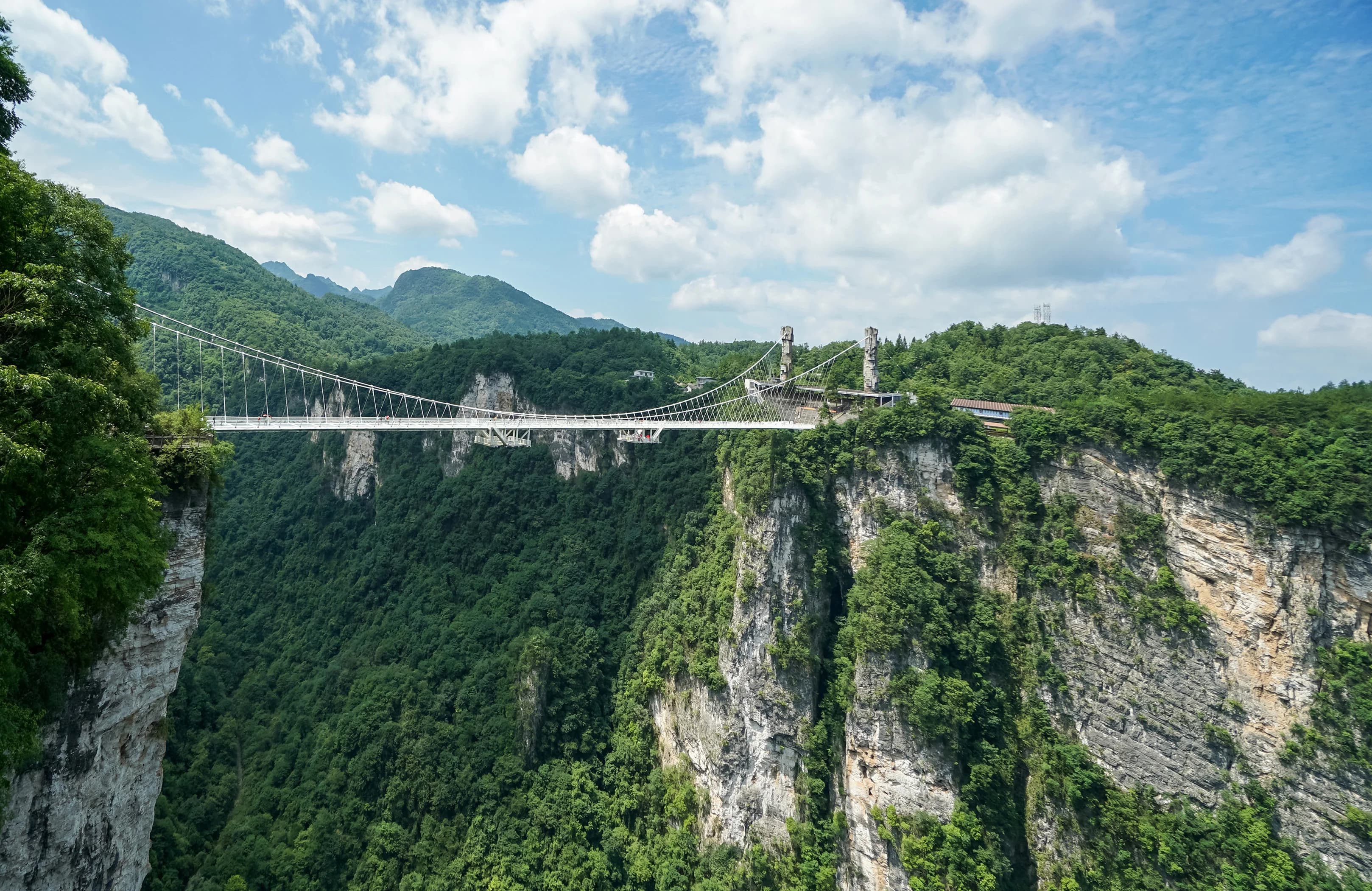
Discover Zhangjiajie Grand Canyon, home to dramatic cliffs, waterfalls, and the famous glass bridge. Plan your visit with highlights and travel tips .
Zhangjiajie·cultural
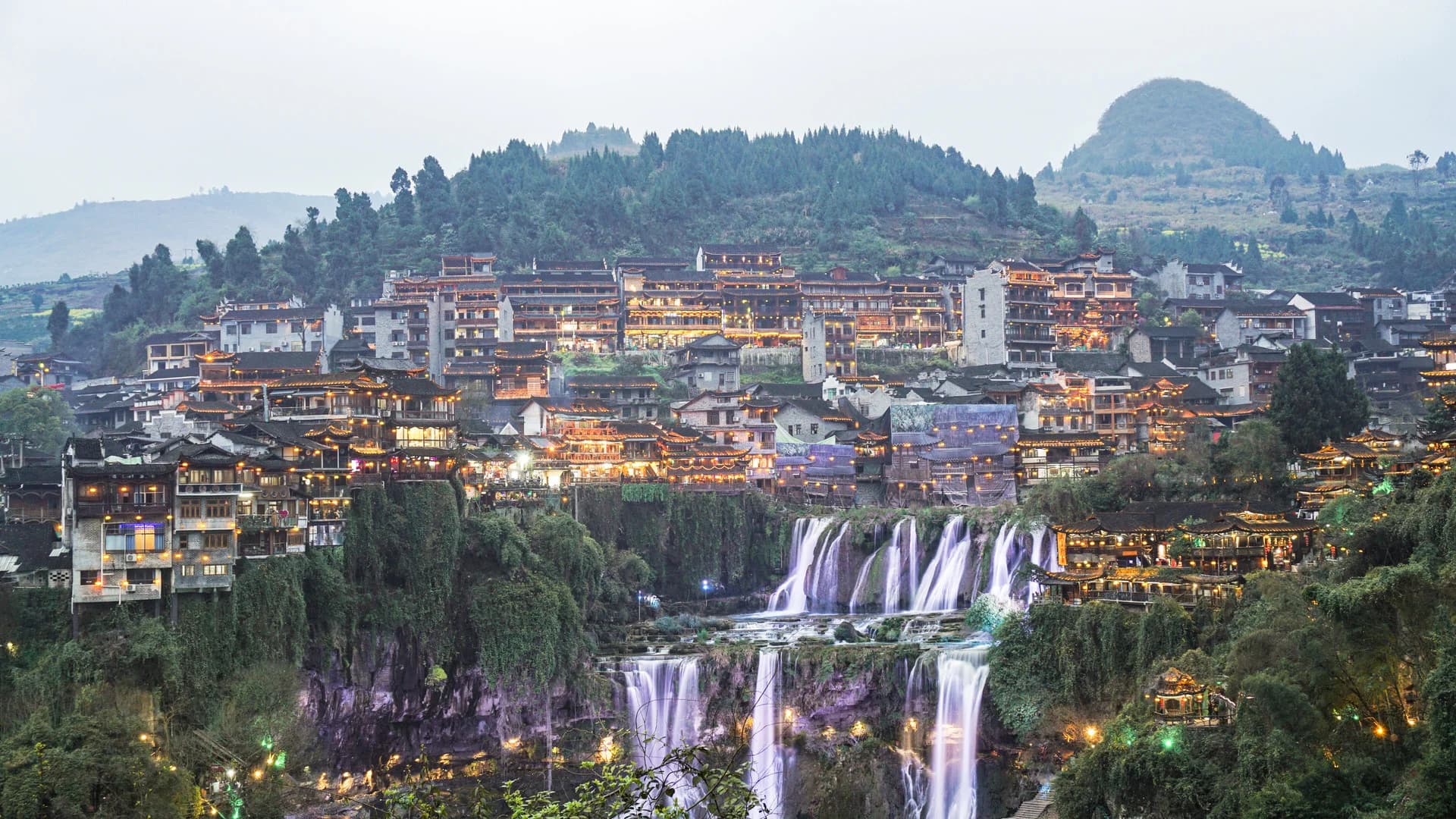
Zhangjiajie 72 Qilou
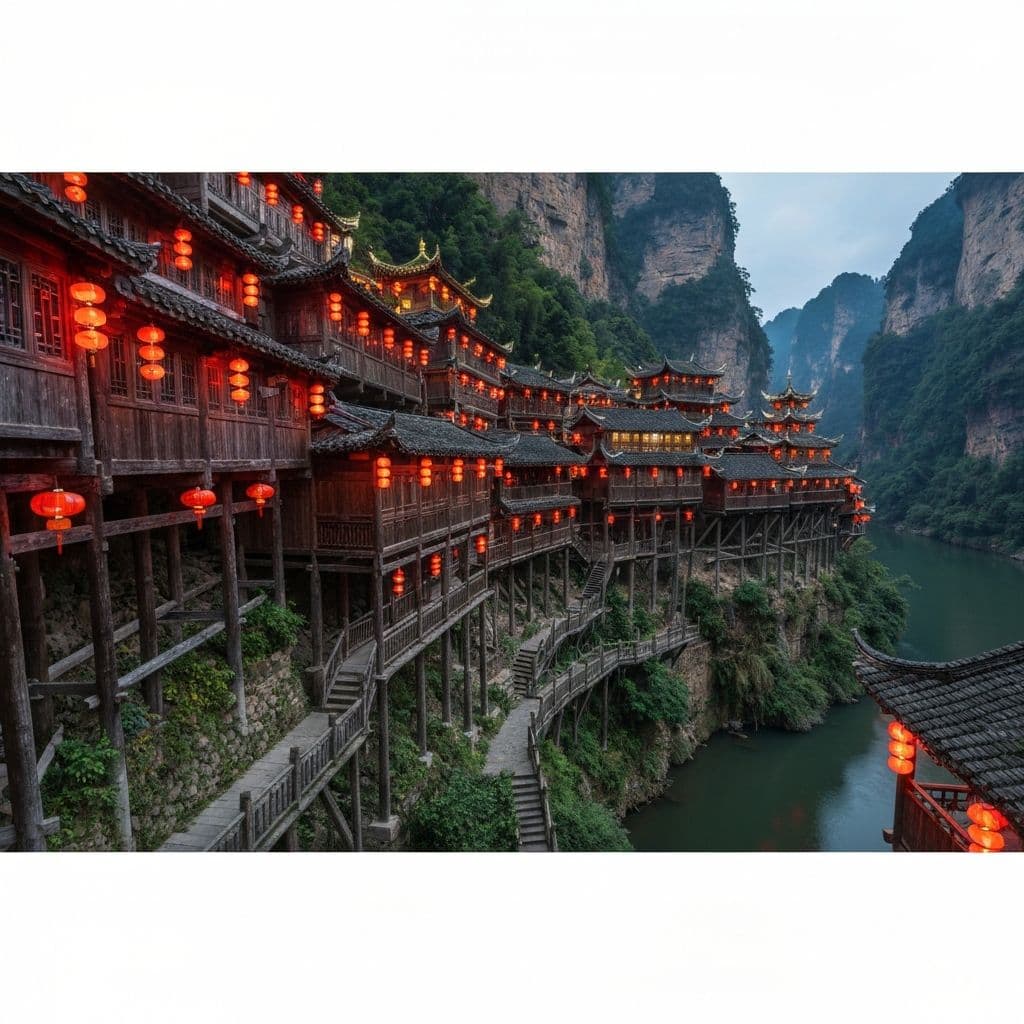
A striking cultural complex featuring 72 traditional Tujia and Miao stilt houses built into a riverside cliff. The wooden structures cascade down the hillside in traditional western Hunan architectural style. Night lighting transforms the complex into a magical scene. The area includes restaurants, performances, and museums showcasing local minority culture and the region's unique heritage.