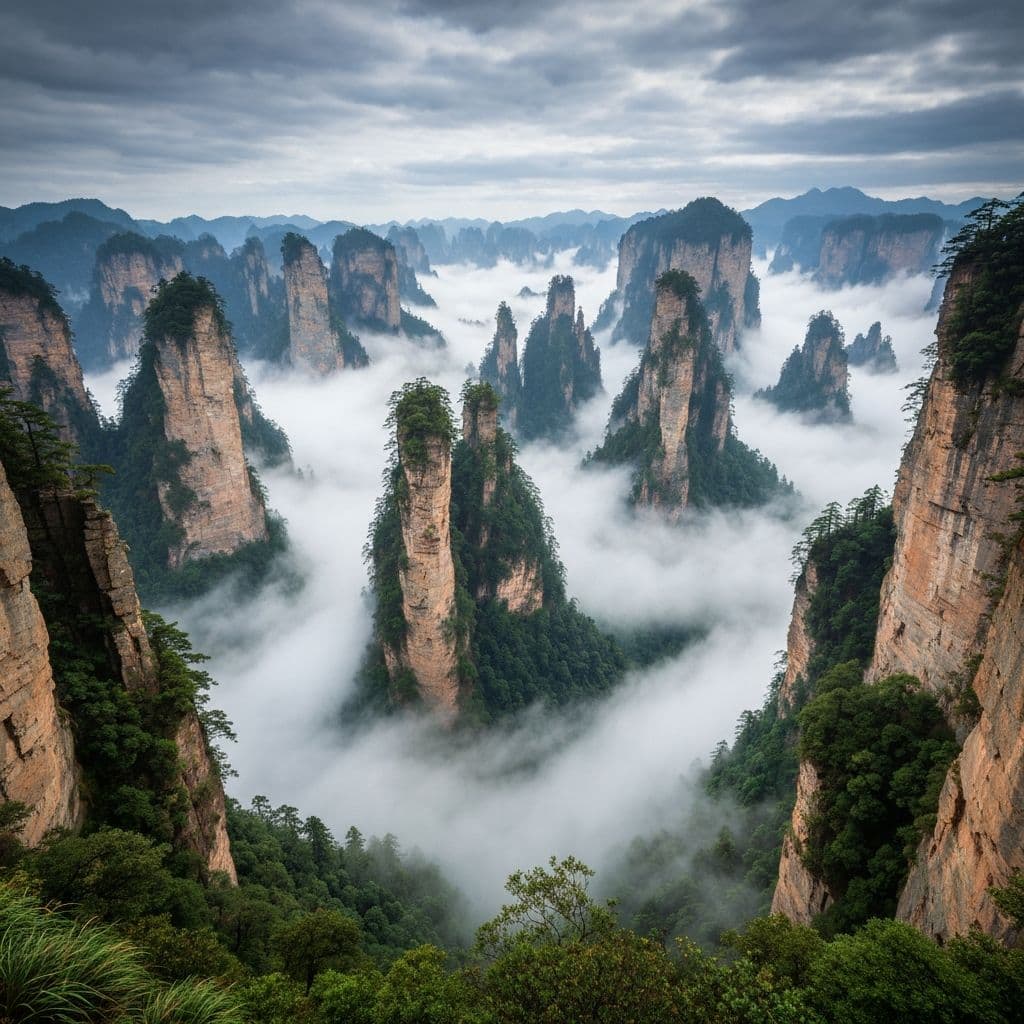
central China
Zhangjiajie
Should you choose Zhangjiajie? 3-4 days for sandstone peaks, hikes, and Tianmen Mountain
Best time: April to June, September to November
3 days suggested
5 highlights
Why Visit Zhangjiajie
Deep winter, dry and cold, with very little rain or snow, mostly sunny days and dry air.
Top Highlights
Nature: Spend a full day in Zhangjiajie National Forest Park from the East Gate at Wulingyuan; pair Bailong Elevator, Yuanjiajie, and Tianzi Mountain on one loop to avoid backtracking.
Adventure: Reserve Tianmen Mountain early and choose either Route A or B; budget 5-7 hours for the cable car, cliff walkways, Tianmen Cave stairs, and shuttle segments.
Scenic engineering: Do the Zhangjiajie Grand Canyon Glass Bridge as a half-day trip from Wulingyuan; shuttle time is about 50 minutes each way and bridge tickets usually start around ¥138-¥219 depending on package.
Low-effort viewpoint day: Base in Wulingyuan and combine Baofeng Lake, the Charming Xiangxi evening show, and the creek-side food streets without changing hotels.
Fast city-to-mountain mix: Stay one night near Tianmen Mountain/airport and one or two nights in Wulingyuan so you can split Tianmen and the national park across separate early starts.
Must-See Attractions
6 attractions to explore in Zhangjiajie
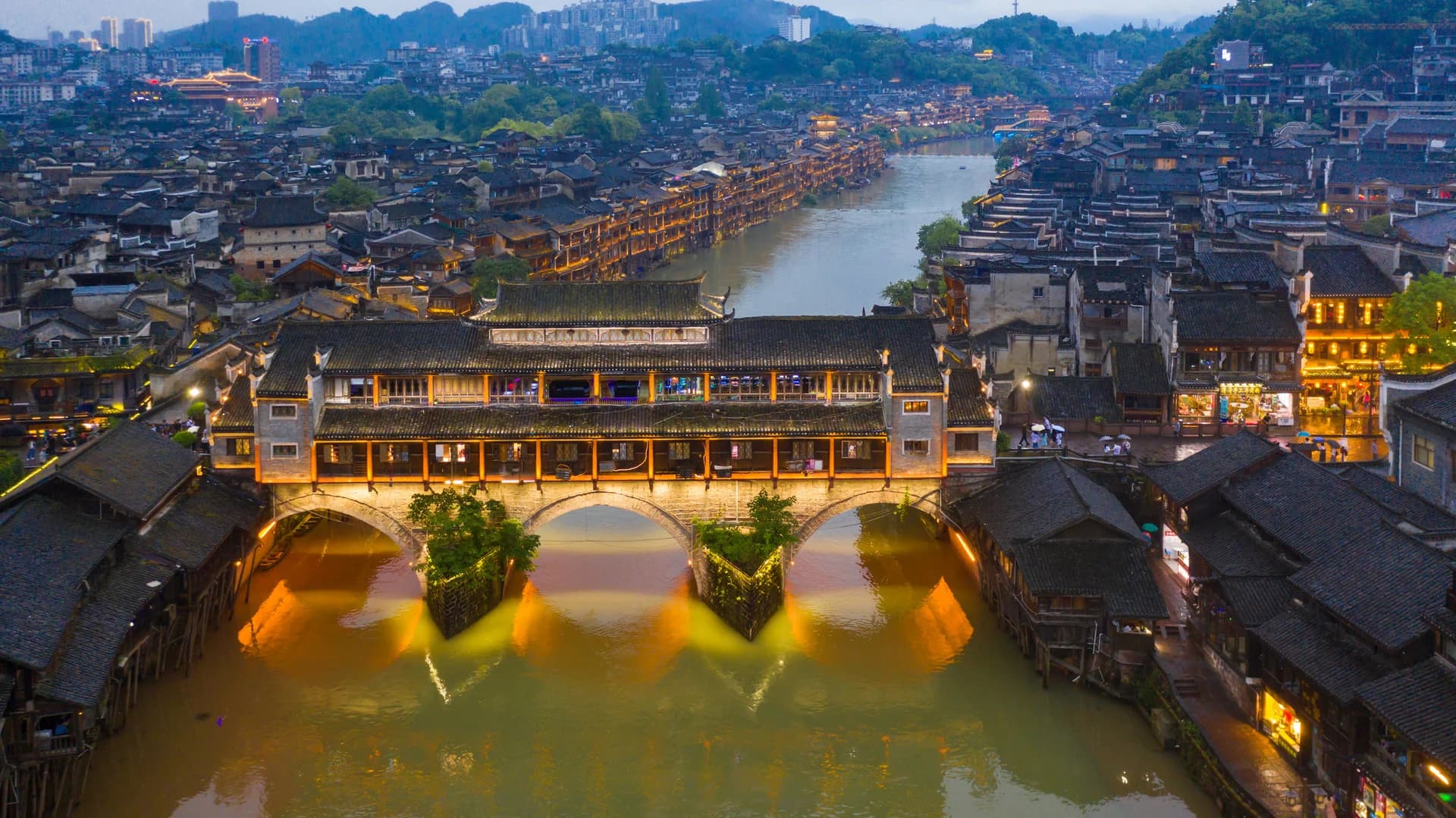
Fenghuang Ancient Town
Explore Fenghuang Ancient Town to learn about its key highlights, travel tips, and important visitor information to help you plan an unforgettable trip to China
historical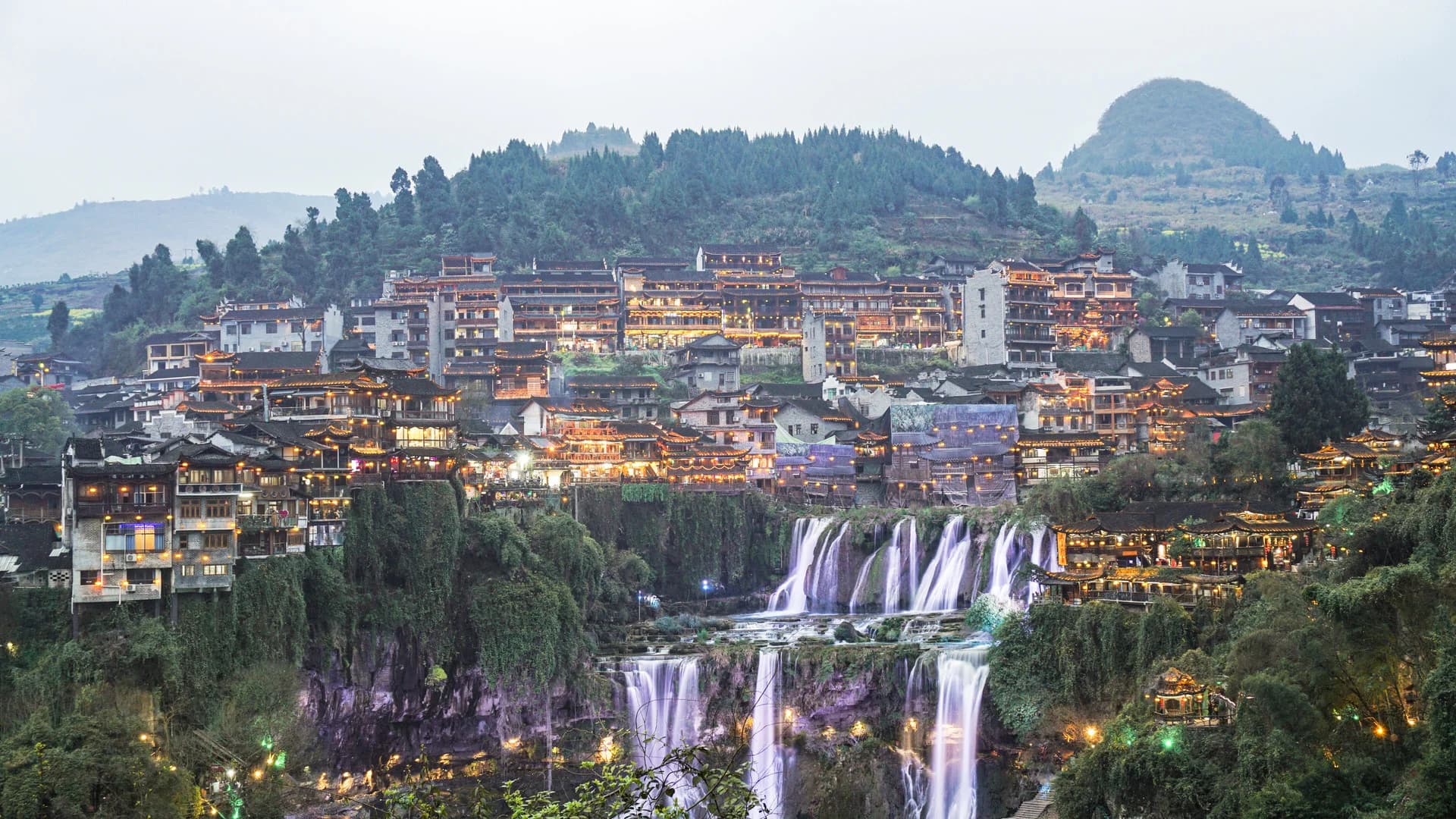
Furong Town
Discover Furong Town, Hunan’s stunning waterfall ancient town. Explore top sights, history, travel tips, and what to see in this scenic destination .
historical
Tianmen Mountain
Tianmen Mountain, often called the "Soul of Zhangjiajie," is famous for its towering natural arch known as Heaven's Gate. Visitors can reach the summit via the world’s longest cable car ride, offering breathtaking views of the winding 99-Bend Road below. At the top, explore the massive Tianmen Cave, walk along the terrifying glass skywalk clinging to the cliffside, and take the escalator tunnel through the mountain. This destination combines spiritual significance with adrenaline-pumping adventures, making it a must-visit for nature lovers and thrill-seekers alike. The dramatic landscapes provide endless photo opportunities against a backdrop of misty peaks and lush forests.
natural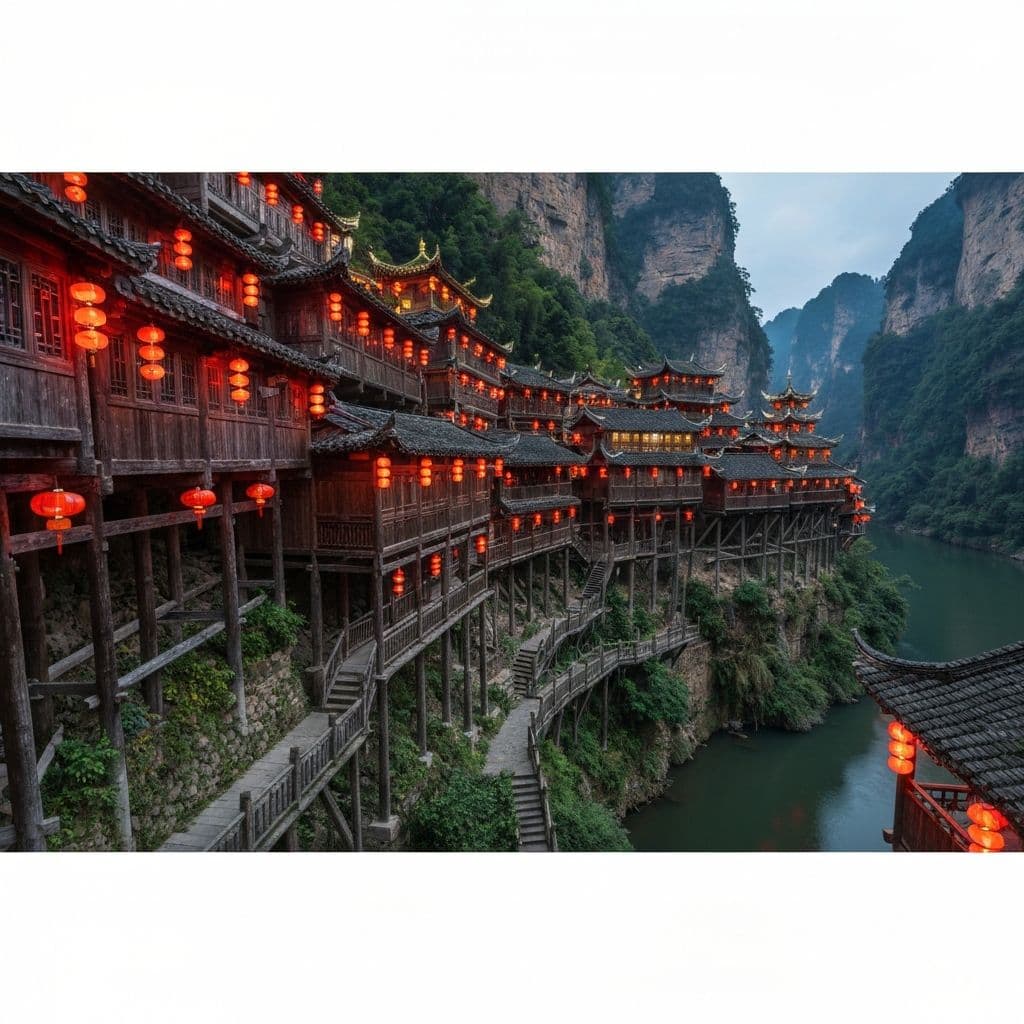
Zhangjiajie 72 Qilou
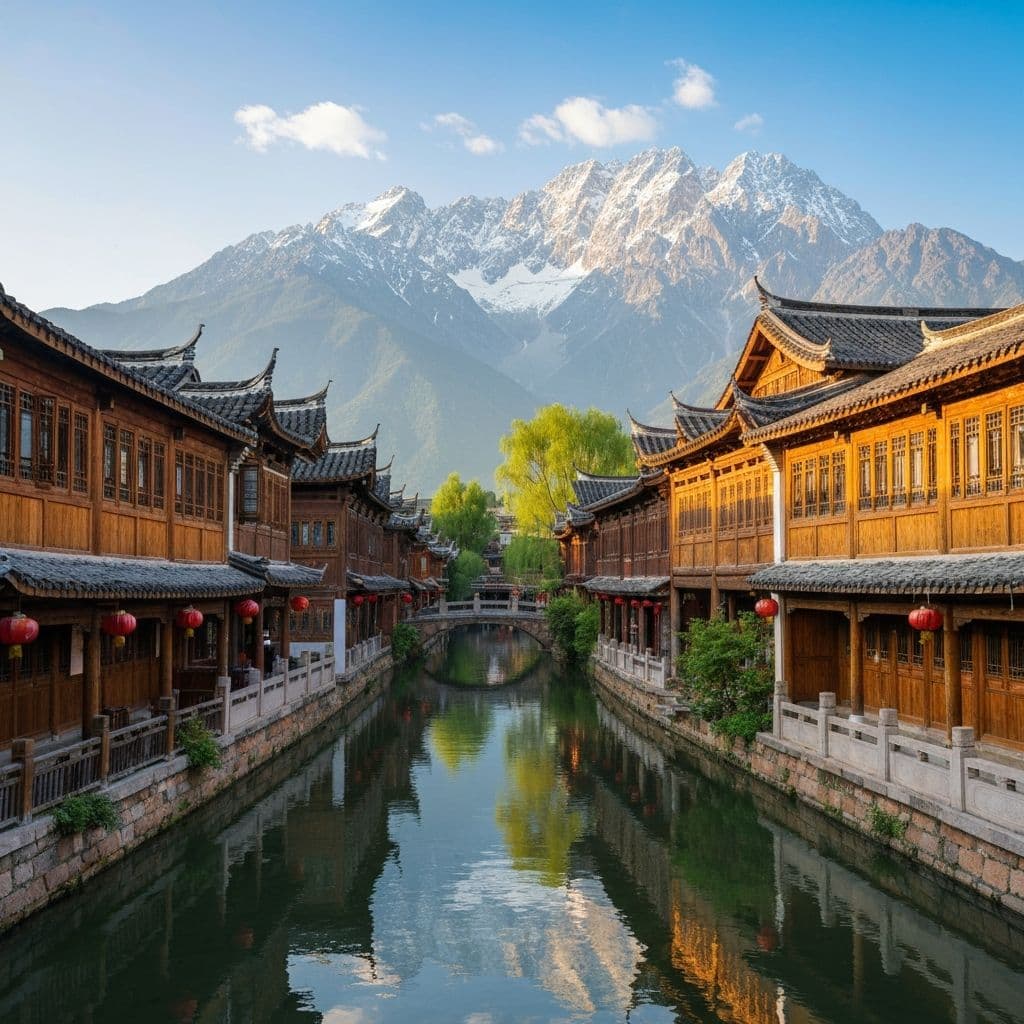
A striking cultural complex featuring 72 traditional Tujia and Miao stilt houses built into a riverside cliff. The wooden structures cascade down the hillside in traditional western Hunan architectural style. Night lighting transforms the complex into a magical scene. The area includes restaurants, performances, and museums showcasing local minority culture and the region's unique heritage.
cultural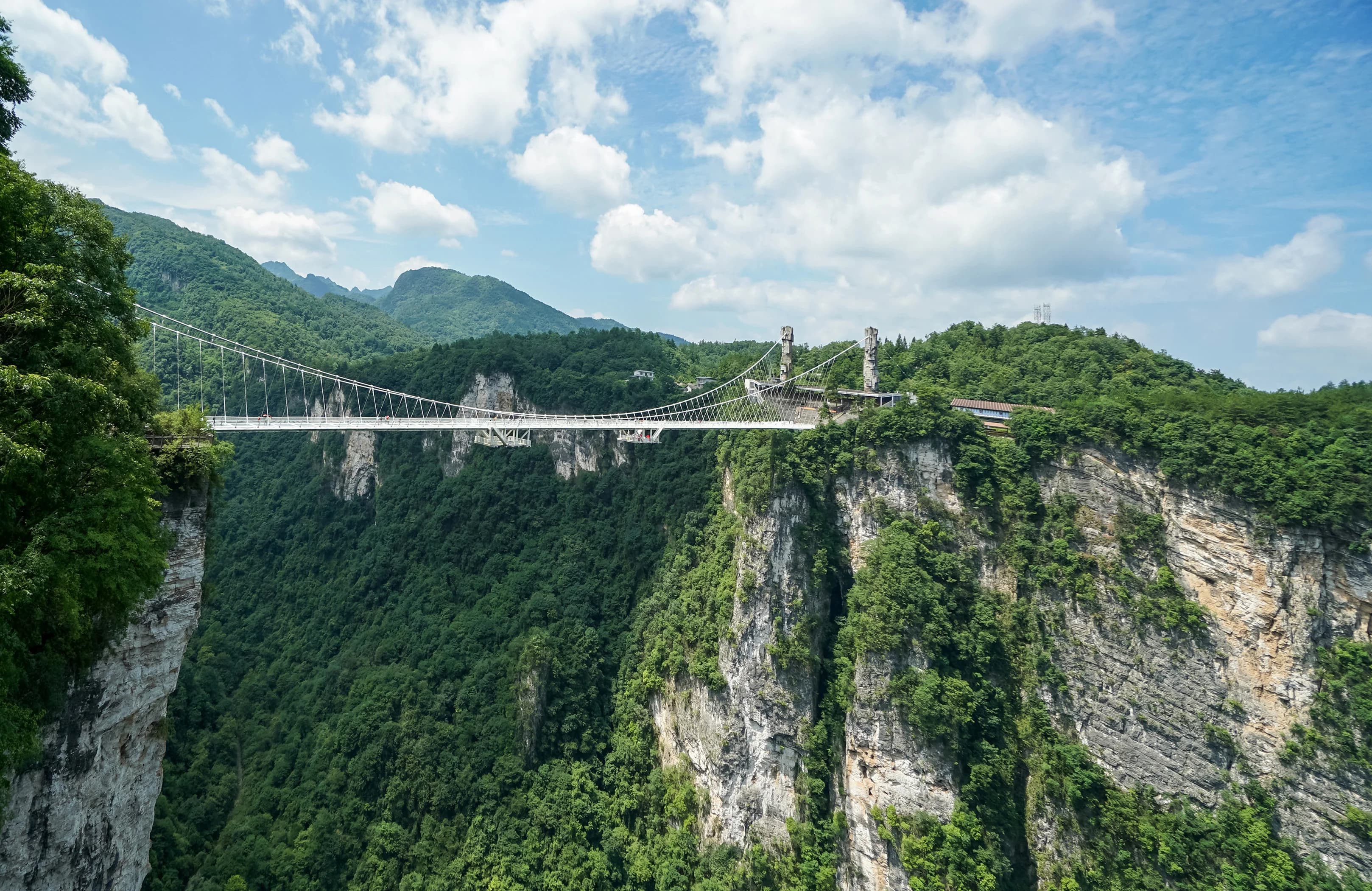
Zhangjiajie Grand Canyon
Discover Zhangjiajie Grand Canyon, home to dramatic cliffs, waterfalls, and the famous glass bridge. Plan your visit with highlights and travel tips .
naturalTrip Planning Guide
Zhangjiajie is one of China's most visually stunning natural destinations, renowned for its quartz sandstone peaks, canyons, clouds and mist, forest trails, and high-altitude viewing platforms. Who is Zhangjiajie suitable for? Zhangjiajie is suitable for the following types of tourists: Those who enjoy natural scenery: The peaks, canyons, sea of clouds, and forest landscapes are truly unique. Photography enthusiasts: The scenery is breathtaking in the early morning, after rain, and in foggy weather. First-time visitors to China's natural landscapes: Zhangjiajie is highly recognizable and memorable. Those who enjoy light hiking: Routes like Golden Whip Stream, Tianzi Mountain, and Yuanjiajie are perfect for leisurely exploration. Those looking to combine Zhangjiajie with trips to Hunan, Guilin, or Chongqing: It can be a stop on a typical southern China nature tour. If tourists don't like mountain roads, steps, cable cars, or high-altitude views, Zhangjiajie might be quite tiring; but if they want to see some of China's most representative unique peaks and landforms, it's definitely worth making the trip. How many days should I spend in Zhangjiajie? 1 day: Only suitable for a very intensive visit to one core area; not recommended for first-time visitors. 2 days 1 night: Includes the core attractions of Zhangjiajie National Forest Park. 3 days 2 nights: Highly recommended for first-time visitors; can include Zhangjiajie National Forest Park + Tianmen Mountain. 4-5 days: Suitable for adding attractions like the Grand Canyon Glass Bridge, Huanglong Cave, or a slower-paced hike. 6 days or more: Can be combined with visits to Fenghuang Ancient Town, Changsha, Guilin, or Chongqing. How are the main areas of Zhangjiajie grouped? 1. Zhangjiajie National Forest Park: This is the core natural scenic area of Zhangjiajie, including Yuanjiajie, Tianzi Mountain, Jinbian Stream, Yangjiajie, etc. The peak forest landscape is the most typical; it's recommended to allocate at least 2 days for a leisurely visit. 2. Yuanjiajie/Tianzi Mountain: Suitable for viewing the peak forest and sea of clouds from high vantage points; it's Zhangjiajie's most classic visual area. The view is expansive on a clear day, and even more so after rain when the mist is intense. 3. Jinbian Stream: Suitable for easy hiking; the route unfolds along the valley and is quieter than the high-altitude viewing areas. Suitable for tourists who don't want to spend too much time on cable cars and elevators. 4. Tianmen Mountain: Close to Zhangjiajie city, famous for Tianmen Cave, the glass walkway, the cable car, and the mountaintop trail. Suitable for a separate day. 5. Grand Canyon/Glass Bridge: Suitable for tourists who enjoy thrilling experiences and canyon scenery, but it's some distance from the core scenic area; it's not recommended to cram it into the same day as the main forest park tour. What are the best travel styles for Zhangjiajie? Zhangjiajie offers three main experiences: Natural Wonders: Forest Park + Yuanjiajie + Tianzi Mountain + Golden Whip Stream Light Hiking & Photography: Golden Whip Stream + Yangjiajie + Morning/Post-Rain Viewing Complete Experience: Forest Park + Tianmen Mountain + Grand Canyon/Glass Bridge What places can you combine with Zhangjiajie? Zhangjiajie + Changsha: The most common combination, suitable for a Hunan nature + city food tour. Zhangjiajie + Fenghuang Ancient Town: Suitable for a slow-paced trip exploring natural landscapes and an ancient town. Zhangjiajie + Guilin: Suitable for a natural landscape tour of southern China. Zhangjiajie + Chongqing: Suitable for a combination of mountain city culture and natural wonders. Zhangjiajie + Guizhou: Suitable for a more in-depth tour of southwestern nature and ethnic minority culture.
Food & Dining
Zhangjiajie cuisine has a distinct western Hunan flavor, characterized by its spiciness, abundance of preserved meats, plentiful wild ingredients, rich flavors, and generous portions. Must-Try Foods 1. Sanxia Guo (Three-Ingredient Stir-Fry): One of Zhangjiajie's most representative dishes, typically made by stir-frying cured pork, pork intestines, pork belly, potatoes, and chili peppers together in a dry pot, resulting in a fragrant, spicy, and rich flavor. Estimated Price: 80–160 RMB/serving 2. Tujia Cured Pork: A representative dish of Tujia cuisine, this cured pork is savory and often stir-fried with green peppers, garlic sprouts, dried bamboo shoots, or dried tofu. Estimated price: 60–120 yuan per serving. 3. Pickled Radish / Pickled Vegetable Snacks: A common appetizer in Zhangjiajie, with a sour and spicy flavor, suitable for eating after hiking or trekking. Estimated price: 5–15 yuan/serving 4. Stewed Chicken with Rock Ear Fungus Rock ear fungus is a specialty ingredient from the Zhangjiajie mountains. It's often stewed with chicken in soup, resulting in a savory and milder flavor than spicy dishes. Estimated price: 100–200 yuan per serving Recommended Dining Areas: Wulingyuan Area: Close to Zhangjiajie National Forest Park, suitable for meals before or after the visit. Many restaurant options are available, but prices in tourist areas may be slightly higher. Zhangjiajie City: Even more restaurants and a more consistent selection, suitable for formal dinners or meals after visiting Tianmen Mountain. Near the Scenic Area Entrance: Suitable for quick meals, but it's not recommended to have all your main meals within the scenic area. Local Tujia Restaurants: Suitable for trying local dishes such as Sanxiaguo (a type of stew), cured meat, rock ear stewed chicken, and Heza (a type of stew).
Getting There & Around
Most international visitors arrive via Zhangjiajie Hehua International Airport (DYG) or Zhangjiajie West Railway Station. The airport is about 5 km from central city hotels and usually 15-20 minutes by taxi. High-speed rail is often the simplest approach: Changsha to Zhangjiajie West is usually 2.5-3.5 hours, Fenghuang Gucheng about 1-1.5 hours, Furong Town about 25-40 minutes, and Wuhan or Chongqing commonly 5-7 hours depending on service. Getting around is mostly by taxi, Didi, scenic-area shuttle buses, and some public buses; Zhangjiajie does not have a metro. City center to Tianmen Mountain cableway is often walkable if you stay nearby. Central Zhangjiajie to Wulingyuan takes about 45-60 minutes and usually costs roughly ¥80-¥120 by taxi or ¥13-¥20 by bus. Wulingyuan to the Grand Canyon area is about 50 minutes by car, often ¥90-¥130. Inside Zhangjiajie National Forest Park, use the included shuttle buses strategically because walking between major sectors is too slow for most 1-day visits. Navigation tip: download Amap/Gaode or Baidu Maps before arrival; Google Maps is unreliable in China for routing and live transport.
Frequently Asked Questions
Is 2 days enough for Zhangjiajie?
Two days is enough for a fast first visit, but only if you focus on Tianmen Mountain plus one concentrated day in Zhangjiajie National Forest Park. You will need to skip at least one of the Glass Bridge, Baofeng Lake, or slower hiking routes like Golden Whip Stream. It works best if you arrive the night before and stay one night in the city and one in Wulingyuan.
Should I stay in Zhangjiajie city or Wulingyuan?
Stay in Zhangjiajie city if your priority is Tianmen Mountain, late arrival convenience, or an early flight. Stay in Wulingyuan for 2-3 nights if the national park is your main reason to come, because you save about 45-60 minutes each way on park days. Many first-timers split the stay: 1 night city, 2 nights Wulingyuan.
Can I do Tianmen Mountain and Zhangjiajie National Forest Park in one day?
It is technically possible only as a rushed checklist day and is not a good first-time plan. Tianmen Mountain alone often takes 5-7 hours with cable car, bus, and queue time, while a meaningful park route needs another 7-9 hours. In practice, you should separate them unless weather forces a compromise.
Is the Glass Bridge worth it if I only have 3 days?
Only if you care specifically about the bridge experience or want a lighter half-day after a hard hiking day. For most first-time visitors, a second day in Zhangjiajie National Forest Park is a better use of limited time because it gives you another weather chance and more variety. The bridge area also adds roughly 1.5-2 hours of round-trip transfer from Wulingyuan.
When is the best time to visit Zhangjiajie for clear views?
April-May and September-October usually give the best balance of temperatures and visibility, but mountain weather changes quickly. Summer is green but wetter and more crowded, while winter has fewer visitors and lower hotel prices but colder mornings and occasional ice. If viewpoints are your top priority, build in an extra day for weather flexibility.
Do I need to book Zhangjiajie tickets in advance?
For 2026 travel, book Tianmen Mountain and the Grand Canyon Glass Bridge ahead for weekends, school holidays, and public holidays. National park entry is easier to buy closer to the date, but booking ahead still helps during peak periods. Keep your most weather-sensitive day flexible, because fog can reduce the value of prepaid mountain tickets.
Quick Info
- Region
- central China
- Best Time to Visit
- April to June, September to November
- Suggested Duration
- 3 days
Weather & Climate
Monthly climate overview for Zhangjiajie
Jan2°–8°C45mm
Feb3°–10°C60mm
Mar7°–14°C95mm
Apr12°–20°C150mm
May17°–24°C180mm
Jun20°–27°C210mm
Jul23°–31°C170mm
Aug23°–31°C150mm
Sep19°–27°C95mm
Oct14°–22°C85mm
Nov9°–16°C70mm
Dec4°–10°C40mm
Best time to visit
April to June, September to November
Plan Your Trip
Need help planning your Zhangjiajie itinerary? Get personalized travel advice from our team.
Contact Us