
China has a wealth of festivals, but not all of them are well-suited for travelers. Some are worth a dedicated trip, while others are best avoided. This guide doesn’t rank festivals by their fame; instead, it uses a more practical criterion: is a given festival worth adjusting your travel itinerary for? From the dumplings of the Spring Festival to the dragon boats of the Dragon Boat Festival, and from the lantern displays of the Lantern Festival to the moon-gazing traditions of the Mid-Autumn Festival, this guide will tell you when to visit, where to go, and how to prepare in advance.
I. First, keep one principle in mind: holidays ≠ good opportunities.
China has two peak travel periods for the general public, known locally as "Golden Weeks":
National Day Golden Week: October 1–7
Labor Day Holiday: May 1–5
During these two periods, train tickets sell out within minutes of their release, tickets for popular tourist attractions are fully booked a week in advance, and hotel prices double or even triple. If this is your first time visiting China, it is best to avoid these times if you can.
II. Festivals Worth Flying Out For
Spring Festival: The Most Important—and Most “Difficult”—Experience
When: The first day of the first lunar month—February 6, 2027.
This is the one time of year when every Chinese person heads home. It carries a significance comparable to Christmas in the West, yet the emphasis on family reunion is even more intense.
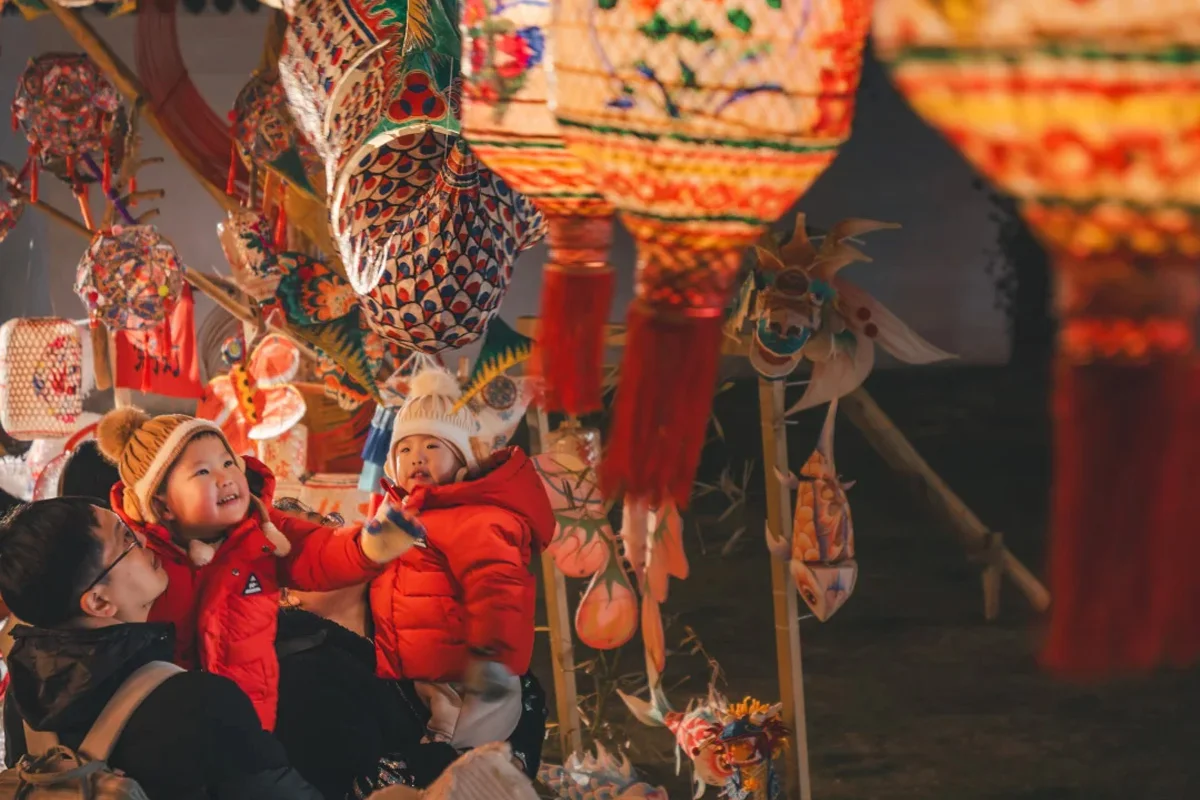
What you can experience:
Making dumplings: The centerpiece of a traditional Northern Chinese New Year’s Eve dinner. Some families tuck a coin inside a dumpling; whoever finds it is believed to be in for good fortune in the coming year.
Visiting temple fairs: With their lion dances and handicraft stalls—such as those at Beijing’s Dongyue Temple or Longtan Lake—temple fairs offer one of the most accessible and welcoming entry points into the Spring Festival for international visitors.
Writing Spring Festival couplets and displaying the character "Fu" (good fortune): In many cities, you can find stalls during the Spring Festival that offer visitors the chance to try their hand at Chinese calligraphy.
Cultural Insight
Cultural Insight
Cultural Insight
For detailed information about the Chinese New Year, please see: Chinese New Year: The Complete Festival Guide for Travelers
From the week leading up to the Spring Festival through Lunar New Year’s Eve, many small restaurants and shops close as locals head home for the holidays. While commercial districts in major cities remain operational, those looking to experience a sense of "local life" might find that the period from Lunar New Year’s Eve through the second day of the Lunar New Year is, in fact, the quietest time of all.
The Lantern Festival: The Most "Traveler-Friendly" Major Chinese Holiday
When: The 15th day of the first lunar month, the final day of the Spring Festival. In 2027, this falls on February 20.
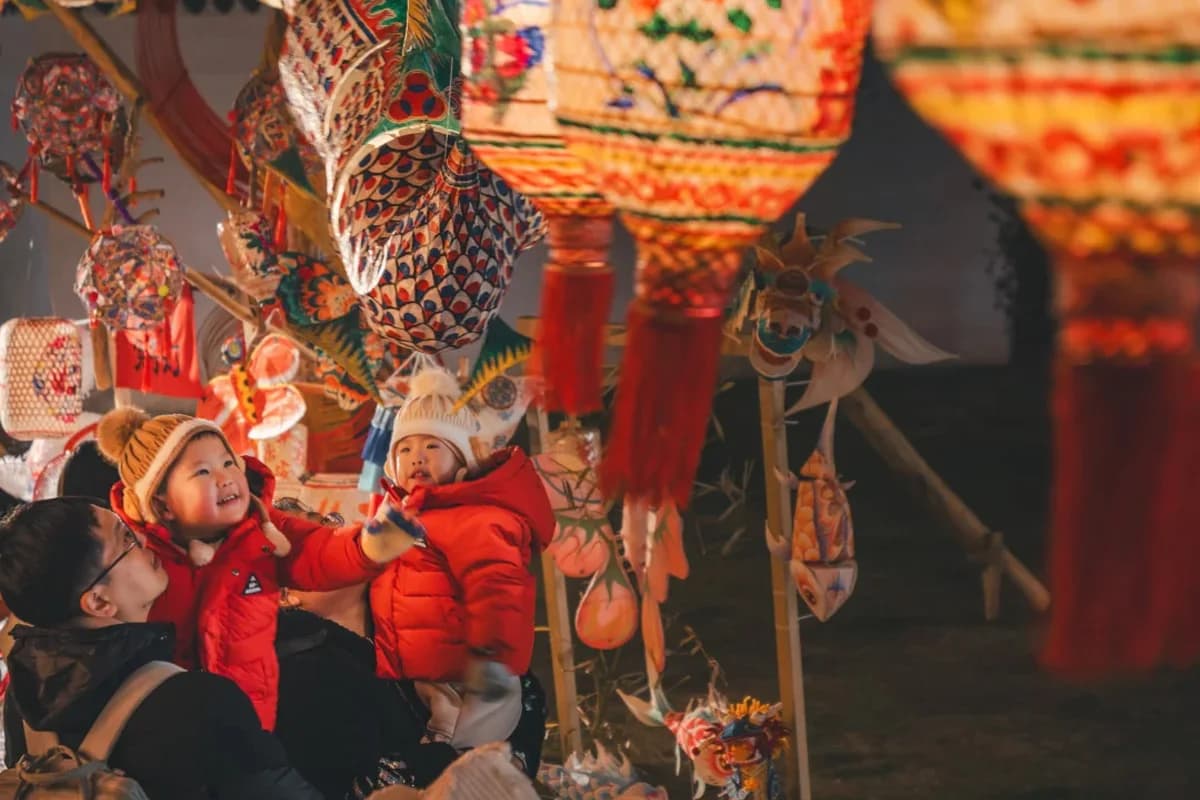
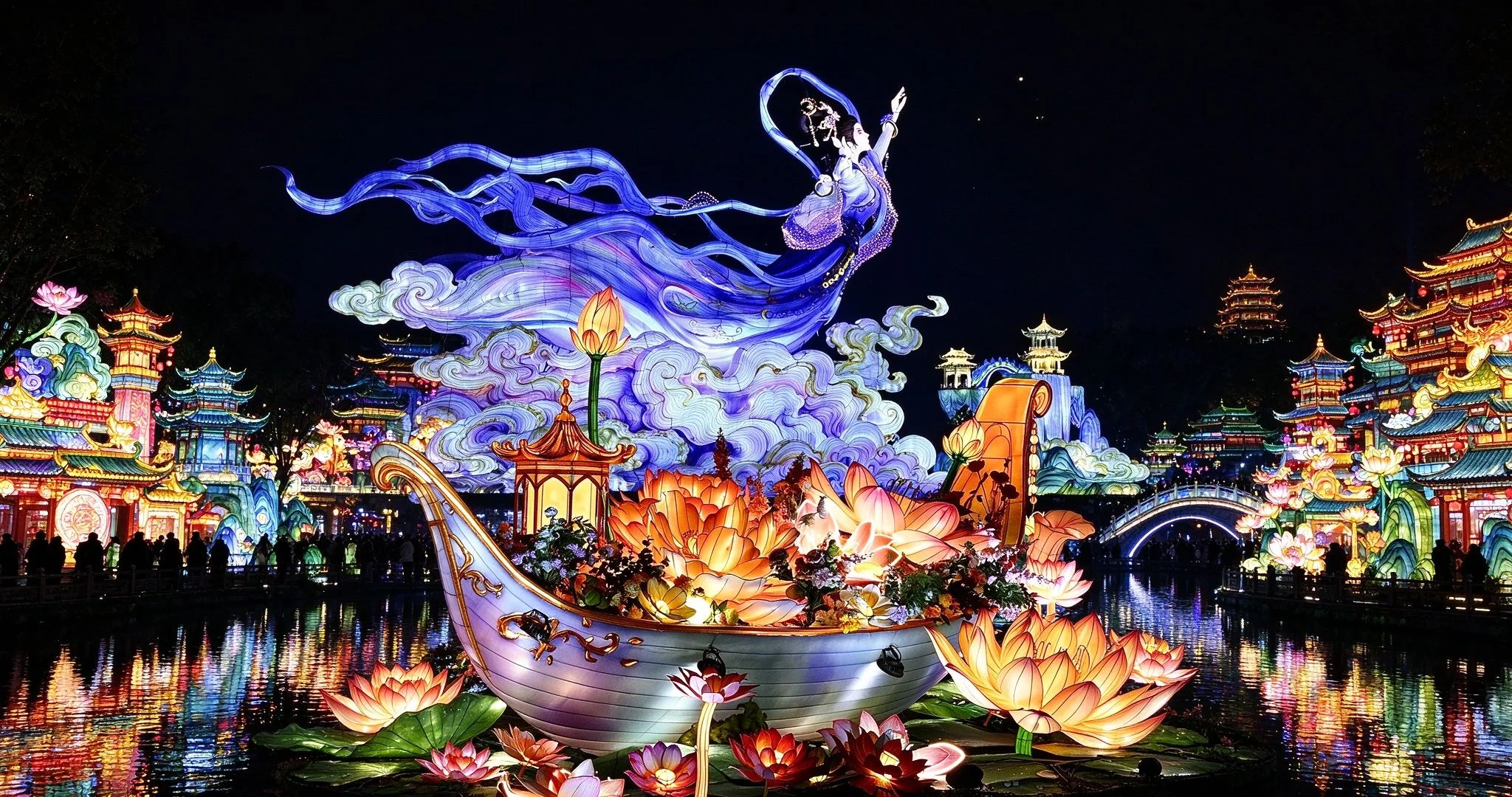
The Lantern Festival does not see a massive, "Spring Festival travel rush"-style exodus of people returning home; instead, its celebrations are public, open, and nocturnal. Parks, temples, and public squares are adorned with elaborate lantern displays—you simply walk in to enjoy them, with no need for a personal "invitation" into someone’s private home to experience the festivities.
Where can you go to experience this?
Shanghai Yuyuan Garden Lantern Festival: The quintessential urban lantern festival, offering insight into zodiac traditions and the art of lantern-making.
Sichuan Zigong Lantern Festival: The largest-scale lantern festival in China, lasting about a month and renowned for its massive, themed lantern displays.
What to eat: Tangyuan (or yuanxiao)—glutinous rice balls, typically filled with sweet ingredients like sesame, peanuts, or red beans, symbolizing family reunion.
The Dragon Boat Festival: The Perfect Holiday to "Get Involved"
When: The fifth day of the fifth lunar month. In 2027, this falls on June 9.
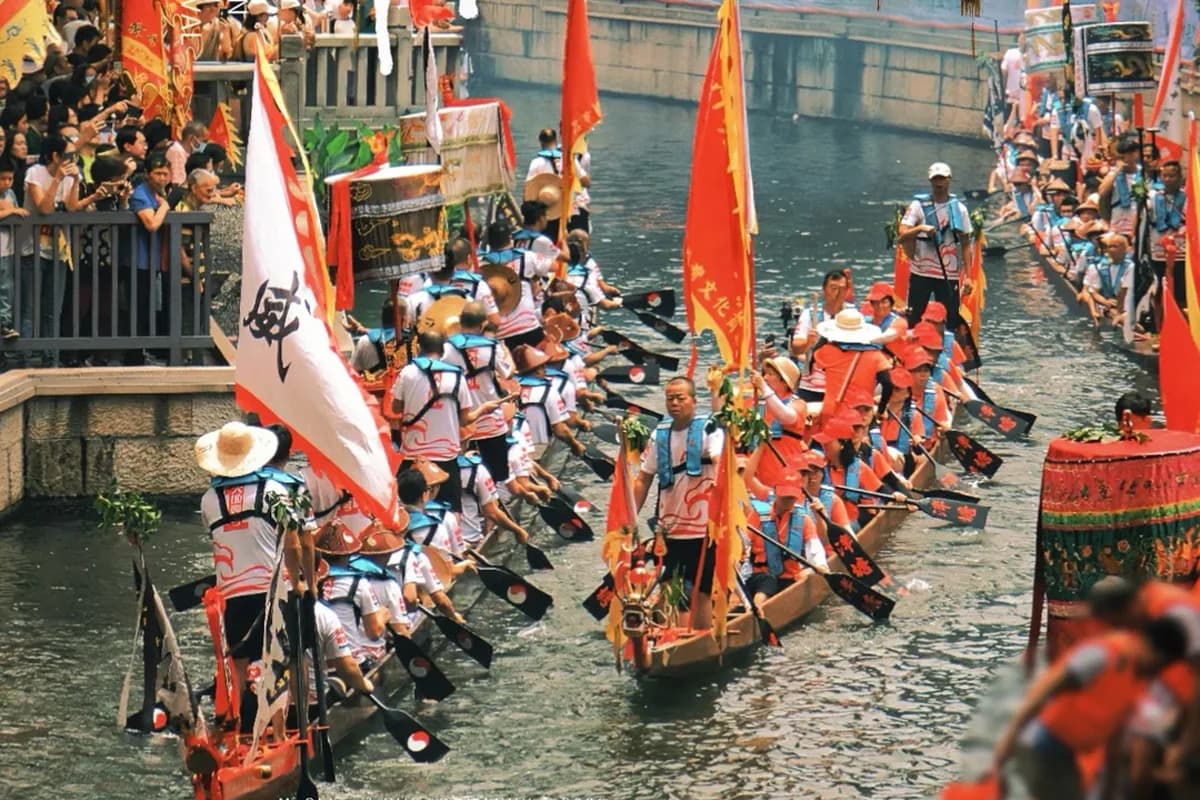
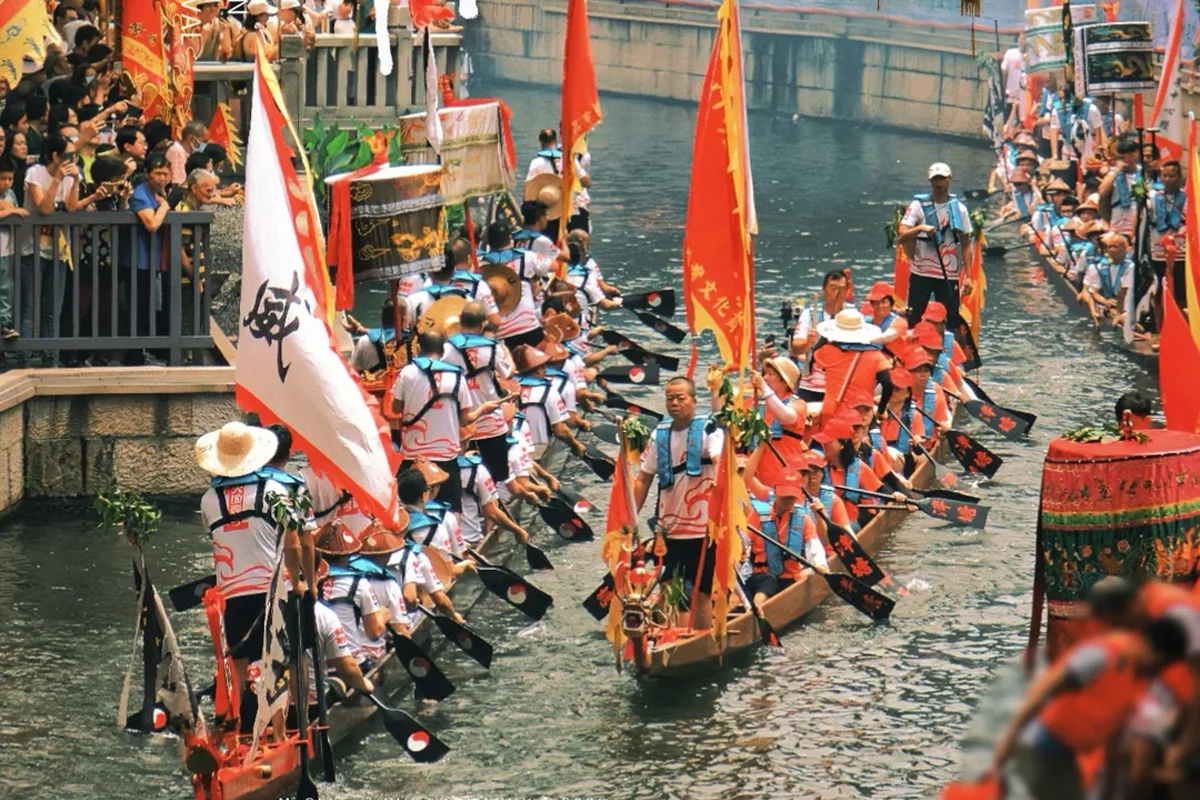
During the Dragon Boat Festival, you can participate in dragon boat races, watch them from a distance, or make zongzi (sticky rice dumplings).
What to eat: Zongzi (sticky rice dumplings)—glutinous rice wrapped in bamboo or reed leaves and steamed. In the south, they are typically savory (filled with ingredients like pork or salted egg yolk), while in the north, they are usually sweet (filled with items like dates or red bean paste). The process of wrapping zongzi is, in itself, a very popular hands-on activity.
Cultural Insight
Check out "Dragon Boat Festival Foods: Traditional Dishes Guide" to learn more about experiences during the Dragon Boat Festival.
Mid-Autumn Festival: The Quietest "Major Holiday"
When: The 15th day of the eighth lunar month. In 2027, this falls on September 15.
The core of the Mid-Autumn Festival lies in admiring the moon and eating mooncakes, rather than in large-scale public events. It holds significant cultural weight—second only to the Spring Festival.
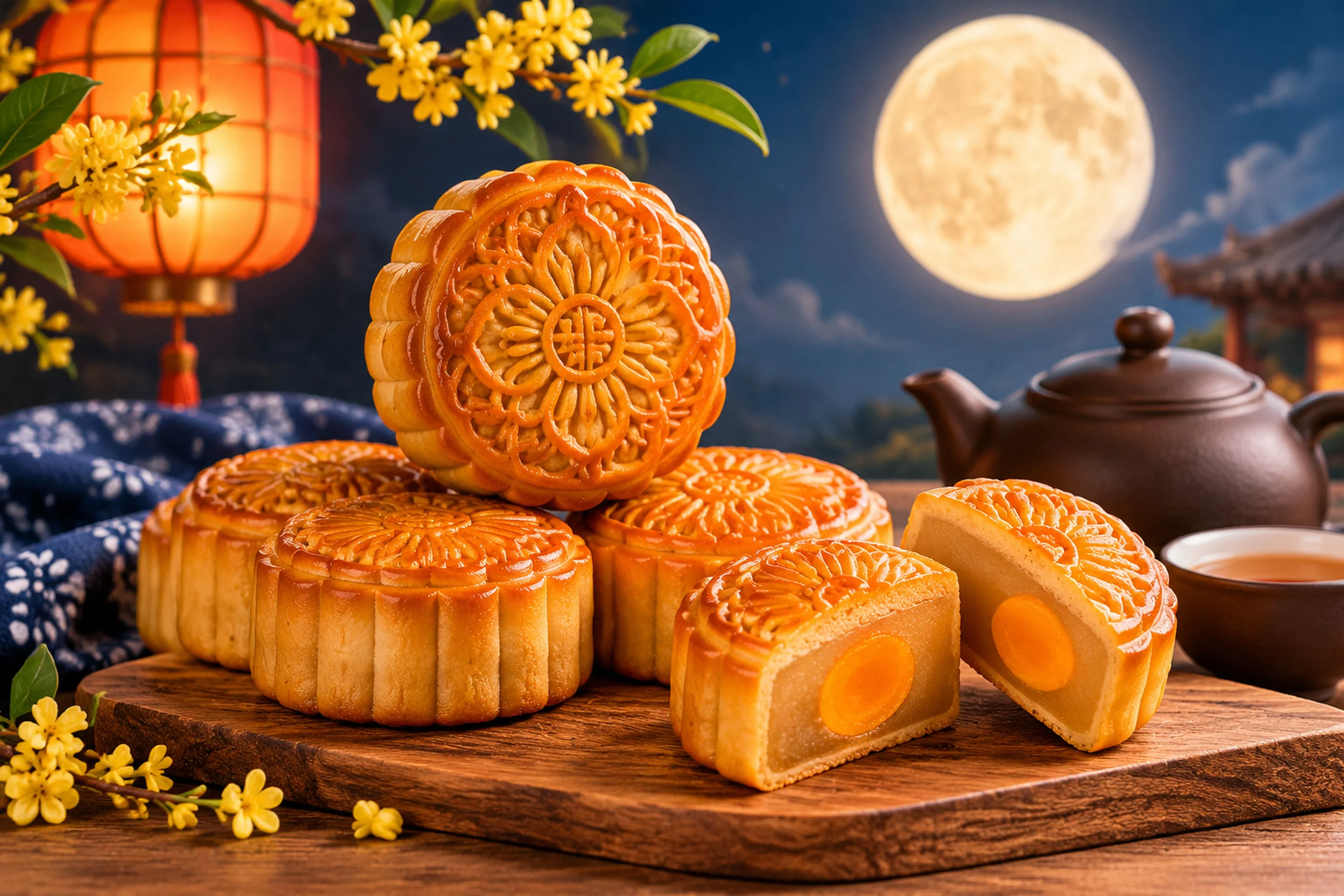
How to choose mooncakes: Cantonese-style mooncakes (with lotus seed paste or egg yolk) are the most common variety. If you prefer something less sweet, you might want to try savory meat-filled mooncakes (popular in the Jiangsu and Zhejiang regions) or snow-skin mooncakes.
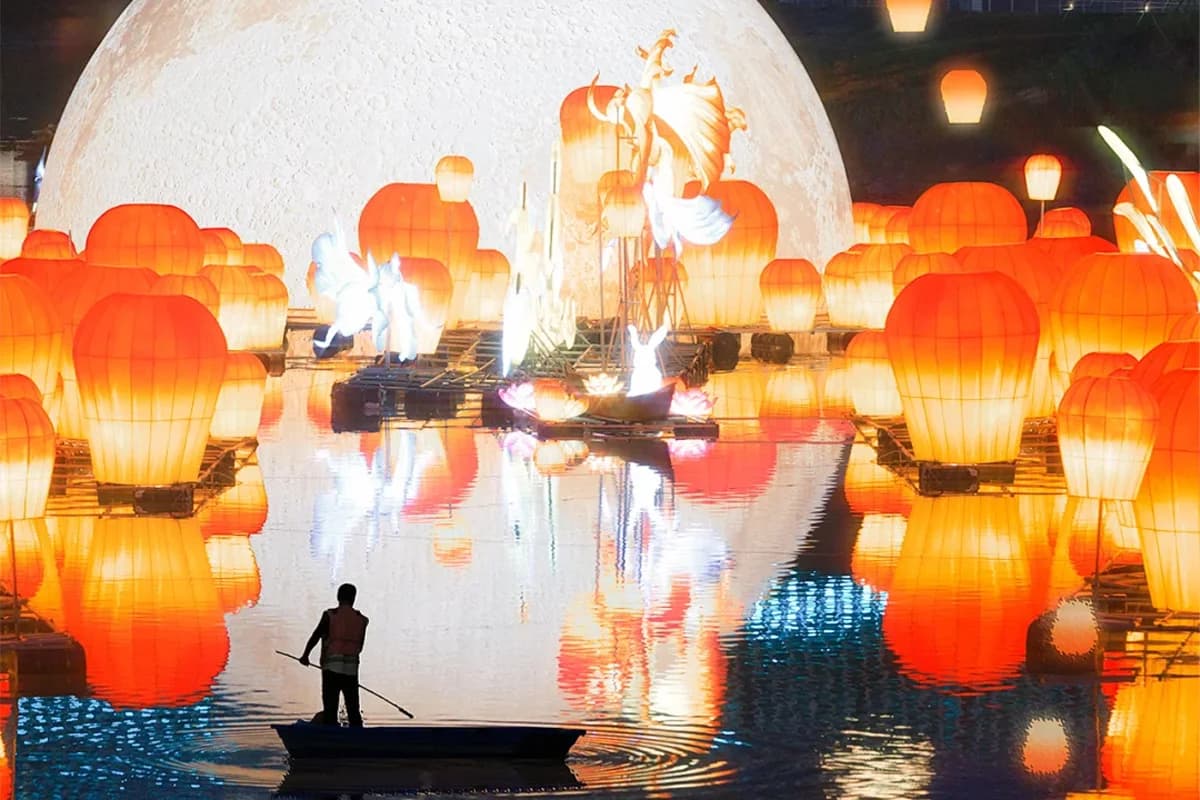
Worth a detour: Wuyuan, Jiangxi, hosts a moon-viewing and water-lantern festival around the time of the Mid-Autumn Festival.
New Year’s Day: A “Light” Major Holiday
When: January 1, 2027
Within the sequence of Chinese holidays, New Year’s Day possesses a distinct character. It lacks the intense pressure of the Spring Festival—where everyone is expected to return home—as well as the nationwide travel surges typical of the National Day "Golden Week."
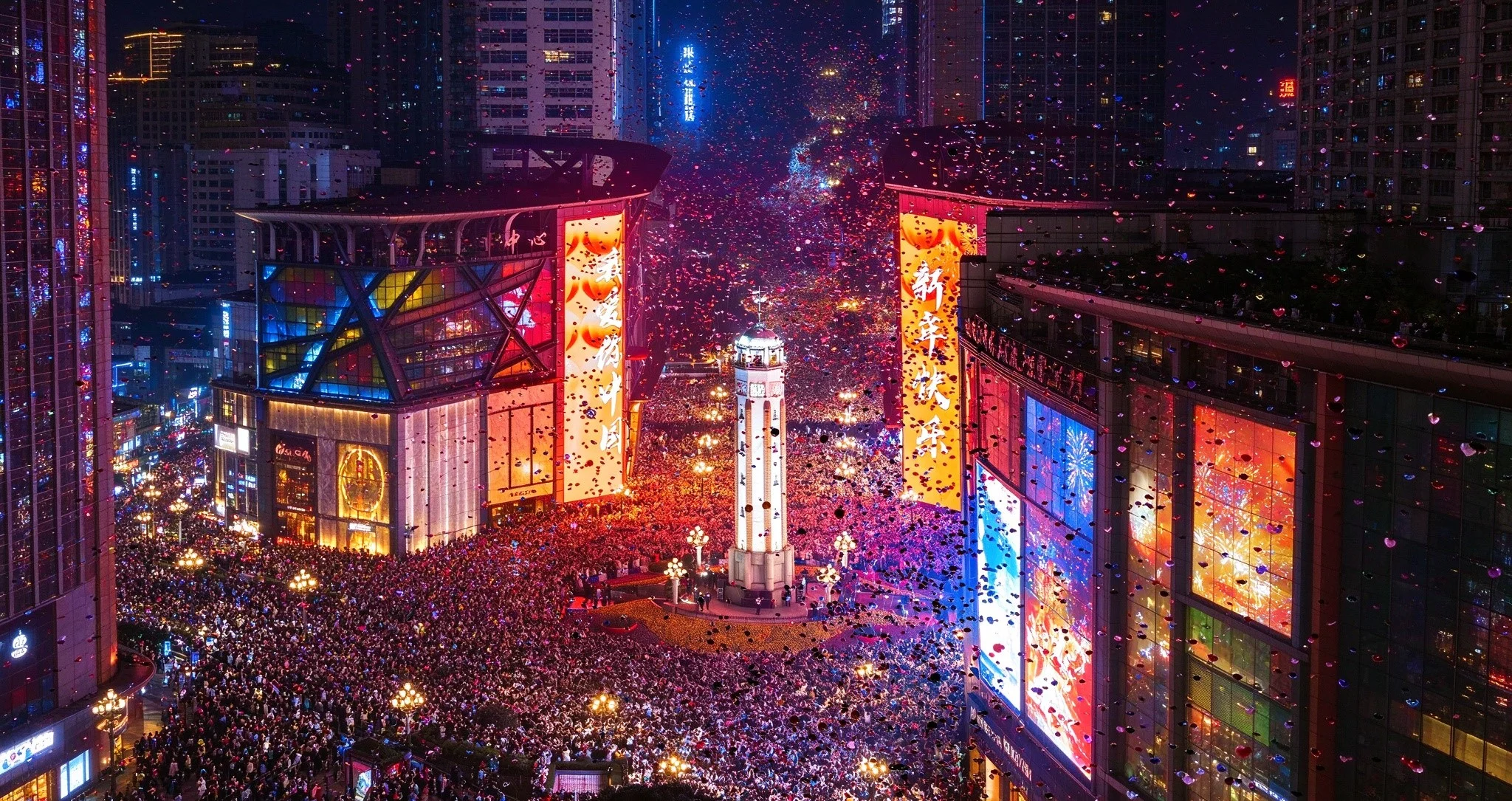
What you can experience:
New Year’s Eve Countdowns and Public Celebrations: Theme parks and commercial districts in cities such as Shanghai and Shenzhen host New Year’s Eve events.
New Year’s Day Flag-Raising Ceremony at Tiananmen Square: This is one of the most prominent public ceremonies held on New Year’s Day. In previous years, many international tourists and overseas students have made special trips to attend, braving the cold temperatures to witness the first flag-raising of the new year.
III. Holidays That Require Separate Clarification
Qingming Festival: Part solemnity, part spring
When: April 5, 2027
In the emotional landscape of the Chinese people, the Qingming Festival is the quietest of all holidays. Families visit gravesites to clean headstones and burn paper money as a gesture of respect toward their ancestors. At the same time, however, Qingming serves as an excellent window for travel; falling in early spring—a time when all things are coming back to life—it is also marked by the traditional custom of "taqing" (strolling in the countryside or enjoying a picnic), making it a holiday where "sorrow and lightheartedness coexist."
National Day: Steer clear unless you’re prepared.
When: October 1 (Friday) to October 7 (Thursday), 2027 — a total of 7 days
The celebratory atmosphere during the National Day holiday is genuine—cities are draped in national flags, while public squares feature floral displays and light shows. For travelers, however, the cost is steep: the 80,000 daily tickets for the Forbidden City often sell out within an hour of becoming available; high-speed rail tickets vanish the moment they go on sale; airfares surge by 30% to 100%; and traffic jams on expressways can drag on for as long as 10 hours.
If you must visit China during the National Day holiday:
Opt for less conventional, popular destinations—such as those in the western and southwestern regions like Xinjiang, Guizhou, or Gansu—where crowds are significantly smaller than in Beijing, Xi'an, or Guilin.
Fly to your destination rather than taking the high-speed train; during the "Golden Week" holiday, flight tickets are generally easier to secure than high-speed rail tickets, though they will also be more expensive.
Book all admission tickets in advance through official channels; do not count on being able to purchase them on-site.
Frequently Asked Questions
Did You Know?
Q1: Do the dates of traditional festivals change every year?
A: Yes. The Spring Festival, the Lantern Festival, the Dragon Boat Festival, and the Mid-Autumn Festival are all determined according to the lunar calendar. For 2027, the dates are: Spring Festival on February 6, Lantern Festival on February 20, Dragon Boat Festival on June 9, and Mid-Autumn Festival on September 15. Be sure to check the exact dates for the specific year before booking your tickets.
Did You Know?
Q2: Can I experience these festivals even if I don’t speak Chinese?
A: Yes, you can. Lantern festivals, temple fairs, and dragon boat races in major cities typically feature English signage or guides. It’s also helpful to download a translation app in advance and keep the address of your hotel in Chinese handy.
Did You Know?
Q3: Will many shops be closed if I visit China during the Spring Festival?
A: From Lunar New Year’s Eve through the second day of the Lunar New Year, many small restaurants and local shops will be closed. However, in major cities, shopping malls, chain restaurants, and tourist attractions generally remain open. It is advisable to check in advance which restaurants near your accommodation will be open.
Did You Know?
Q4: Which holiday would you most recommend for a first-time visit to China?
A: For 2027, the Dragon Boat Festival or the Mid-Autumn Festival are the best choices—they involve only a one-day public holiday with no "make-up" workdays, meaning there is hardly any nationwide travel rush. The Lantern Festival is another good option. The Spring Festival (Lunar New Year) is worth experiencing, but it requires careful planning; I would advise avoiding the National Day holiday.
Did You Know?
Q5: Is it convenient to make payments and access the internet?
A: You can link international bank cards to Alipay or WeChat Pay, though it’s also wise to carry a small amount of cash. For internet access, you can purchase a local SIM card or an eSIM; just be sure to install any essential apps beforehand.
Note: This article provides general cultural guidance. Individual experiences may vary. Always approach cultural learning with an open mind.