What can you do in Harbin?
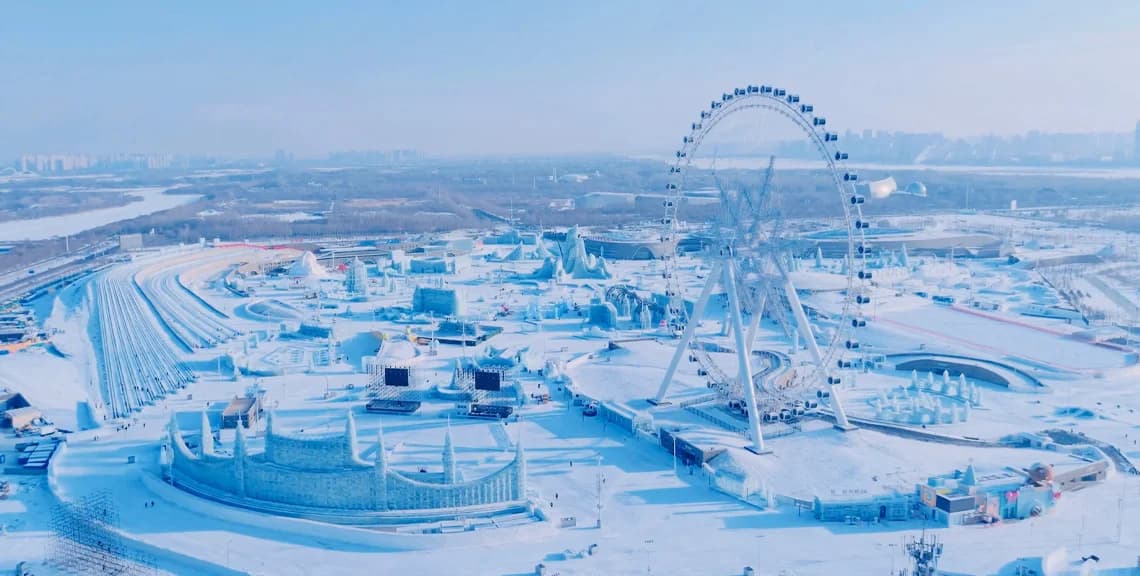
Ice and Snow Experiences: Harbin Ice and Snow World (late December – February), the Songhua River Ice Carnival, and Yabuli Ski Resort.
Photography and Sightseeing: Saint Sophia Cathedral (especially stunning at night), the cobblestone streetscape of Central Street (Zhongyang Pedestrian Street), Volga Manor (highly photogenic in summer), and the Harbin Grand Theatre as viewed from the surrounding wetlands.
Cultural Exploration: The Chinese-Baroque Historical and Cultural District (a complex featuring a fusion of Chinese and Western architectural styles), the authentic, bustling local life of the Old Daowai district, the HIT (Harbin Institute of Technology) Aerospace Museum, and the Harbin Municipal Museum.
Family-Friendly Leisure: Harbin Polarland (featuring beluga whale shows and penguin parades), the Northeast Tiger Park (where you can view tigers from a sightseeing vehicle), and Sun Island Scenic Area (ideal for summer cycling and exploring the wetlands).
Itinerary Planning
The best time to visit: December to February marks the ice and snow season, with the Ice and Snow World and the ice lantern displays as the primary attractions—January and February are the coldest months. June to August serve as the summer retreat season, when temperatures typically hover just above 20°C; highlights include the Beer Festival and evening cruises along the river. In autumn (September and October), you can enjoy the sight of forests painted in vibrant, multi-colored foliage.
A 3–5 day trip is recommended. For a first-time visit, 3 days are sufficient to cover the downtown area—including Central Street, St. Sophia Cathedral, and the Flood Control Monument—along with either Harbin Ice and Snow World, Sun Island, or the Polarland.
If you have 4–5 days, you can extend your itinerary to include skiing in Yabuli or a visit to Snow Town. Generally, the experience is better on weekdays than on weekends or public holidays.
Gourmet Food
Harbin’s cuisine is shaped by both Northeast Chinese and Russian influences; portions are generous, flavors are robust, and—somewhat uniquely—"cold foods" are a prominent feature during the winter.
Must-Try Snacks and Dishes
Guobaorou (Crispy Sweet and Sour Pork): Lao Chu Jia is the original establishment—a long-standing, iconic restaurant in the Daoli District. With a crispy exterior and tender interior, this sweet-and-sour dish serves as the quintessential flavor profile of Harbin.
Modern (Madieer) Popsicle: A century-old classic on Central Street. The original flavor costs 5 yuan; the authentic way to enjoy one is to stand out on the street in -20°C weather.
Qiulin Lidaosi Red Sausage: Known for its smoky flavor, it can be enjoyed sliced on its own or tucked into bread. The "children’s sausage" variety offers an even softer, more tender texture.
Dalieba (Russian-style Bread): Freshly baked at Huamei Western Restaurant, this dense, chewy loaf pairs perfectly with butter or jam.
Yin Pangzi Fried Cakes: A staple of the Hongzhuan Street Morning Market. These treats feature a sweet—but not cloying—red bean filling inside a golden, crispy crust; be sure to eat them while hot.
Zhang Baopu Pork Rib Steamed Buns: A historic institution in the Daowai District, these buns feature thin wrappers and generous fillings—a taste that many locals have grown up with.
Russian-style Western Cuisine: Try the pot-stewed beef and borscht at Huamei Western Restaurant to experience the unique culinary fusion of Eastern and Western traditions.
Morning and Night Markets: The Hongzhuan Street Morning Market (near Central Street, open roughly 5:00–9:00) is the perfect place to experience the authentic, bustling atmosphere of a local breakfast scene. The Shida (Normal University) Night Market (on Wenxing Street, Nangang District; open roughly 17:00–22:00) is packed with snacks—grilled cold noodles (*kao lengmian*) and roasted pig trotters are among the most popular choices.