Trip Planning Guide
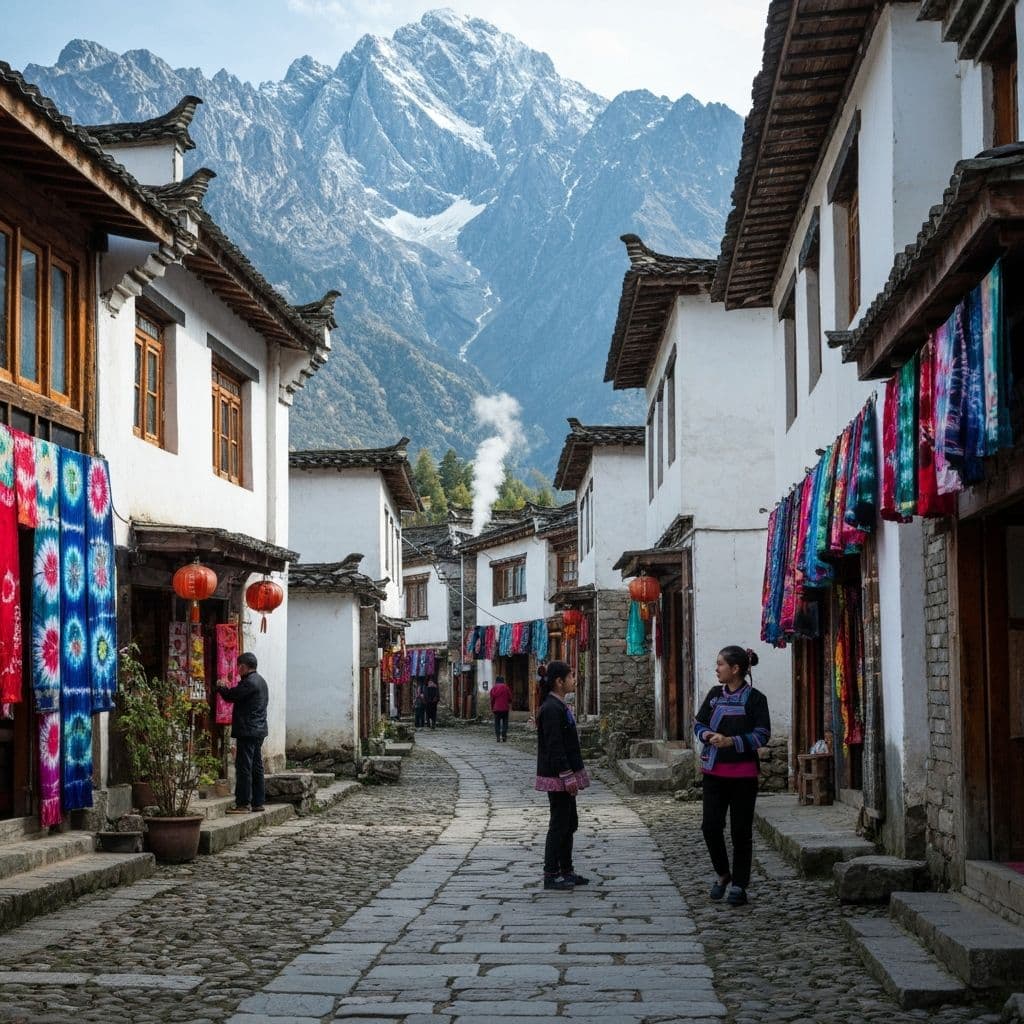
Lijiang is one of the best destinations in Yunnan for slow travel and cultural experiences. It boasts ancient streets and alleys, Naxi culture, snow-capped mountain scenery, lakes and villages, and a highland route leading to Shangri-La.
Who is Lijiang suitable for?
First-time visitors to Yunnan: Ideal for a classic itinerary combining Lijiang with Kunming and Dali.
Those who enjoy ancient towns and a slower pace of life: Lijiang Old Town and Shuhe Ancient Town are perfect for walking and leisurely strolls.
Those who appreciate natural scenery: Jade Dragon Snow Mountain, Blue Moon Valley, and Lashi Lake are all highly representative.
Those interested in ethnic minority cultures: Naxi culture, Dongba script, and local music are very distinctive.
Those planning to continue to Shangri-La: Lijiang is an important transit point on the route into the Yunnan Plateau.
How many days should I spend in Lijiang?
1 day: Suitable for a quick tour of Lijiang Old Town and its night view.
2 days 1 night: Can include Shuhe Ancient Town or Black Dragon Pool.
3 days 2 nights: Highly recommended for first-time visitors; can include the Old Town, Jade Dragon Snow Mountain, and Blue Moon Valley.
4-5 days: Suitable for a slower pace; can include Baisha Ancient Town, Lashi Lake, or surrounding villages.
6 days or more: Can extend to Shangri-La, Tiger Leaping Gorge, or Lugu Lake.
For most foreign tourists, a 3-day trip to Lijiang is recommended.
How are the main areas of Lijiang grouped?
1. Lijiang Old Town: Best suited for first-time visitors. It features cobblestone streets, wooden buildings, streams, restaurants, and shops, but it's very touristy, so it's recommended to explore slowly in the morning or evening.
2. Shuhe Ancient Town: Quieter than Lijiang Old Town, more suitable for accommodation, cafes, and slow travel. Consider staying here if you want to avoid crowds.
3. Baisha Ancient Town: Closer to the foot of the snow-capped mountains, it retains a more authentic Naxi lifestyle. Suitable for those who enjoy photography, culture, and quiet neighborhoods.
4. Jade Dragon Snow Mountain / Blue Moon Valley: The most important natural landscape combination in Lijiang. Suitable for a day trip, but the altitude is high, so be mindful of your physical condition.
What travel style is best for Lijiang?
Slow travel through the ancient city: Lijiang Ancient City + Shuhe Ancient Town + Baisha Ancient Town
Natural scenery: Jade Dragon Snow Mountain + Blue Moon Valley + Black Dragon Pool
Extended Yunnan trip: Lijiang + Dali / Shangri-La / Tiger Leaping Gorge / Lugu Lake
For your first visit to Lijiang, it's not recommended to only stay in the ancient city's commercial streets. Combining the ancient city, the snow mountain, and the surrounding ancient towns will provide a more complete experience.
What are some good travel combinations with Lijiang?
Kunming + Dali + Lijiang: The most classic Yunnan route, suitable for first-time visitors.
Lijiang + Shangri-La: Suitable for those who want to experience the high plateau, see snow-capped mountains, and learn about Tibetan culture.
Lijiang + Tiger Leaping Gorge: Suitable for those who enjoy hiking and canyon scenery.
Lijiang + Lugu Lake: Suitable for lake views and Mosuo culture, but the journey is longer.
Dali + Lijiang: Suitable for a slow-paced Yunnan trip with limited time.
If it's your first time in Yunnan, Kunming + Dali + Lijiang is the most recommended.
Food & Dining Guide
Lijiang cuisine blends Naxi flavors, Yunnan highland ingredients, mushrooms, cured pork ribs, yak meat, and snacks from the old town. For foreign tourists, Lijiang food is milder than Sichuan cuisine, but it still retains its distinct local characteristics.
Must-Try Foods
1. Lijiang-Style Pork Rib Hot Pot
One of Lijiang's signature dishes, this hot pot features cured pork ribs, potatoes, and vegetables cooked together, resulting in a savory and rich flavor.
Where to Eat: Xiangshan Market, areas around Lijiang Old Town, local hot pot restaurants
Reference Price: 60–120 RMB/person
2. Naxi Grilled Fish
Commonly found in local Lijiang restaurants, the fish is grilled and then seasoned with spices and side dishes, resulting in a fresh and flavorful taste.
Where to eat: Lijiang Old Town, Shuhe Ancient Town, Yunnan cuisine restaurants
Reference price: 80–160 yuan/serving
3. Lijiang Baba (Lijiang Cake)
A common traditional snack in Lijiang, available in sweet and savory varieties, with a crispy and fragrant outer layer.
Where to eat: Snack stalls in the Old Town, breakfast shops, Naxi restaurants
Reference price: 5–15 yuan/piece
4. Wild Mushroom Hot Pot
A Yunnan specialty, also common in Lijiang, especially during the summer and autumn mushroom season.
Where to eat: Mushroom hot pot restaurants in Lijiang city, Yunnan cuisine restaurants
Estimated price: 120–250 RMB/person
Recommended Dining Areas:
Lijiang Old Town: The most concentrated area for restaurants and snacks, suitable for first-time visitors to Lijiang, but prices in the tourist area may be slightly higher.
Shuhe Ancient Town: A slower pace, with more restaurants, cafes, and small eateries, suitable for leisurely meals and relaxed dinners.
Baisha Ancient Town: Quieter, good for finding local eateries, cafes, and simple Yunnan cuisine
Zhongyi Market: Ideal for observing local life, buying fruit, and trying snacks; more authentic than the commercial streets of the Old Town.
Getting There & Around
Arrive via Lijiang Sanyi Airport (LJG), about 28–30 km south of the old town; airport transfers usually take 35–50 minutes by taxi or ride-hailing and cost roughly ¥80–¥120. Lijiang Railway Station is the main rail gateway, with high-speed connections to Kunming (about 3–4 hours), Dali (about 1.5–2 hours), and Shangri-La on newer Yunnan routes (often around 1.5–2.5 hours depending on service). From the station to Dayan or Shuhe, allow 25–40 minutes and around ¥30–¥60 by taxi/Didi.
Getting around is mostly by taxi, Didi, and walking; Lijiang does not have a metro, and the old-town cores are pedestrian only. Dayan is best explored on foot, while Shuhe is around 15–25 minutes from central Lijiang by car and Baisha another 10–15 minutes farther north. Jade Dragon Snow Mountain is typically 45–60 minutes each way by car or organized shuttle. Black Dragon Pool is a short ride from the old town, often 10–15 minutes for about ¥10–¥20.
Download Amap/Gaode or Baidu Maps before arrival; Google Maps is unreliable in China, and exact old-town gate pins help because cars cannot enter the lane network.