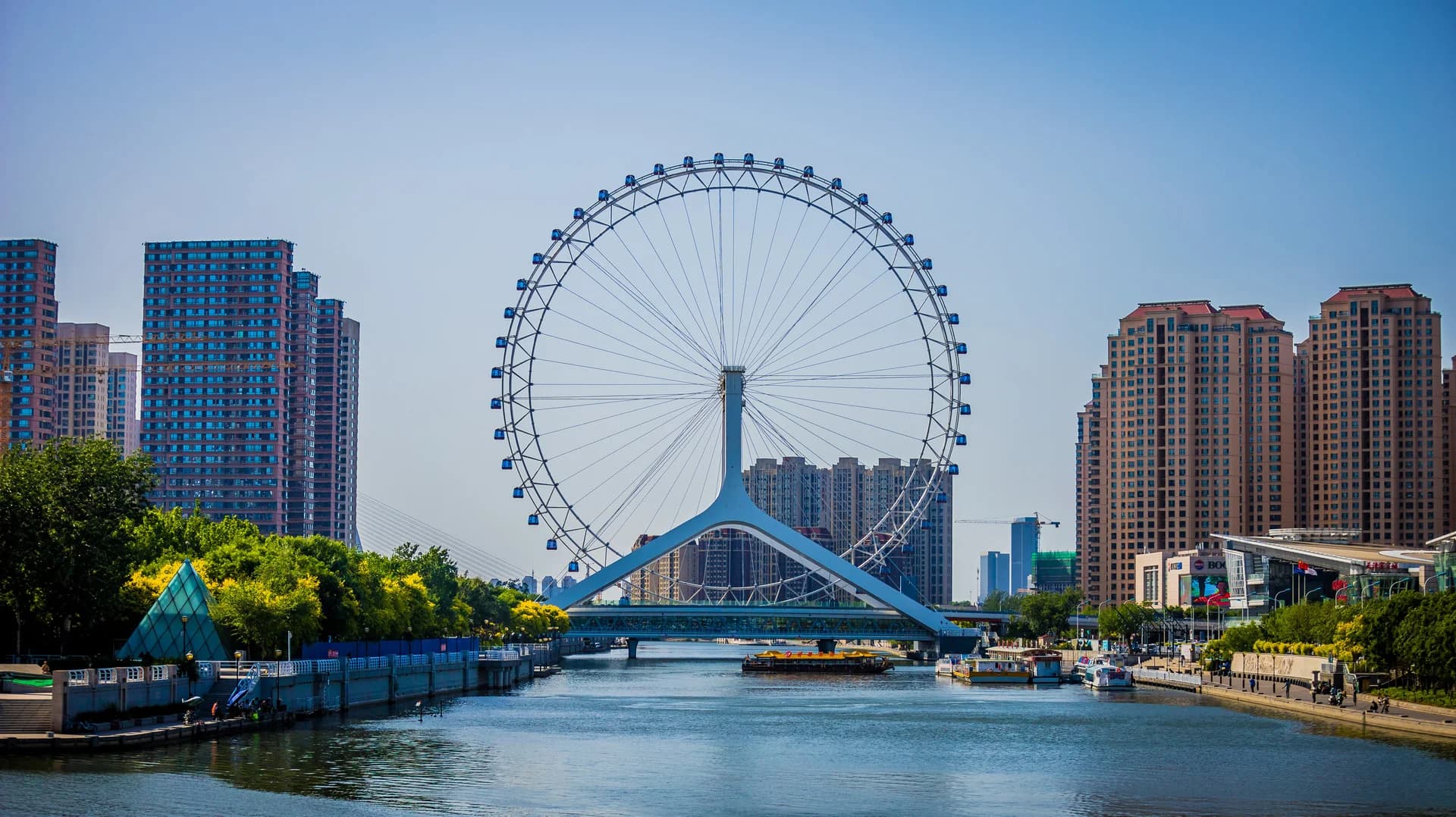
north China
Tianjin
2–3 days in Tianjin: riverfront architecture, breakfast snacks, and easy trips from Beijing
Best time: Spring (March-May) and Autumn (September-November)
3 days suggested
5 highlights
Why Visit Tianjin
Discover Tianjin, where European architecture meets rich Chinese history along the Hai River. Explore unique cultural fusion and plan your trip today.
Top Highlights
Historic urban walk: spend half a day around 五大道 Wǔdàdào (Five Great Avenues), where former residences and tree-lined streets are easiest to cover by bike or horse-carriage route; allow 2–3 hours and budget ¥0–80 depending on whether you only walk or hire a carriage.
Riverfront + skyline evening: pair 解放桥 Jiěfàngqiáo, the Haihe riverbanks, and the Tianjin Eye (天津之眼) in one evening; river cruises usually run about 50–60 minutes and cost roughly ¥100–160 in 2026.
Food-focused morning: go early to 西北角 Xīběijiǎo for Tianjin breakfast snacks such as 煎饼果子 jiānbǐng guǒzi and 锅巴菜 guōbācài; arrive before 9:00 to avoid the longest queues and expect ¥8–25 per item.
Culture day cluster: combine 古文化街 Gǔwénhuàjiē, the Tianhou Palace area, and the Drum Tower quarter on foot; this is the best one-day route for first-time visitors who want old-city atmosphere without crossing the whole city.
Modern Tianjin contrast: visit 天津博物馆 Tiānjīn Bówùguǎn and nearby cultural district sites, then finish in the Binhai direction only if you have a third day; otherwise stay central and avoid long suburban transfers.
Must-See Attractions
4 attractions to explore in Tianjin
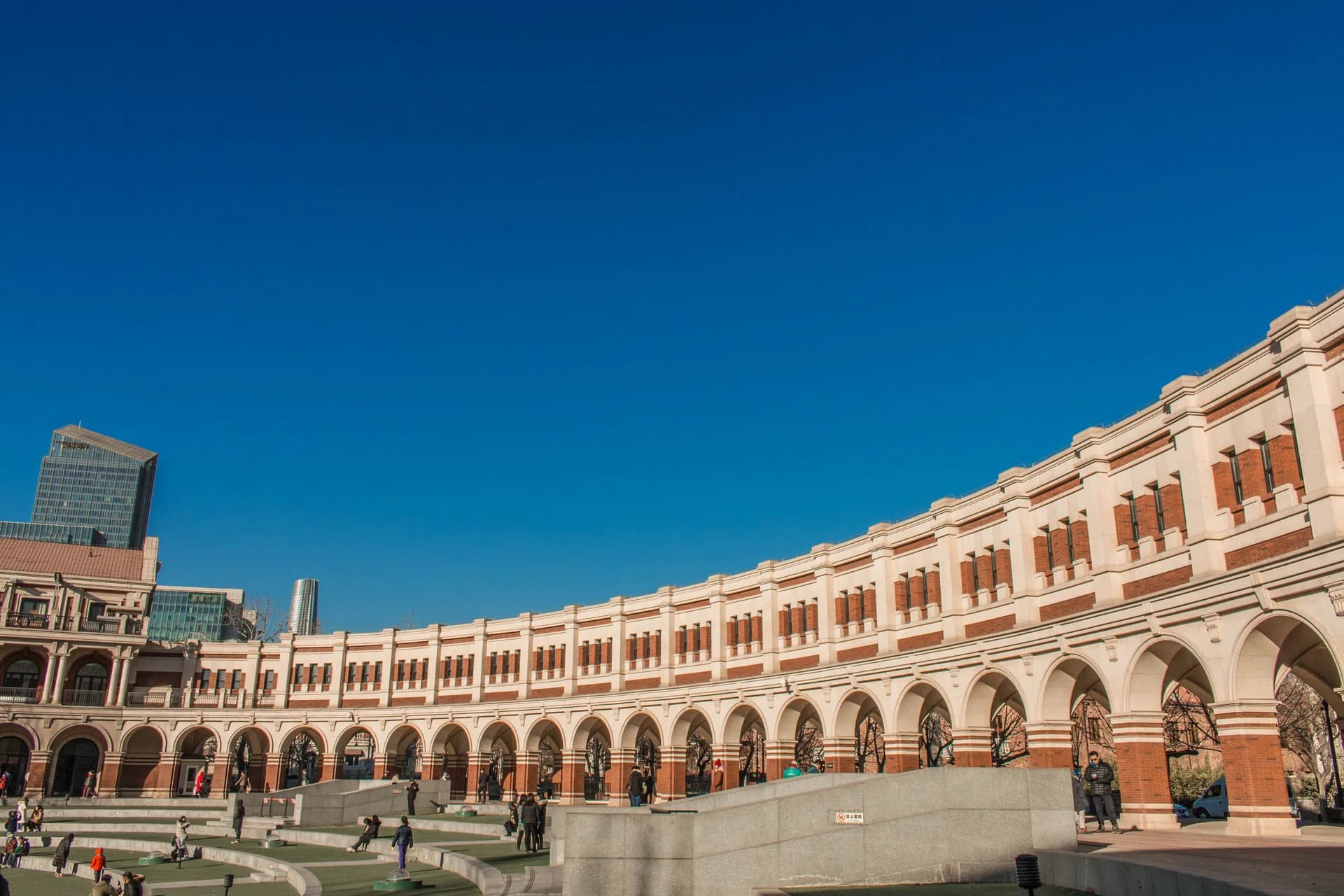
Five Avenues Cultural Tourism Area
Explore Five Avenues Cultural Tourism Area in Tianjin, known for historic mansions, charming streets, and local culture. Discover top sights and tips.
historical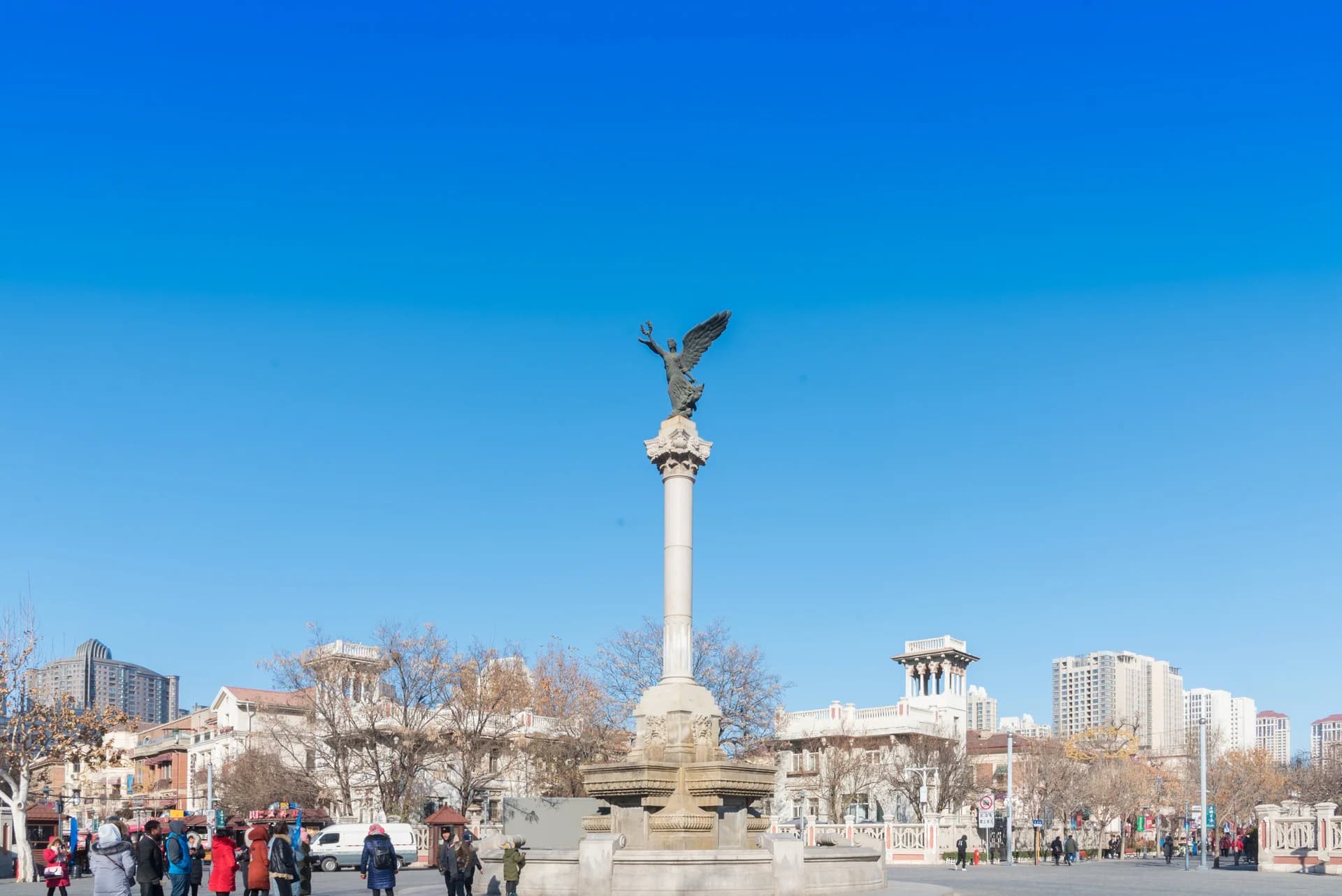
Italian Style District
Explore Tianjin's Italian Style District for historic architecture, riverside streets, dining, and photo spots. Discover what to see and plan your visit.
historical
Porcelain House
Discover Porcelain House in Tianjin, a dazzling museum clad in antique ceramics. Explore its history, architecture, and visitor tips before you go today.
historical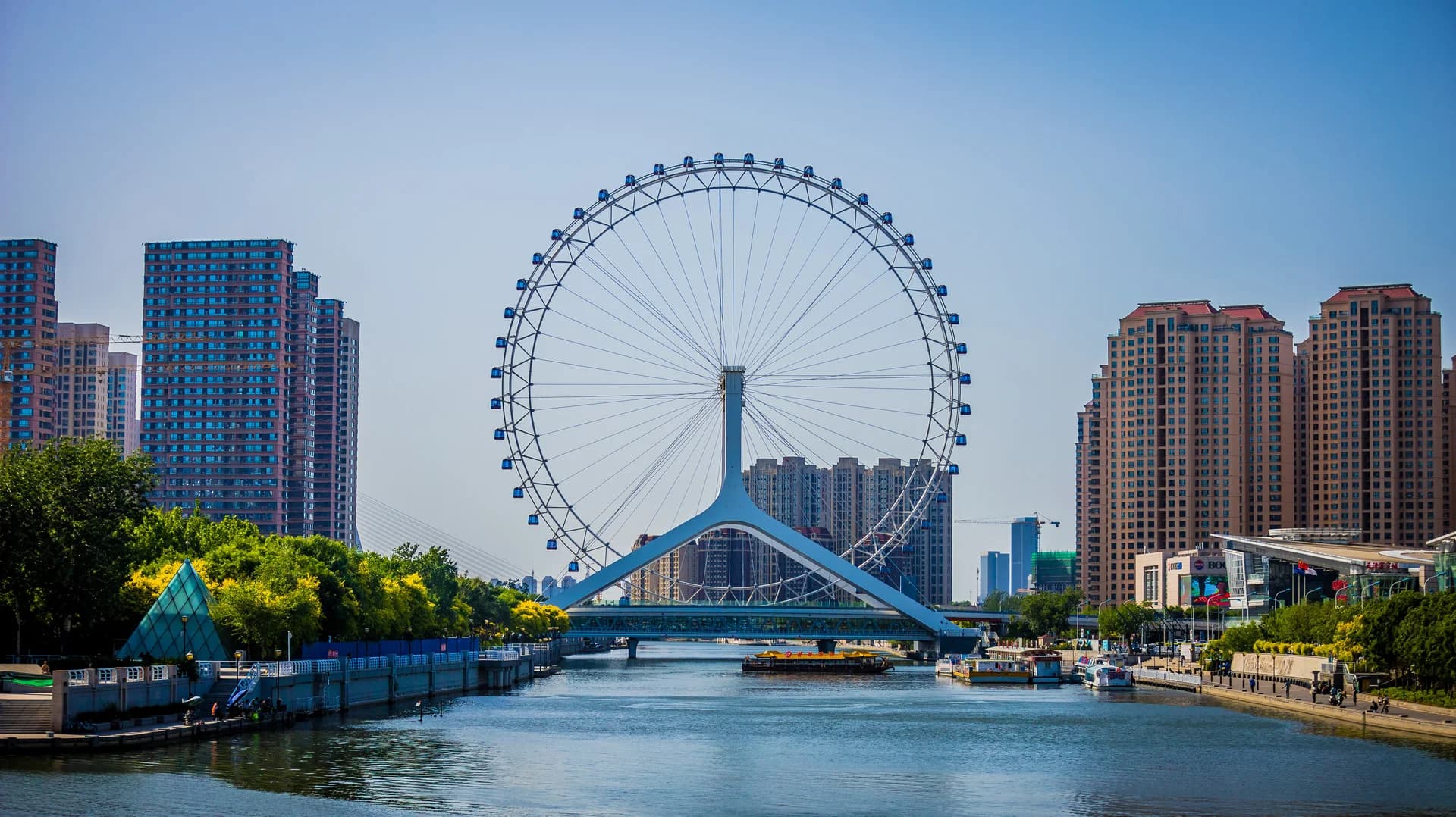
Tianjin Eye Ferris Wheel
Discover Tianjin Eye Ferris Wheel tickets, opening hours, best views, and travel tips for this iconic bridge-top ride in Tianjin before you go today .
modernTrip Planning Guide
Tianjin is a city perfectly suited for a northern China itinerary. It's close to Beijing and easily accessible by high-speed rail, yet its urban character is entirely different. For foreign tourists, Tianjin is ideal for a one- or two-day extension from Beijing, and it's also suitable for those who appreciate architecture, city walks, and northern city life. Who is Tianjin suitable for? For travelers departing from Beijing: The high-speed rail provides a short travel time, ideal for a one- or two-day trip. For those who enjoy architecture and city strolls: The Five Avenues, the Italian Style Town, and Jiefang North Road are all very distinctive. For those interested in exploring modern Chinese urban history: Tianjin boasts concession architecture, port culture, and the Haihe River cityscape. For those who prefer a relaxed trip: No need for a hectic pace of sightseeing; perfect for leisurely exploration. For those who enjoy local snacks: Tianjin specialties include jianbing guozi (Chinese crepes), guoba cai (crispy rice crust with sauce), shuli gao (steamed pear cake), and mahua (fried dough twists). If tourists only want to see the culture of ancient emperors, Beijing is more suitable; but if they want to experience another urban style in northern China, Tianjin is worth visiting. How many days should I spend in Tianjin? 1 day: Suitable for round-trip travel from Beijing by high-speed rail, including the Five Avenues, the Italian Style Town, and the Haihe River night view. 2 days 1 night: Highly recommended for first-time visitors, including the Ancient Culture Street, Tianjin Eye, Porcelain House, or other museums. 3 days 2 nights: Suitable for a leisurely trip, including the Binhai New Area, Tianjin Museum, or other architectural districts. For most foreign tourists, 1-2 days is sufficient for Tianjin. How to group Tianjin's main areas? 1. Five Avenues / Minyuan Square: The best area for a Citywalk in Tianjin, featuring numerous modern-style buildings, old Western-style houses, and quiet streets. Ideal for a leisurely stroll in the morning or afternoon, and a great entry point to understanding Tianjin's urban character. 2. Italian Style Area / Jiefang North Road: Suitable for viewing European-style architecture, cafes, and the history of the modern financial district. It's best to combine this with the Haihe River night view on the same day. 3. Haihe River / Tianjin Eye: Best visited in the evening. The night view along the Haihe River is iconic; you can walk, take photos, or take a boat tour. 4. Ancient Culture Street / Drum Tower: Suitable for experiencing traditional Tianjin streets, snacks, and folk goods, but it's very crowded, so a light visit is recommended. 5. Binhai New Area: Suitable for those with ample time who want to see a modern new district or the library building. It's farther from the city center, so it's not recommended to combine it with the city center's core attractions on the same day. What are the best travel styles to take in Tianjin? Tianjin is suitable for three types of travel: Beijing Extension:A one-day/two-day trip from Beijing to Tianjin Architectural Stroll: The Five Great Avenues + Jiefang North Road + Italian Style Town City Leisure:Local snacks + Haihe River night view + museums + old streets. For first-time visitors to Tianjin, it's not recommended to over-schedule. The best experience is to leisurely stroll through the streets, admire the architecture, enjoy local snacks, and take an evening walk along the Haihe River.
Food & Dining
Tianjin cuisine is distinctly northern, characterized by its savory, hearty, and authentic flavors, often tinged with the warmth of everyday life. Instead of chasing trendy restaurants, it's best to slowly explore the city, starting with breakfast, snacks, time-honored establishments, and restaurants along the Haihe River. Must-Try Foods 1. Jianbing (煎饼果子): One of Tianjin's most representative breakfasts, made with mung bean flour, topped with eggs, fried dough sticks or crispy crackers, and then brushed with sauce. Estimated Price: 8–18 RMB/serving 2. Guoba Cai (锅巴菜): A traditional Tianjin breakfast, made with strips of mung bean pancakes, served with braised sauce, sesame paste, and cilantro, offering a unique flavor. Estimated Price: 8–20 RMB/bowl 3. Goubuli Baozi (狗不理包子): A famous traditional Tianjin baozi, but opinions vary widely now; better to know about it than to queue. Estimated Price: 40–100 RMB/person 4. Erduoyan Fried Rice Cake (耳朵眼炸糕): A traditional Tianjin dessert with a crispy outer layer and a sweet red bean paste filling. Estimated Price: 5–15 RMB/piece 5. Shibajie Mahua (十八街麻花): A classic Tianjin souvenir, crispy and sweet, perfect for taking home. Suggested Price: 20–80 RMB/bag/box 6. Steamed Pear Cake (熟梨糕) A traditional Tianjin street snack, made with steamed rice flour and served with various sauces. Suggested Price: 5–15 RMB/serving 7. Tianjin Cuisine (津菜) Tianjin cuisine blends northern, coastal, and home-style flavors. Common dishes include Eight Treasures Tofu (八珍豆腐), Braised Gluten (独面筋), and Lao Bao San (老爆三). Suggested Price: 80–180 RMB/person Recommended Dining Areas: Ancient Culture Street/Drum Tower Area: Suitable for snacks and souvenirs; popular with tourists, best for a light experience; not recommended for all meals. Five Avenues/Minyuan Square Area: Suitable for cafes, light meals, Tianjin cuisine, and relaxation after a stroll through the streets. Haihe River/Italian Style Area: Ideal for combining dinner with night views; many restaurant options and a more comfortable environment Tianjin Railway Station/Jiefang North Road Area: Suitable for transit passengers or those arriving in Tianjin from Beijing by high-speed rail; convenient transportation. Residential Breakfast Shops: Best for experiencing local breakfasts like jianbing guozi (Chinese crepes) and guoba cai (crispy rice crust with vegetables); more authentic than tourist areas.
Getting There & Around
Tianjin is easy to reach and straightforward for a short trip if you stay central. The main airport is Tianjin Binhai International Airport (TSN), about 15–25 km from the central districts depending on your hotel. By train, the most useful stations for visitors are Tianjin Railway Station, Tianjin West, and Tianjin South; from Beijing South, high-speed trains to Tianjin usually take 30–35 minutes, while Beijing to Tianjin South can be similar on some services. From Shanghai, expect roughly 4.5–6 hours by high-speed rail depending on the train. For getting around, the Tianjin Metro is the backbone: Line 1, Line 2, Line 3, and Line 9 are the most useful for central sightseeing and airport or station access. Fares are usually about ¥2–6 per ride. Taxis and Didi are practical for evening river transfers or when moving between the old city and Five Great Avenues; many central rides cost ¥15–40. Tianjin Station to Five Great Avenues is roughly 15–25 minutes by taxi, while Ancient Culture Street to Tianjin Eye is often 15–20 minutes depending on traffic. Walking works best within each cluster, not across the whole city. Download Amap/Gaode or Baidu Maps because Google Maps is unreliable in China.
Frequently Asked Questions
Is 2 days enough for Tianjin?
Yes. Two days is the sweet spot for most first-time visitors: use one day for Xibeijiao, Ancient Culture Street, Drum Tower, and the Haihe river, then one day for Five Great Avenues and the concession-era streets. A third day mainly adds museums, a cruise, or a Binhai extension.
Can I do Tianjin as a day trip from Beijing?
Yes, and many travelers do. High-speed trains from Beijing South usually take about 30–35 minutes, so a same-day return is realistic if you start early. Focus on one food stop, one historic cluster, and one evening riverfront area rather than trying to cover the whole city.
Where should I stay in Tianjin for a short first visit?
Stay near Tianjin Railway Station, Xiaobailou, or the Five Great Avenues side of central Tianjin. These areas cut transfer time to the river, the concession district, and metro lines. Avoid staying in Binhai unless your main reason for visiting is business or the coastal district itself, because central commutes can take 45–70 minutes one way.
Is the Tianjin Eye worth it?
It is worth considering if you want an evening activity and river views, but it should not be the main reason to visit the city. Queue times can grow on weekends and holidays, and total time on site can easily reach 1–2 hours. If your schedule is tight, walking the Haihe riverfront may give better value.
What should I skip in Tianjin if I only have one day?
Skip Binhai New Area and any far-flung museum detours. In one day, stay central and build around Xibeijiao breakfast, Ancient Culture Street or Drum Tower, and the Haihe river at night. That keeps transfers short and gives you the strongest food-and-city experience.
How much should I budget per day in Tianjin in 2026?
A budget traveler can manage on about ¥250–400 per day excluding intercity rail, with metro rides, simple hotels, and street food. Mid-range travelers usually spend ¥500–900 per day with a better hotel, Didi rides, and sit-down meals. Add more if you take a river cruise or choose premium international hotels.
Quick Info
- Region
- north China
- Best Time to Visit
- Spring (March-May) and Autumn (September-November)
- Suggested Duration
- 3 days
Weather & Climate
Monthly climate overview for Tianjin
Jan-6°–3°C4mm
Feb-3°–6°C6mm
Mar2°–12°C9mm
Apr9°–21°C21mm
May15°–27°C34mm
Jun20°–31°C72mm
Jul24°–32°C165mm
Aug23°–31°C155mm
Sep17°–27°C58mm
Oct10°–20°C22mm
Nov1°–11°C8mm
Dec-4°–5°C4mm
Best time to visit
Spring (March-May) and Autumn (September-November)
Plan Your Trip
Need help planning your Tianjin itinerary? Get personalized travel advice from our team.
Contact Us