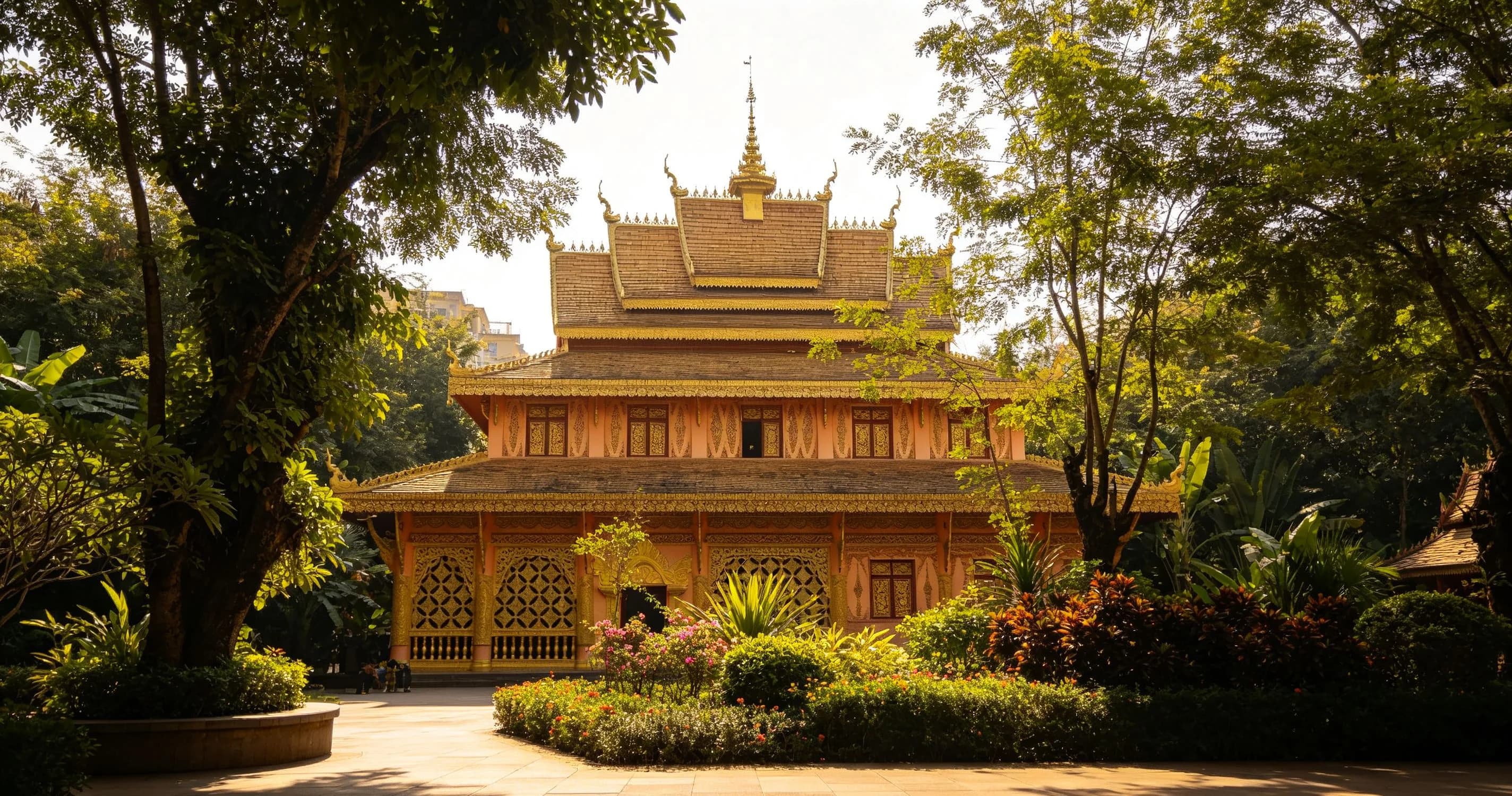
north China
Mangshi
2–3 days in Mangshi: temples, Dai food, and a low-stress Yunnan border stop
Best time: March to April, September to November
3 days suggested
6 highlights
Why Visit Mangshi
Plan 2–3 easy days in Mangshi with golden temples, Dai flavors, markets, and relaxed Yunnan border-town vibes. Discover what to see, eat, and do before you go.
Top Highlights
Temple circuit in central Mangshi: pair the Golden Pagoda and Silver Pagoda in one half-day; the hilltop area is compact, and a taxi from downtown usually costs ¥10–20 each way.
Old-town food evening on Menghuan Road and nearby night-market streets: focus on Dai grilled fish, hand-grabbed rice, and Burmese-influenced snacks; budget ¥40–80 per person for a full casual dinner.
Day trip to Zhamei or countryside hot-spring areas: useful for travelers who want a slower third day rather than another urban temple stop; expect 30–60 minutes each way by car.
Minority-culture planning stop at local markets: morning produce and snack markets are better than museums for understanding Dai and Jingpo food culture; go before 9:00 for the fullest stalls.
Mangshi + Ruili overland route: use Mangshi as the cleaner, easier first stop, then continue about 100 km southwest to Ruili for a border-focused second destination.
Low-friction Yunnan entry point: arrive via Mangshi Airport, check into a central hotel, and cover the main sights with short taxi rides instead of long urban transfers.
Must-See Attractions
2 attractions to explore in Mangshi
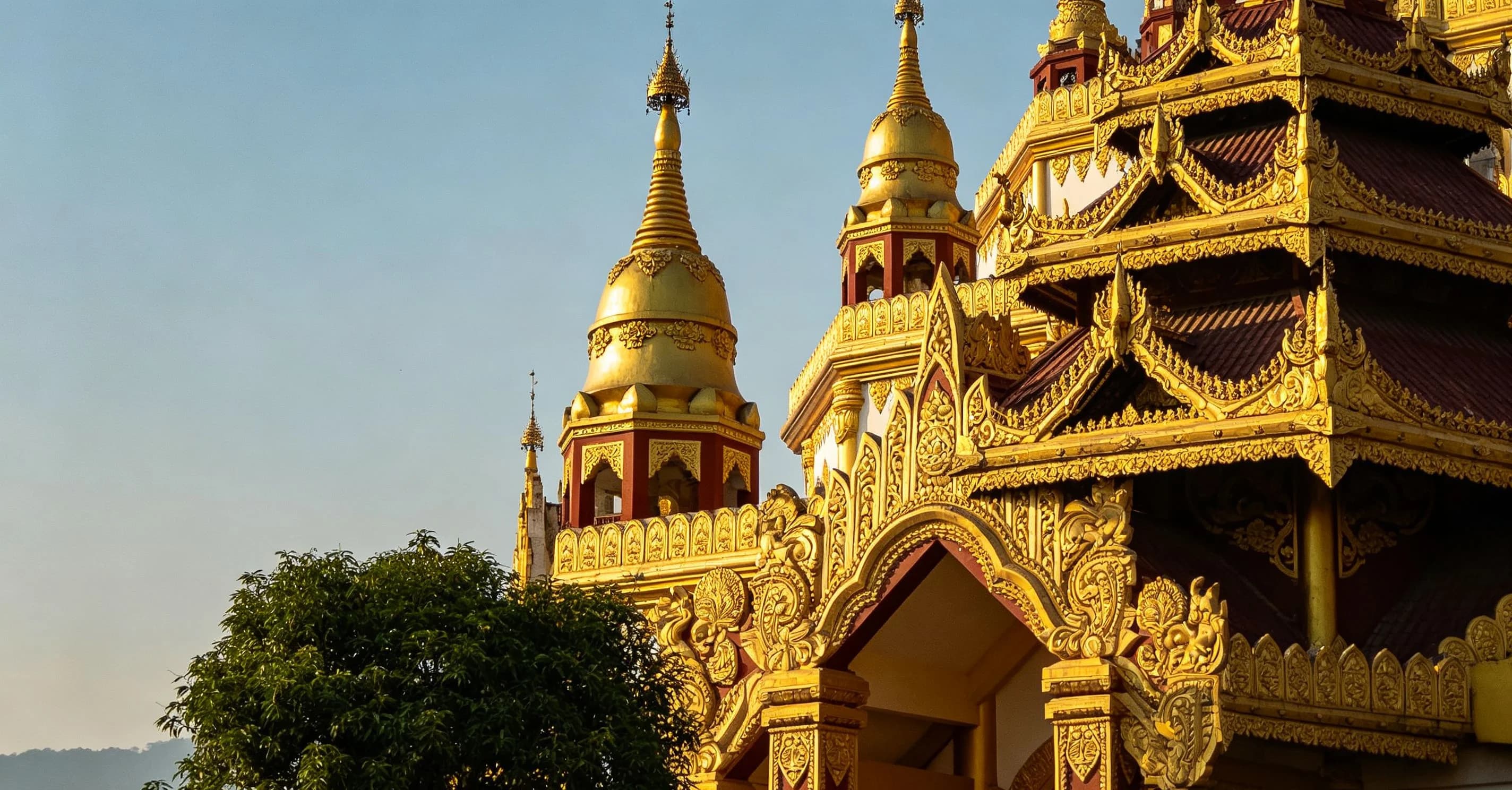
Meng Huan Grand Golden Pagoda
Discover Meng Huan Grand Golden Pagoda in Mangshi with visitor highlights, cultural insights, nearby attractions, and practical travel tips for your trip.
historical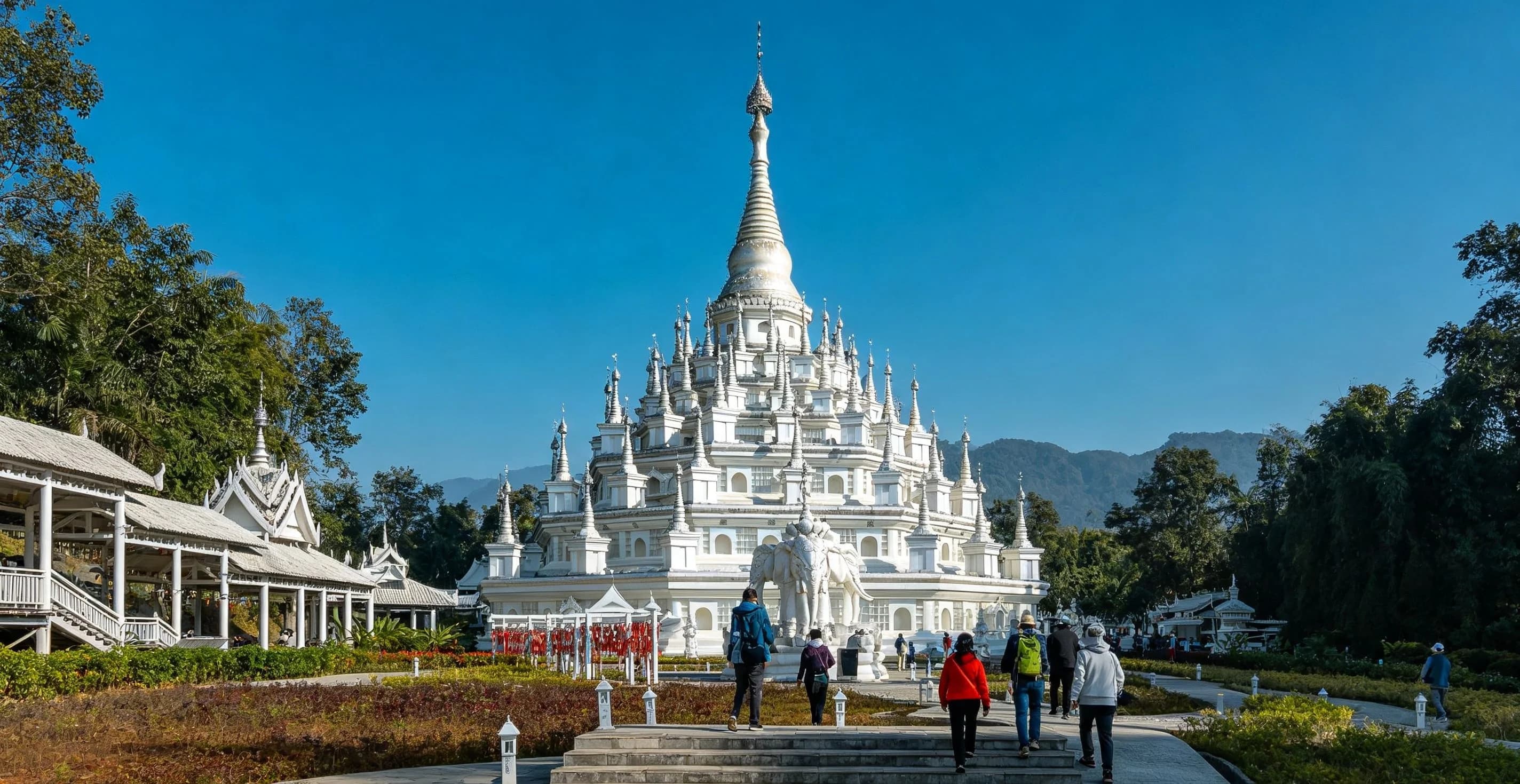
Meng Huan Silver Pagoda
Explore Meng Huan Silver Pagoda in Dehong, from its dazzling white towers and Dai-inspired history to photo spots, sunset views, tickets, and visitor tips.
historicalTrip Planning Guide
Mangshi is the core city of Dehong Prefecture in Yunnan Province. With its warm climate and slow pace of life, it's ideal for travelers looking to avoid crowded, popular routes and opt for a more relaxed trip. It's not a typical "must-see" destination; rather, it's best enjoyed as a warm winter transit point, a city with border charm, or a starting point for short-distance chartered car trips. Who is Mangshi suitable for? Mangshi is suitable for these types of people: Tourists looking for a warm winter destination First-time visitors to Yunnan who want to avoid high altitudes and long driving distances Those who enjoy slow travel, border scenery, and ethnic minority culture Families with elderly people, children, and a lot of luggage Those who want to combine Mangshi with Ruili and Tengchong Foreign tourists who prefer chartered vehicles and want more flexible routes Suggested Trip Duration: 1 Day: Suitable for those using Mangshi as a transit point, or for a day trip exploring the city center and a nearby suburb.Suggested Itinerary: City temples, Dai cultural sites, and local snacks in the evening. 2 Days: Suitable for most first-time visitors to Mangshi.A relaxed short trip combining Mangshi city center and surrounding areas is recommended, with a leisurely pace. 3 Days: Suitable for those who want to combine Mangshi with Ruili, Yingjiang, and Lianghe.This is the most balanced number of days, allowing you to see Mangshi while also incorporating surrounding attractions. 4-5 Days: Suitable for in-depth chartered tours.A classic southwestern border route combining Mangshi, Ruili, and Tengchong can be planned, or more natural and cultural stops can be added. Main Areas and Route Groups 1. Mangshi City Slow Travel Route Suitable for first-time visitors to Mangshi. The core content is a leisurely stroll through the city, enjoying local snacks, and visiting temples and cultural sites. Features: Relaxed pace, suitable for half a day to a full day. 2. Short Chartered Car Tours Around Mangshi Suitable for tourists wanting to travel to nearby suburbs from Mangshi. Connecting directions include Yingjiang and Lianghe. Features: Short distances, but public transportation may not be convenient; chartering a car is more convenient. 3. Mangshi - Ruili Border Scenery Route Suitable for those wanting to experience border cities, the atmosphere of the border crossing, and Dai culture. This is one of the most practical combinations for Mangshi, usually 2-3 days is sufficient for a comprehensive itinerary. 4. Mangshi - Tengchong Warm Winter Combination Route Suitable for tourists wanting to combine hot springs, volcanic landscapes, and border cities. This combination is more suitable for 3-5 days, offering a more comfortable pace. 5. Mangshi - Yingjiang Nature Route Suitable for travelers who enjoy nature, birds, wetlands, and slow travel. Even more suitable for photographers, light hikers, and those who don't follow a tourist itinerary. Recommended Itineraries: Mangshi + Ruili: The most classic and easiest combination. Suitable for border scenery, port cities, Dai culture, and a relaxed short trip. Mangshi + Tengchong: Suitable for a mild winter, hot springs, volcanic landscapes, and a more complete western Yunnan itinerary. Mangshi + Yingjiang: Suitable for nature routes, slow travel, photography, and a quieter experience. Mangshi + Lianghe: Suitable for short trips with a more local feel and stronger cultural experience.
Food & Dining
The focus of dining in Mangshi is not on high-end restaurants, but on Dai cuisine, Burmese flavors, night markets, and rice noodles and barbecue. Must-try dishes 1. Sa Pie / Bitter Sa Pie (撒撇、苦撒撇) A representative dish of Dehong Dai cuisine, typically served with rice noodles, beef, spices, and dipping sauce. The flavor is sour, spicy, bitter, and fragrant. Price: Approximately 20-40 yuan per serving. 2. Paoluda(泡鲁达) A common dessert and beverage in Dehong, made with bread rusks, coconut milk, condensed milk, sago, etc. It is sweet, cool, and suitable for afternoon consumption. Price: Approximately 8-18 yuan per bowl. 3. Hand-Pulled Rice Noodles(过手米线) A specialty of Dehong, these rice noodles are typically made by hand and served with meat sauce, spices, and dipping sauce, resulting in a rich flavor. Price: Approximately 10-25 yuan per serving. 4. Dai-style Grilled Fish(傣味烤鱼) Grilled with lemongrass, chili peppers, and spices, it has a spicy and fragrant flavor. Price: Approximately 40-90 yuan per fish. 5. Hand-grabbed Rice(傣味手抓饭) A platter of rice, grilled meat, vegetables, dipping sauce, and snacks. Price: Approximately 60-150 yuan per serving, depending on the number of people and the size of the set meal. 6. Burmese-style pancake (Thai bapa)(缅甸甩粑粑) Similar to a thin pancake, it can be made sweet or savory, with common flavors including banana, condensed milk, and egg. Price: Approximately 8-20 yuan per serving. Where to Eat P1 | Night Market and Local Snack Street Suitable for Pao Lu Da (a type of rice cake), Shuai Ba Ba (a type of pancake), barbecue, and snacks. Suitable for first-time visitors to Mangshi; many choices and transparent pricing. P1 | Dai Cuisine Restaurants Suitable for Sa Pie (a type of stir-fry), hand-grabbed rice, lemongrass grilled fish, and Dai-style cold dishes. Recommended for groups; order several dishes to share. P2 | Local Rice Noodle Shops Suitable for breakfast or lunch; inexpensive and offers a local experience. Recommended to try the hand-grabbed rice noodles or local beef rice noodles. P2 | Burmese-Style Shops Suitable for those wanting to experience border cuisine. You can order Shuai Ba Ba, milk tea, and curry-based light meals.
Getting There & Around
Mangshi arrives easiest by air. Dehong Mangshi Airport (LUM) sits roughly 8 km from central Mangshi, and a taxi or Didi usually takes 15–20 minutes for about ¥25–40. Rail access is still less convenient than flying for most first-time visitors, so many travelers come via flight from Kunming and continue overland to Ruili, Tengchong, or Baoshan by bus or car. If you are building a wider Yunnan route in 2026, check current bus schedules rather than assuming frequent rail links. Inside the city, taxis and Didi are the default because main areas are close and fares are low. Most rides between downtown hotels, the Golden Pagoda, and the Silver Pagoda fall in the 10–20 minute range and usually cost ¥10–25. Walking works within central food streets and for short evening exploration, but the city is not a metro-based destination and there is no major subway network to plan around. For suburban hot springs or day trips, hire a driver for 4–6 hours at around ¥250–400. Navigation tip: download Amap/Gaode or Baidu Maps before arrival; Google Maps is unreliable in China for routing and local business listings.
Frequently Asked Questions
Is 2 days enough for Mangshi?
Yes, 2 days is enough for the core trip: one half-day for the Golden Pagoda and Silver Pagoda, one evening for downtown food streets, and one additional morning for a market or relaxed neighborhood walk. Choose 3 days if you want a hot-spring outing, slower meals, or a road connection onward to Ruili.
Should I base in Mangshi or Ruili for a first Dehong trip?
Most first-time international travelers should base first in Mangshi because arrival is easier, hotel choices are straightforward, and the main sights are closer together. Ruili makes more sense as a second stop for travelers specifically interested in border trade atmosphere or a longer Dehong itinerary.
How far is Dehong Mangshi Airport from the main sights?
The airport is about 8 km from central Mangshi. In normal traffic, the ride to a downtown hotel takes 15–20 minutes, and continuing to the pagoda area is usually still under 30 minutes total. Budget about ¥25–40 by taxi or Didi.
Can I see the Golden Pagoda and Silver Pagoda on the same day?
Yes. Most travelers combine them in 2–3 hours, or 4 hours if they want a slower pace and photo stops. The sites are close enough that a single taxi loop from downtown is easy, with total transport costs often under ¥40 for the outing.
What is the best time of year to visit Mangshi?
The most comfortable months are typically November to February for lower humidity and easier walking, while March and April are warm and still practical. June to September is the wettest period, so you need rain gear and more flexible day planning, though prices can be lower outside holiday peaks.
Do I need to speak Chinese to travel in Mangshi?
No, but Mangshi is easier with a translation app because many small restaurants and drivers have limited English. If you can show Chinese place names, use Didi, and keep your hotel address saved in Chinese, a 2–3 day trip is manageable.
Quick Info
- Region
- north China
- Best Time to Visit
- March to April, September to November
- Suggested Duration
- 3 days
Weather & Climate
Monthly climate overview for Mangshi
Jan8°–20°C15mm
Feb10°–23°C20mm
Mar13°–27°C28mm
Apr17°–30°C55mm
May20°–31°C120mm
Jun22°–30°C220mm
Jul22°–30°C260mm
Aug22°–30°C240mm
Sep21°–29°C170mm
Oct18°–27°C90mm
Nov13°–24°C35mm
Dec9°–21°C18mm
Best time to visit
March to April, September to November
Plan Your Trip
Need help planning your Mangshi itinerary? Get personalized travel advice from our team.
Contact UsExplore More Destinations
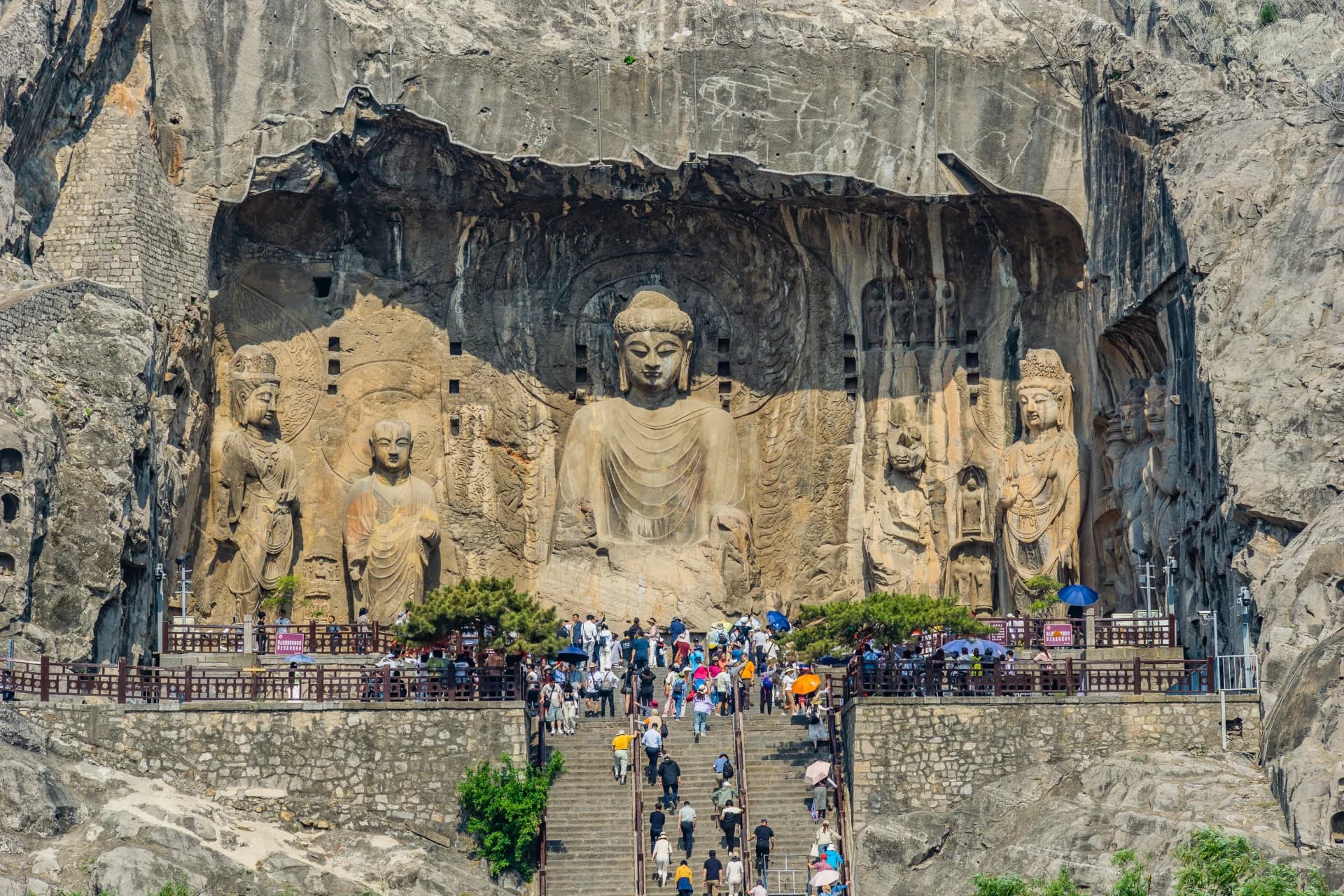
Luoyang
Is Luoyang worth 2-3 days? Ancient capitals, grottoes, and easy rail links
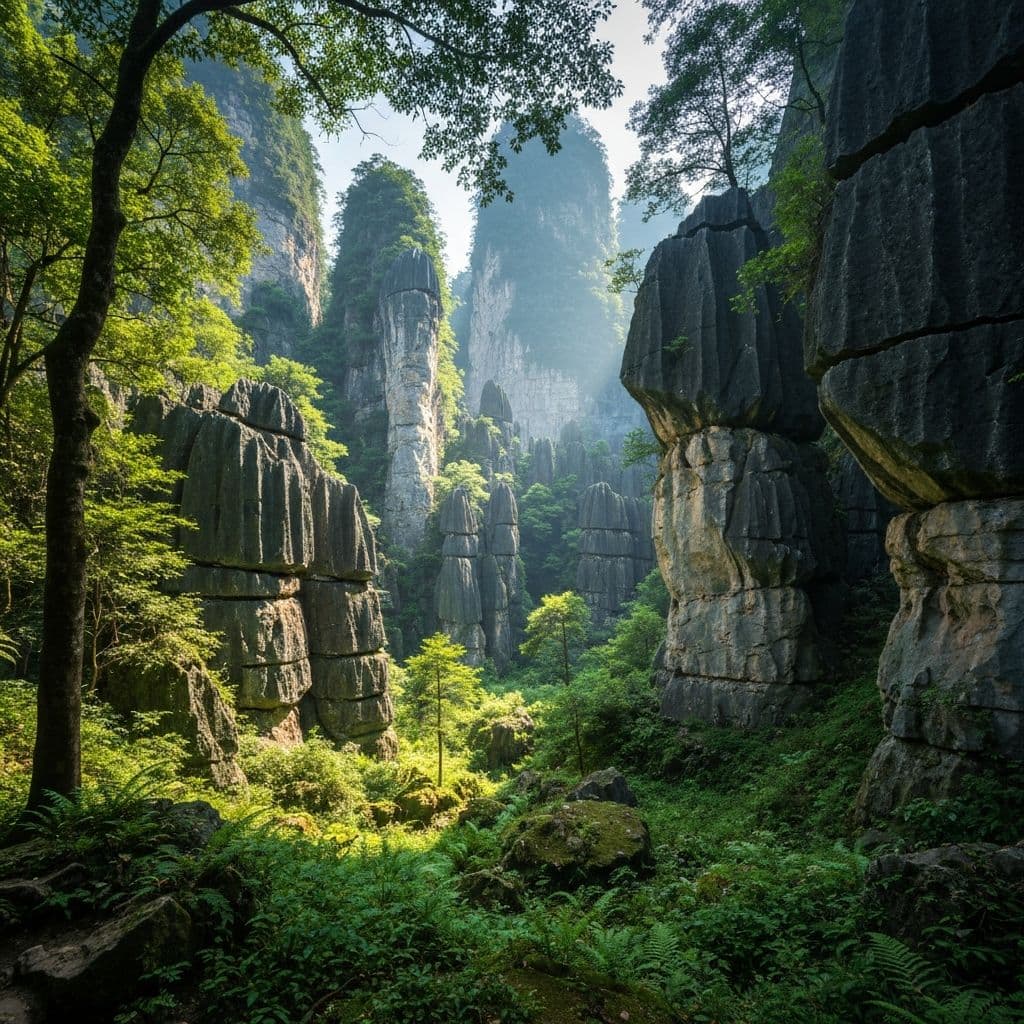
Kunming
Is Kunming worth 2–4 days? Spring weather, Yunnan food, and easy day trips
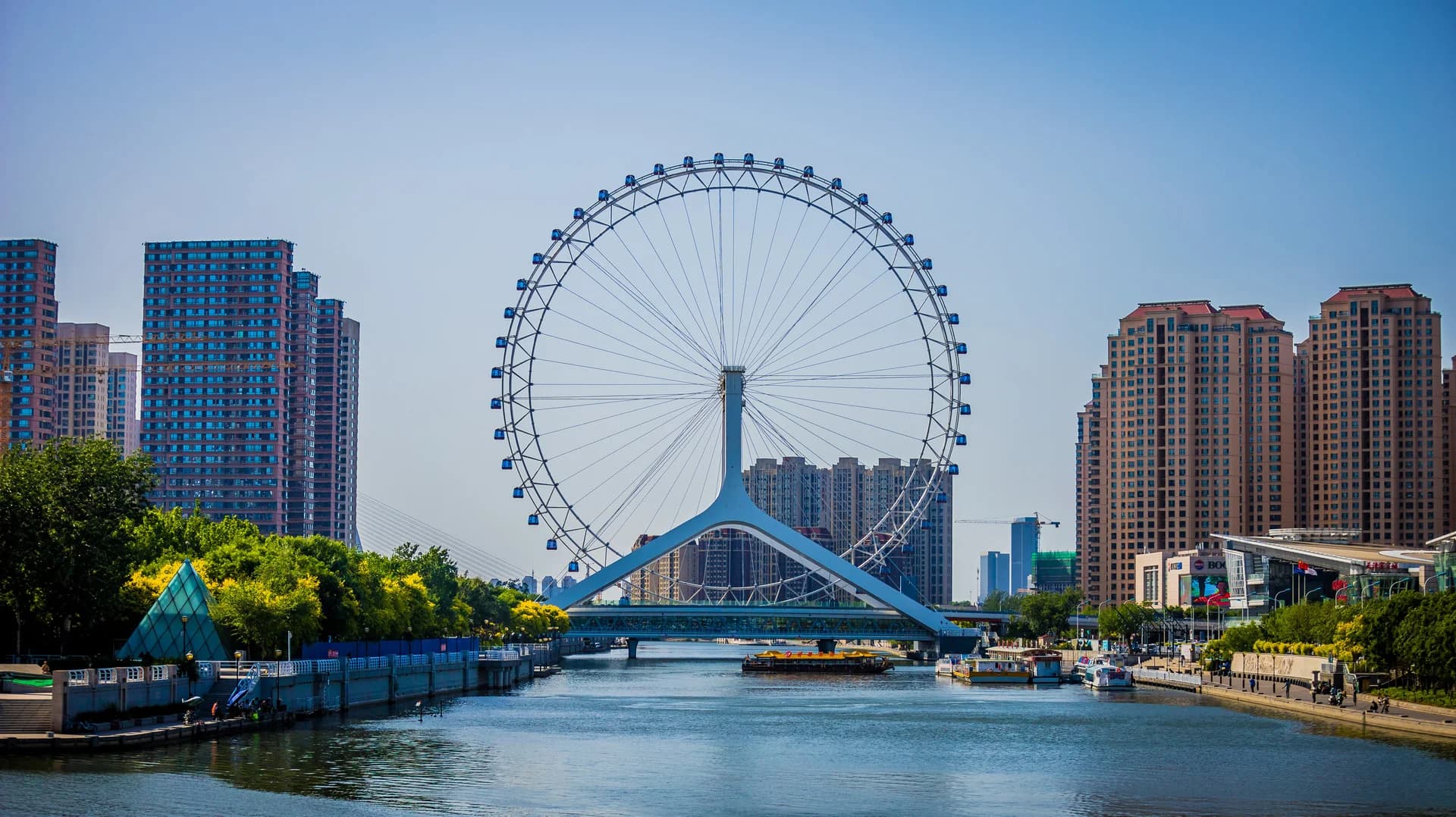
Tianjin
2–3 days in Tianjin: riverfront architecture, breakfast snacks, and easy trips from Beijing
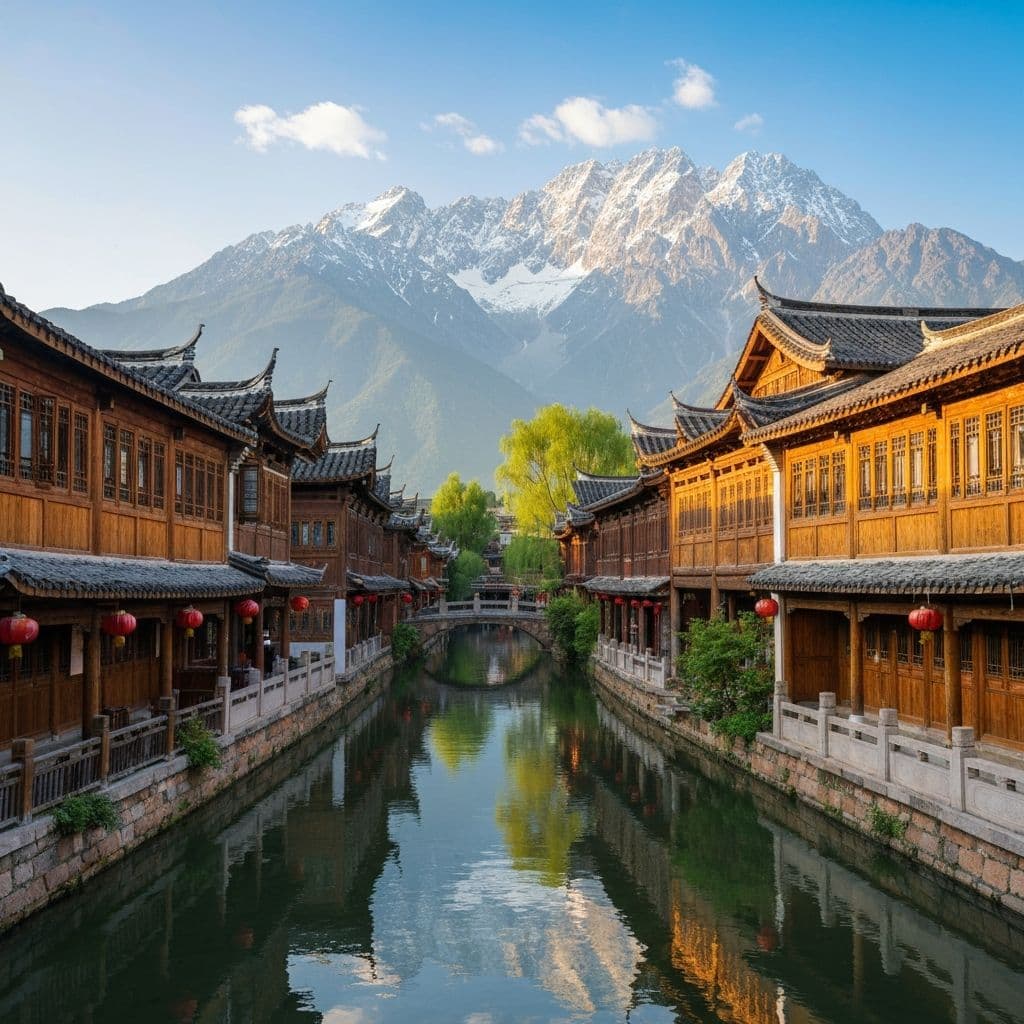
Lijiang
Is Lijiang worth 2–4 days? Old Town lanes, mountain views, and side trips