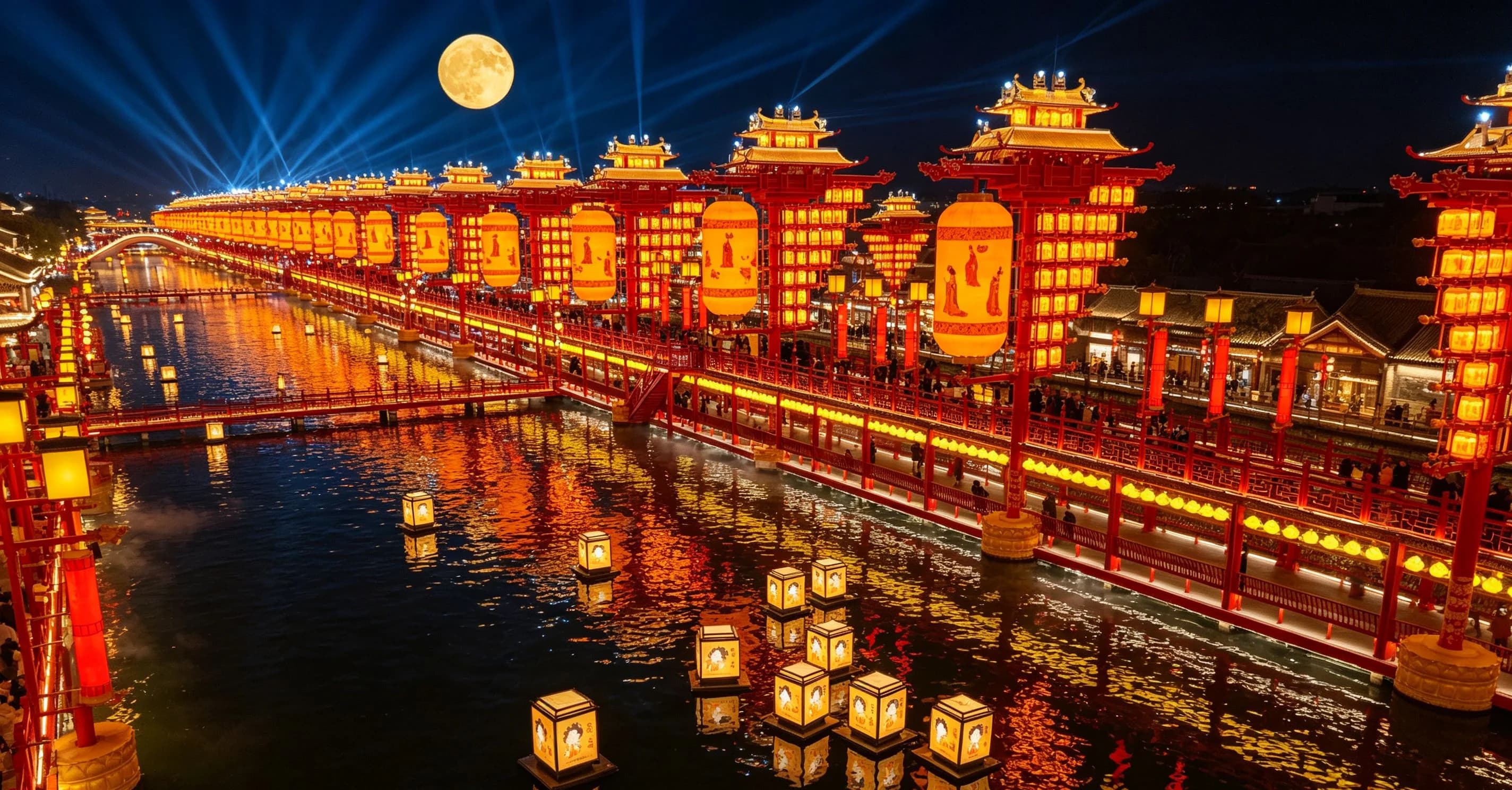
north China
Tangshan
Is Tangshan worth 2–3 days? Earthquake history, imperial tombs, and an easy Beijing side trip
Best time: Spring (April-May) and Autumn (September-October)
3 days suggested
6 highlights
Why Visit Tangshan
Plan a Tangshan trip with this guide to earthquake history, imperial tombs, industrial heritage, coastal escapes, and an easy 2-3 day route from Beijing.
Top Highlights
History: spend half a day at the Tangshan Earthquake Memorial Hall and Earthquake Ruins Park, then walk 10 minutes to central memorial sites tied to the 1976 disaster
Industrial heritage: ride the mine train and tour preserved shafts at Kailuan National Mine Park; allow 2.5–3 hours and budget about ¥60–¥100 depending on exhibits
UNESCO day trip: take a car or tour 75–90 km north to the Eastern Qing Tombs in Zunhua, where the Xiaoling and Yuling complexes can fill 5–6 hours including transfers
Urban downtime: use South Lake Park for an easy evening after museums; rent bikes, walk the lake loop, and pair it with dinner in the nearby Nanhu commercial area
Regional add-on: if you want coast instead of tombs, use Laoting or the Jingtanggang area for a summer beach day, but only if you have 3+ days and your expectations are modest
Food: build one meal around Tangshan snacks such as qizi shaobing and gezha, which are easy to sample in older commercial streets and market-style food courts
Must-See Attractions
1 attractions to explore in Tangshan
Trip Planning Guide
Tangshan is suitable for tourists who want to learn about modern urban reconstruction, industrial history, northern coastlines, hot spring resorts, and short trips within the Beijing-Tianjin-Hebei region. It's not a traditionally popular international tourist city, but it's good for extended trips around Beijing/Tianjin, especially for travelers who enjoy history, culture, the seaside, and a relaxed vacation. Who is Tangshan suitable for? Historical and cultural tourists: Tangshan is famous for the 1976 earthquake and its reconstruction, making it suitable for tourists interested in urban history, post-disaster reconstruction, and modern China. Short-trip tourists from the Beijing-Tianjin-Hebei region: Conveniently located from Beijing and Tianjin, suitable for 1-2 day weekend trips. Families and leisure tourists: The Nanhu Lake, hot springs, and seaside areas are suitable for relaxed trips, without the need for a strenuous itinerary. In-depth, niche tourists: If tourists have already visited Beijing and Tianjin and want to experience more authentic northern city life, Tangshan can be a good supplementary destination. Tangshan Suggested Itinerary: 1 Day: City Center Check-in Suitable for a day trip from Beijing or Tianjin. Recommended: Tangshan Earthquake Memorial Park/Earthquake Memorial Hall + Nanhu Park + Dining in the city center. 2 Days: Highly Recommended Suitable for a relaxed exploration of Tangshan. Day 1: Earthquake Memorial Theme + Nanhu Park + City Center Day 2: Kailuan National Mining Park/Tangshan Industrial Museum + Hot Springs or Local Cuisine 3 Days: In-Depth Surrounding Area Tour Suitable for families or a leisurely trip. Optional additions include Caofeidian Beach, Moon Island, Zunhua Qingdongling Mausoleum, Qianxi Mountains and Rivers, etc. Main Tourist Areas: Urban History and Reconstruction Route: Includes the Earthquake Memorial Hall, Earthquake Relics Memorial Park, and Nanhu Park. Suitable for first-time visitors to Tangshan. Industrial Culture Route: Kailuan National Mining Park and Tangshan Industrial Museum. Suitable for understanding Tangshan's coal mining, steel, and industrial city background. Leisure and Vacation Route: Hot springs, Nanhu Lake, and city parks. Suitable for families and relaxed trips. Seaside and Island Route: Caofeidian, Yue Island, etc. Suitable for summer or weekend getaways, but transportation planning should be confirmed in advance. Surrounding Cultural Route: The Eastern Qing Tombs are located in Zunhua. Suitable for combining with Tangshan for a 2-3 day historical itinerary. Suggested Itineraries: Tangshan City (1-Day Trip): Earthquake Memorial Hall → Nanhu Park → Local Restaurants Suitable for travelers with limited time. Tangshan Industrial Culture (1-Day Trip): Kailuan National Mining Park → Tangshan Industrial Museum → City Center Suitable for industrial history enthusiasts. Tangshan + Qing Dongling (2-Day Trip): Day 1: Tangshan City Day 2: Zunhua Qing Dongling Suitable for culture and history travelers. Tangshan + Tianjin / Beijing: Tangshan can be a short extension within a Beijing or Tianjin itinerary; it is not recommended as a primary destination for first-time visitors to China. Travel suggestions: Within Tangshan city, you can take a taxi or hire a car. If you are going to surrounding areas such as Qing Dongling, Caofeidian, Yuedao, and Qianxi, hiring a car is recommended as it is more convenient because the attractions are scattered and public transportation connections are not as smooth as in larger cities.
Food & Dining
Tangshan cuisine leans towards northern flavors, characterized by generous portions and hearty tastes, primarily consisting of noodles, barbecue, seafood, and local snacks. For first-time visitors to Tangshan, it's recommended to combine local street food, seafood, and home-style dishes. Must-Try Food 1. Tangshan Sesame Candy(唐山麻糖) A traditional Tangshan dessert, crispy and sweet, perfect as a souvenir. Where to Eat: Established pastry shops, specialty stores Price: ¥20–60 / box 2. Chess Piece Sesame Cake(棋子烧饼) With a crispy outer crust and a filling typically consisting of meat or savory flavors, it's a representative snack of Tangshan. Where to eat: Local sesame cake shops, breakfast stalls, food streets Price: ¥2–¥6 / piece 3. Gecha(饹馇) A specialty bean flour dish from Tangshan, it can be stir-fried, deep-fried, or stewed, offering a unique local flavor. Where to eat: Local Tangshan restaurants, casual eateries Price: ¥25–50 per serving 4. Tangshan Seafood(唐山海鲜) Located near the Bohai Sea, seafood is a highlight of the dining scene around Tangshan. Where to eat: Caofeidian, Leting, seafood restaurants Price: ¥80–200 / person 5. Tangshan Barbecue(唐山烧烤) Northern-style barbecue, suitable for evening meals. Where to eat: City night markets, barbecue restaurants Price: ¥50–120 / person 6. Haojia Huoshao / Local Huoshao(郝家火烧 / 本地火烧) Similar to northern-style stuffed pastries, suitable for quick meals. Where to eat: Breakfast shops, local snack shops Price: ¥5–15 / piece Where to Eat Tangshan City Center Suitable for barbecue, home-style dishes, chess-piece-shaped sesame cakes, and sesame candy. Nanhu / City Center Business District Many restaurant options, suitable for tourists' main meals. Caofeidian / Leting Suitable for seafood, especially popular in summer and on weekends. Old Town Snack Shops Suitable for finding local breakfasts and traditional snacks. If it's your first time in Tangshan, here's a suggested itinerary: Chess-shaped sesame cakes for breakfast, local home-style dishes for lunch, barbecue or seafood for dinner, and a box of Tangshan sesame candy before you leave.
Getting There & Around
Located in eastern Hebei Province, Tangshan is an ideal destination for short trips from Beijing or Tianjin. Within the city, taxis, ride-hailing services, and public buses are the primary modes of transport; however, for visits to outlying areas—such as the Eastern Qing Tombs, Caofeidian, Laoting, or Yuedao—it is advisable to plan your transportation in advance or hire a private car. How to Get to Tangshan High-Speed Rail / Train Tangshan Railway Station is the main arrival point, connecting the city with Beijing, Tianjin, Qinhuangdao, Shenyang, and others. Approximate Travel Times: Beijing → Tangshan: Approx. 1–1.5 hours by high-speed rail Tianjin → Tangshan: Approx. 30–60 minutes by high-speed rail Qinhuangdao → Tangshan: Approx. 1 hour by high-speed rail By Air Tangshan has its own airport—Tangshan Sannvhe Airport—but flight options are more limited compared to Beijing or Tianjin. More common travel methods: Fly to Beijing Capital Airport or Daxing Airport, then take a high-speed train or a chartered car to Tangshan. Fly to Tianjin Binhai Airport, then travel to Tangshan. Approximate travel times: Beijing airports → Tangshan: approx. 2.5–3.5 hours Tianjin Airport → Tangshan: approx. 1.5–2.5 hours Getting Around Tangshan 1. Taxis / Didi Using Didi or taxis is convenient for getting around downtown Tangshan, making them ideal for short-distance travel for tourists. Estimated Costs: Short trips within the city: ¥15–40 Tangshan Railway Station → City Center: Approx. ¥20–50 City Center → Nanhu Park: Approx. ¥20–40 2. Public Buses Buses are inexpensive but less convenient for foreign tourists compared to taxis. They are suitable for budget travelers or those comfortable using Chinese navigation apps. 3. Subway Tangshan does not currently have a subway system; tourists primarily rely on taxis, buses, or chartered cars. Travel Times Between Key Areas Tangshan Railway Station → City Center Approx. 20–40 minutes; taking a taxi is the most convenient option. City Center → Nanhu Park Approx. 20–30 minutes. City Center → Kailuan National Mine Park Approx. 15–30 minutes. Tangshan City Center → Eastern Qing Tombs Approx. 1.5–2 hours; chartering a car or hiring a private vehicle is recommended. Tangshan City Center → Caofeidian Approx. 1.5–2 hours; suitable for self-driving or chartering a car. Tangshan City Center → Laoting / Yuedao (Moon Island) Pier Approx. 2–2.5 hours; it is recommended to check ferry schedules and return transport arrangements in advance.
Frequently Asked Questions
Is 2 days enough for Tangshan?Chess Piece Sesame Cake With a crispy outer crust and a filling typically consisting of meat or savory flavors, it's a representative snack of Tangshan. Where to eat: Local sesame cake shops, breakfast stalls, food streets Price: ¥2–¥6 / piece
Yes. Two days is the best length for most first-time visitors: use one day for the earthquake memorial sites and Kailuan National Mine Park, then one full day for the Eastern Qing Tombs or a lighter South Lake day. If you only stay 1 day, you will need to skip either the tombs or the slower museum visits.
Can I do the Eastern Qing Tombs as a day trip from central Tangshan?
Yes, but treat it as a dedicated day. From central Tangshan or Tangshan Railway Station, expect 1.5–2 hours each way by car, plus at least 4 hours on site. Leaving before 08:30 makes the day much easier, especially on weekends and public holidays.
Should I stay near Tangshan Railway Station, downtown, or South Lake?
For a short trip, stay near Tangshan Railway Station or in central Lubei District. That keeps you close to arrival logistics, downtown museums, and restaurant options, with most taxi rides under 25 minutes. South Lake is better only if you want a resort-style evening atmosphere and do not mind extra car time.
Is Tangshan worth visiting from Beijing, or should I just stay in Beijing longer?
Tangshan is worth adding if you specifically want modern history and a less crowded side trip. The train ride is usually around 70–100 minutes, so the logistics are easy, but Tangshan is not a substitute for Beijing's imperial landmarks. Choose it when the 1976 earthquake story, industrial heritage, or the Eastern Qing Tombs are the reason for the detour.
Can I visit Kailuan Mine Park and the earthquake memorial sites on the same day?
Yes, and that is the most efficient city itinerary. The main sites are within roughly 5–8 km of each other, so taxi transfers are usually 15–25 minutes. Start with the earthquake-related sites in the morning, then go to Kailuan after lunch when you have 2.5–3 hours available.
Is Tangshan family-friendly for travelers with children?
It can be, especially for a 2-day trip. The best family mix is one short museum day paired with South Lake, where children have more space and adults can slow the pace. Very young children may find a full Eastern Qing Tombs day tiring because of the long road transfer and walking distances.
Quick Info
- Region
- north China
- Best Time to Visit
- Spring (April-May) and Autumn (September-October)
- Suggested Duration
- 3 days
Weather & Climate
Monthly climate overview for Tangshan
Jan-8°–2°C4mm
Feb-5°–6°C7mm
Mar1°–13°C10mm
Apr8°–21°C22mm
May14°–27°C39mm
Jun19°–30°C75mm
Jul22°–31°C180mm
Aug21°–30°C160mm
Sep16°–27°C58mm
Oct9°–20°C27mm
Nov0°–11°C13mm
Dec-6°–4°C5mm
Best time to visit
Spring (April-May) and Autumn (September-October)
Plan Your Trip
Need help planning your Tangshan itinerary? Get personalized travel advice from our team.
Contact UsExplore More Destinations
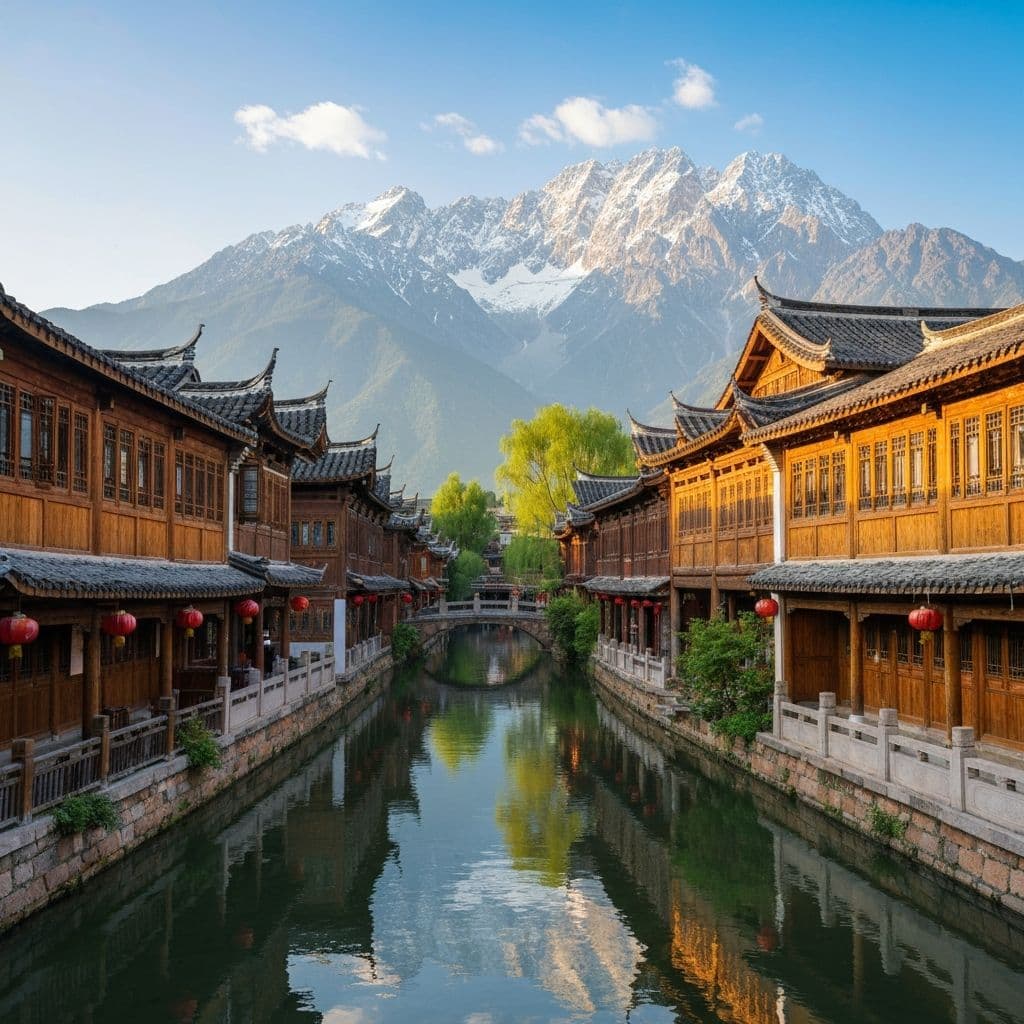
Lijiang
Is Lijiang worth 2–4 days? Old Town lanes, mountain views, and side trips
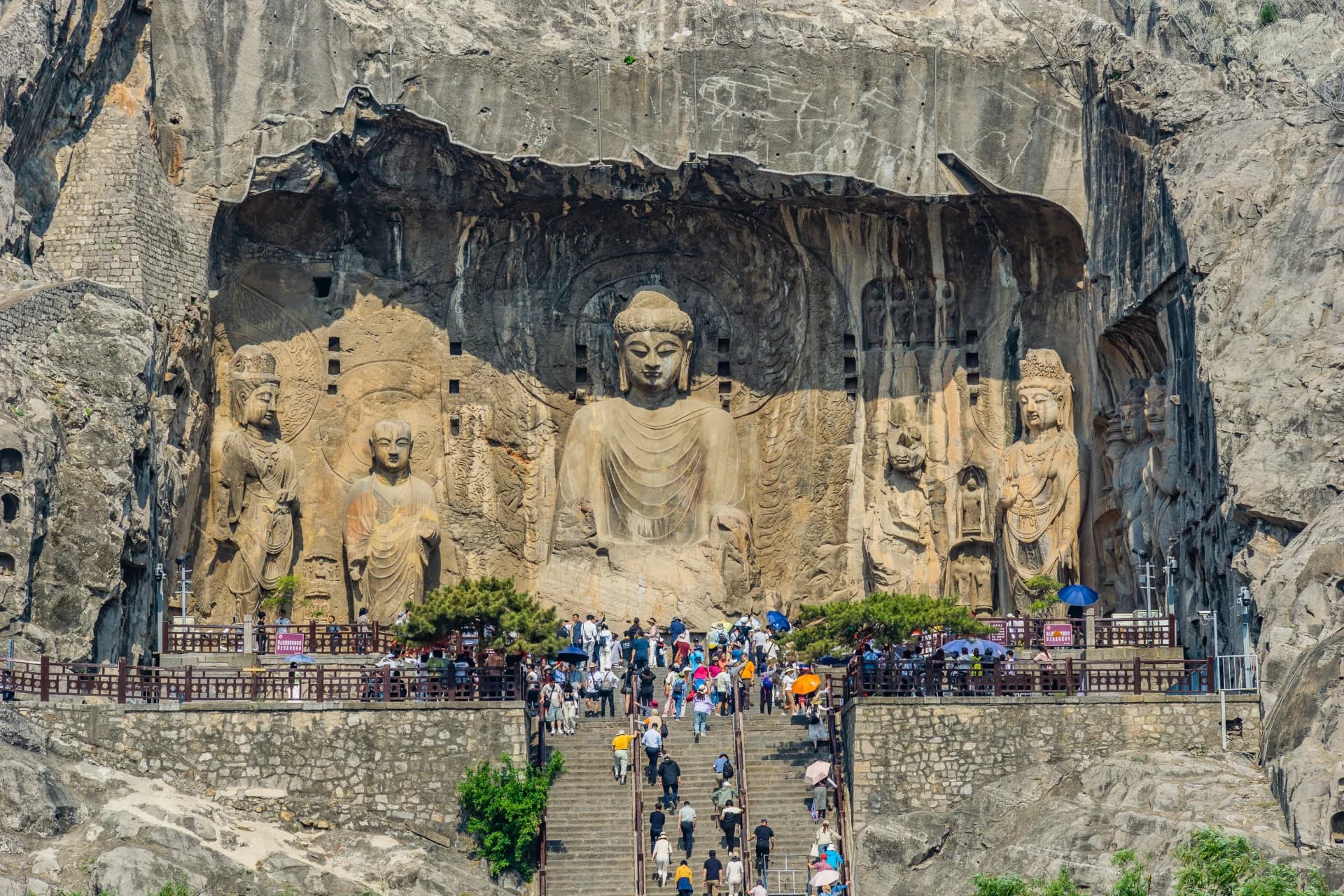
Luoyang
Is Luoyang worth 2-3 days? Ancient capitals, grottoes, and easy rail links
Kunming
Is Kunming worth 2–4 days? Spring weather, Yunnan food, and easy day trips
Tianjin
2–3 days in Tianjin: riverfront architecture, breakfast snacks, and easy trips from Beijing