Trip Planning Guide
Datong is an ideal first stop for experiencing the charm of northern Shanxi, serving as a gateway to destinations such as Mount Heng, Mount Wutai, and the Wooden Pagoda of Yingxian. The city center offers a blend of profound historical sites—including the ancient city walls, Huayan Temple, and Shanhua Temple—and a modern urban atmosphere; yet, its manageable size means that two or three days are sufficient for a thorough exploration.
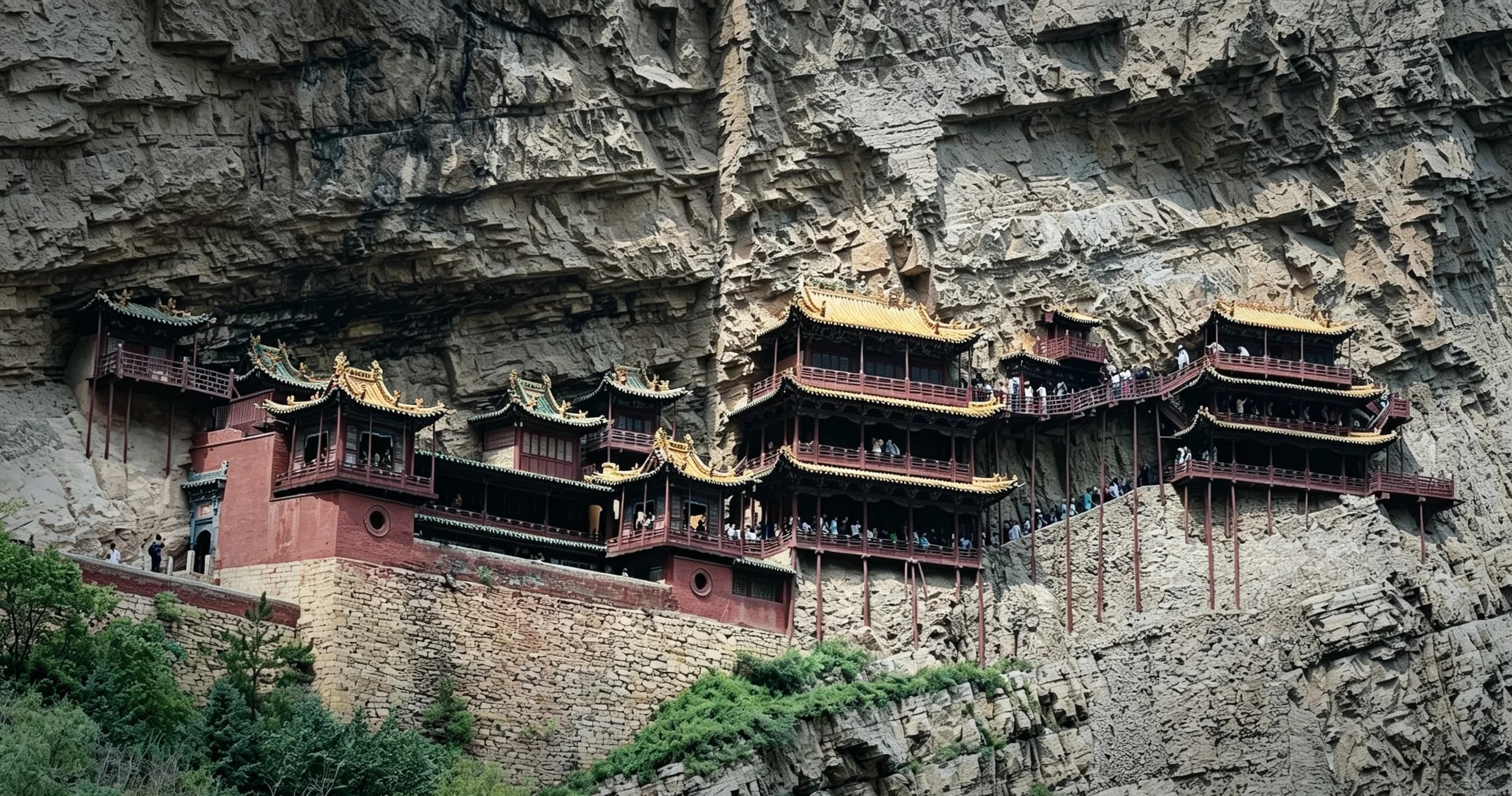
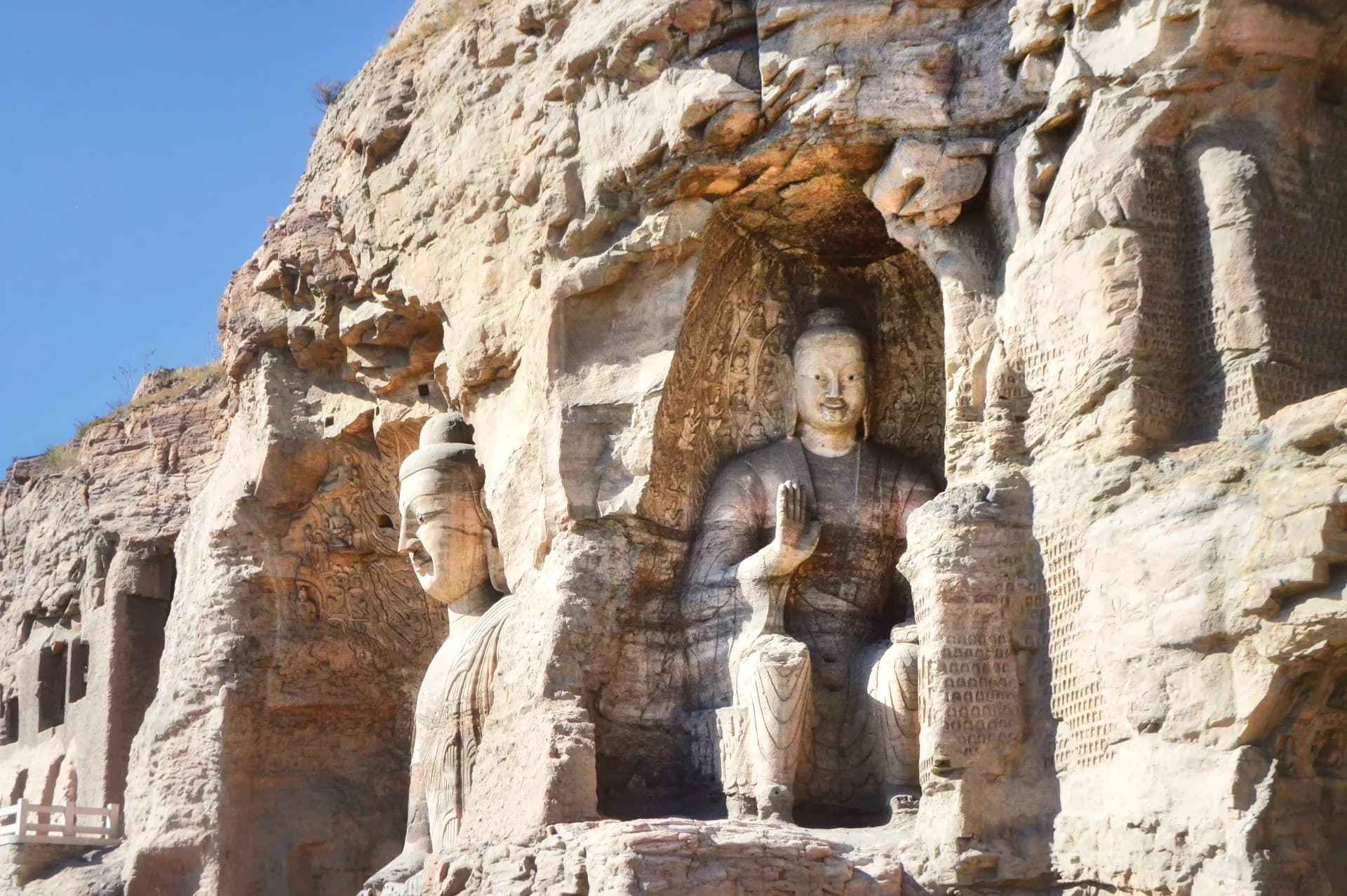
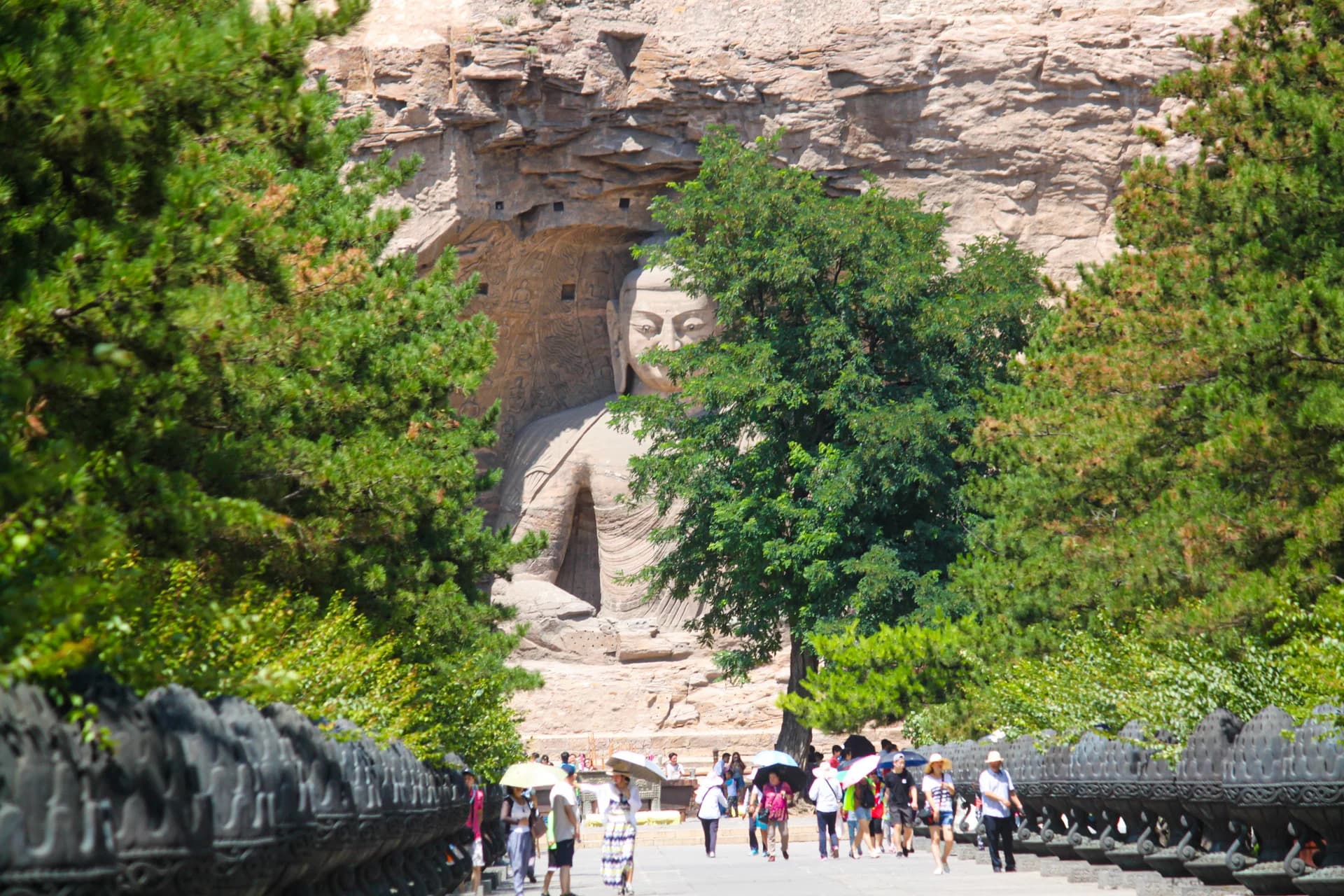
A two-day itinerary allows time to walk or cycle along the ancient city walls and visit Huayan Temple, Shanhua Temple, and the Datong Museum, with evenings spent strolling along Gulou West Street or the historic-style streets. A dedicated trip to the Yungang Grottoes requires an additional half-day, while visiting the Hanging Temple and Mount Heng takes a full day. If you are using Datong merely as a transit point, set aside at least half a day for the Yungang Grottoes to avoid a rushed transfer between the airport and the railway station.
Datong’s old neighborhoods, morning markets, and night markets are excellent places to experience life in northern Shanxi. Look out for local snacks, products made from coarse grains, and specialty vinegars. When visiting temples and grottoes, please remain quiet, respect the cultural relics, and check for "no photography" signs before taking pictures.
Transportation links between Datong and destinations such as Taiyuan, Mount Wutai, and Hohhot are convenient. When planning your itinerary, you should arrange the sequence based on actual train and flight schedules and allow sufficient time for transfers between different stations within the city—particularly when traveling from Datong South Station (high-speed rail) to Datong Station (conventional rail) or the airport.
Food & Dining Guide
Datong is a culinary hub showcasing the best of northern Shanxi cuisine. Must-try dishes include *daoxiao mian* (knife-cut noodles featuring rich broth and savory meat), *yangza* (lamb offal soup served with glass noodles or steamed buns), braised rabbit heads (a popular late-night snack), *huanggao* (yellow millet cake served with stewed meat or dipped in sugar), and Hunyuan *liangfen* (refreshing, smooth mung bean jelly), as well as cold-dressed dishes seasoned with the region's renowned traditional vinegars and flaxseed oil. On winter mornings, you can also enjoy a steaming bowl of lamb offal soup.
Local portion sizes tend to be generous, so consider ordering a few dishes at a time to avoid waste. It is recommended to visit small eateries or long-established shops in residential areas rather than fast-food outlets near tourist attractions; purchase local specialties—such as aged vinegar—at supermarkets or specialty stores, as prices at tourist souvenir shops are often higher.
Getting There & Around
Datong is served by Yungang Airport, Datong Station (conventional rail), and Datong South Station (high-speed rail), with these hubs located in different parts of the city: the airport is in the eastern suburbs, the South Station is near the New City, and the old station is immediately adjacent to the north side of the ancient city. Be sure to verify the specific station name when booking hotels or tickets to avoid going to the wrong location.
Buses and taxis (or ride-hailing services) are the primary modes of transport within the city. You can take a dedicated tourist bus to the Yungang Grottoes, but for the Hanging Temple and Mount Heng, it is recommended to charter a vehicle or book a day tour through a reputable platform. Showing the driver the destination's address in Chinese beforehand will facilitate communication.
Allow ample time when visiting attractions such as the Yungang Grottoes and the Hanging Temple. Traffic in the city center can be heavy during morning and evening rush hours (8:00–9:00 AM and 5:00–7:00 PM); allocate at least one hour for the journey between the airport and the railway station, and allow extra time during rainy or snowy weather. Datong experiences windy, dusty springs; summers and autumns are pleasant, while winters are cold. Be sure to pack sufficient warm clothing, and take precautions against the sun or wind when visiting outdoor sites.