Why it’s worth visiting
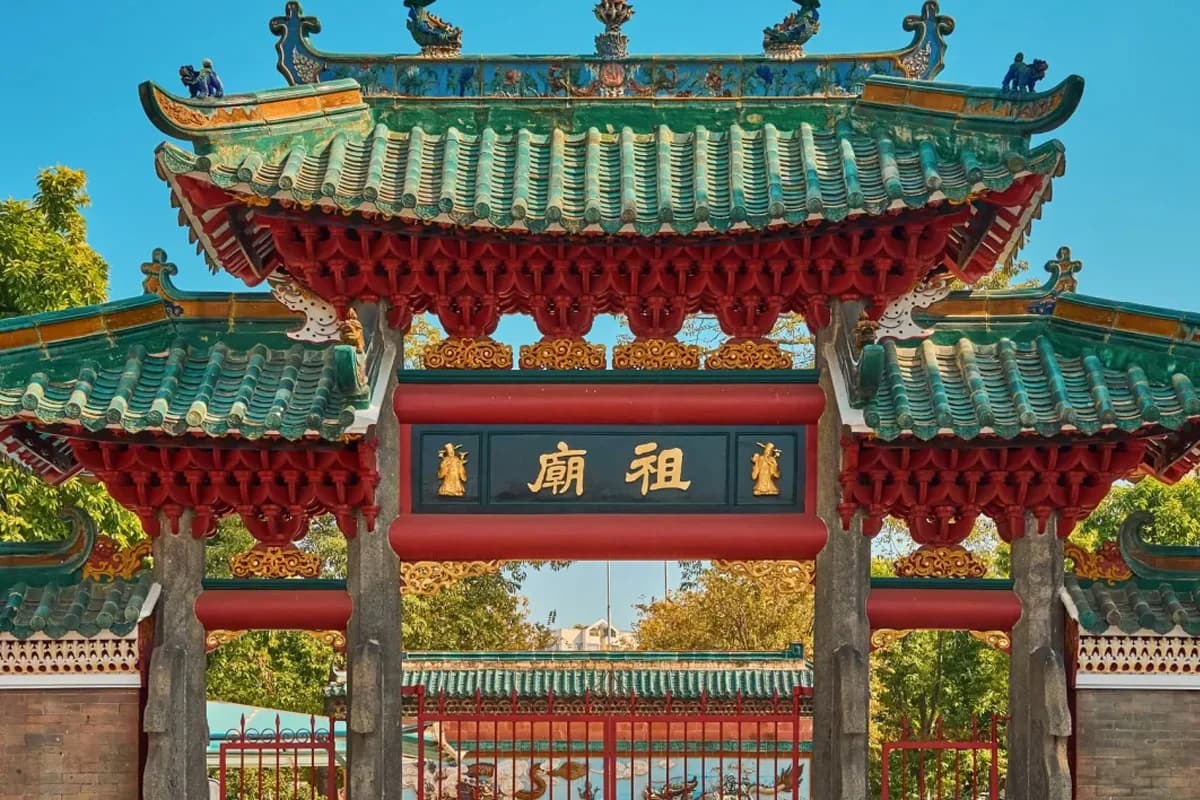
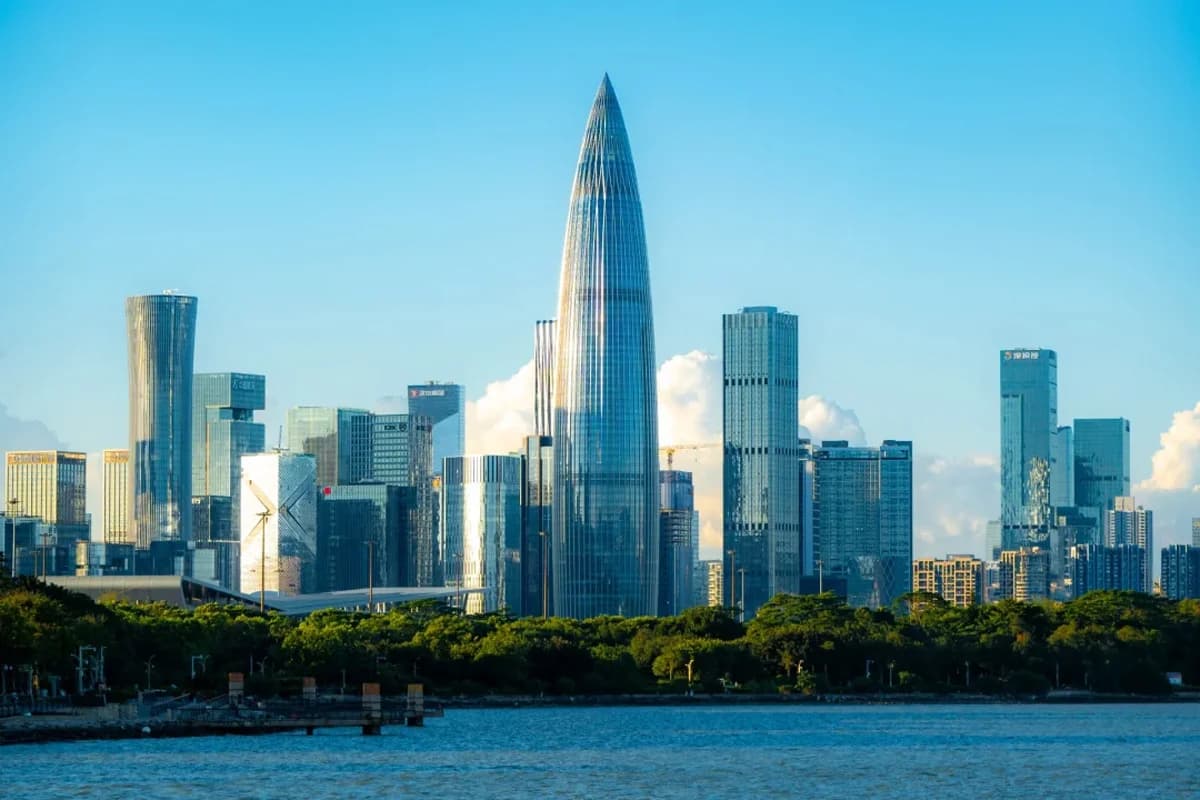
Xiamen doesn’t quite fit the image of China that most people hold in their minds. It is a coastal, pedestrian-friendly city, dotted with old villas, palm trees, and temples nestled at the foot of hills—not to mention an island that feels like a step into another era the moment you step off the ferry. What truly makes Xiamen memorable are the morning strolls along the coastal roads, the vibrant, bustling atmosphere of the local wet markets, and a relaxed, unhurried pace that frees you from the need to rush between tourist attractions.
Who it is for, and who it is not for
Suitable for: Couples, solo travelers, families with children, first-time visitors to China who prefer a more relaxed pace than that of Shanghai or Beijing, and those who enjoy seaside strolls, street food, and exploring historic neighborhoods.
Not suitable for: People with limited mobility (Gulangyu features many steps and slopes, and there are no motor vehicles); those seeking a vibrant nightlife (Xiamen becomes very quiet after 11:00 PM); or travelers expecting a "beach resort" experience—the beaches here are small and low-key; it is an urban coastal destination, not an island resort getaway.
How much time should be set aside?
2 days: Dedicate one day to Gulangyu Island and the other to the city (including Nanputuo Temple, the Xiamen University area, Huandao Road, and the night markets).
If you have a third day, you could slow down the pace by cycling along Huandao Road, or visit the Jimei School Village.
If you only have one day, head to Gulangyu Island—and accept that you will miss out on the snacks and beaches in the city.
Recommended Order of Visits
Day 1 · Gulangyu Island (Full Day): Take the earliest available ferry (between 8:00 and 9:00 AM) to arrive on the island before the midday crowds. Spend the afternoon visiting Shuzhuang Garden and strolling along the seaside paths; in the evening, grab a bite to eat on Longtou Road before taking the ferry back.
Day 2 · City Area: Visit Nanputuo Temple in the morning—Xiamen University is right next door. In the afternoon, go for a bike ride or a walk along Huandao Road (Island Ring Road). For dinner, head to the Eighth Market (Ba Shi) or Zengcuo'an.
Day 3 (Optional): Spend the morning at Baicheng Beach and the afternoon at Jimei Study Village, or take a day trip to Quanzhou.
When is it most crowded?
Most crowded:
China’s statutory long holidays (National Day, Oct 1–7; the week of the Spring Festival; and May Day)
It is also crowded on weekends during the summer vacation (July–August).
The most comfortable time:
From mid-April to mid-May and mid-October to mid-November, temperatures range from 20–26°C, humidity is low, and crowd levels are moderate.
Cheapest time:
December to February (excluding the Spring Festival)
How to combine with nearby locations
Quanzhou is about 17–26 minutes away by high-speed rail, making it a great half-day or full-day excursion for history enthusiasts—highlights include West Street (Xi Jie), Kaiyuan Temple, and local Southern Fujian snacks.
Zhangzhou is approximately 16 minutes away by high-speed rail; it’s perfect for a leisurely stroll through the old town and sampling local delicacies.
The Fujian Tulou (earthen buildings) in Nanjing or Yongding require a road journey of over two hours. This should be treated as a separate, longer trip—do not attempt to combine it with a day spent in the city center.
What’s good to eat nearby?
Satay noodles are the most iconic dish in Xiamen.
Long-established eateries are concentrated around Zhongshan Road and the "Eighth Market" (Bashi) area; spots like Lan Jia Jun, Da Zhong, and Xing Kai He are all places that locals frequent in their daily lives.
The Eighth Market (Ba Shi) is particularly well-suited for foreign visitors: you can browse the market, select your own seafood, and then have it prepared on the spot at a nearby eatery—establishments like A Lian, A Yu, and Shang Qing are all reliable, well-regarded options for such preparation services.