south China
Guangzhou
Gateway to Southern China
Best time: October to March
3 days suggested
6 highlights
Why Visit Guangzhou
The capital of Guangdong Province and birthplace of Cantonese cuisine, Guangzhou is a vibrant metropolis with over 2,200 years of history. As a major trading port since ancient times, it blends traditional Lingnan culture with modern innovation. Famous for its dim sum, Canton Tower, and as the gateway to Hong Kong and Macau.
Top Highlights
Canton Tower
Chen Clan Ancestral Hall
Shamian Island
Baiyun Mountain
Beijing Road
Dim Sum Culture
Must-See Attractions
4 attractions to explore in Guangzhou
Canton Tower
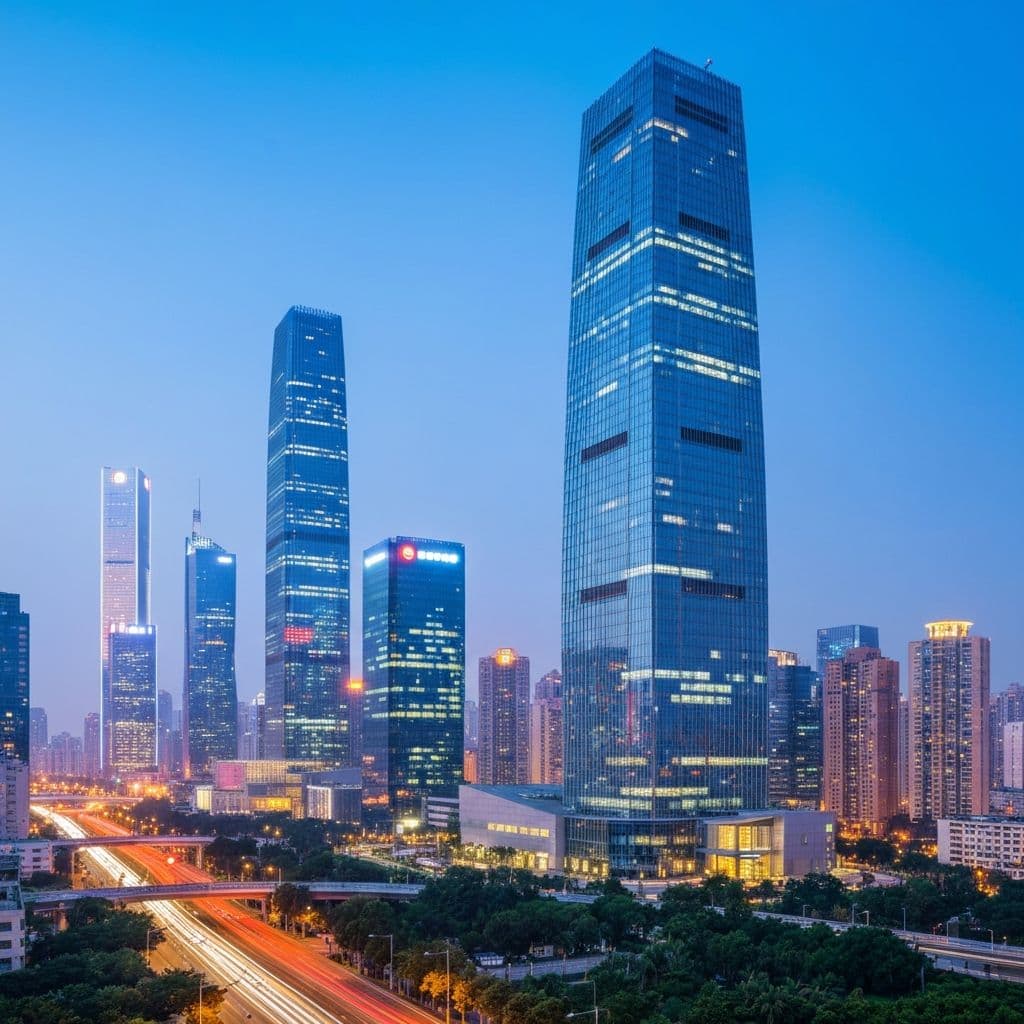
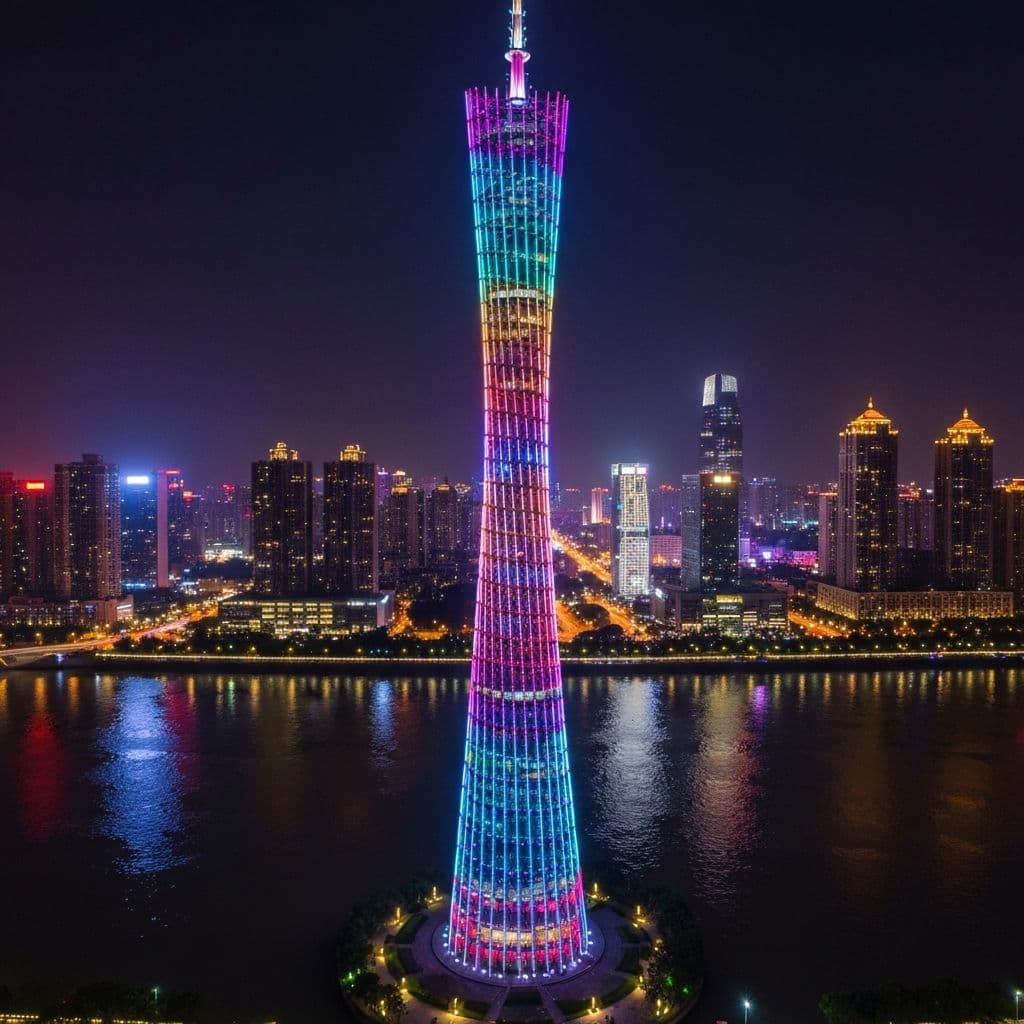
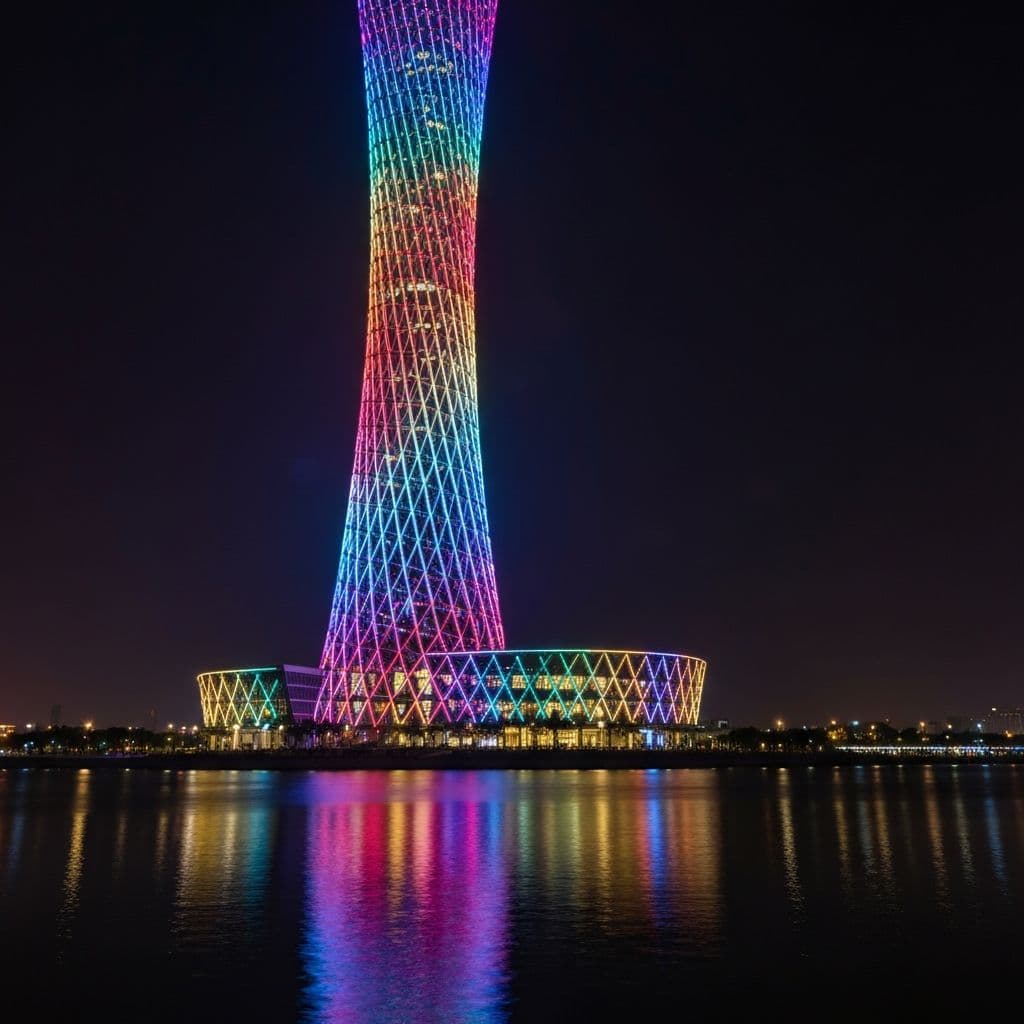
The Canton Tower, standing at 600 meters tall, is China's tallest tower and, when it opened in 2010, the world's tallest freestanding structure. Its unique twisted, lattice-like design, narrowing at the waist, resembles a slender woman. Highlights include the world's highest outdoor observation deck, a skydiving attraction, and a bubble cable car that encircles the top. The tower's LED lighting creates a breathtaking light show at night.
historical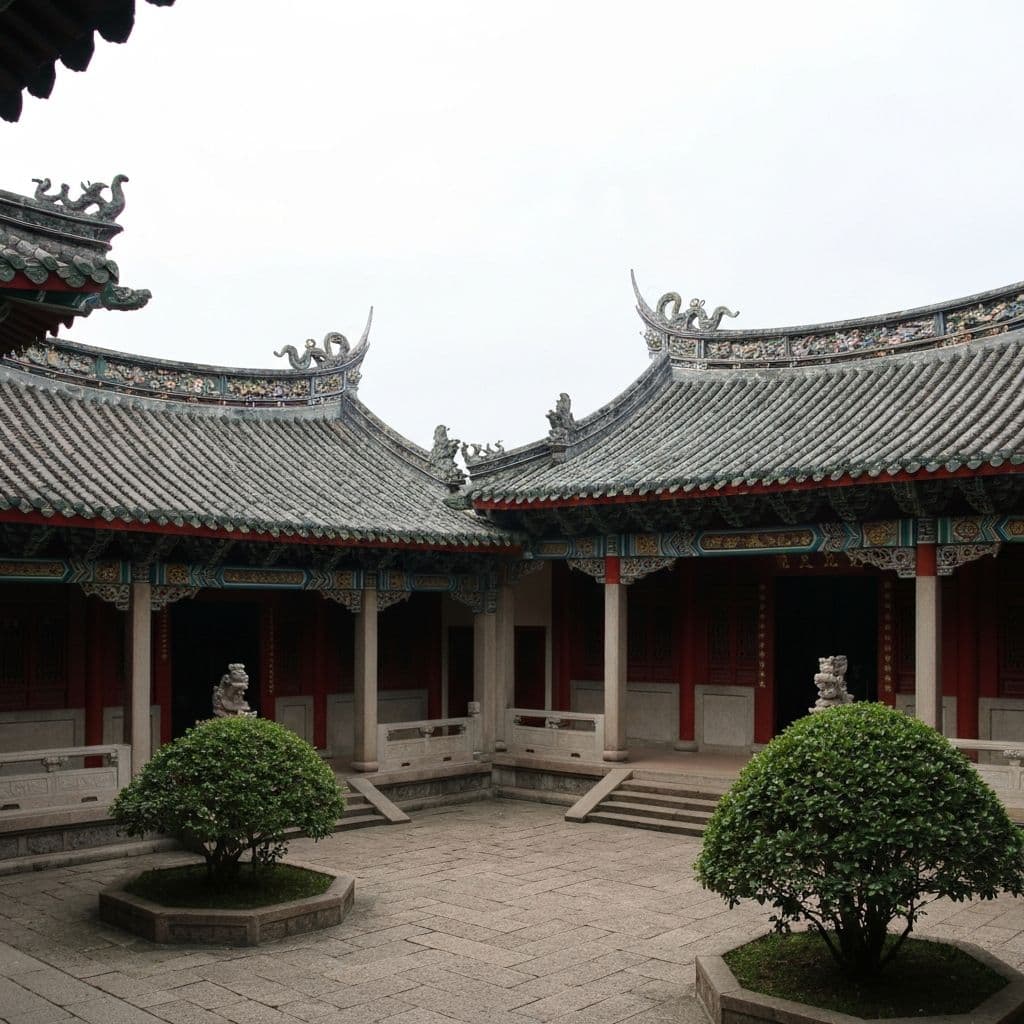
Chen Clan Ancestral Hall
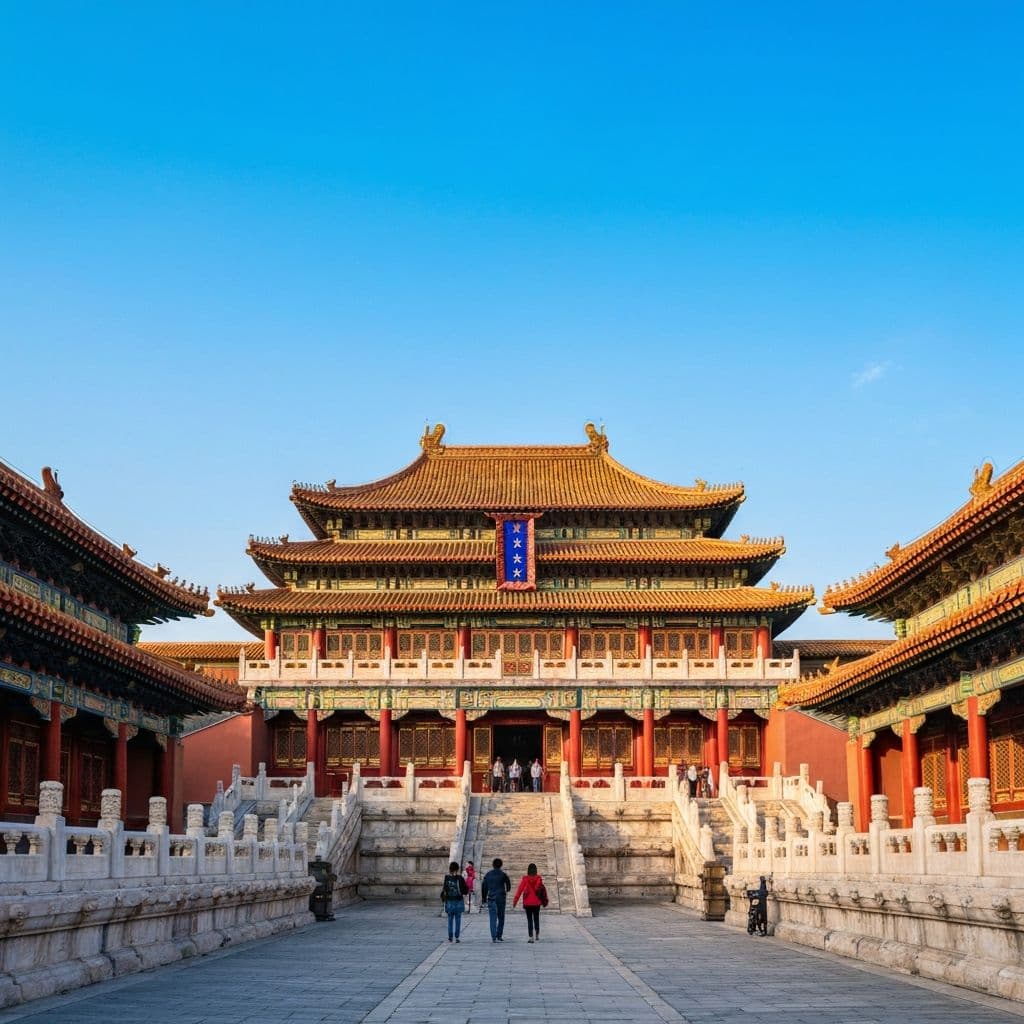
This magnificent ancestral hall built in 1894 represents the finest example of traditional Lingnan architecture. Originally built for the Chen clan to house scholars preparing for imperial examinations, it showcases extraordinary craftsmanship in wood carving, stone carving, brick carving, pottery, and iron casting. Now houses the Guangdong Folk Art Museum with over 20,000 artifacts.
historical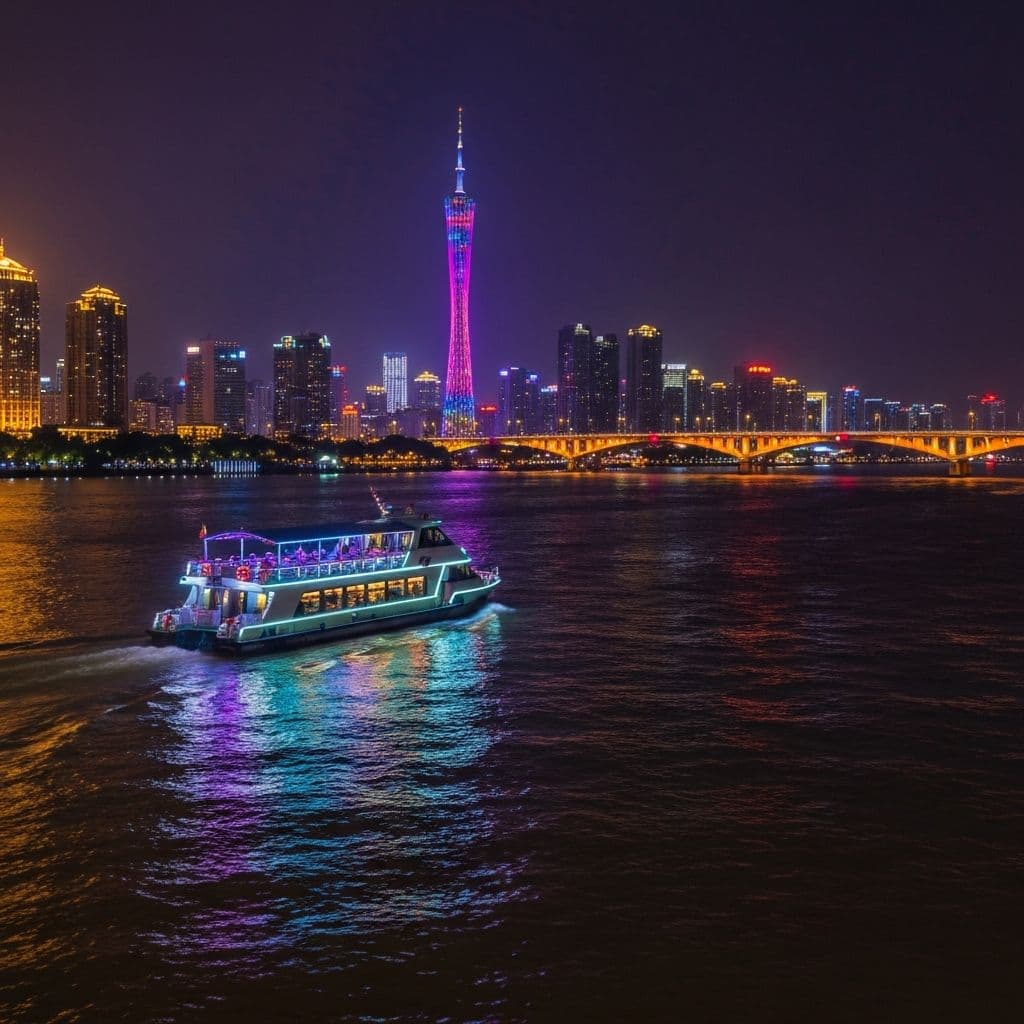
Pearl River Night Cruise
A night cruise along the Pearl River offers the best way to see Guangzhou's dazzling skyline. The 1-2 hour journey passes illuminated landmarks including Canton Tower, Haixinsha Island, and the historic Shamian Island. Multiple piers offer departures, with boats ranging from basic ferries to luxury dinner cruises. The river comes alive after dark with colorful lights reflecting off the water.
historical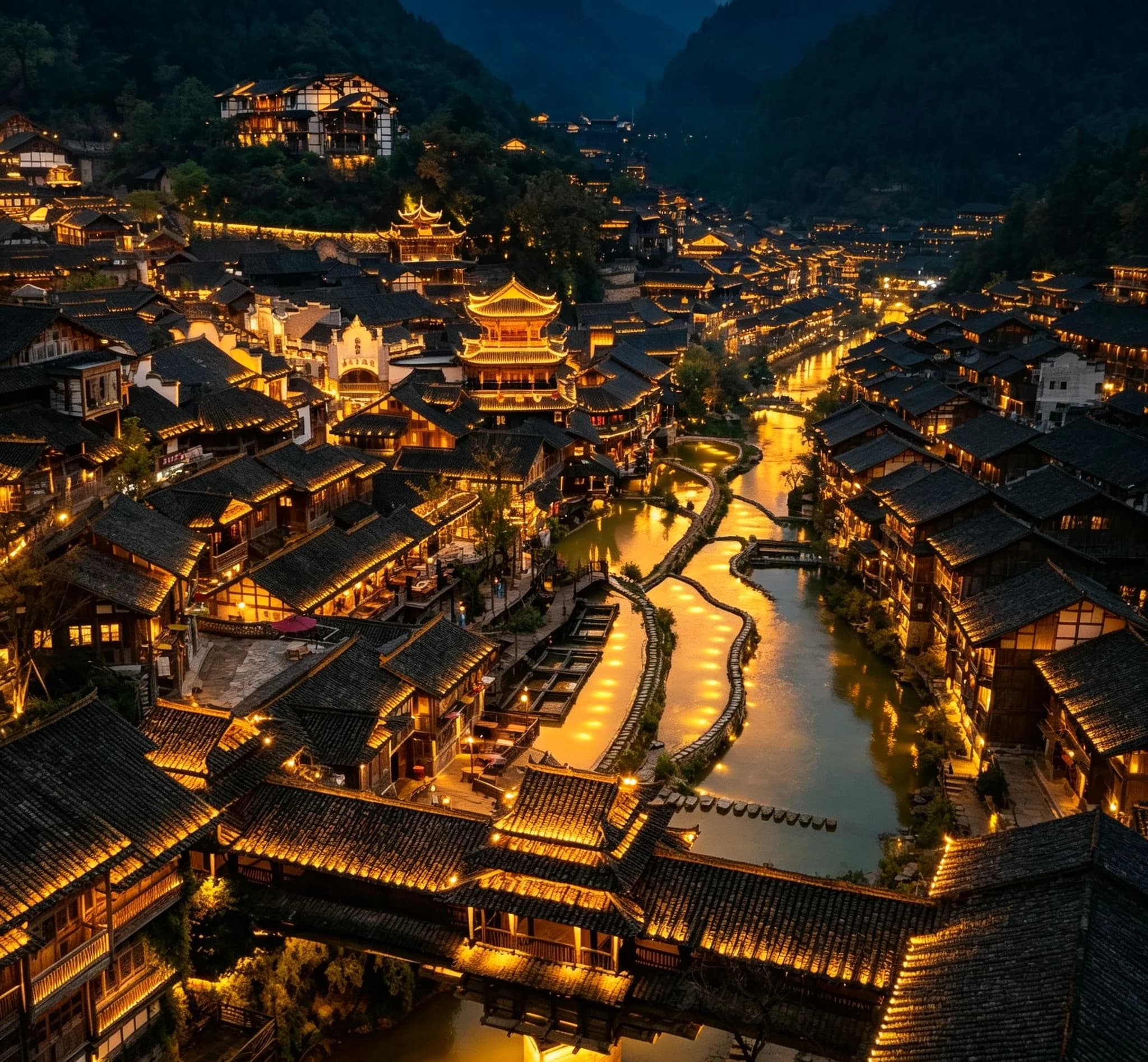
Wujiangzhai
naturalTrip Planning Guide
Guangzhou is a great destination for "city experience travel". Unlike Beijing and Xi'an, which are known for their strong historical landmarks, or Shanghai, which emphasizes its international metropolis appearance, Guangzhou's real appeal lies in its sense of life, its abundance of food, its arcade streets, its Pearl River night view, and its rhythmic pace of life in South China. Who is Guangzhou suitable for? First-time visitors to China who want to start in an easier-to-adapt city. Those interested in food, street strolls, and local life. Those who want to experience daily city life more than just "landmark check-ins." Those who want to include Guangzhou as a stop on a multi-city tour of South China. How many days should I spend in Guangzhou? 2 days 1 night: Suitable for a quick experience of the old city + Pearl River night view + Cantonese cuisine. 3 days 2 nights: Highly recommended for first-time visitors, offering a more balanced pace. 4 days 3 nights or more: Suitable for adding more in-depth exploration of the city streets, museums, short trips to surrounding areas, or a combination with Foshan. How to group Guangzhou's main areas? When planning your trip in Guangzhou, you can roughly divide it into 4 sections: 1. Old City Section Including: Shangxiajiu Pedestrian Street, Yongqingfang, Enning Road, and the area around Shamian Island. Suitable for: seeing the arcade buildings, old streets, eating authentic snacks, and experiencing the most memorable aspects of Guangzhou. 2. Zhujiang New Town and Tianhe District Suitable for: seeing the modern city skyline, Guangzhou Tower, shopping districts, and night views. This is a more modern side of Guangzhou and is more suitable for arranging nighttime activities and taking city photos. 3. Pearl Riverfront and Shamian Island Slow Travel Section Suitable for: strolling, taking photos, and doing a more relaxed city walk. 4. Food Experience Section Many travel experiences in Guangzhou actually revolve around "eating." Morning tea, roast goose, rice noodle rolls, wonton noodles, and sweet soups—you don't necessarily need to try them all, but it's worth reserving a few meals specifically for them. What places can Guangzhou be combined with? Guangzhou is great for travel with surrounding cities: Guangzhou + Shenzhen: Perfect for experiencing two different urban styles in South China Guangzhou + Foshan: Ideal for incorporating Lingnan culture and a more down-to-earth side Guangzhou + Zhuhai: Suitable for adding a more relaxed seaside pace Guangzhou + Hong Kong / Macau: Ideal for a more complete Greater Bay Area itinerary If you have limited time for traveling in Southern China, Guangzhou is often a great starting point or transit hub. Guangzhou Itinerary Planning Suggestions Don't think of Guangzhou as a city where you "must frantically check off tourist attractions." It's better to explore it slowly, area by area. Eating is more important than sightseeing; many people remember Guangzhou for its food and urban atmosphere. It's best to separate the old town from the modern city in your itinerary for a clearer pace. The Pearl River night view is worth spending time on, especially for first-time visitors. If time is limited, prioritize the old town, its food, and a night view experience.
Food & Dining
Guangzhou is a city perfect for those who want to "go there for the food." For many tourists, the focus of their trip to Guangzhou is not just on the tourist attractions, but also on the dim sum, roast meats, street snacks, and everyday food culture. Must-try foods 1. Dim Sum / Morning Tea This is one of the most representative food experiences in Guangzhou, including shrimp dumplings, siu mai, char siu bao, chicken feet, and rice noodle rolls. Where to eat: You can enjoy the food at time-honored teahouses and local Cantonese restaurants, with an average cost of ¥50-120 per person. 2. Roast Goose Guangzhou is a great place to eat all kinds of barbecue and similar delicacies, and roast goose is especially worth trying. Where to eat: Local roast meat shops, Cantonese restaurants, and street-side restaurants in the old town; average price per person: ¥30-80 3. Rice noodle rolls This is a classic breakfast and light meal option in Guangzhou. It has a soft texture and common flavors include beef, shrimp, and eggs. Where to eat: Breakfast shops, snack shops, local noodle shops, prices around ¥10-25 4. Claypot Rice The aroma of the crispy rice crust and the sauce are the most distinctive features of this dish. Where to eat: Cantonese home-style restaurants, local restaurants in the old town, prices around ¥20-50 per serving. 5. Sweet Soup Guangzhou's dessert culture is highly representative, with common varieties including double-skin milk pudding, mango pomelo sago, red bean paste, and sesame paste. Where to eat: Sweet soup shops, dessert stores, shopping districts, and small shops in old streets. Prices are approximately 10-30 yuan per serving. Where is it more convenient to eat? Shangxiajiu/Enning Road/Xiguan area: Suitable for finding authentic Guangzhou flavors. Beijing Road area: Convenient for tourists, with many dining options. Tianhe/Zhujiang New Town: More suitable for comfortable, modern dining experiences with a wide variety of choices.
Getting There & Around
Guangzhou is one of the most easily accessible cities in southern China, with a well-developed airport, high-speed rail, and subway system. For first-time visitors to China, Guangzhou's transportation is generally quite convenient; the key is to first understand the relationship between the airport, train station, and main activity areas. How do I get to Guangzhou? 1. By Airplane Most international and domestic tourists arrive at Guangzhou Baiyun International Airport. The journey from the airport to major city areas typically takes about 40-70 minutes. Subway: Lower price, suitable for tourists with little luggage. Didi/Taxi: Usually around 80-180 RMB, depending on the area and time of day. 2. High-speed rail / train Guangzhou is a high-speed rail hub in South China. Common destinations include: Guangzhou South Station: The most common high-speed rail option, suitable for those coming from Shenzhen, Hong Kong, Guilin, Changsha, etc. Guangzhou East Station: More suitable for some intercity and city connections Guangzhou Station: A traditional train station, also serving some lines From the high-speed rail station to the main urban areas, it usually takes about 20-60 minutes, depending on where you are staying. What's the most convenient way to get around the city? 1. Subway: Guangzhou's subway system has extensive coverage and is one of the most reliable modes of transportation in the city. Suitable for most popular areas, such as Beijing Road, Shangxiajiu, Zhujiang New Town, Guangzhou Tower, and Tianhe business district. Prices are usually around 2-10 RMB, suitable for first-time visitors to Guangzhou. 2. Didi/Taxi: If you have luggage, are traveling in a group, or don't want to transfer, Didi is more convenient. Short-distance taxi rides within the city usually cost around 15-50 RMB, higher during peak hours. 3. Walking + Subway Combination: Many areas in Guangzhou are suitable for "taking the subway to the nearest location first, then exploring on foot," especially Beijing Road, Shangxiajiu/Enning Road, Shamian Island, and the Pearl River night view area. Practical Tips: For your first visit to Guangzhou, staying in an area with convenient subway access will save you a lot of time. It's best to plan your trips separately for the old city and Tianhe/Zhujiang New Town areas. Taxi travel times will be significantly longer during peak hours; the subway is generally more reliable. If you're mainly interested in city life and food, walking plus the subway is usually the most practical option.
Frequently Asked Questions
How many days should I spend in Guangzhou on my first visit?
I usually recommend 2 to 3 days. If you have less time, 2 days is enough to experience the old town, local food, and the Pearl River night view; if you want to explore Tianhe, Shamian, the Canton Tower, and many other areas at a leisurely pace, 3 days would be more suitable.
What are the most worthwhile places to visit in Guangzhou?
For first-time visitors to Guangzhou, the usual priority is: Beijing Road, Shangxiajiu Pedestrian Street, Yongqingfang, Shamian Island, Zhujiang New Town, and Guangzhou Tower. If time is limited, it's not necessary to visit every single place; arranging visits by area is usually more comfortable.
When is the best time to visit Guangzhou?
Autumn to winter is usually the most comfortable time, with less humid and hot weather. Spring and early summer are also good for travel, but humidity and rainfall are typically more pronounced.
Where is the most convenient place to stay in Guangzhou?
For first-time visitors to Guangzhou, it's generally recommended to stay near Beijing Road, Zhujiang New Town, Tianhe District, or the old city areas with convenient subway access. These areas offer greater convenience for visiting major attractions, dining, and taking the subway.
Which cities are good to combine with Guangzhou in a travel itinerary?
Guangzhou is well-suited for combination with Shenzhen, Foshan, Zhuhai, Hong Kong, and Macau to create a South China or Greater Bay Area itinerary. This combination is common for first-time visitors to southern China.
Quick Info
- Region
- south China
- Best Time to Visit
- October to March
- Suggested Duration
- 3 days
Weather & Climate
Monthly climate overview for Guangzhou
Jan10°–19°C30mm
Feb12°–20°C45mm
Mar15°–23°C70mm
Apr19°–27°C150mm
May23°–30°C260mm
Jun25°–32°C290mm
Jul26°–33°C230mm
Aug26°–33°C240mm
Sep24°–31°C130mm
Oct20°–28°C55mm
Nov16°–25°C30mm
Dec12°–22°C25mm
Best time to visit
October to March
Plan Your Trip
Need help planning your Guangzhou itinerary? Get personalized travel advice from our team.
Contact Us