Loading...

A practical Guangzhou side trip for Lingnan architecture, kung fu heritage, and local food.
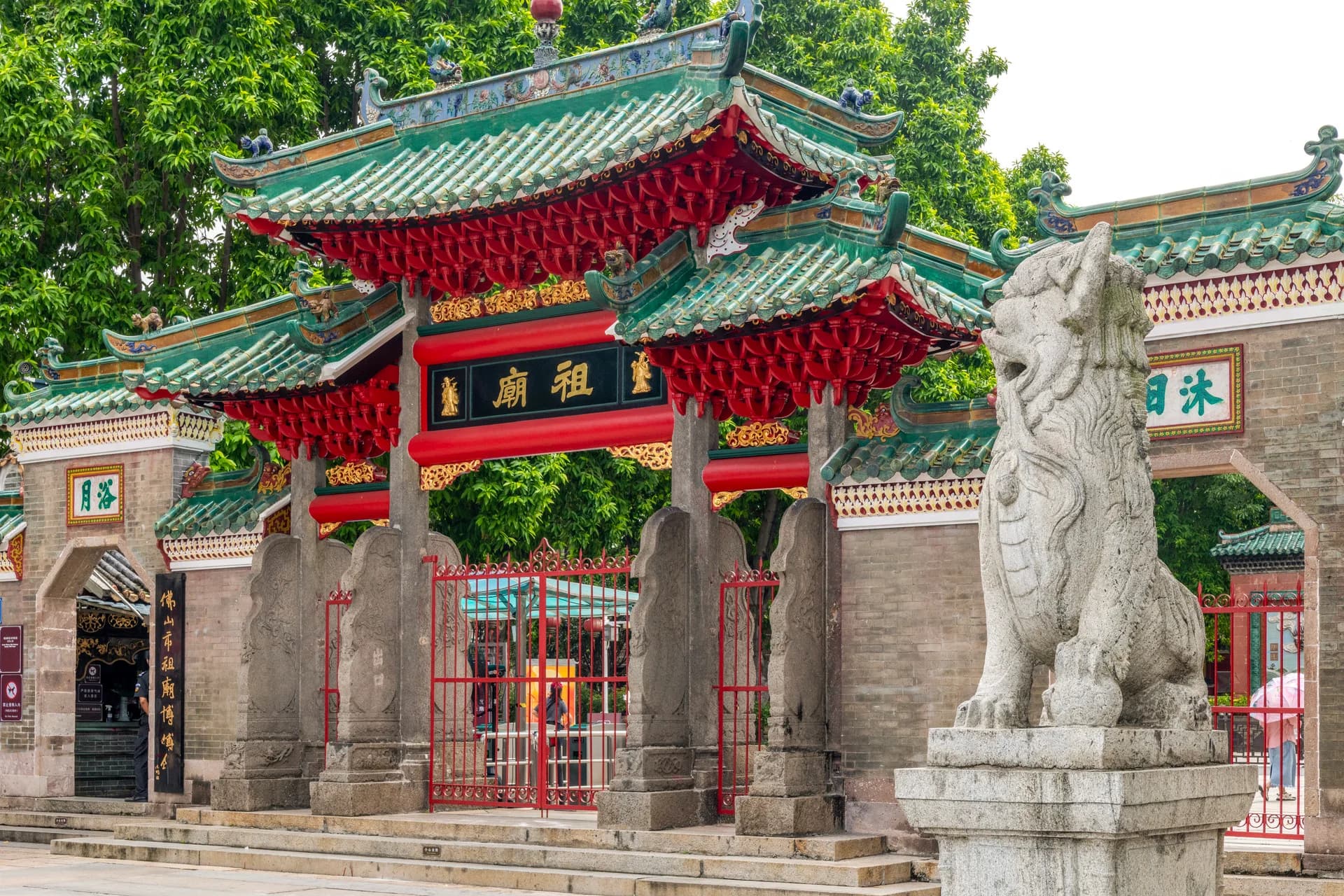
Foshan is an easy addition to a southern China itinerary, especially for travelers staying in Guangzhou who want a more local look at Lingnan culture. The city is known for Foshan Ancestral Temple, lion dance and kung fu traditions, ceramics, old neighborhoods, and a food scene built around Cantonese flavors. A focused one-day visit can cover the Ancestral Temple area, a traditional neighborhood, and a relaxed meal. Add a second day for Nanfeng Ancient Kiln, creative districts, or a slower exploration of local markets. Foshan works best as a separate side trip rather than a rushed stop between airport transfers. The city is connected to the wider Pearl River Delta, but travel times vary by district. Check the exact location of each attraction before planning the route, and use current metro or rail information for the day of travel.
5 attractions to explore in Foshan

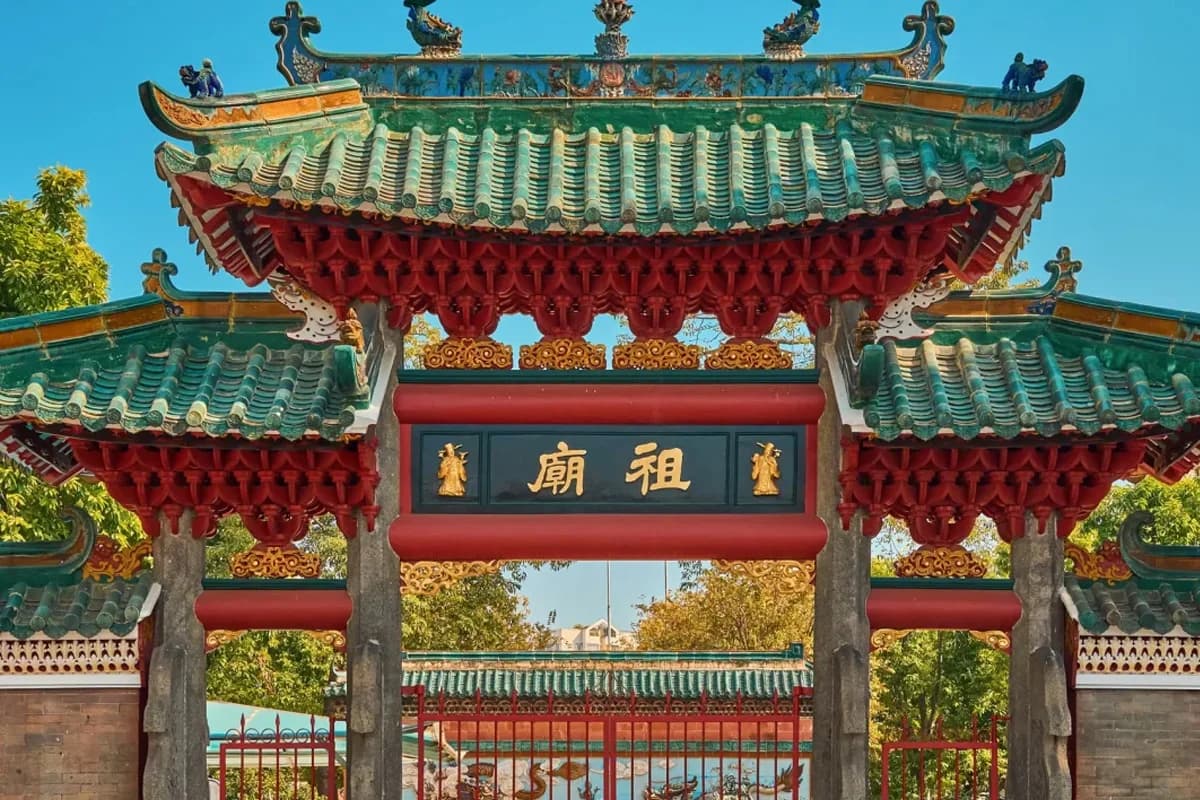
Explore the Ancestral Temple Museum with essential visitor insights, cultural highlights, and useful travel tips to help you plan a truly memorable visit.
historical
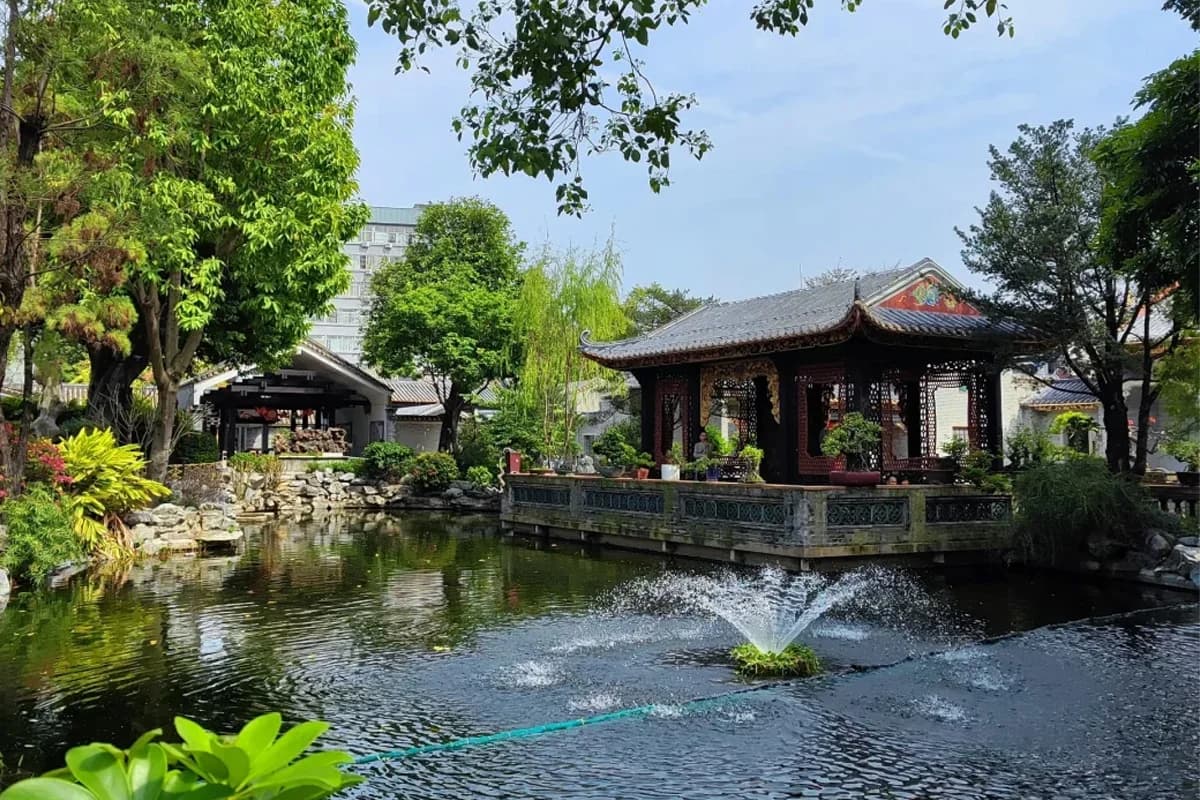
Explore Liang Garden in Foshan, a classic Lingnan garden known for elegant architecture, ponds, and culture. Discover highlights and travel tips easily.
historical
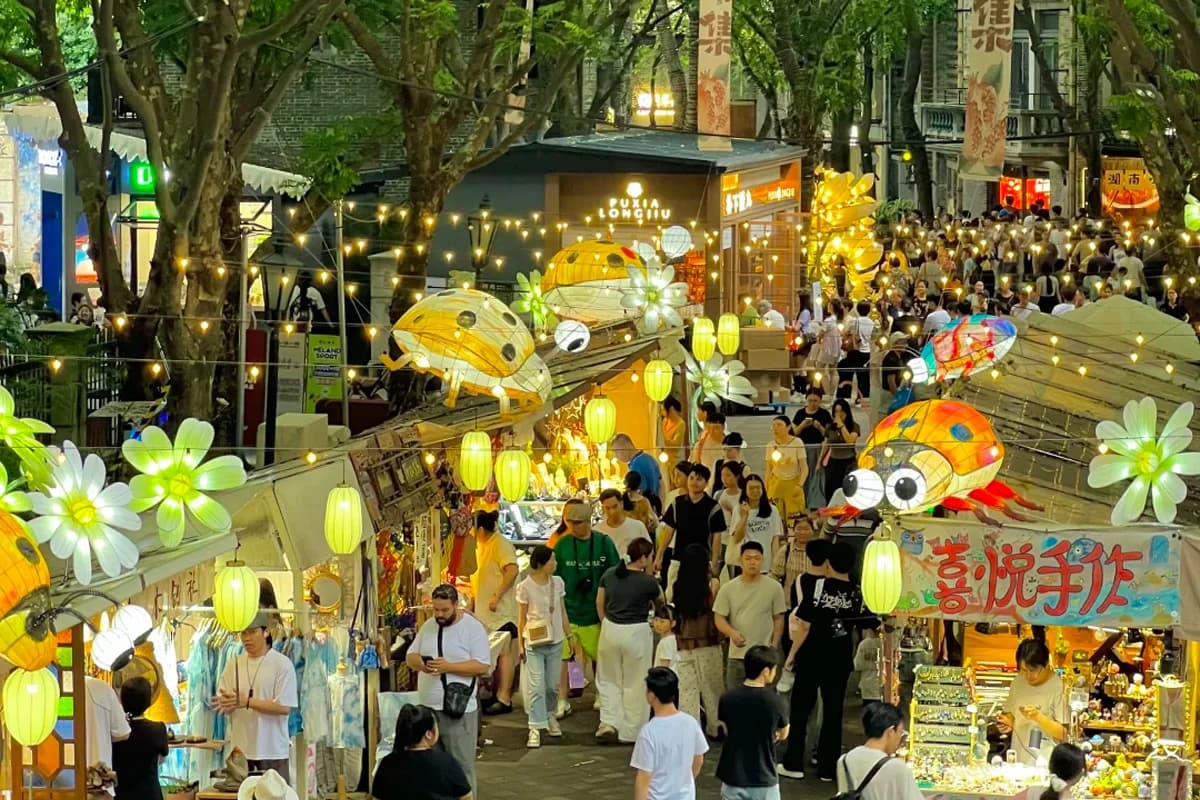
Discover Lingnan Tiandi in Foshan, a stylish heritage district with restored Lingnan architecture, boutiques, cafes, and local culture. Learn more today.
cultural
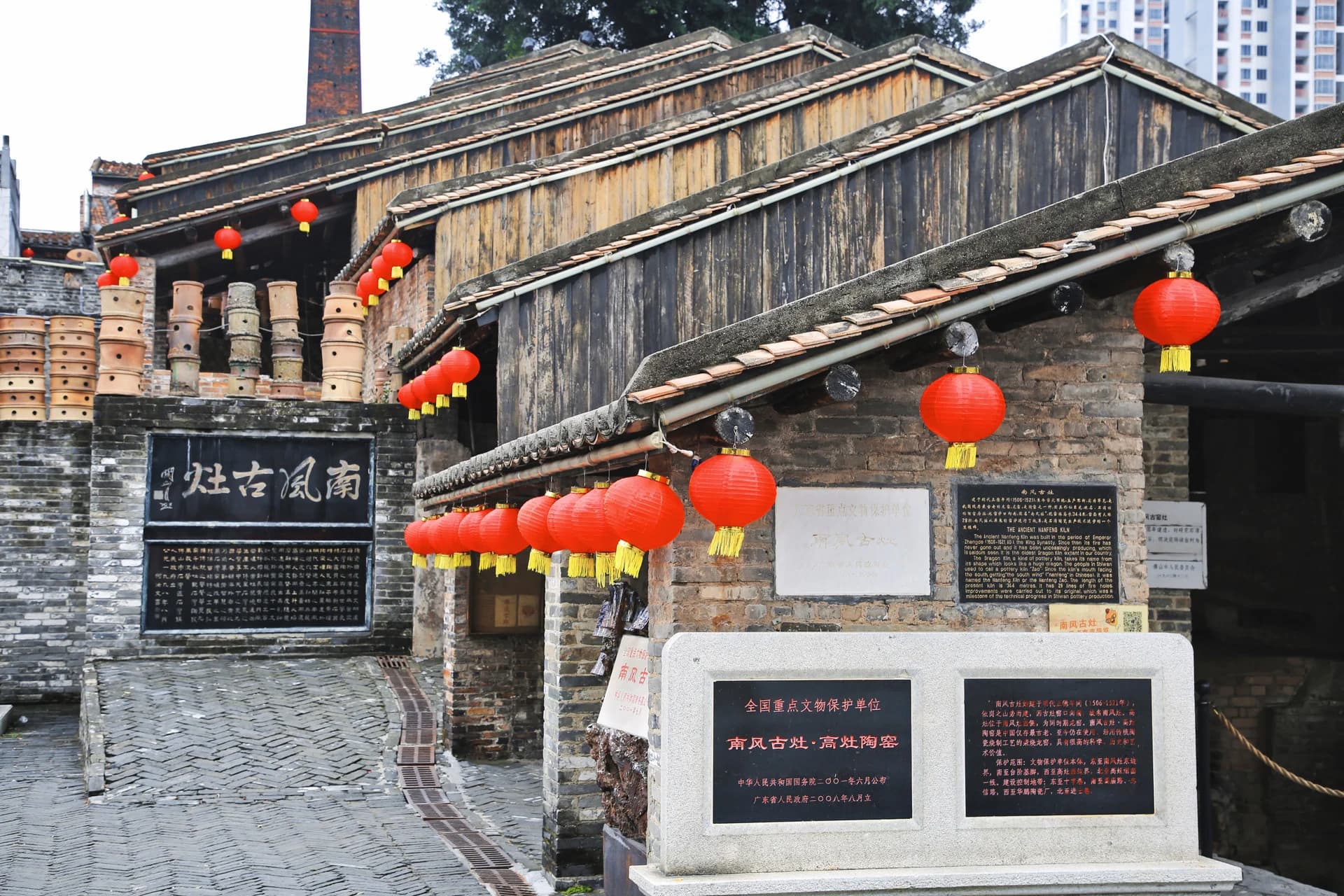
Discover Nanfeng Ancient Kiln in Foshan, a living ceramic landmark with dragon kilns, pottery culture, and artisan history. Learn more before you go .
historical
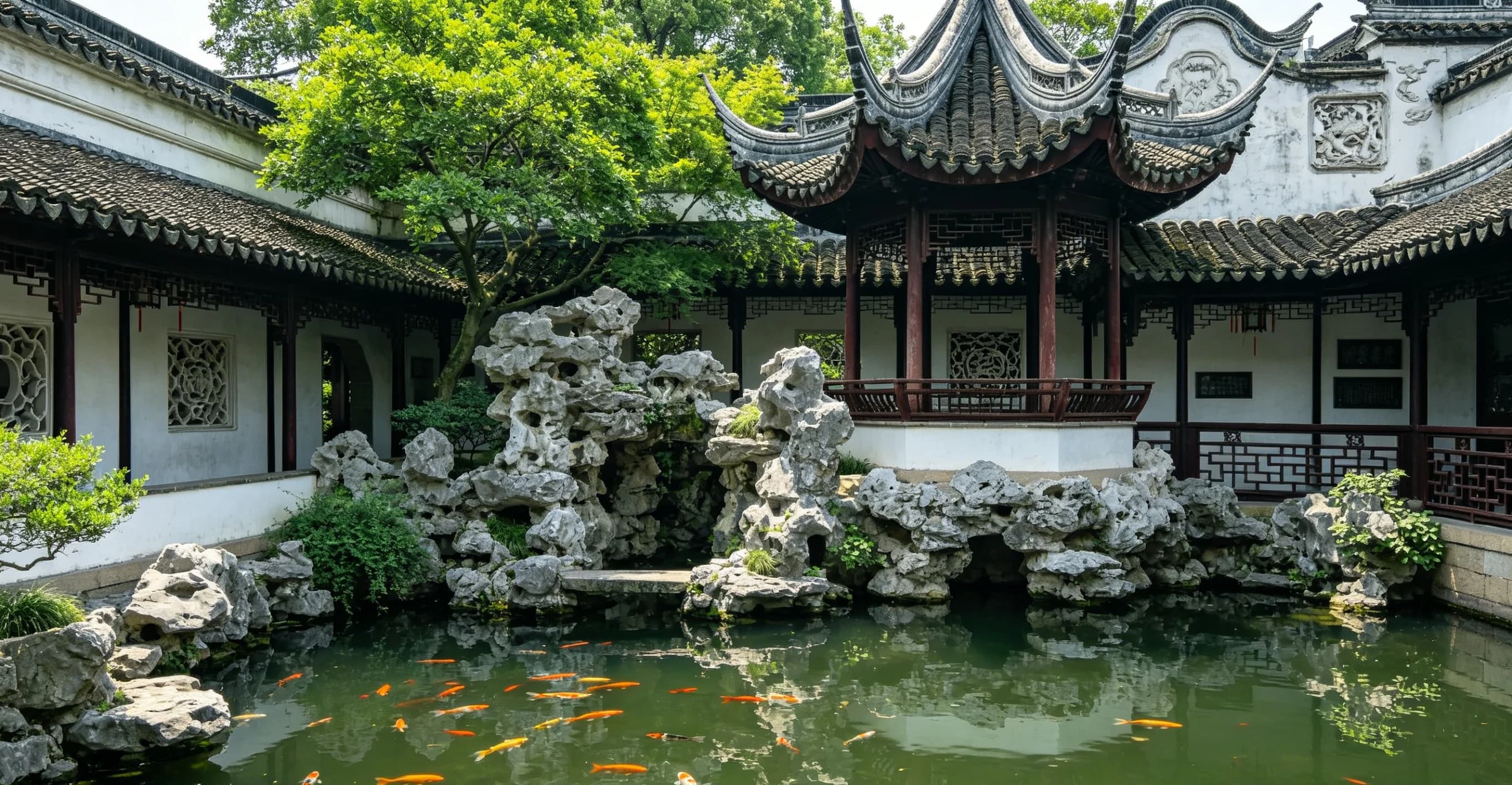
Discover Qinghui Garden, a masterpiece of Lingnan landscaping in Foshan, with elegant courtyards, ponds, and heritage halls for culture lovers. Learn more.
historicalFoshan suits travelers who want a less polished and more everyday view of the Pearl River Delta. It is particularly useful for visitors based in Guangzhou, families interested in local heritage, and travelers curious about lion dance, kung fu, ceramics, and Cantonese food. One day is enough for a first introduction if you keep the route compact. Start around Foshan Ancestral Temple, then continue to a nearby historic street or market and finish with a local meal. A second day gives you room for Nanfeng Ancient Kiln, ceramics, or a slower neighborhood walk. Do not assume every Foshan attraction sits close to the city center. Check metro stations, opening arrangements, and last-mile connections before setting the order. Foshan is easy to combine with Guangzhou, but it is better to choose one city as your base for the night rather than moving hotels for a short side trip. For a more local experience, spend time away from the busiest commercial blocks. Look for morning food stalls, small tea shops, and streets where workshops or family businesses are still visible. Respect private spaces and ask before photographing people at work. Confirm current attraction hours, temporary closures, and transport routes before departure because local arrangements can change.
Foshan is a good place to try Cantonese dishes, dim sum, rice rolls, double-skin milk, clay-pot rice, and local snacks. Look for morning tea restaurants and neighborhood eateries rather than relying only on large shopping malls. Order gradually when sharing because Cantonese menus can be generous. If you are new to local flavors, start with one familiar dish, a seasonal vegetable, and a small dim sum selection. Ask about portion sizes and current prices, especially in popular heritage areas. Food is one of the strongest reasons to add Foshan to a Guangzhou itinerary, but the best restaurants may be busiest at breakfast and lunch. Arrive early or be prepared to wait.
Foshan is part of the Pearl River Delta urban network and can be reached from Guangzhou by metro, intercity rail, taxi, or ride-hailing. The fastest option depends on your starting district and the attraction you want to visit. Choose the destination first, then check the nearest station and last-mile route. Foshan Ancestral Temple and Nanfeng Ancient Kiln are not the same stop, so trying to visit several districts in a short morning can create unnecessary travel. Metro travel is usually predictable, while taxis are useful for short connections from stations or for groups. Keep the Chinese name and address of the attraction available for drivers. Check current service hours before an early-morning or late-evening transfer.
Yes, 2 days is the best first trip length for most travelers. Use 1 day for Chancheng's Ancestral Temple, Lingnan Tiandi, and possibly Nanfeng Ancient Kiln, then 1 day for either Shunde food and Qinghui Garden or Xiqiao Mountain. If food is a major reason for visiting, 3 days is better because Shunde easily fills a full day.
A day trip from Guangzhou works if you only want the Ancestral Temple and Lingnan Tiandi. Stay overnight in Foshan if you plan to eat in Shunde, explore ceramics in Shiwan, or want relaxed evenings around Zumiao without watching the last train back. Hotel value is often better in central Foshan than in central Guangzhou for the same budget.
The simplest option is a taxi or Didi, which usually takes 60-90 minutes to Chancheng and costs about ¥180-260 depending on traffic and exact destination. Public transport is cheaper but slower, often requiring a combination of metro and intercity transfer. If you land late, a direct car is usually worth the extra cost.
Yes, especially if your priority is food. Shunde gives Foshan much of its culinary reputation, and a proper day there can include Qinghui Garden, Huagai Road, double-skin milk shops, roast goose, and fish restaurants. If you skip Shunde, Foshan still works culturally, but it becomes a shorter 1-2 day destination.
You can, but it will feel rushed. Xiqiao Mountain alone needs 6-8 hours once you include transport, entry, shuttle movement inside the scenic area, and walking time. If you only have one day, stay in central Chancheng; if you have two or more days, give Xiqiao its own day.
Book near Zumiao or Lingnan Tiandi in Chancheng District. That puts you close to the most useful first-day sights, walkable evening dining, and better metro access. Outer-district business hotels can be cheaper, but they often add 30-60 minutes of transport each way.
Monthly climate overview for Foshan
Best time to visit
October to April is usually comfortable for walking, while late spring and summer are warmer, more humid, and wetter. Check the forecast before planning long outdoor walks.
Need help planning your Foshan itinerary? Get personalized travel advice from our team.
Contact Us