
historicalChongqing
Baiheliang Underwater Museum
Baiheliang Underwater Museum is a historical attraction in Chongqing known for preserving a 1,200-year-old riverbed inscription site beneath the Yangtze. Located in Fuling District, it protects the famous Baiheliang, a natural stone ridge engraved with hydrological marks, poems, fish carvings, and calligraphy from the Tang Dynasty onward, especially from AD 763. The site is often called an ancient “hydrological station” because officials used the exposed rock to record low-water levels and agricultural conditions.
Opening Hours
9:00 AM - 5:00 PM (Closed on Mondays)
Ticket Price
Tickets: ¥50
Location
No. 388, Baiheliang Avenue, Fuling District, Chongqing
Overview
The Baiheliang Underwater Museum, located in the Yangtze River in Fuling, Chongqing, is the world's first underwater archaeological site museum accessible without diving, and is hailed as the "world's first ancient hydrological station." The museum preserves 165 inscriptions dating back to the Tang Dynasty and 18 stone fish, which can be viewed directly through 23 observation windows in the underwater corridor. A visit of 2 hours is recommended. The best seasons are spring and autumn (when the weather is mild), avoiding the peak of summer. It is suggested to first visit the surface exhibition hall to learn about the history, and then take the escalator down to the underwater viewing area.
How to Get There
From downtown Chongqing, the most convenient way is to take a high-speed train to Fuling North Station (approximately 40 minutes, ticket price around 27 yuan). After exiting the station, transfer to Fuling Bus Route 119 and get off at "Baiheliang Station". Alternatively, you can take a bus from Hongqihegou Bus Station to Fuling, then transfer to bus routes 113, 302, or 307. Suggested itinerary: First, visit the ground-level exhibition hall (second-floor exhibition hall for historical and cultural information), then take the 91-meter-long escalator to the underwater circular corridor to admire the inscriptions through the observation windows, and finally experience cultural and creative rubbings.
What to Expect
The museum is well-equipped, with restrooms and a gift shop where you can purchase souvenirs and experience stone fish rubbing (approximately 10 yuan per piece). Free guided tours are available (approximately 20 people per group), and luggage can be temporarily stored in the lobby.
Practical Tips
- 1Plan 1.5-2 hours for the visit, and go in the morning for a quieter viewing corridor and better visibility through the underwater windows.
- 2Use Gaode Maps or Baidu Maps rather than Google Maps in China — search for "白鹤梁水下博物馆" for the most accurate route.
- 3The underwater temperature is around 18℃ year-round; a wetsuit is recommended in summer; wear non-slip shoes.
- 4Flashlights are prohibited underwater: to protect artifacts and avoid glare from portholes.
Share This Attraction
Found this helpful? Share it with fellow travelers!
More in Chongqing
Explore Chongqing
Discover more attractions, food, and travel tips for Chongqing.
View destination
More Attractions to Explore
Chongqing·historical
Dazu Rock Carvings
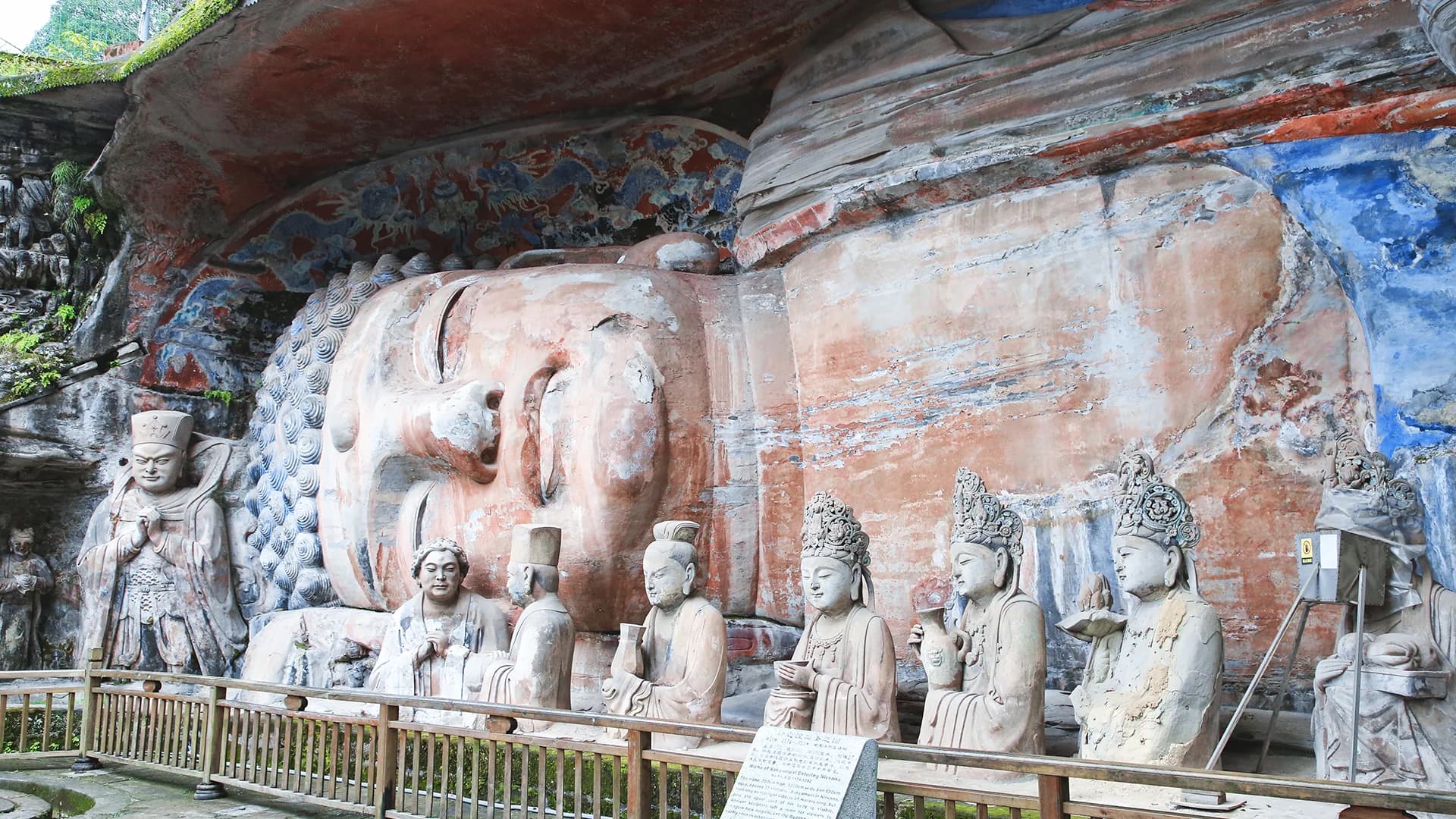
This UNESCO World Heritage Site comprises over 50,000 Buddhist, Confucian and Taoist sculptures carved between the 9th and 13th centuries. The most famous site, Baodingshan, features a 31-meter reclining Buddha and the remarkable Thousand-Hand Guanyin with 830 golden arms. The carvings represent the peak of Chinese grotto art and offer insights into religious life during the Tang and Song dynasties.
Chongqing·historical
Yangtze River Cableway
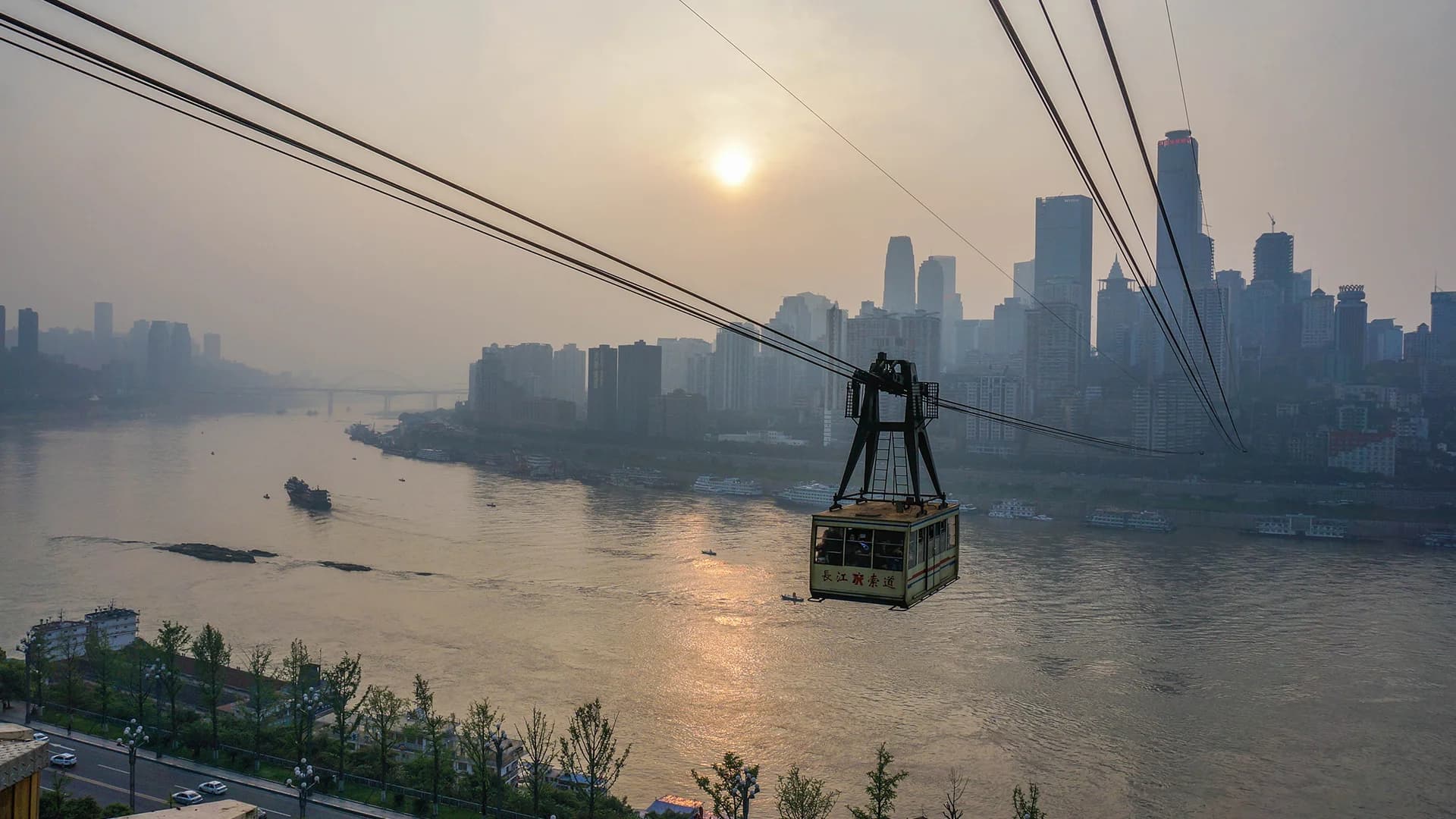
The Yangtze River Cableway is a historical landmark in Chongqing, famous for its elevated cableway that carries passengers across the Yangtze River. It is considered one of China's most iconic urban cableways. For tourists, the journey, though short, is unforgettable, offering breathtaking views of the Yuzhong Peninsula, the ships passing by on the river, and the layered skyline that made old Chongqing famous.
Chongqing·historical
Hongyadong
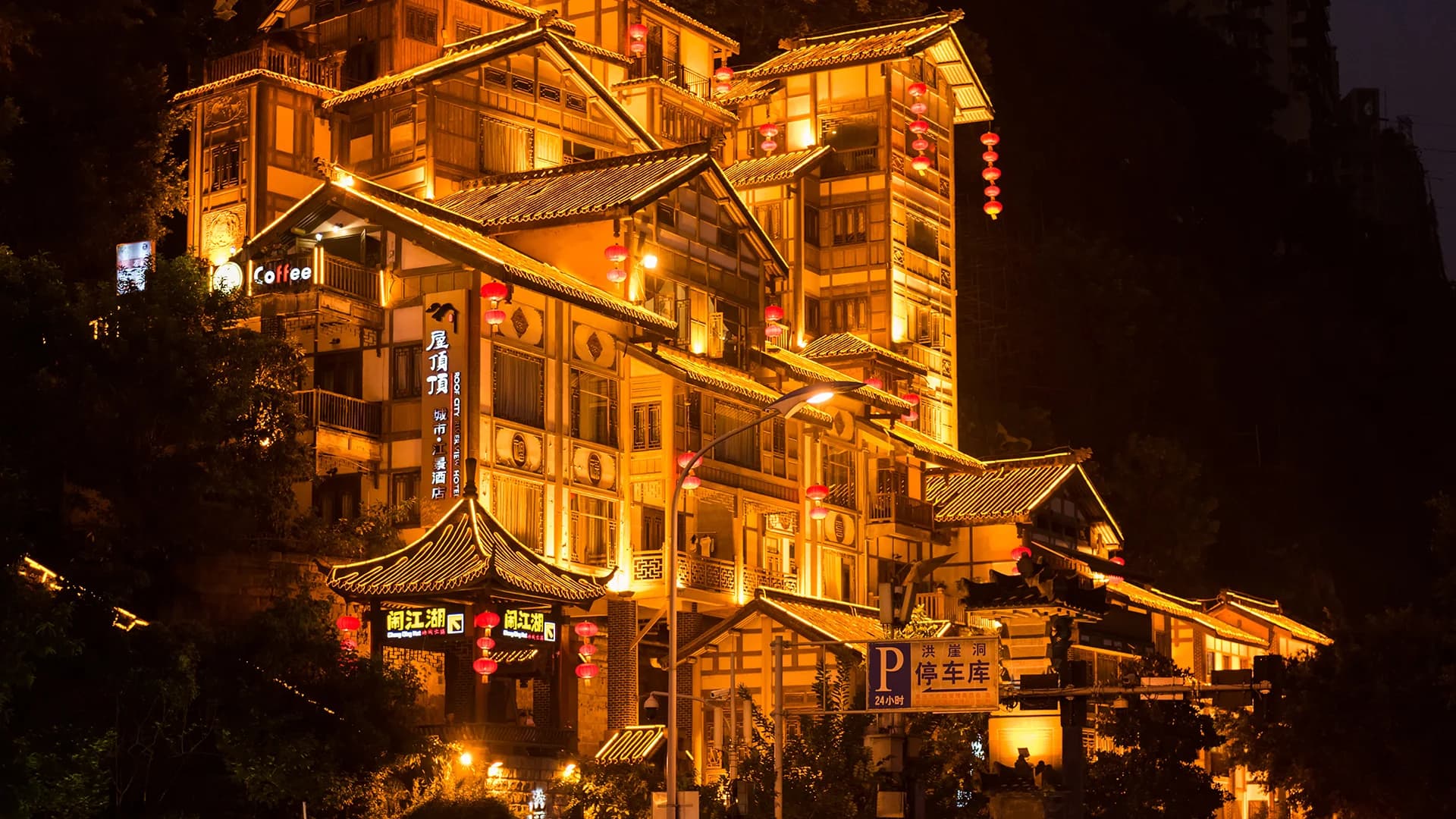
Hongyadong is a historical site in Chongqing, renowned for its unique riverside stilted buildings, dazzling night views, and close connection to the ancient Bayu culture. The complex is built around the historic Hongyamen, one of Chongqing's ancient city gates. Rather than a museum-like exhibition, Hongyadong is more about its atmosphere: layered alleyways, local snacks, river views, and architecture inspired by Chongqing's cliffside city history.