Overview
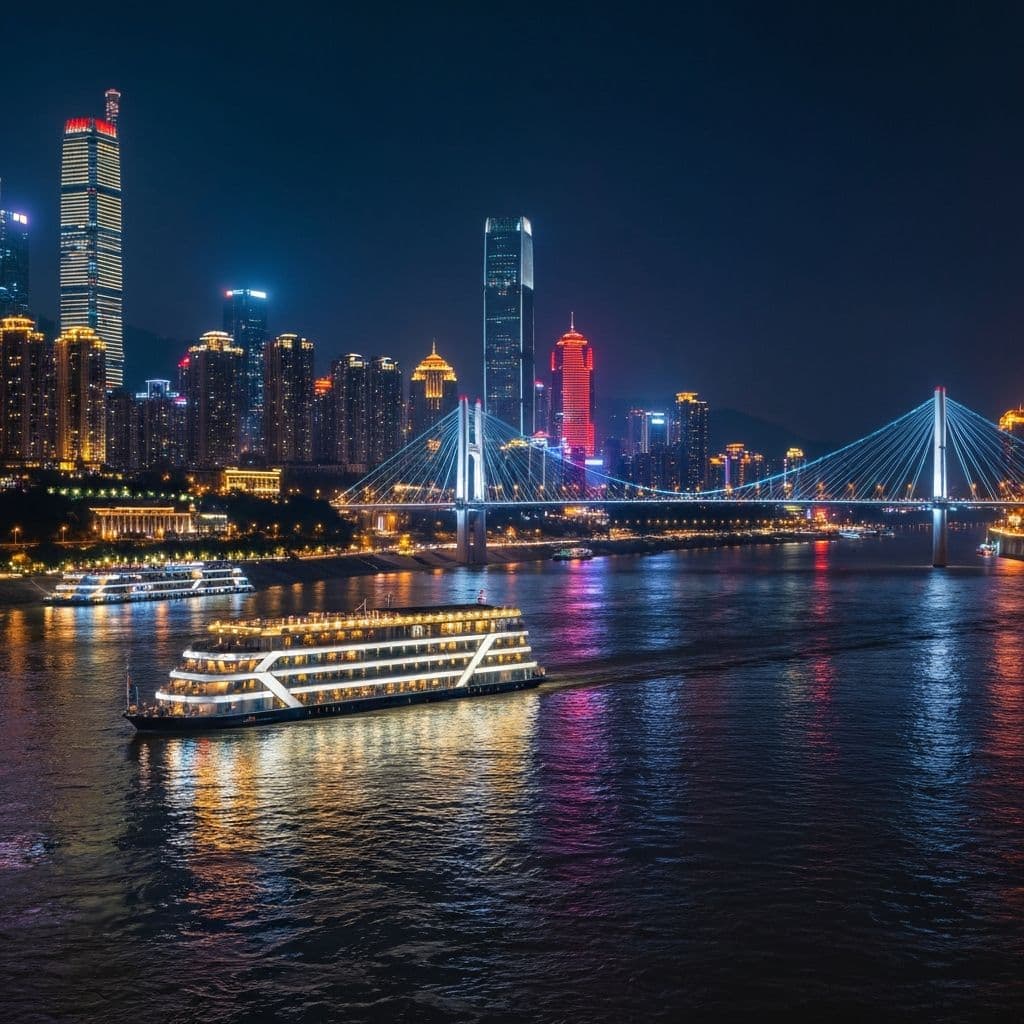
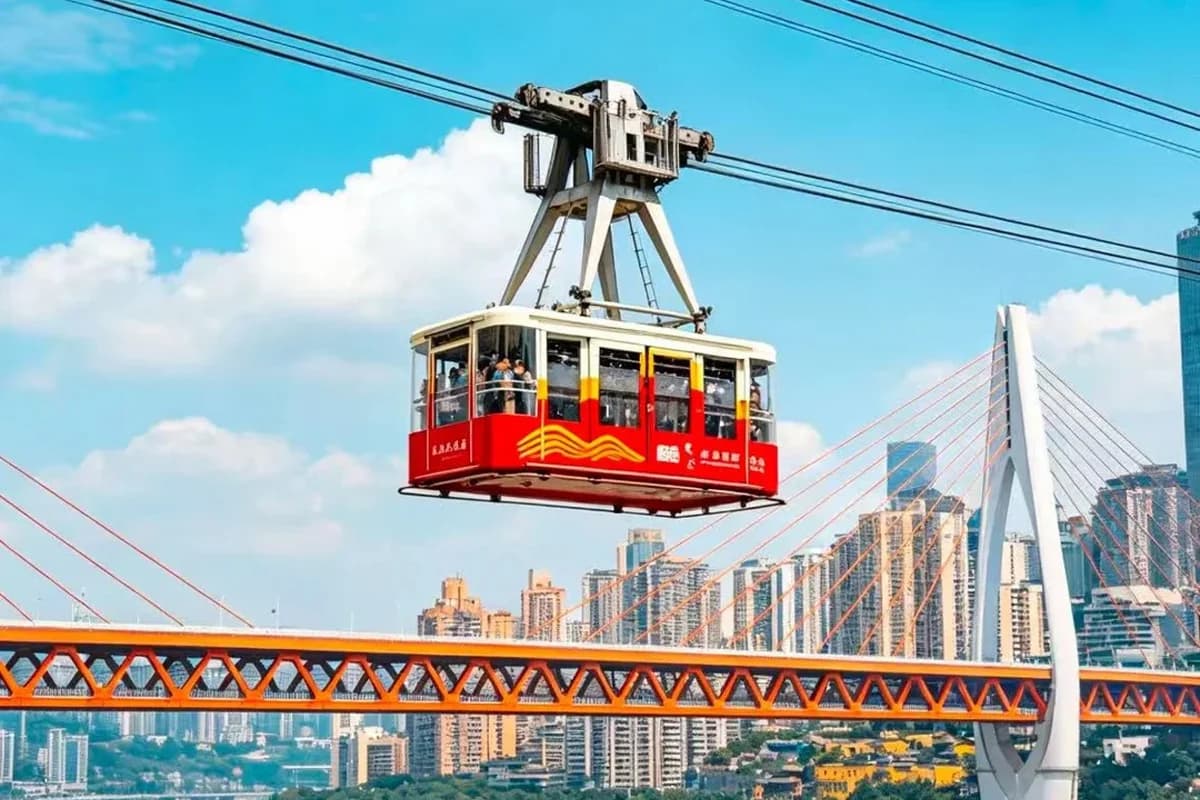
The Chongqing Yangtze River Cableway, hailed as the "First Aerial Corridor of the Yangtze River" and the "Aerial Bus," offers a one-way journey of approximately 4 minutes, allowing you to soar over the Yangtze while enjoying panoramic views of the city's magical, three-dimensional landscape. The best time to visit is between 5 PM and 7 PM, allowing you to appreciate both the daytime scenery and the dazzling nighttime vistas.
It is recommended to purchase a one-way ticket, choosing the route from Yuzhong District (Jiefangbei) towards Nan'an District. Remember to buy your ticket and reserve a number in advance through the official WeChat account to save time queuing on-site. Once inside the cableway, try to secure a window seat for the best view.
How to Get There
The Yangtze River Cableway has two stations, both easily accessible. The North Station is located at 151 Xinhua Road, Yuzhong District. Take Metro Line 1 or 6 to Xiaoshizi Station, exit from Exit 5B, and walk approximately 30 meters. It's close to Jiefangbei and Hongyadong. The South Station is located on Shangxin Street, Nan'an District. Take Metro Line 6 to Shangxin Street Station, exit from Exit 2, and walk from there.
A classic route is to start from the busier North Station, ride the cableway one way to the South Station, and then visit Longmenhao Old Street. Alternatively, you can reverse the route, boarding from the less crowded South Station for a more comfortable ride.
What to Expect
The facilities within the scenic area are relatively complete, but be prepared to walk and queue. Both stations have restrooms and souvenir shops. The North Station Visitor Center also offers wheelchair, stroller, and rain gear rental services for visitors with special needs. Please note that there are usually stairs and pedestrian walkways inside the station and at the entrance, and queues can be long during holidays. The train carriages can be quite crowded, so it is recommended to wear comfortable shoes and keep your personal belongings safe.
Practical Tips
- Use the Xinhua Road station near Jiefangbei for the easiest sightseeing route, and arrive before 09:00 or after 20:00 to avoid the heaviest lines.
- Choose a clear spring or autumn day for better skyline photos — summer humidity and winter fog can reduce visibility over the Yangtze.
- The south gate has less foot traffic than the north gate.