west China
Chongqing
The Mountain City of fog and flavor.
Best time: March to May, September to November
3 days suggested
5 highlights
Why Visit Chongqing
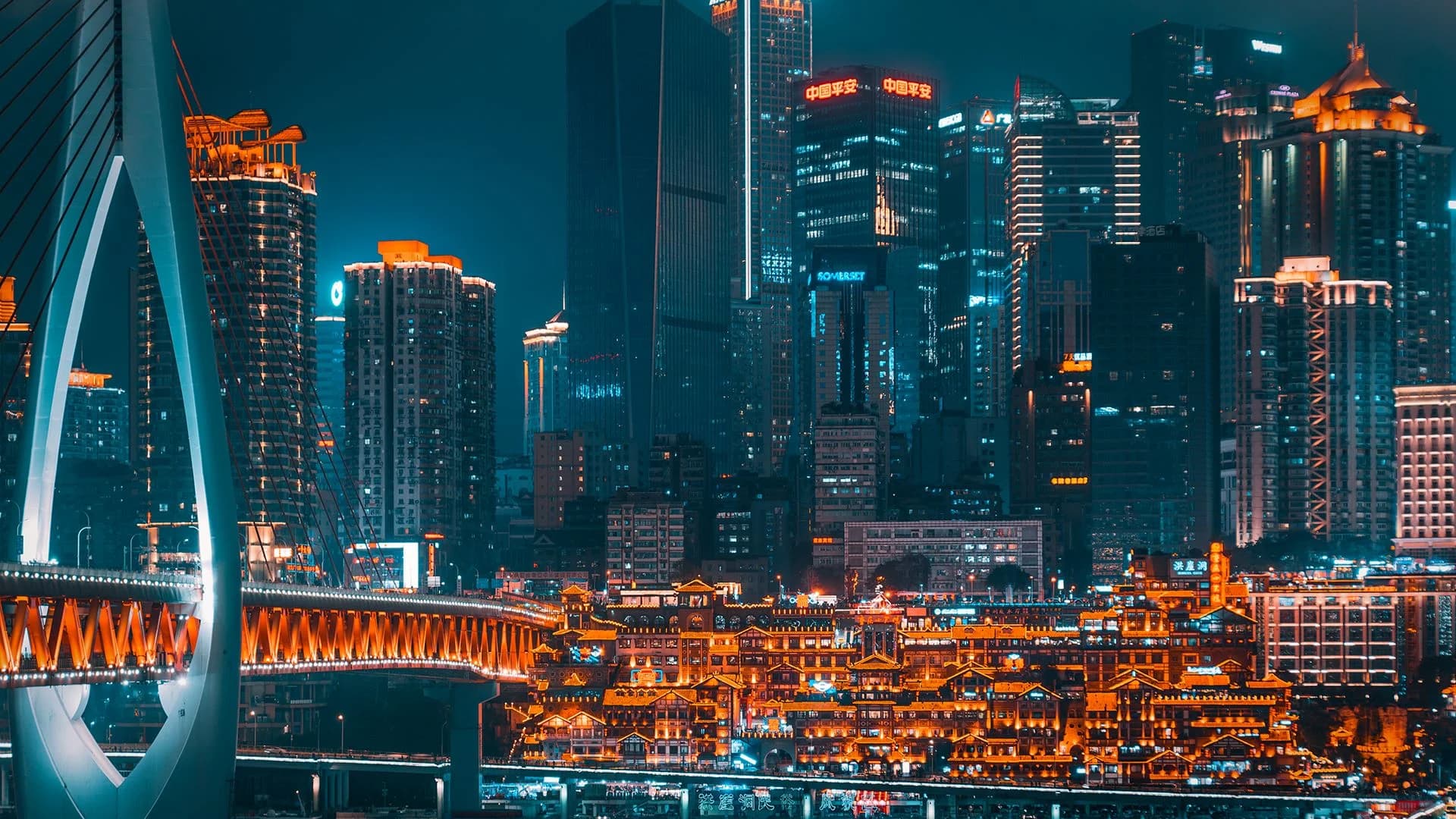
Chongqing is a sprawling metropolis in Southwest China, defined by its dramatic topography. Situated at the confluence of the Yangtze and Jialing rivers, this 'Mountain City' is built on steep hillsides, creating a unique urban landscape where trains pass through residential apartment blocks and skyscrapers rise directly from the riverbanks. The city offers a striking blend of natural scenery and futuristic architecture. Visitors flock to Hongya Cave at night to see the glowing stilt-house complex that resembles a traditional village stacked against the cliff face. A cruise along the Yangtze River provides a different perspective, showcasing the city’s skyline and the nearby Three Gorges. Chongqing is also the birthplace of the famous Sichuan hotpot. The local cuisine is renowned for its intense heat and numbing peppercorns, best enjoyed in the bustling street markets or historic districts like Ciqikou. Beyond the food and lights, the city holds significant historical depth as the wartime capital during World War II.
Top Highlights
Spicy Sichuan hotpot cuisine
Hongya Cave stilt-house architecture
Liziba monorail through apartment building
Yangtze River cableway and night cruises
Historic Ciqikou Ancient Town
Must-See Attractions
18 attractions to explore in Chongqing
816 Nuclear Engineering Strategy
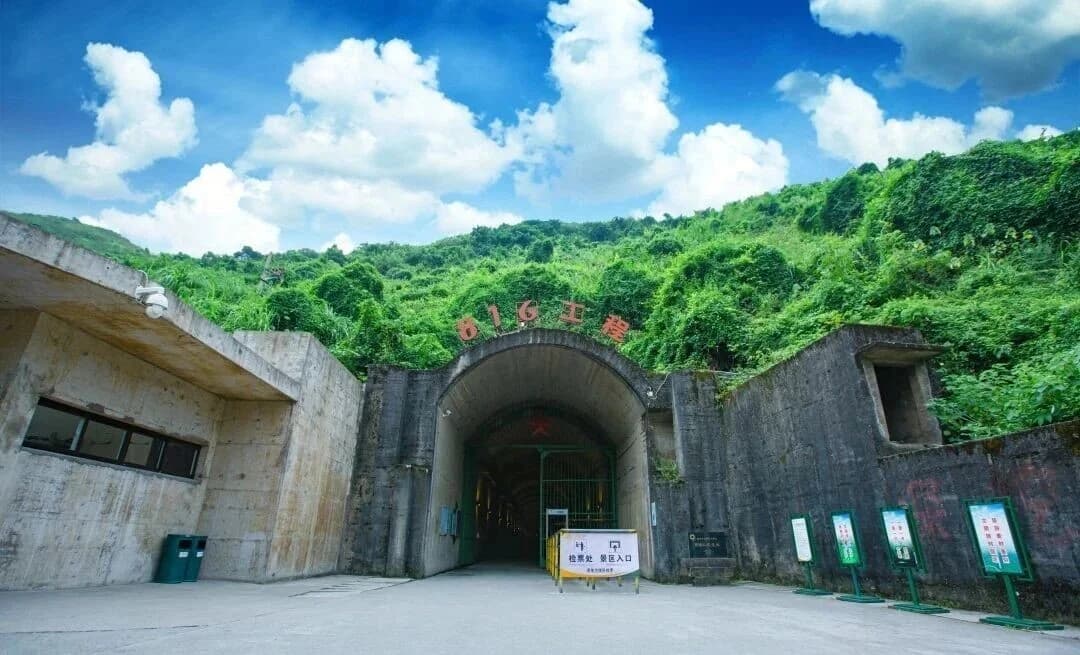
The Chongqing 816 Nuclear Power Plant Strategic Base is a famous historical site in Chongqing, renowned for its massive underground military-industrial complex excavated into the mountains of Fuling. It offers a unique opportunity to glimpse China's modern defense history, with visitors able to admire the enormous tunnels, conference halls, and the grand scale of strategic planning from the late 20th century.This is a good choice for tourists interested in modern history rather than traditional temples or dynastic ruins.
historical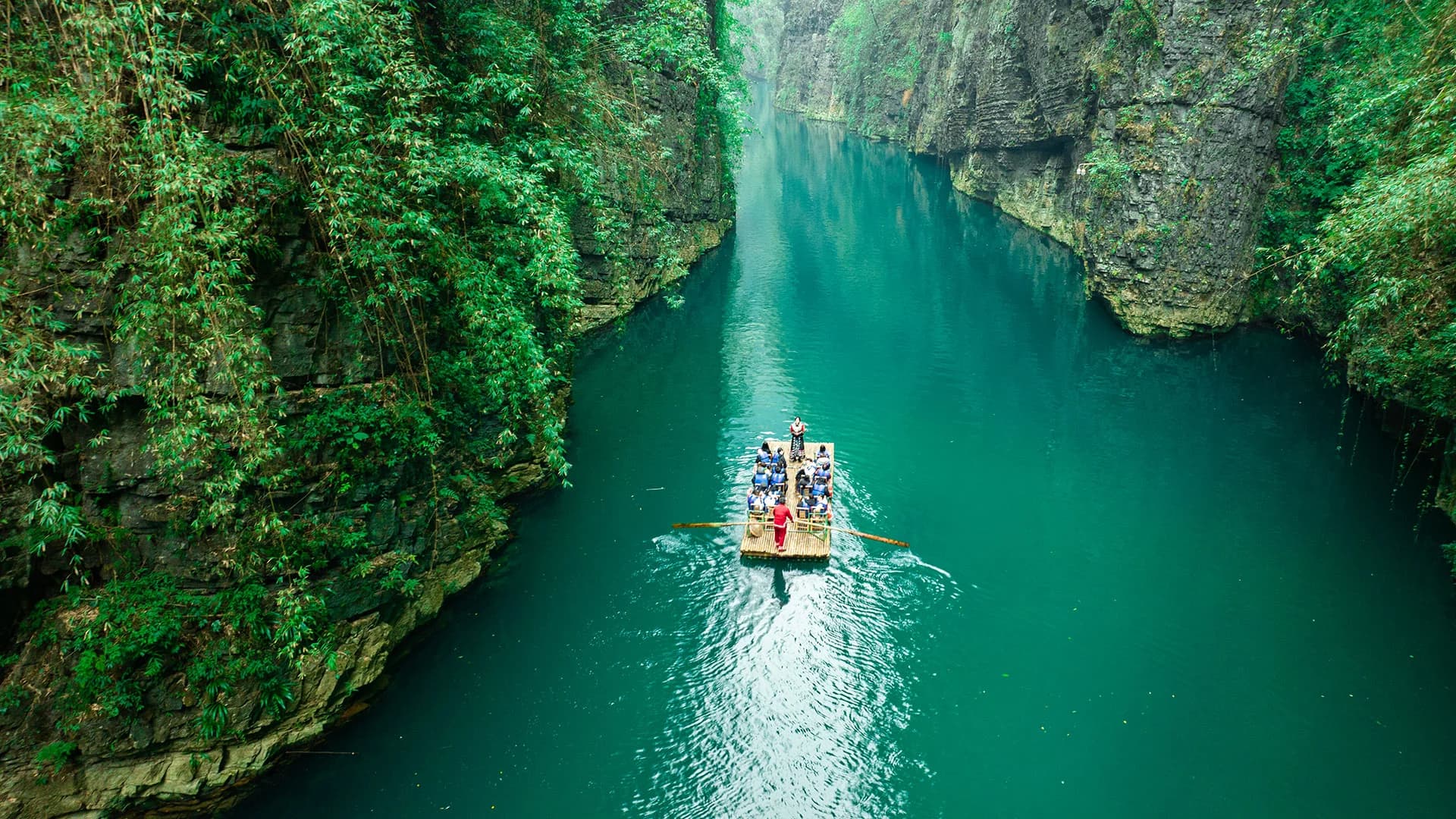
Ayishui Scenic Area
Ayishui Scenic Area, located in Pengshui County, Chongqing, is renowned for its emerald green canyon waters, karst landforms, and rich Miao culture. For most international tourists, it's a river valley sightseeing area that combines boardwalk walking, boat tours, and seasonal rafting.
natural
Baiheliang Underwater Museum
Baiheliang Underwater Museum is a historical attraction in Chongqing known for preserving a 1,200-year-old riverbed inscription site beneath the Yangtze. Located in Fuling District, it protects the famous Baiheliang, a natural stone ridge engraved with hydrological marks, poems, fish carvings, and calligraphy from the Tang Dynasty onward, especially from AD 763. The site is often called an ancient “hydrological station” because officials used the exposed rock to record low-water levels and agricultural conditions.
historical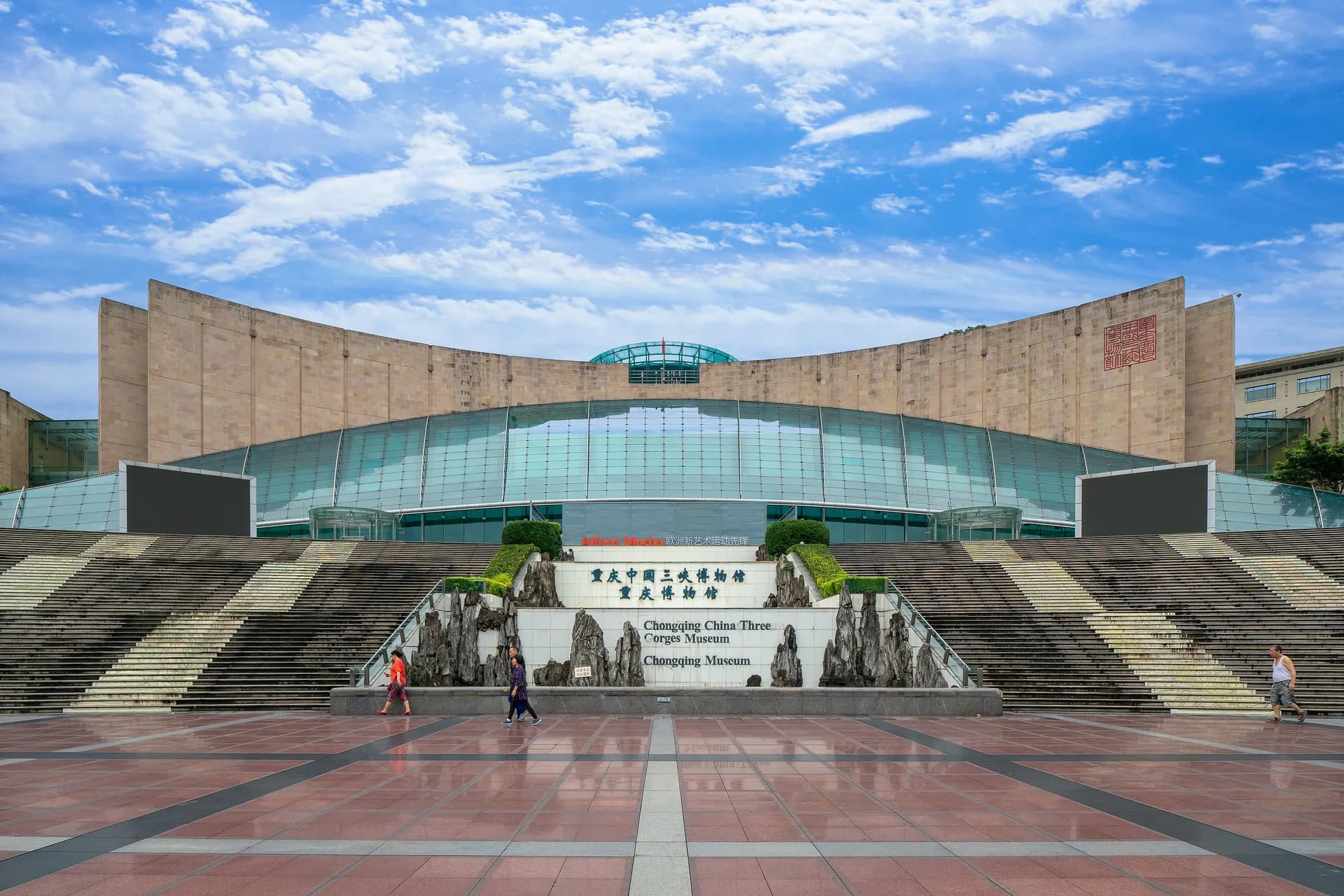
China Three Gorges Museum
The China Three Gorges Museum is a cultural attraction in Chongqing, renowned for its exploration of the Yangtze River, the Three Gorges Project, and the rich history of the Bayu culture in Southwest China. Its collection connects ancient regional history with modern changes, showcasing artifacts from the Qin and Han dynasties, items from the construction of the Three Gorges Dam, and accounts of migrations along the river in the late 20th and early 21st centuries.
cultural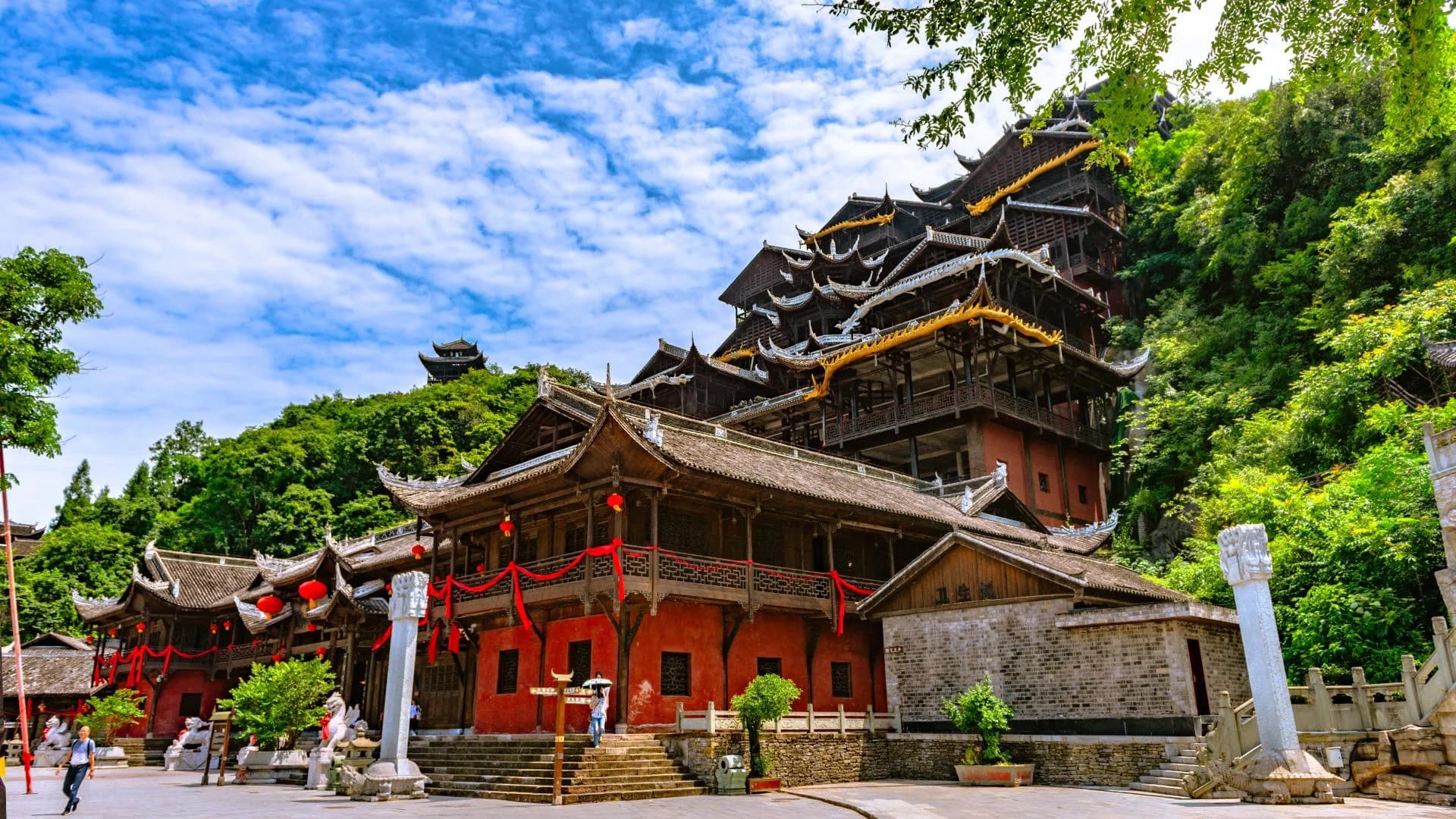
Chiyou Jiuli City
Chiyou Jiuli City is a cultural attraction in Chongqing, renowned for its magnificent Miao-style city gates, sacrificial architecture, and performances related to the legendary ancestor Chiyou. Located in Pengshui Miao and Tujia Autonomous County, it is one of the most famous Miao cultural experience destinations in Southwest China. The site blends Miao cultural traditions with the long history of the Wuling Mountains.
culturalTrip Planning Guide
Chongqing is a perfect destination for "city experiential travel." For many overseas tourists visiting China for the first time, Chongqing's biggest attraction is not just Hongyadong, the night view, or hot pot, but the city's three-dimensionality and vibrant atmosphere. Who should visit Chongqing? Chongqing is especially suitable for the following types of travelers: Those who enjoy the city's atmosphere and night views: Chongqing's night views, river views, and three-dimensional urban space are highly distinctive. Food travelers: Hot pot, Chongqing noodles, skewers, local cuisine, and late-night snack culture are all very popular. Photography and content creation enthusiasts: Hongyadong, the light rail, bridges, ramps, and the night views of the two rivers are all perfect for taking photos. First-time visitors to Southwest China: Like Chengdu, Chongqing is a great entry point to understanding the culture of southwestern cities. Travelers who prefer to "explore the city" rather than just "see the sights": Chongqing is best experienced by walking around, observing, and tasting at the same time. How many days should I spend in Chongqing? Here's a suggested itinerary for different types of tourists: 2 days 1 night: Suitable for quick sightseeing, including Hongyadong, Jiefangbei, night views of the two rivers, and a hot pot meal. 3 days 2 nights: The most recommended itinerary for first-time visitors to Chongqing. It allows for classic night views, city walking tours, old streets, and culinary experiences. 4 days 3 nights or more: Suitable for adding short trips to surrounding areas, such as Wulong, Nanchuan, or more comprehensive mountain and nature routes. How to group Chongqing's main areas? When planning your Chongqing trip, it's recommended to understand it by city districts, which is more efficient than simply listing attractions. 1. Yuzhong Peninsula Classic Area Suitable for: Jiefangbei, Hongyadong, Yangtze River Cableway, Shibatidi This is the core area of Chongqing for first-time visitors and the place to quickly establish your "mountain city impression." Ideal for daytime walking and nighttime light viewing. 2. Nan'an Night Scene Area Suitable for: Nanshan Yikeshu Viewing Platform, Danzishi Old Street, Nanbin Road If you value night views and panoramic city views, this area is highly recommended for evening and nighttime visits. 3. Urban Life and Culture Area Suitable for: Liziba, Eling No. 2 Factory, Mountain City Trail, Old Community Streets This area is more suitable for those who appreciate urban details, street photography, and content creation, and offers a glimpse into Chongqing's everyday life. 4. Food and Nightlife Area Suitable for: Bayi Road, Guanyinqiao, Community Hot Pot Streets Chongqing isn't just a city supported by attractions; often, "where to eat at night" is part of the itinerary itself. What places can Chongqing be combined with? If you want to create a multi-stop itinerary around Chongqing, consider: Chongqing + Chengdu: The classic Southwest China twin-city combination, suitable for first-time visitors to Southwest China. Chongqing + Wulong: Suitable for 4 days or more, adding natural scenery and karst landforms. Chongqing + Guiyang / Chengdu / Xi'an: Suitable for longer western routes. Chongqing + Three Gorges area: Suitable for those who prefer river views and itinerary-style travel. Chongqing Itinerary Planning Suggestions: Don't underestimate the physical exertion of walking in Chongqing. What looks close on the map often involves uphill and downhill sections. It's best to separate nighttime sightseeing and hot pot dining into your peak hours; don't cram too much time into your evening and dinner schedule. Staying in the Jiefangbei/Yuzhong core area is usually more convenient, saving a lot of commuting time for first-time visitors. Don't try to cram all the "hot spots" into one day; Chongqing is better experienced by exploring different areas at a leisurely pace. If you're adding nearby destinations like Wulong, it's recommended to allocate a full day for them.
Food & Dining
Hot pot, Chongqing noodles, skewers, local Sichuan cuisine, late-night snacks, and street food together form the most distinctive travel memories of Chongqing, this mountain city. For overseas tourists, Chongqing's culinary experience is not only strongly local but also highly engaging, making it perfect for exploring the city while eating. Must-Try Foods in Chongqing 1. Chongqing Hot Pot This is the most representative dish of Chongqing. With its beef tallow broth, chili peppers, Sichuan peppercorns, and classic ingredients like tripe, duck intestines, and beef aorta, it's a must-try meal for many tourists visiting Chongqing. Where to Eat: Local hot pot restaurants are easy to find near Jiefangbei, Guanyinqiao, and old neighborhoods. The average price is about 80-180 RMB per person. For first-timers, a half-and-half pot is recommended. 2. Chongqing Noodles This is one of Chongqing's most classic everyday staple foods. It looks simple, but the chili oil, Sichuan peppercorns, savory sauce, and the texture of the noodles together create a very typical Chongqing flavor. Where to eat: Local noodle shops, breakfast stalls in residential areas, old shops in small alleys; a bowl costs about ¥10-¥20 . 3. Jianghu Cuisine This is a type of cuisine with strong local characteristics in Chongqing. It typically features heavier, more direct flavors and a more vibrant style. Suitable for tourists who want to experience "Chongqing is more than just hot pot." Where to eat: Local restaurants and well-regarded eateries in residential areas. Average price per person is approximately ¥60-¥120. Best for groups of 2 or more. 4. Hot and Sour Rice Noodles (Suanlafen) Common in Chongqing and Sichuan, but it remains a must-try snack for tourists visiting Chongqing. Where to eat: Snack streets, areas around tourist attractions, night markets. A serving costs approximately ¥10-¥20. 5. Iced Jelly / Cold Rice Cake Chinese name: Bingfen (冰粉), Lianggao (凉糕) This is a great dessert option in Chongqing to accompany hot pot; it's refreshing, helps cool you down after the spiciness, and is also perfect for summer. Where to eat: Near hot pot restaurants, in food streets, or at night markets. A serving costs approximately ¥8-18. Where is the most convenient place to eat in Chongqing? 1. Jiefangbei/Bayi Road: Suitable for first-time visitors to Chongqing. The attractions are concentrated, making it convenient to eat while sightseeing. 2. Guanyinqiao: Great for evening dining. Offers a wide variety of restaurants and a stronger sense of local life. 3. Residential Areas and Old Streets: For a more authentic Chongqing experience, the small shops around residential areas are usually more natural than those in purely touristy areas.
Getting There & Around
1. How to get to Chongqing Airport: Chongqing Jiangbei International Airport (CKG) is Chongqing's main airport, handling both international and domestic flights. The distance from the airport to the city center (Jiefangbei/Hongyadong area) is typically about 25-35 kilometers. Under normal traffic conditions, the journey takes approximately 40-60 minutes; it may take longer during peak hours. High-speed rail stations in Chongqing: Chongqing North Station: High connectivity, convenient for travel to Jiefangbei and Guanyinqiao. Chongqing West Station: Further from some popular areas of the main urban area, connecting times are usually longer. Shapingba Station: Convenient for connections to the University Town, western area, and parts of the central area. 2. How to get around the city by public transportation? Subway: Chongqing's subway is suitable for most daily commutes, especially those between districts. During peak hours, its stability is better than surface transportation. However, Chongqing's terrain is complex, and some attractions that appear close on the map are actually not easy to walk to. Taking a taxi: Suitable for point-to-point travel, evening travel, traveling with luggage, or traveling with elderly people or children. It's generally more practical than hiring a car for short distances within the city center. Traffic jams are more likely during peak hours, rainy days, and holidays, potentially lengthening waiting times and travel distances. Chartering a car: More suitable for multi-point trips, family travel, and suburban/outer routes such as Wulong and Dazu. 3. Approximate Travel Time Between Several Core Areas in Chongqing Jiangbei Airport → Jiefangbei/Hongyadong: Approximately 40-60 minutes by car; approximately 50-70 minutes by subway Chongqing North Railway Station → Jiefangbei: Approximately 25-40 minutes by car; approximately 30-45 minutes by subway Chongqing West Railway Station → Jiefangbei: Approximately 35-60 minutes by car; approximately 45-70 minutes by subway Jiefangbei → Hongyadong: Very close, but walking and going up and down hills may not be easy; a short taxi ride usually takes about 10-20 minutes Jiefangbei → Ciqikou: Approximately 30-50 minutes by car; approximately 35-55 minutes by subway Main Urban Area → Wulong: Approximately 3-4 hours by car; this is a typical day trip route more suitable for private cars/chartered vehicles Main Urban Area → Dazu Rock Carvings: Approximately 2-3 hours by car; this is also a route more suitable for a unified transportation plan for the entire journey. 4. Approximate Costs: Airport to City Center Taxi/Didi: Generally around 40-100 RMB, depending on the time of day, vehicle type, destination, and traffic conditions. Short-distance Didi rides within the city: Commonly around 15-40 RMB, potentially higher during peak hours/holidays. Subway: Generally around 2-8 RMB one way, cost-effective, but not necessarily the most physically demanding. 5. The Most Practical Considerations for Foreign Tourists * Short city trips: Prioritize the subway or Didi (ride-hailing service) * Airport transfers + lots of luggage: Private car is more convenient * Multiple destinations in one day: Private car/chartered vehicle makes it easier to control the pace * Long trips to Wulong, Dazu, etc.: A private car for the entire trip is usually easier to manage than splitting up transportation * Traveling with elderly people, children, or first-time visitors to Chongqing: Don't underestimate Chongqing's terrain and the physical exertion of transfers.
Frequently Asked Questions
Is Chongqing worth visiting for first-time travelers to China?
Yes. Chongqing is worth visiting for travelers who want a very different urban experience, dramatic skyline views, spicy food culture, river scenery, and easier access to places like Wulong and Dazu Rock Carvings.
How many days should I spend in Chongqing?
Most travelers need 2 to 4 days. Two days is enough for the main city highlights, while three or four days gives more time for day trips and a slower pace.
Do I need a private car in Chongqing?
Not always. Metro and taxis are enough for many simple city trips, but private car travel can be more useful for airport transfers, family travel, and day trips such as Wulong or Dazu.
Is Chongqing expensive for tourists?
Chongqing is usually considered more affordable than Beijing or Shanghai, especially for food, local transport, and everyday travel costs.
Is Chongqing a good base for day trips?
Yes. Chongqing is a practical base for day trips to Wulong, Dazu Rock Carvings, and some nearby scenic or cultural areas.
What is the best time to visit Chongqing?
The best time to visit Chongqing is usually spring and autumn, when temperatures are more comfortable. Summer can be very hot and humid.
Quick Info
- Region
- west China
- Best Time to Visit
- March to May, September to November
- Suggested Duration
- 3 days
Weather & Climate
Monthly climate overview for Chongqing
Jan5°–11°C22mm
Feb6°–13°C25mm
Mar9°–17°C45mm
Apr14°–22°C80mm
May18°–26°C110mm
Jun21°–29°C160mm
Jul24°–33°C190mm
Aug24°–34°C140mm
Sep20°–29°C90mm
Oct15°–26°C55mm
Nov10°–17°C30mm
Dec6°–13°C20mm
Best time to visit
March to May, September to November
Plan Your Trip
Need help planning your Chongqing itinerary? Get personalized travel advice from our team.
Contact Us