historicalChongqing
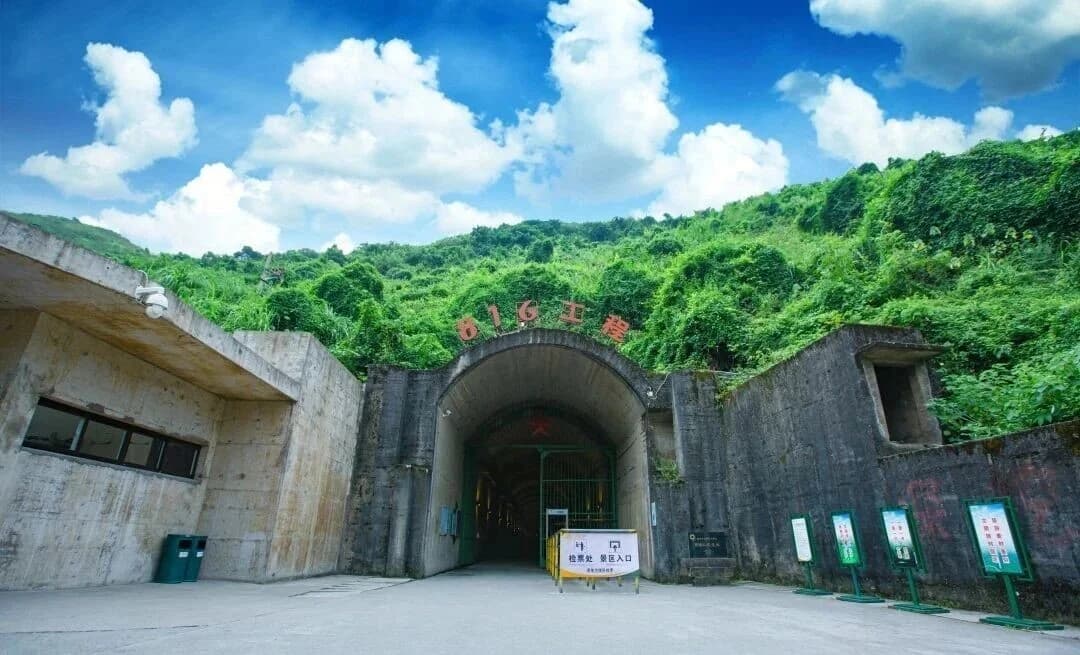
816 Nuclear Engineering Strategy
The Chongqing 816 Nuclear Power Plant Strategic Base is a famous historical site in Chongqing, renowned for its massive underground military-industrial complex excavated into the mountains of Fuling. It offers a unique opportunity to glimpse China's modern defense history, with visitors able to admire the enormous tunnels, conference halls, and the grand scale of strategic planning from the late 20th century.This is a good choice for tourists interested in modern history rather than traditional temples or dynastic ruins.
Opening Hours
9:00 AM - 5:00 PM (April - October); 9:00 AM - 4:30 PM (November - March)
Ticket Price
Tickets: ¥50 + Scenic Area Transportation: ¥15
Location
No. 26 Wuling Avenue, Baitao Street, Fuling District, Chongqing
Overview
Project 816, located in Baitao Town, Fuling District, Chongqing, is the "world's first man-made cave." Built in 1966, it was a top-secret nuclear factory, construction halted in 1984 before being declassified and opened to the public. The cave is vast and labyrinthine, containing remnants of the nuclear reactor hall and central control room, allowing visitors to experience the heroic history of the 60,000 builders. The tour takes approximately 1.5 hours and must be accompanied by a free guided tour to avoid getting lost. The best seasons are spring and autumn, when the climate is pleasant; in summer, the cave maintains a constant temperature of 18-20℃, providing respite from the heat. The cave is slippery and cold, so it is recommended to wear non-slip shoes and bring a light jacket.
How to Get There
To reach Project 816 from downtown Chongqing, the most recommended option is to take the high-speed rail to Fuling North Station. After exiting the station, take the free shuttle bus (with admission ticket) directly to the scenic area. This bus departs daily at 10:30 AM and the journey takes approximately 1.5 hours. Alternatively, you can take a direct bus from Hongqihegou Bus Station to Baitao Town, then transfer to local bus route 208. For those driving, navigate directly to "Project 816 Scenic Area B Parking Lot" along the G50 Shanghai-Chongqing Expressway. The entire journey takes approximately 1.5 hours, and parking costs only 5 yuan per day. Once inside the scenic area, you must follow a free guided tour along a fixed route (approximately 1.5 hours). Within the maze-like expanse of caves, you will explore key relics such as the nuclear reactor hall and the central control room, immersing yourself in the awe-inspiring experience of the world's largest man-made cave.
What to Expect
Expect a serious, industrial historical site with a lot of walking, stairs, and tunnel interiors rather than a polished theme-park experience. Wear comfortable shoes with good grip, and bring a light jacket because underground sections can feel cool, damp, and dim. Visitors with knee problems, limited mobility, or sensitivity to enclosed spaces should prepare carefully, as some routes involve uneven ground, steps, and long distances. Accessibility is limited compared with newer museums. Basic facilities such as restrooms are usually available near the entrance and main visitor areas, but food choices may be limited, so carrying water and a small snack is sensible. Photography is generally allowed in public visitor sections unless signs say otherwise, but flash or tripod use may be restricted in certain interior spaces. Keep your phone charged, as mobile signal can be weaker in some underground areas, and follow staff instructions closely for safety.
Practical Tips
- 1Book ahead on the official WeChat channel or major Chinese ticket platforms during weekends and public holidays — adult tickets are usually about ¥65 as of 2026.
- 2Wear non-slip walking shoes and bring a light layer; the tunnels stay cooler and damper than outside, even in summer.
- 3Use Gaode Maps or Baidu Maps and search for “816工程景区” or “816地下核工程”; English map labels can be inconsistent.
- 4Plan at least 2-3 hours on site because the complex is large, with long walking sections and many stairs.
Share This Attraction
Found this helpful? Share it with fellow travelers!
More in Chongqing

Explore Chongqing
Discover more attractions, food, and travel tips for Chongqing.
View destination
More Attractions to Explore
Chongqing·historical
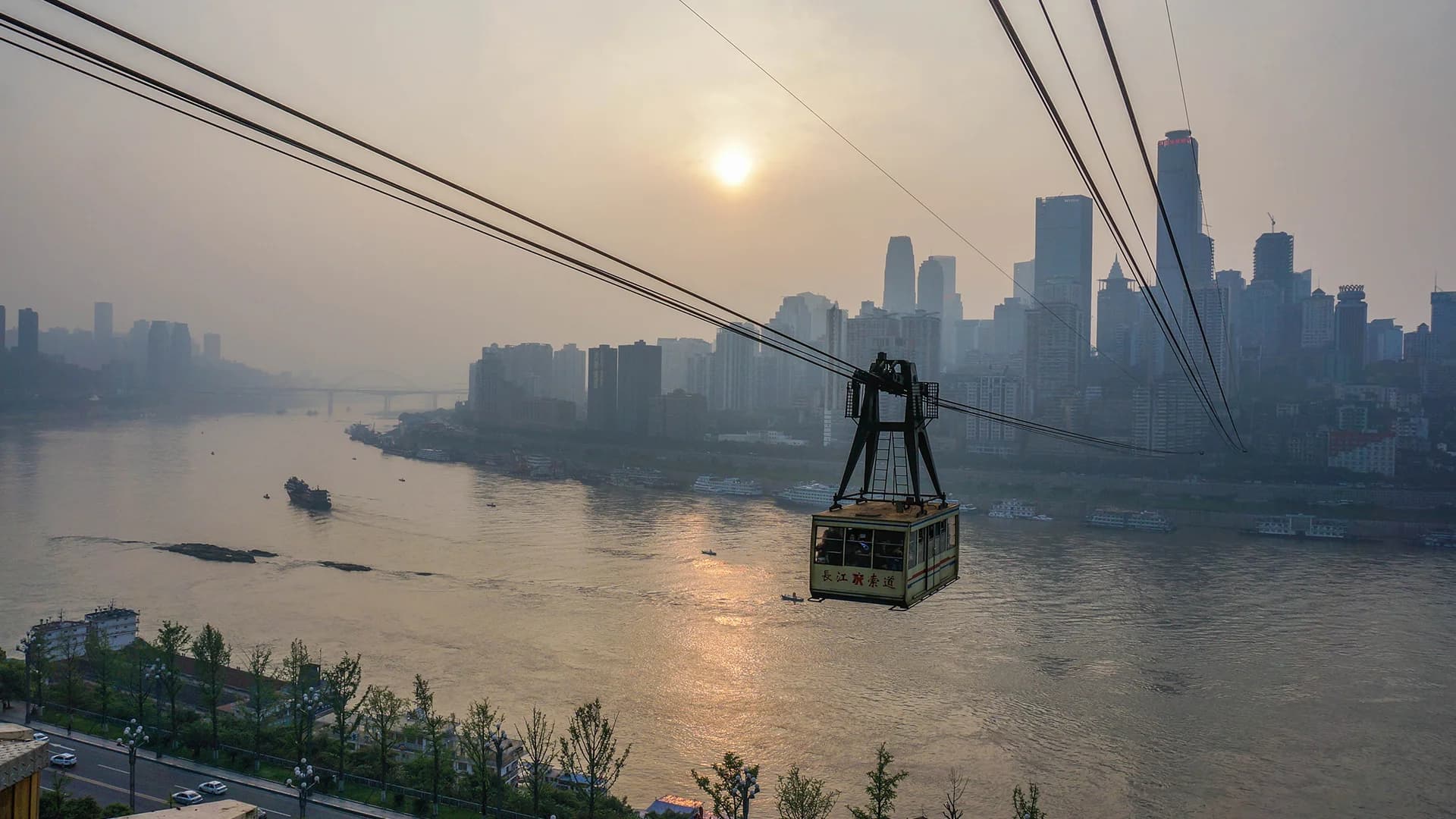
Yangtze River Cableway
The Yangtze River Cableway is a historical landmark in Chongqing, famous for its elevated cableway that carries passengers across the Yangtze River. It is considered one of China's most iconic urban cableways. For tourists, the journey, though short, is unforgettable, offering breathtaking views of the Yuzhong Peninsula, the ships passing by on the river, and the layered skyline that made old Chongqing famous.
Chongqing·historical
Hongyadong
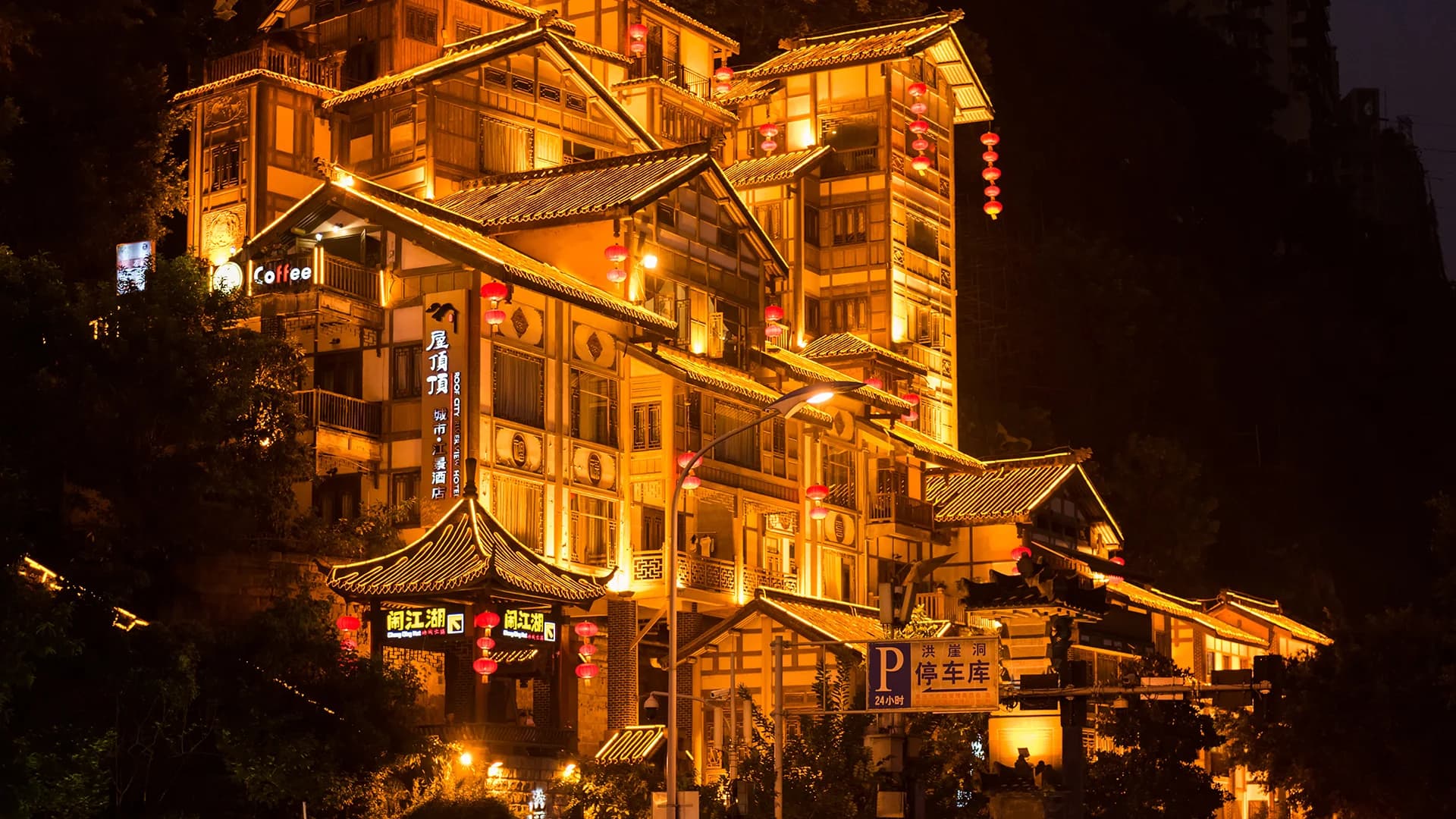
Hongyadong is a historical site in Chongqing, renowned for its unique riverside stilted buildings, dazzling night views, and close connection to the ancient Bayu culture. The complex is built around the historic Hongyamen, one of Chongqing's ancient city gates. Rather than a museum-like exhibition, Hongyadong is more about its atmosphere: layered alleyways, local snacks, river views, and architecture inspired by Chongqing's cliffside city history.
Chongqing·historical
Gongtan Ancient Town
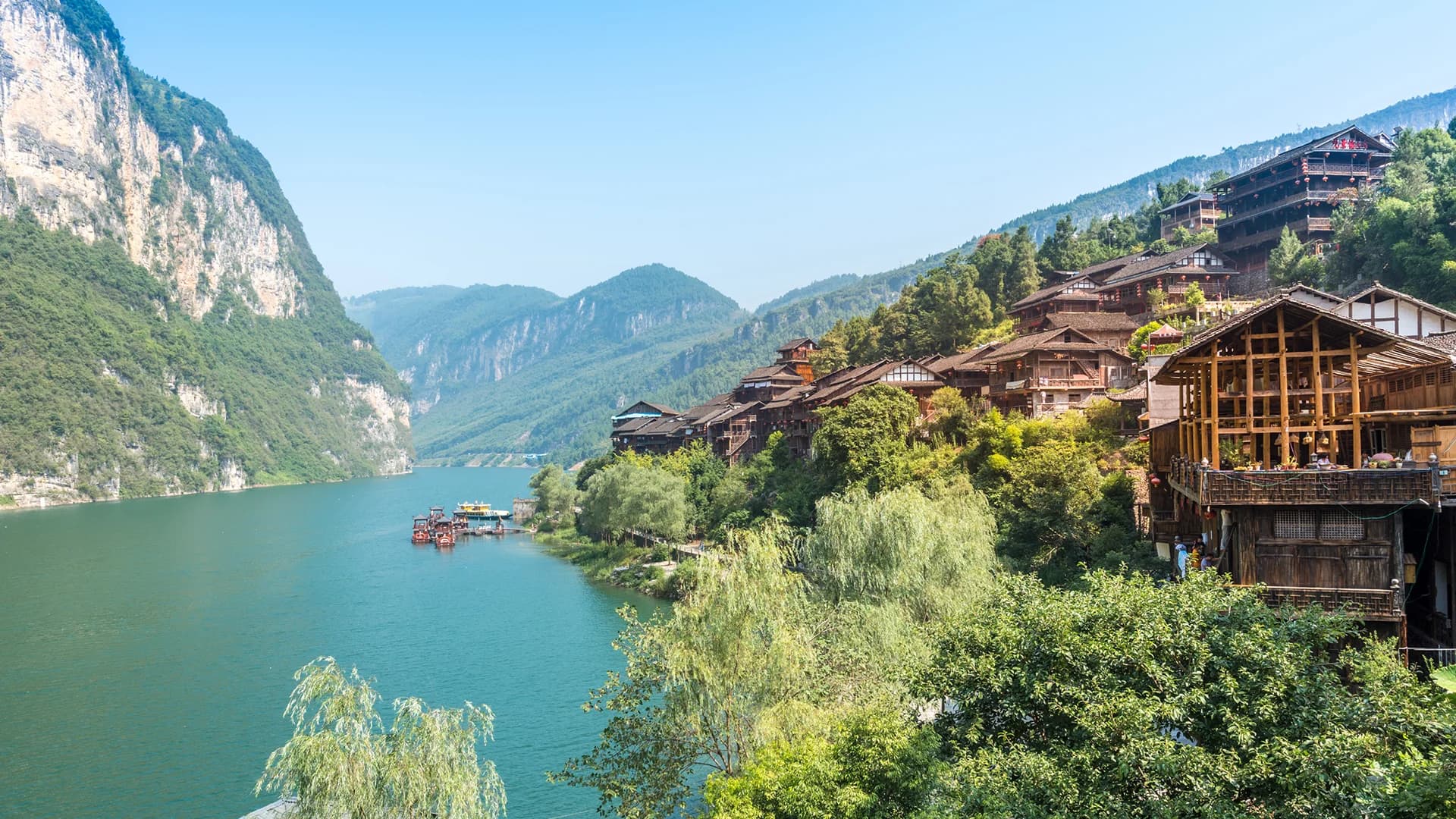
Gongtan Ancient Town is a historic town in Chongqing, renowned for its stilted houses built along the Wujiang River, steep stone-paved roads, and rich Tujia and Miao ethnic cultural heritage. Located in Youyang County, although it is generally associated with the Ming and Qing dynasties, the settlement history in the Wujiang area can be traced back to even earlier periods. A visit here offers an experience of ancient shops, stilted houses, and a leisurely lifestyle, rather than the experience of a sophisticated theme park.