culturalChongqing
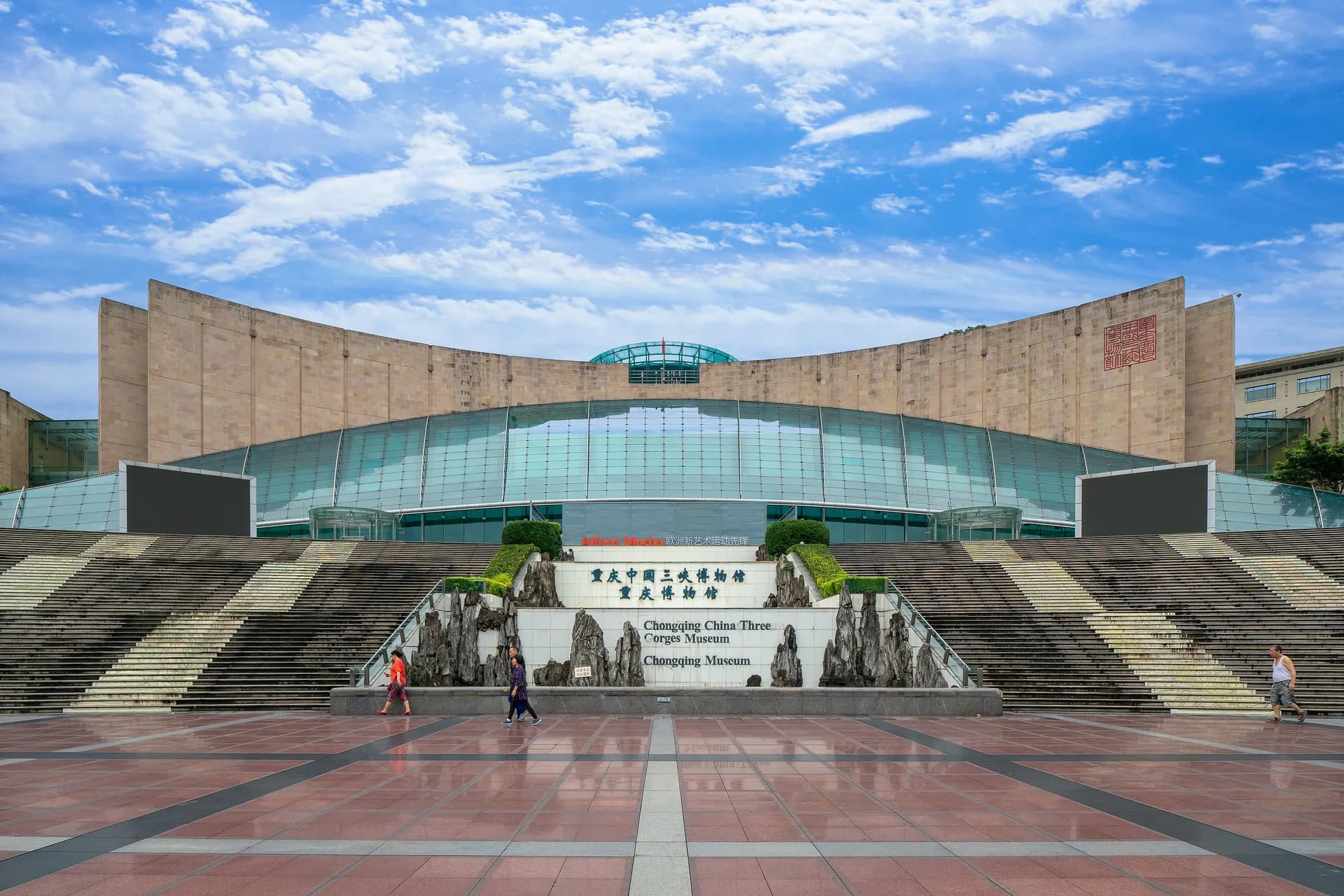
China Three Gorges Museum
The China Three Gorges Museum is a cultural attraction in Chongqing, renowned for its exploration of the Yangtze River, the Three Gorges Project, and the rich history of the Bayu culture in Southwest China. Its collection connects ancient regional history with modern changes, showcasing artifacts from the Qin and Han dynasties, items from the construction of the Three Gorges Dam, and accounts of migrations along the river in the late 20th and early 21st centuries.
Opening Hours
9:00 AM - 5:00 PM(Closed on Mondays)
Ticket Price
Free
Location
No. 236, Renmin Road, Yuzhong District, Chongqing
Overview
The Chongqing China Three Gorges Museum is a national first-class museum comprehensively showcasing the history and culture of the Yangtze River Three Gorges and the Ba-Yu civilization. It houses over 280,000 cultural relics, with its core exhibition hall, "The Magnificent Three Gorges," recreating the original appearance of the Three Gorges and the results of rescue archaeological work in the reservoir area. A visit is recommended to last 2 to 5 hours. The best time to visit is on weekday mornings when there are fewer visitors. Note that the museum is closed on Mondays; its opening hours are Tuesday to Sunday, 9:00 AM to 5:00 PM (last entry at 4:30 PM). It is recommended to visit from the fourth floor downwards, highlighting the "Instagrammable" Qing Dynasty pink crystal dragon-handled double-eared incense burner (small pink burner) and other treasures of the museum.
How to Get There
The most convenient way is to take Metro Line 2 or Line 10 to Zengjiayan Station, exit from Exit 3, and walk for about 2 minutes to reach the museum. If taking a bus, you can choose Dalitang Station or Xuetianwan Station, where multiple bus lines stop. Recommended Itinerary: It is recommended to combine the museum visit with the Chongqing People's Great Hall (ticket required) across the street. Visit the museum in the morning, then walk to the Great Hall for photos in the afternoon. Afterwards, stroll to Zhongshan Fourth Road, known as "Chongqing's most beautiful street," and visit anti-Japanese war relics such as Zhou Enlai's Former Residence and Guiyuan Garden along the way. In the evening, take Metro Line 2 to Liziba Station to see the famous "light rail passing through a building" spectacle.
What to Expect
The museum boasts comprehensive accessibility facilities. It features accessible elevators and restrooms, providing direct access to all exhibition halls on each floor, and wheelchair access is seamless. Free wheelchair and stroller rentals are available at the entrance (a deposit or identification is required), and the ticket gates have wide access for wheelchairs. The first floor houses a gift shop and a dining/rest area, along with self-service lockers and audio guide rentals. For hearing-impaired visitors, sign language videos are available for some exhibition areas.
Practical Tips
- 1Reserve ahead on the museum’s official WeChat channel if possible — permanent galleries are generally free as of 2026, but same-day slots can fill up on weekends and holidays.
- 2Bring your passport for entry checks; foreign visitors may need manual registration at the counter even when tickets cost ¥0.
- 3Go early, ideally before 10:30, to avoid school groups and tour buses, especially in spring and autumn.
- 4Pair your visit with the People’s Great Hall across the square — the area is walkable and makes a good half-day cultural stop in central Chongqing.
Share This Attraction
Found this helpful? Share it with fellow travelers!
More in Chongqing

Explore Chongqing
Discover more attractions, food, and travel tips for Chongqing.
View destination
More Attractions to Explore
Chongqing·cultural
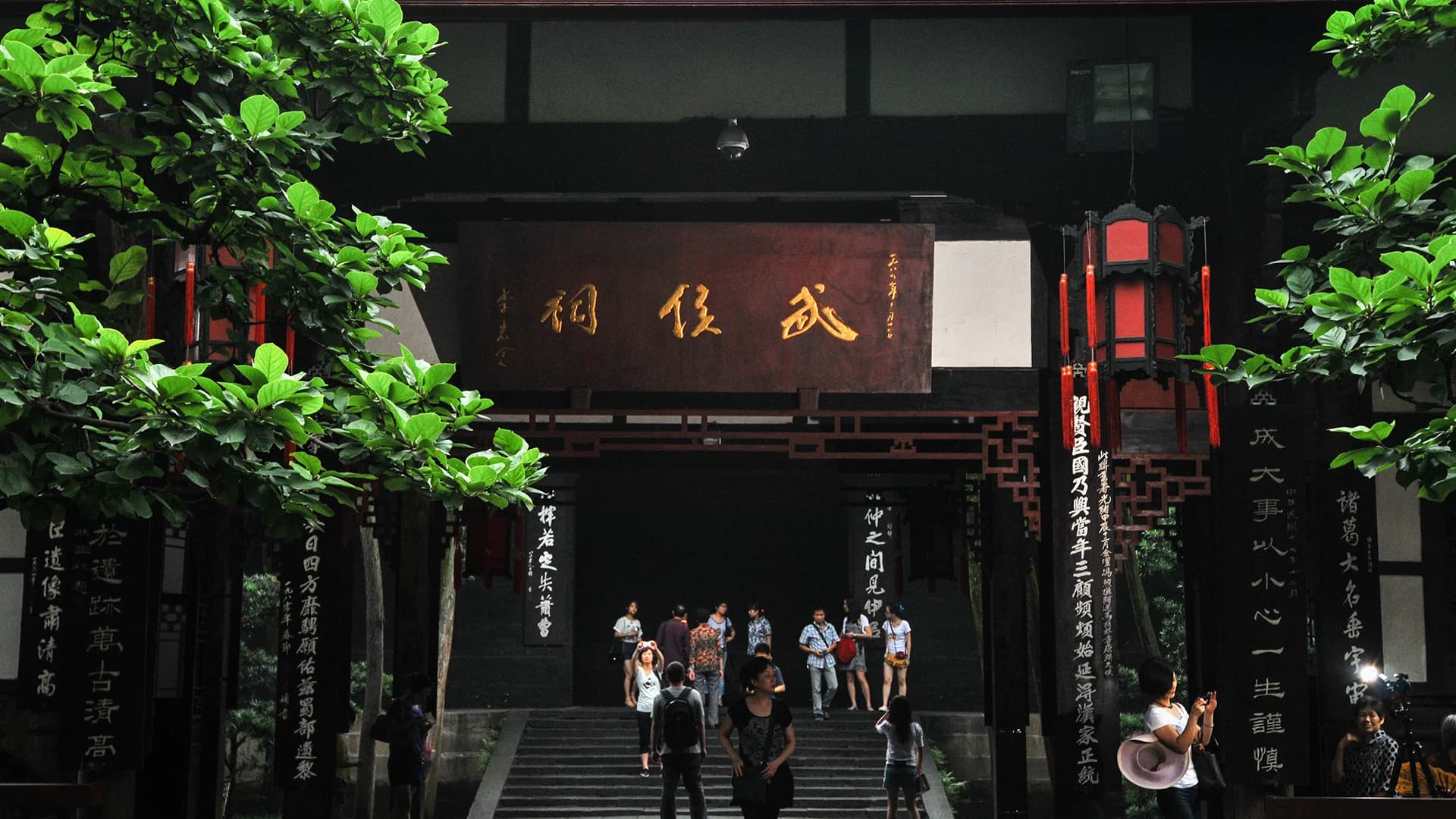
Wuhou Temple
Wuhou Temple is a cultural attraction in Chongqing known for honoring Zhuge Liang (诸葛亮), the famed Shu Han strategist of the Three Kingdoms period. Most visitors see it as part of the Baidi City scenic area in Fengjie, where history, river views, and classical memorial architecture come together in one visit.
Chongqing·cultural
Chiyou Jiuli City
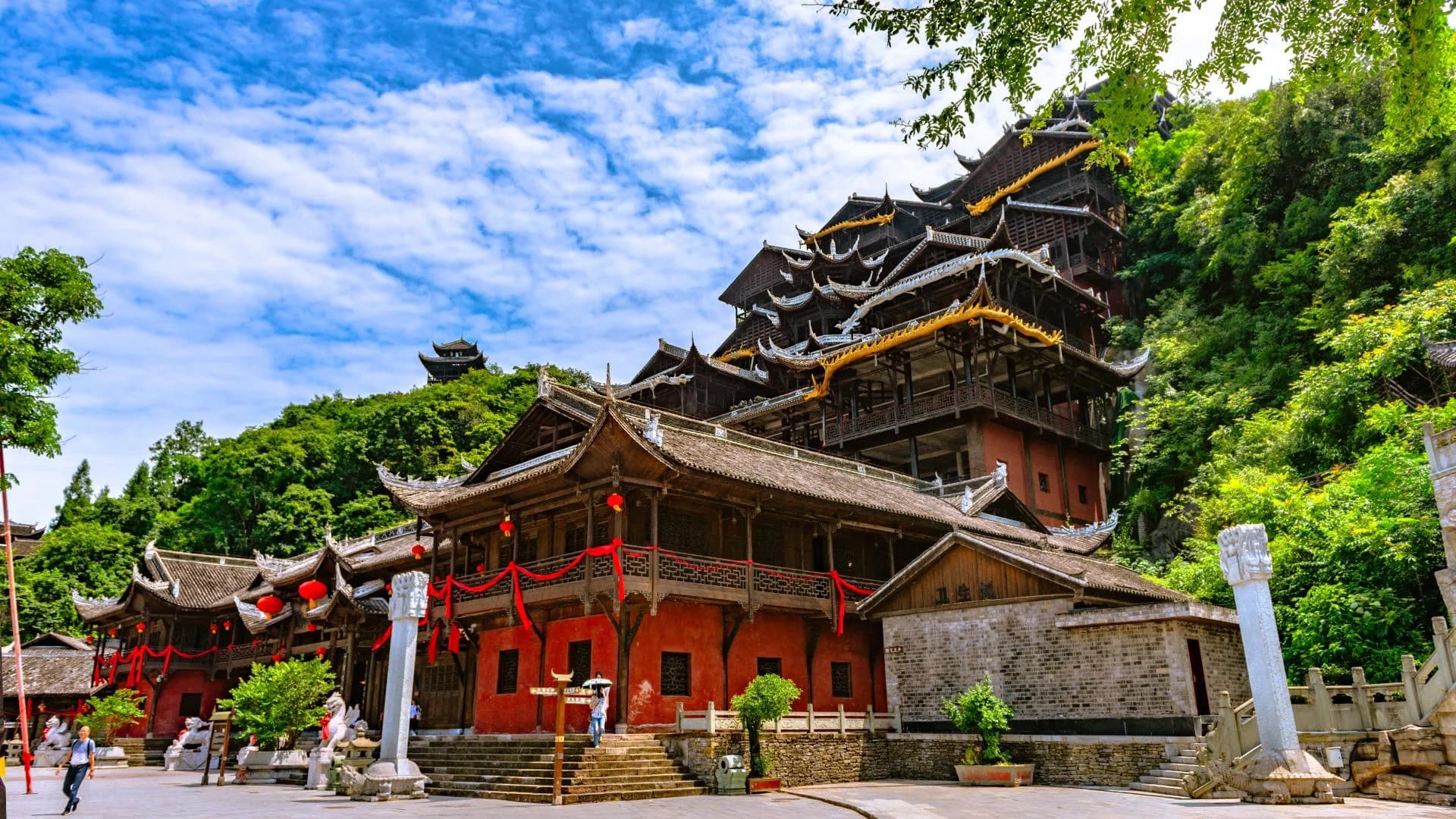
Chiyou Jiuli City is a cultural attraction in Chongqing, renowned for its magnificent Miao-style city gates, sacrificial architecture, and performances related to the legendary ancestor Chiyou. Located in Pengshui Miao and Tujia Autonomous County, it is one of the most famous Miao cultural experience destinations in Southwest China. The site blends Miao cultural traditions with the long history of the Wuling Mountains.
Chongqing·natural
Three Natural Bridges
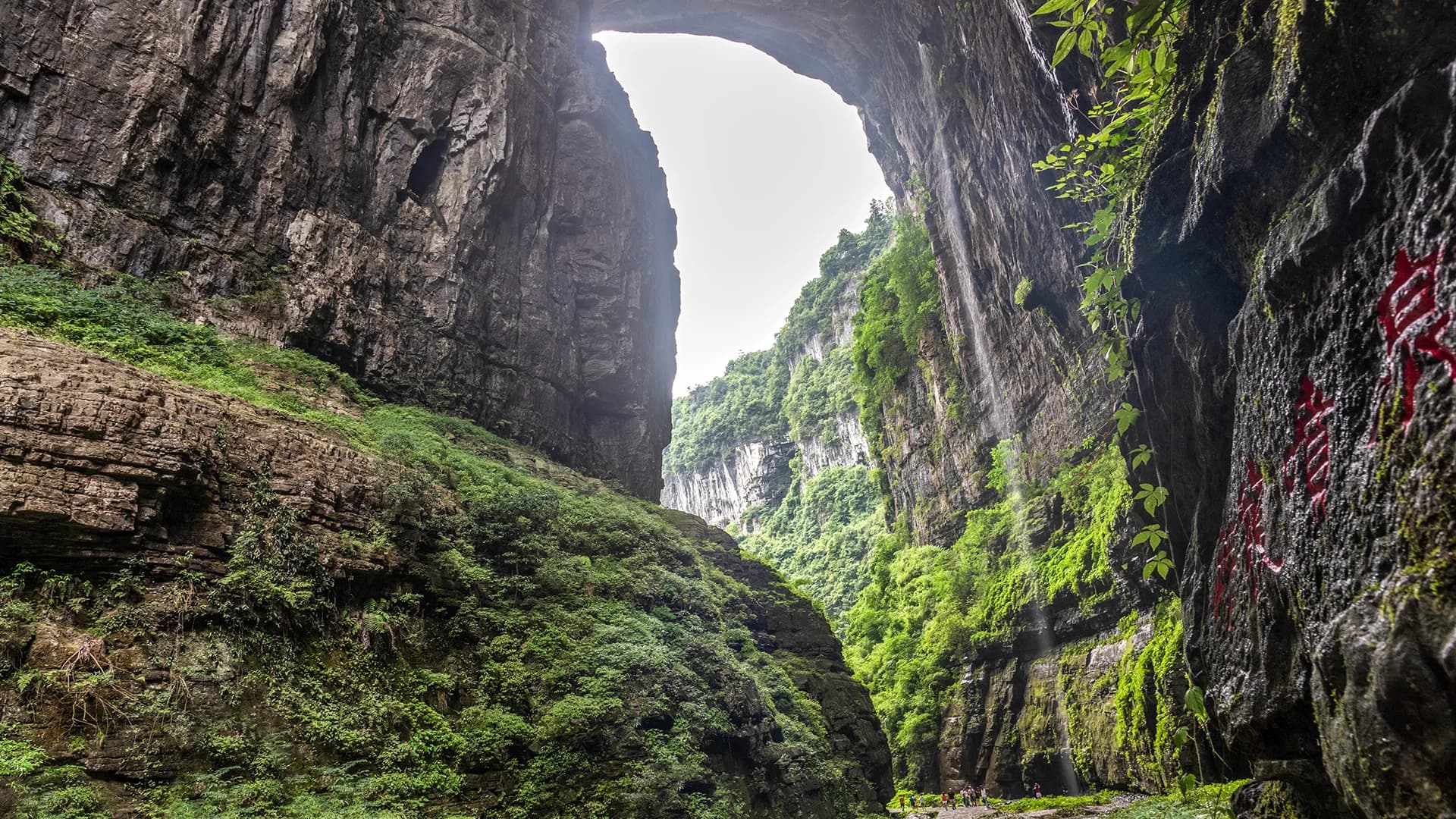
The Three Natural Bridges of Wulong County, Chongqing, are a magnificent geological wonder. This UNESCO World Heritage Site consists of three massive limestone karst bridges—Tianlong Bridge, Qinglong Bridge, and Heilong Bridge—formed by the erosion of the Yangshui River. It has served as a filming location for famous movies such as *Transformers: Age of Extinction*. It is a must-visit destination for nature lovers and photographers exploring China's unique landscapes.