Jingshan Park
naturalBeijing

Jingshan Park

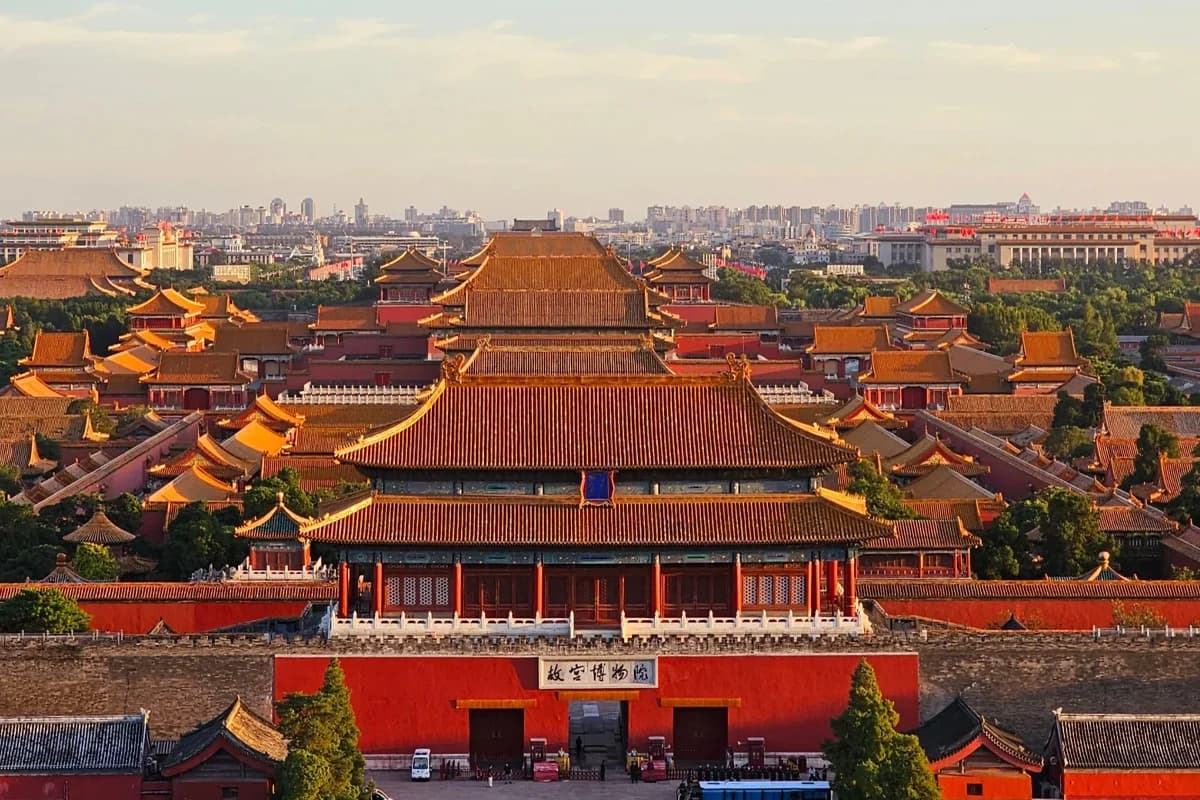
Jingshan Park is a beautiful royal garden located directly north of the North Gate of the Forbidden City in Beijing. Originally an imperial palace, it was built using earth excavated during the construction of the Forbidden City's moat. Today, it has become a popular public space. Coal Hill in the center of the park offers a superb view of the Forbidden City's rooftops and Beijing's modern skyline, a magnificent and breathtaking sight that every visitor should not miss.

Opening Hours

(April-October): 6:00 AM - 8:00 PM; (November-March): 6:30 AM - 7:30 PM

Ticket Price

Ticket price: ¥2

Location

No. 44, Jingshan West Street, Xicheng District, Beijing

Overview

Jingshan Park, located opposite the Shenwu Gate of the Forbidden City, was once the imperial garden of the Yuan, Ming, and Qing dynasties. The Wanchun Pavilion, the park's highest point, offers a panoramic view of the Forbidden City and is also the central axis of Beijing and the city's geometric center.

A visit is recommended to take 1-2 hours, and the climb itself only takes 10-15 minutes. The best time to visit is before sunset, when the golden afterglow bathes the glazed tiles of the Forbidden City, creating a truly breathtaking scene.

How to Get There

Jingshan Park is very convenient to get to, and taking the subway is highly recommended. You can take Line 8 to Shichahai Station or Line 6 to Beihai North Gate Station. There are also many bus routes available; you can take bus 111 or 124 and get off at Jingshan East Gate Station, or bus 5 or 58 and get off at Xibanqiao Station.

It's suggested to enter from the South Gate, as it faces the Shenwu Gate of the Forbidden City, making it convenient to cross the road and enter the park directly after visiting the Forbidden City. Wanchun Pavilion offers the best panoramic view of the Forbidden City. Finally, you can exit from either the West Gate or the East Gate to conclude your visit.

What to Expect

The paths in Jingshan Park are mainly stepped, and the mountain trails are gentle and easy to walk. It takes about 10-15 minutes to climb to Wanchun Pavilion; comfortable shoes are recommended. The park has complete facilities: public restrooms (with wheelchair accessible) are located at both the front and back of the mountain. Near the east and west gates are small gift shops and vending machines where you can buy souvenirs, drinks, and snacks. The viewing platform at the top of the mountain offers a wide view, but it gets crowded in the evening; please be careful and take photos in an orderly manner.

Practical Tips

  • Visit in the late afternoon for the best light for photography over the Forbidden City.
  • Wear comfortable shoes as you'll need to climb stairs to reach the hilltop viewpoints.
  • Combine your visit with the Forbidden City, as they are adjacent to each other.
  • Be prepared for crowds, especially on weekends and holidays.
More Attractions to Explore

Summer Palace
Beijing·natural

Summer Palace

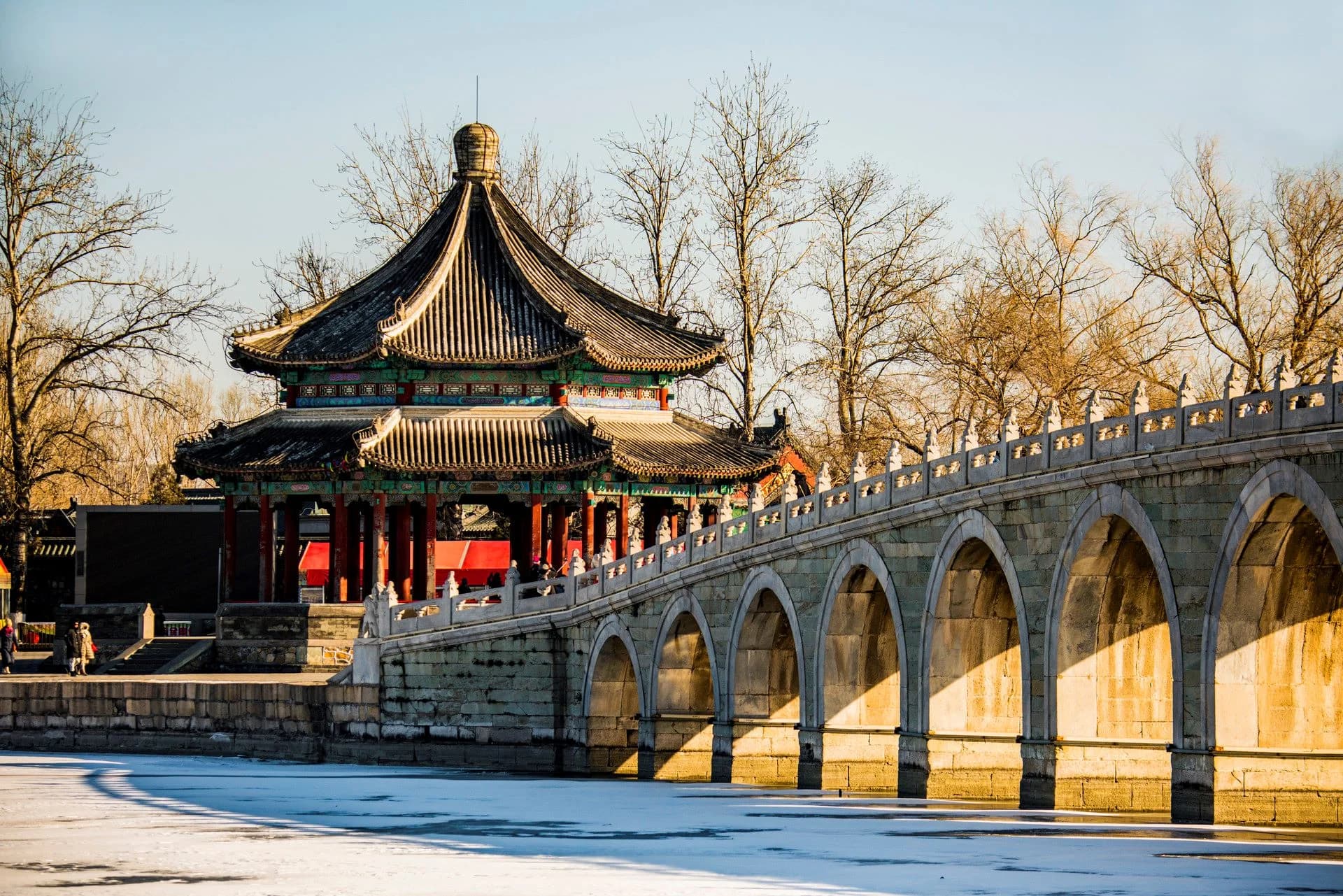
The Summer Palace, a UNESCO World Heritage Site in Beijing, is a masterpiece of Chinese garden design. Visitors can stroll through the vast gardens centered around Kunming Lake and Longevity Hill. Here, you can immerse yourself in the atmosphere of imperial history while enjoying the tranquility of walking through the beautiful gardens.

Beihai Park
Beijing·natural

Beihai Park

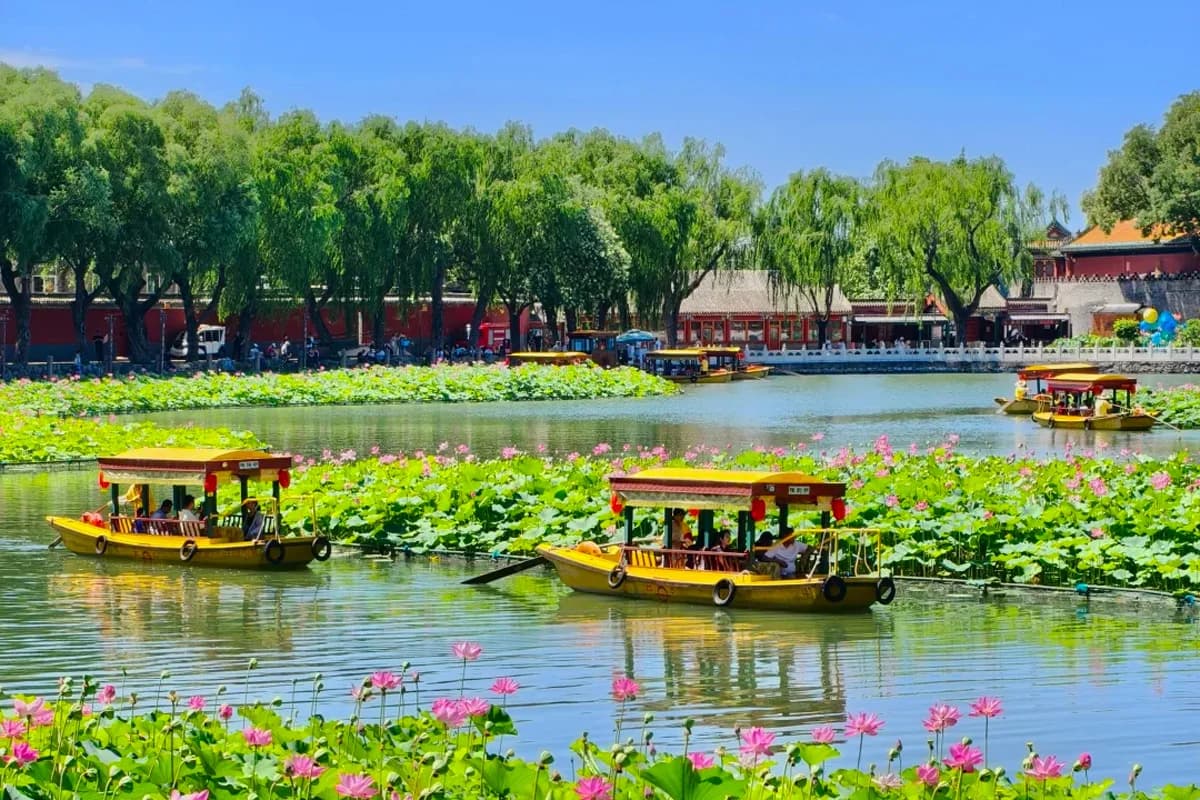
Beihai Park is one of China's oldest, largest, and best-preserved ancient imperial gardens. Located in the heart of Beijing, its history dates back over a thousand years to the Liao Dynasty, and it served as the imperial garden for successive dynasties. It's an excellent place for leisurely strolls, boating on the lake, or simply enjoying the beautiful scenery.

Forbidden City (Palace Museum)
Beijing·historical

Forbidden City (Palace Museum)

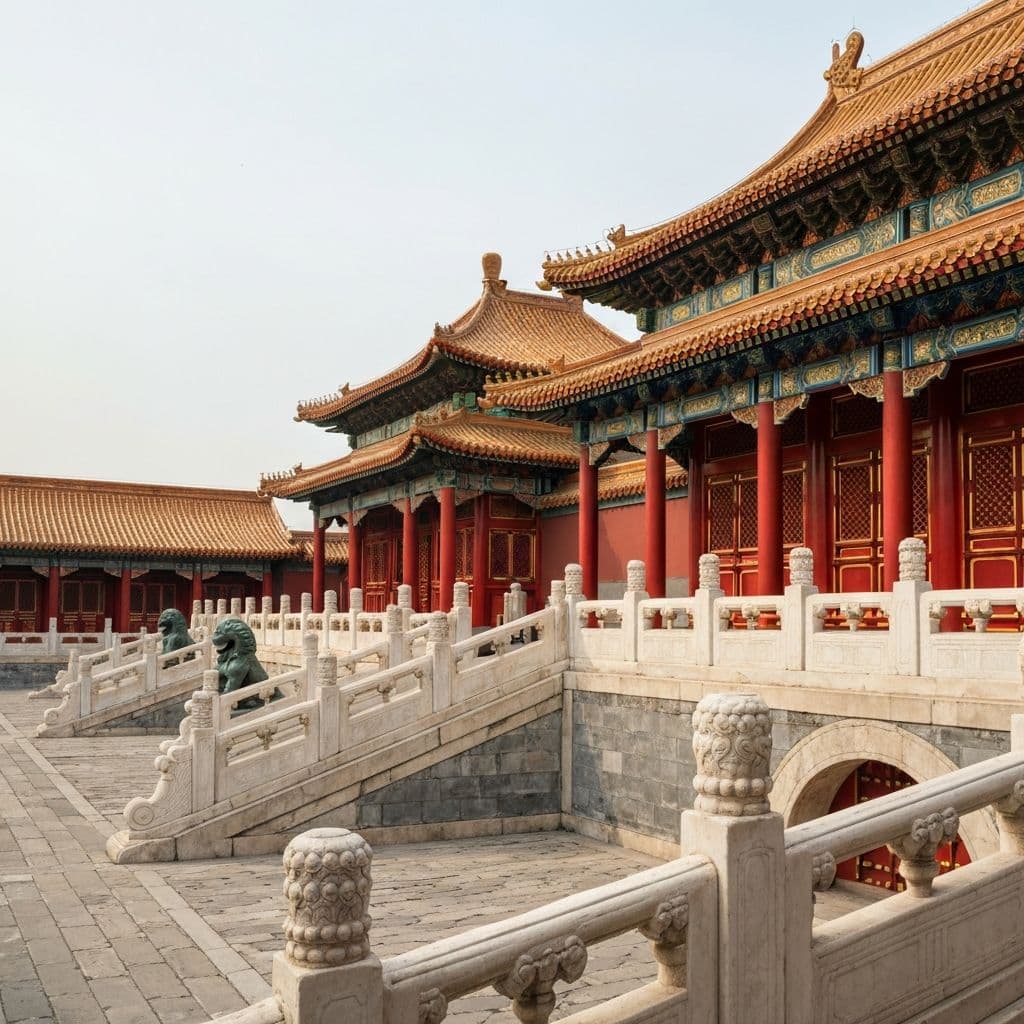
The world's largest palace complex spans 180 acres and contains 980 surviving buildings with 8,886 rooms. Home to 24 emperors of the Ming and Qing dynasties for nearly 500 years, it represents the pinnacle of traditional Chinese palatial architecture. The Palace Museum now houses over 1.8 million artifacts from the imperial collection.

Gubei Water Town
Beijing·historical

Gubei Water Town

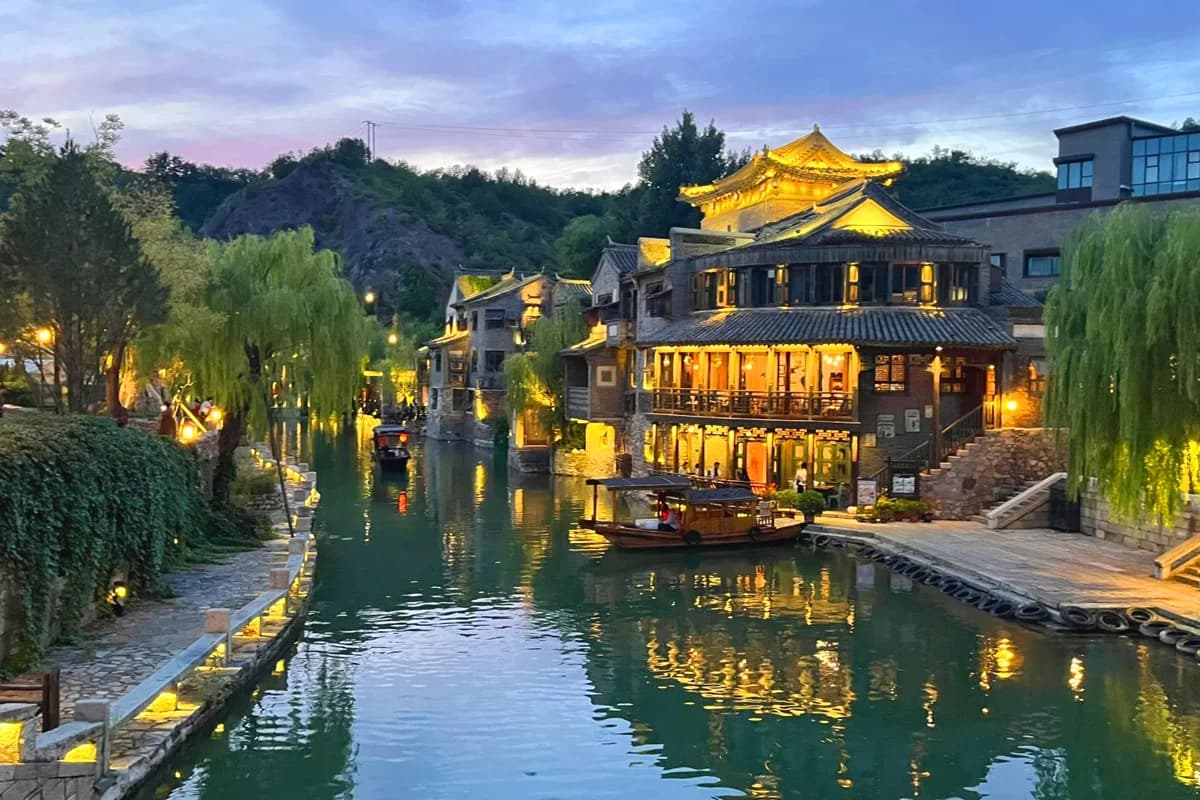
Gubei Water Town is a resort town that blends the charm of northern frontier life with the elegance of a Jiangnan water town。Gubei Water Town offers a variety of activities throughout the year, and its night view is particularly enchanting, making it an ideal place to experience the leisurely life of Beijing's suburbs and immerse oneself in its historical culture.