Overview
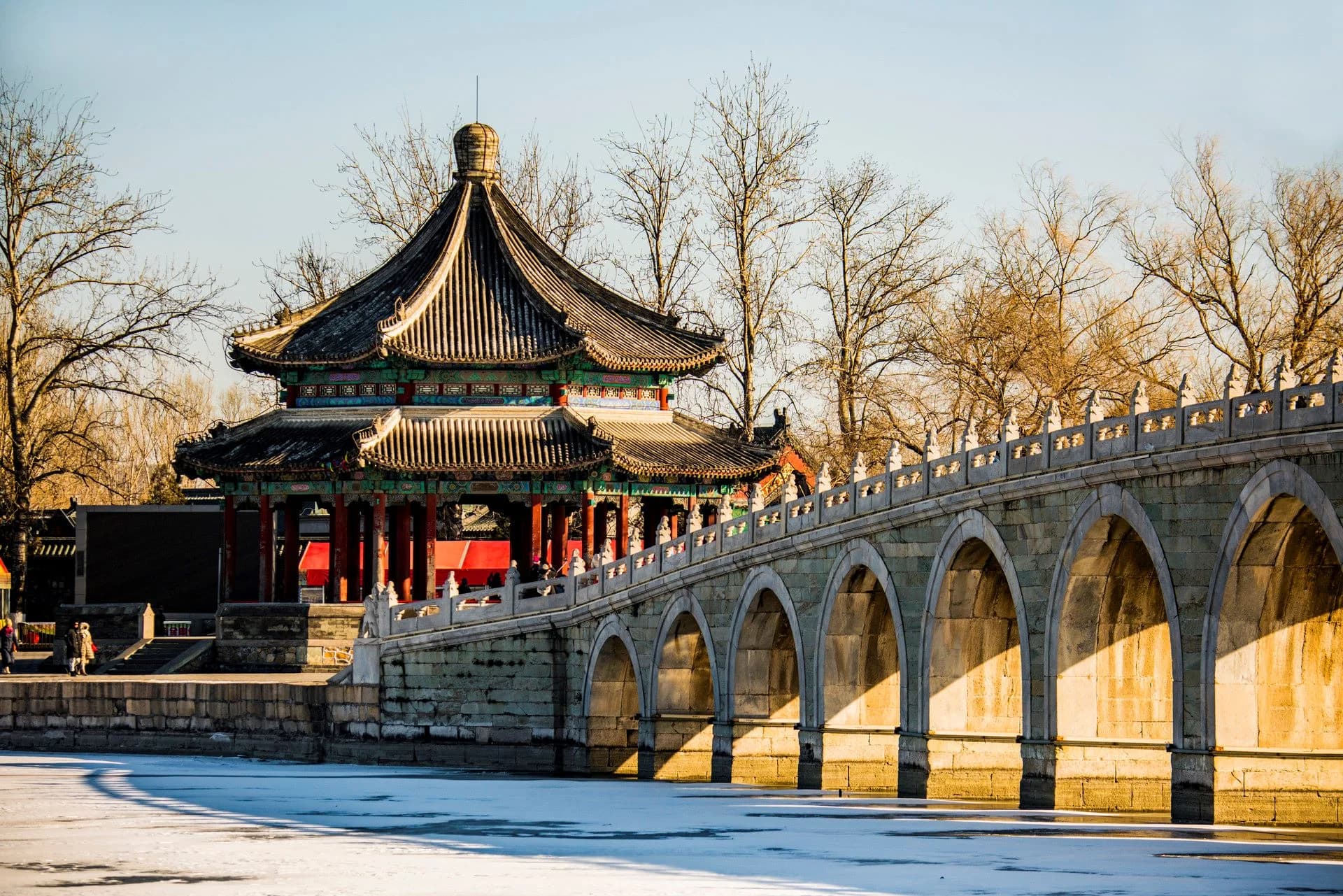
The Summer Palace is iconic for its perfect synthesis of nature and architecture, representing the pinnacle of Chinese horticultural art. What makes it special is the scale and detail: the Long Corridor is adorned with thousands of intricate paintings, while the Tower of Buddhist Incense offers panoramic views. A thorough visit requires at least 3-4 hours to appreciate the key sites. The best times to visit are spring (April-May) and autumn (September-October) for pleasant weather and beautiful foliage. For photography, late afternoon light over Kunming Lake is spectacular. Crowds are heaviest on weekends and Chinese public holidays.
How to Get There
The Summer Palace is located in the Haidian District, approximately 15km northwest of central Beijing. The most convenient way to reach it is via the Beijing Subway; take Line 4 and alight at Beigongmen Station (Exit D), which is a short walk from the North Palace Gate. Public buses also serve the area. Taxis are readily available but can be slow in traffic. For precise navigation, use the local mapping apps Gaode Maps (Amap) or Baidu Maps, as Google Maps is less reliable in China.
What to Expect
Be prepared for extensive walking and some stairs, especially if you plan to climb Longevity Hill. Comfortable shoes are essential. The terrain is mostly paved paths, but it can be uneven in some garden areas. On-site facilities include restrooms, several gift shops, and a variety of food vendors and cafes. A cable car is available to ascend Longevity Hill, offering an easier alternative to walking. The site is well-maintained, but it's a good idea to carry water, especially during warmer months.
Practical Tips
- Purchase tickets online in advance to avoid long queues at the entrance.
- Visit on a weekday, ideally early morning, to experience the gardens with fewer crowds.
- Wear comfortable walking shoes as the grounds are extensive and involve some stairs.
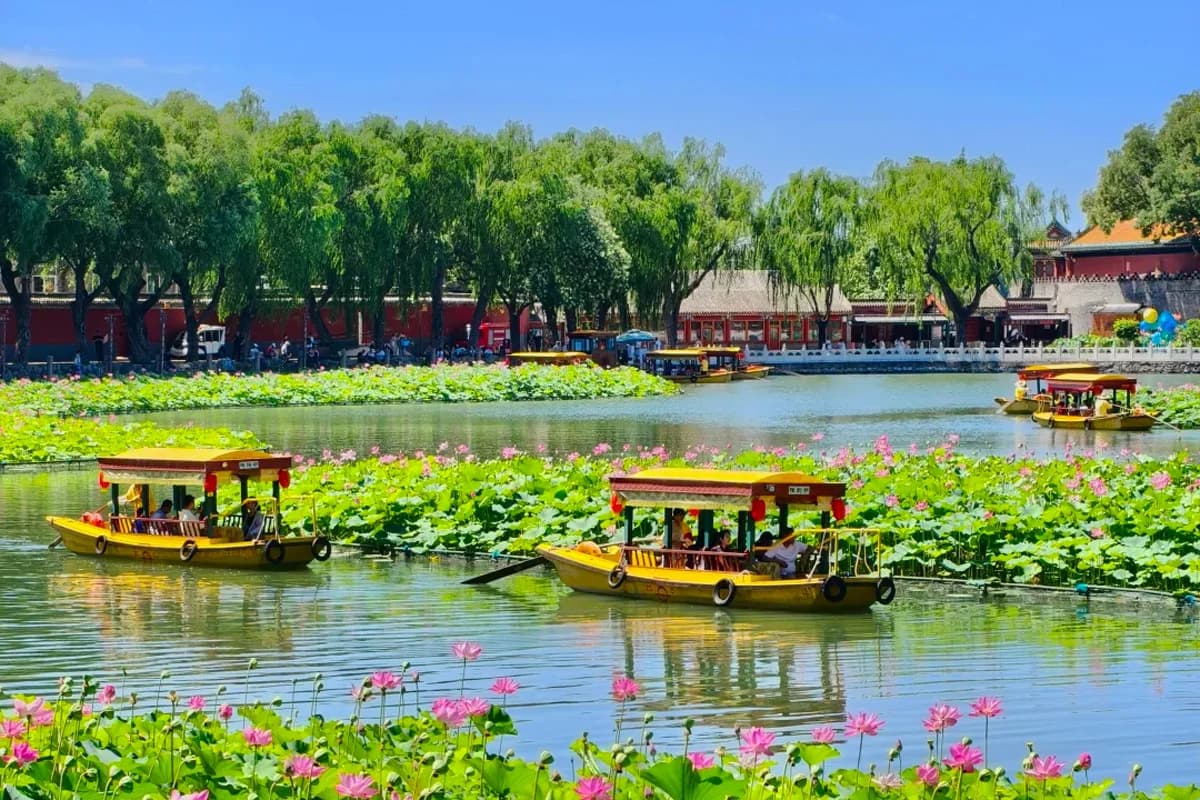
- Consider taking a boat ride on Kunming Lake for a unique perspective of the palace complex.