naturalTibet
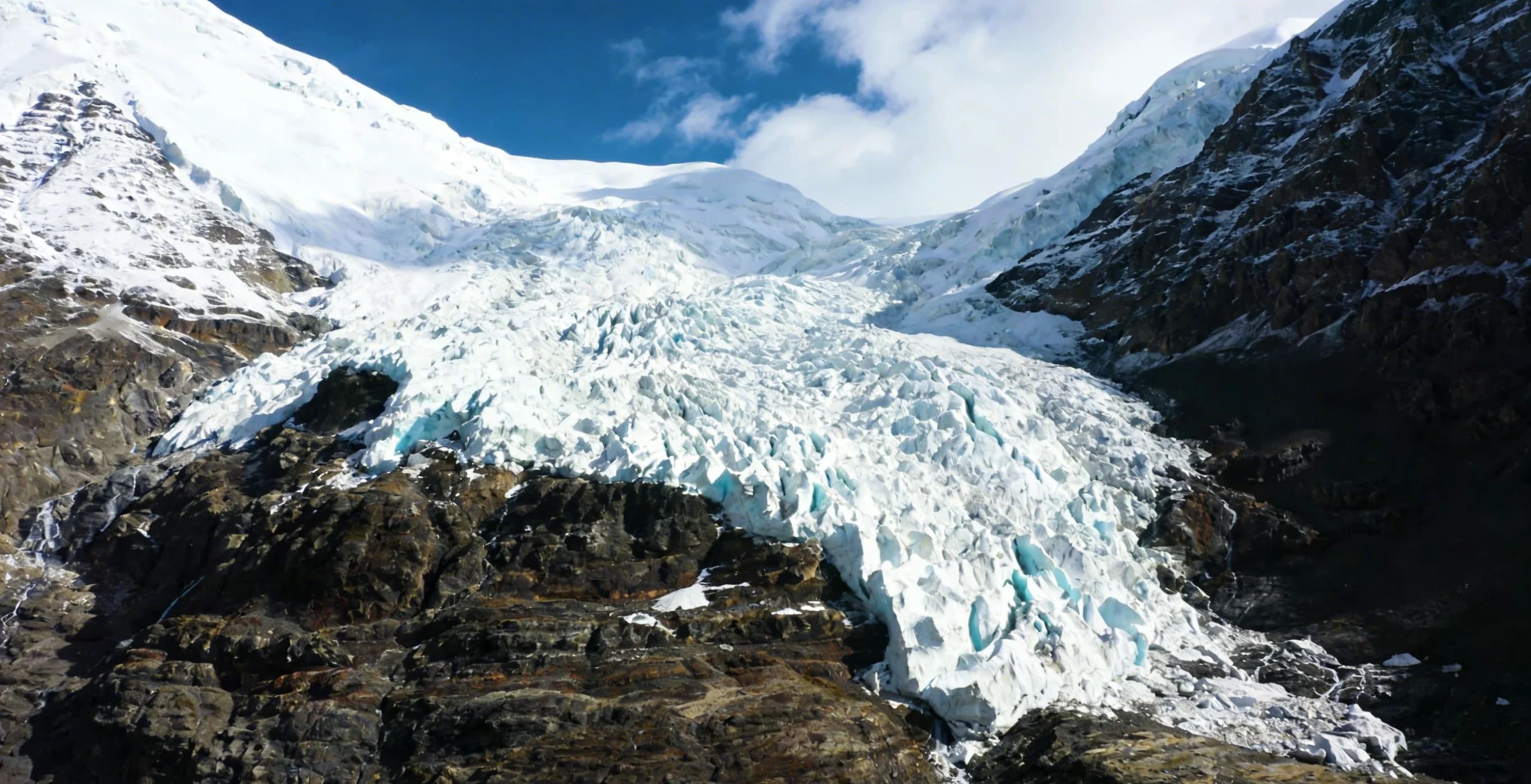
Karola Glacier
Karola Glacier is a famous natural landscape in Tibet, renowned for its spectacular blue-white ice walls located near the highway between Lhasa and Gyantse. Perched on the slopes of the Norjin Kangsan Mountains at an altitude of over 5,000 meters, it is one of the most easily accessible glaciers in Tibet, requiring no long trek. In Chinese, it is usually written as Karola Bingchuan(卡若拉冰川), and many travelers combine it with Yamdrok Lake and Gyantse Dzong to form a classic overland travel route in Tibet.
Opening Hours
7:00 AM - 10:00 PM
Ticket Price
Free
Location
Border area between Gyantse County, Shigatse City, and Langkazi County, Shannan Prefecture, Tibet Autonomous Region
Overview
Karola Glacier is located at the border of Gyantse County in Shigatse City and Langkazi County in Shannan City, Tibet, only 300 meters from the road. It is the world's closest glacier to a road and can be viewed up close without a long journey. A visit of approximately one hour is recommended. The best time to visit is from May to October, when the weather is mild and roads are clear, facilitating a safe visit. While visiting, you can admire the magnificent view of the glacier tongue intertwined with prayer flags from the viewing platform and take photos with striking color contrasts. However, due to the altitude exceeding 5000 meters, please walk slowly to avoid altitude sickness.
How to Get There
The only way to reach Karola Glacier is by chartered car or self-driving. From Lhasa, take National Highway G318 through Quxu County and then turn onto Provincial Highway S307. The entire journey is approximately 200 kilometers and takes about 3.5 to 4 hours to reach the parking lot beside the glacier. Since there are no direct buses, it is recommended to book a chartered car service or join a tour that includes Yamdrok Lake. A typical itinerary is to drive west from Lhasa for about 2 hours to Yamdrok Lake, then continue west along Provincial Highway S307 for about 1.5 hours to reach Karola Glacier. This route is also the only way from Lhasa to Shigatse or Everest Base Camp, making it very convenient for planning a one-day or multi-day trip.
What to Expect
The air is expected to be thin, windy, and with strong ultraviolet radiation. The viewpoints are at high altitudes, and even short hikes can be tiring if you are new to Tibet. Please wear a warm jacket, sun hat, sunglasses, and sunscreen, and choose non-slip shoes, as the ground can vary seasonally, being wet, icy, or uneven. There is no formal dress code, but warm clothing is necessary year-round. Facilities are basic. During peak season, there may be makeshift restrooms and food stalls, but choices are limited, so please bring your own drinking water and light snacks. Accessibility is limited and not entirely barrier-free.
Practical Tips
- 1Bring your Tibet Travel Permit and passport — police and road checks are common on the Lhasa-Gyantse-Shigatse route in 2026.
- 2Dress in layers and carry gloves even in summer; the glacier viewpoint is above 5,000m and wind chill can be strong.
- 3Make sure to wear non-slip and durable shoes, as there are many loose rocks in the glacier area.
- 4Please do not trample on the fragile areas of the glacier, take your trash with you when you leave the mountain, and protect the polar ecosystem.
Share This Attraction
Found this helpful? Share it with fellow travelers!
Explore Tibet
Discover more attractions, food, and travel tips for Tibet.
View destination
More Attractions to Explore
Tibet·natural
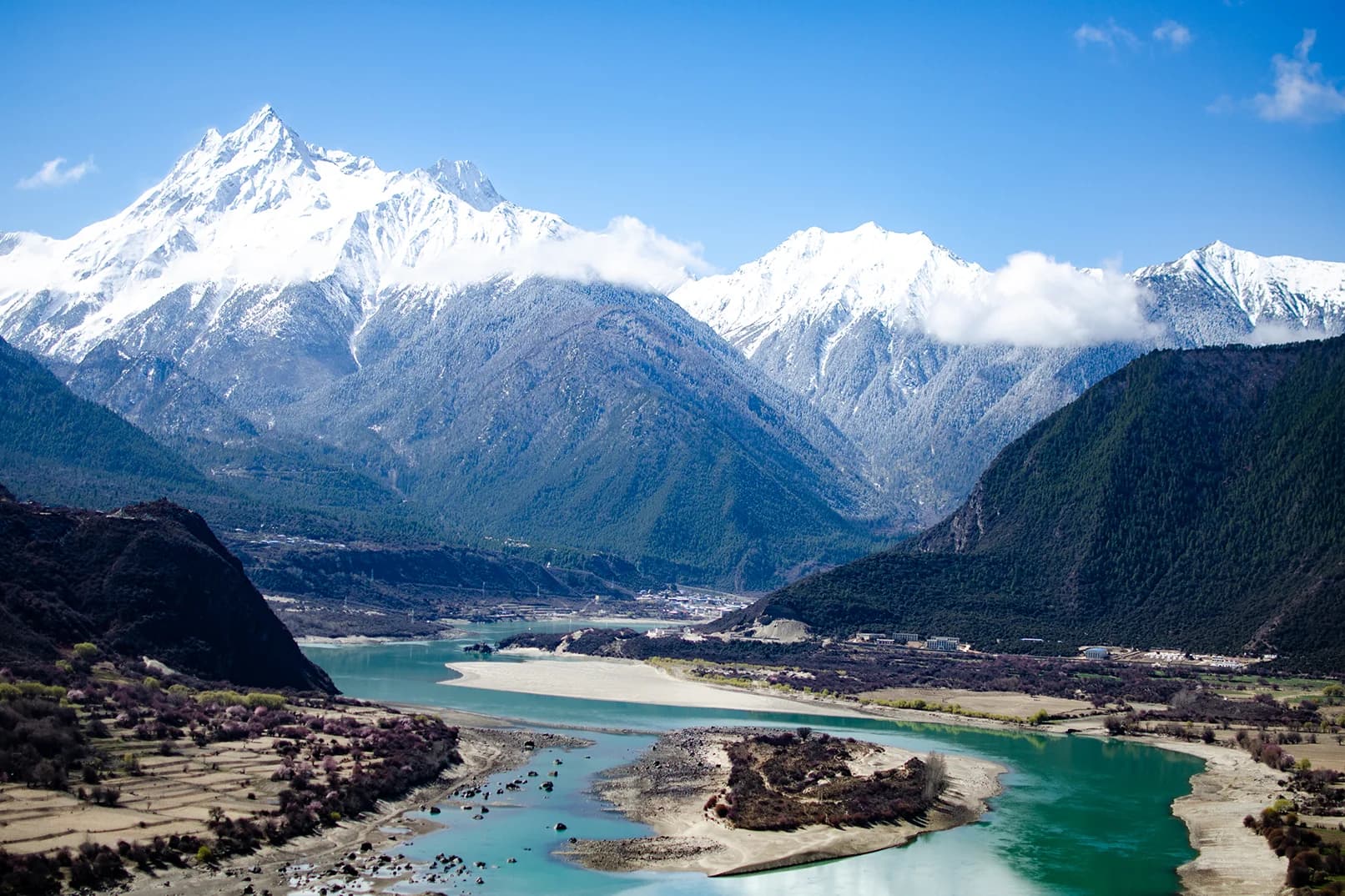
Yarlung Tsangpo River
The Yarlung Tsangpo River is a natural wonder of Tibet, renowned for its magnificent alpine canyon scenery, sacred cultural history, and the breathtaking canyon system near Nyingchi. Originating in western Tibet, it flows eastward across the plateau, closely connected to the Yarlung Tsangpo Valley, considered one of the cradles of Tibetan civilization. For most travelers, the most convenient way to experience the Yarlung Tsangpo River is through viewpoints in Nyingchi and the Yarlung Tsangpo Grand Canyon region.
Tibet·natural
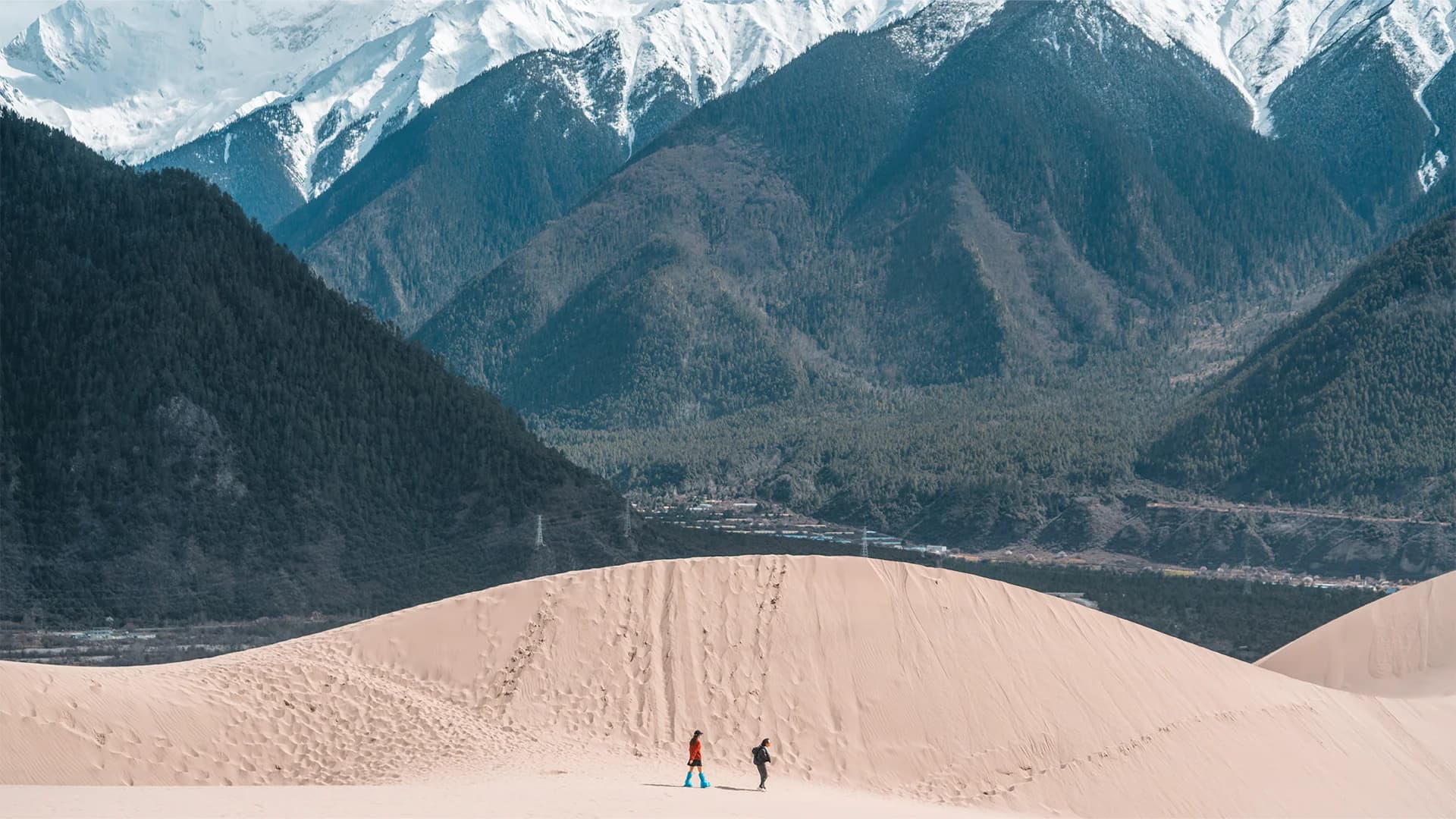
Buddha's Palm Sand Dunes
The Buddha's Palm Sand Dunes are a famous natural landscape in Tibet, renowned for their golden sand dunes resembling a hand's palm, which complement the magnificent scenery of the plateau. The value of the Buddha's Palm Sand Dunes lies not only in their unique landscape where desert and snow-capped mountains meet, but also in their important place in Tibetan history and culture. This land was, for centuries, a crossroads of high-altitude transportation routes and Buddhist geography. Local guides often associate the dunes' outlines with sacred symbolism, referring to them as the e "Fo Zhang Shaqiu" (佛掌沙丘, Buddha's Palm Sand Dunes).
Hangzhou·natural
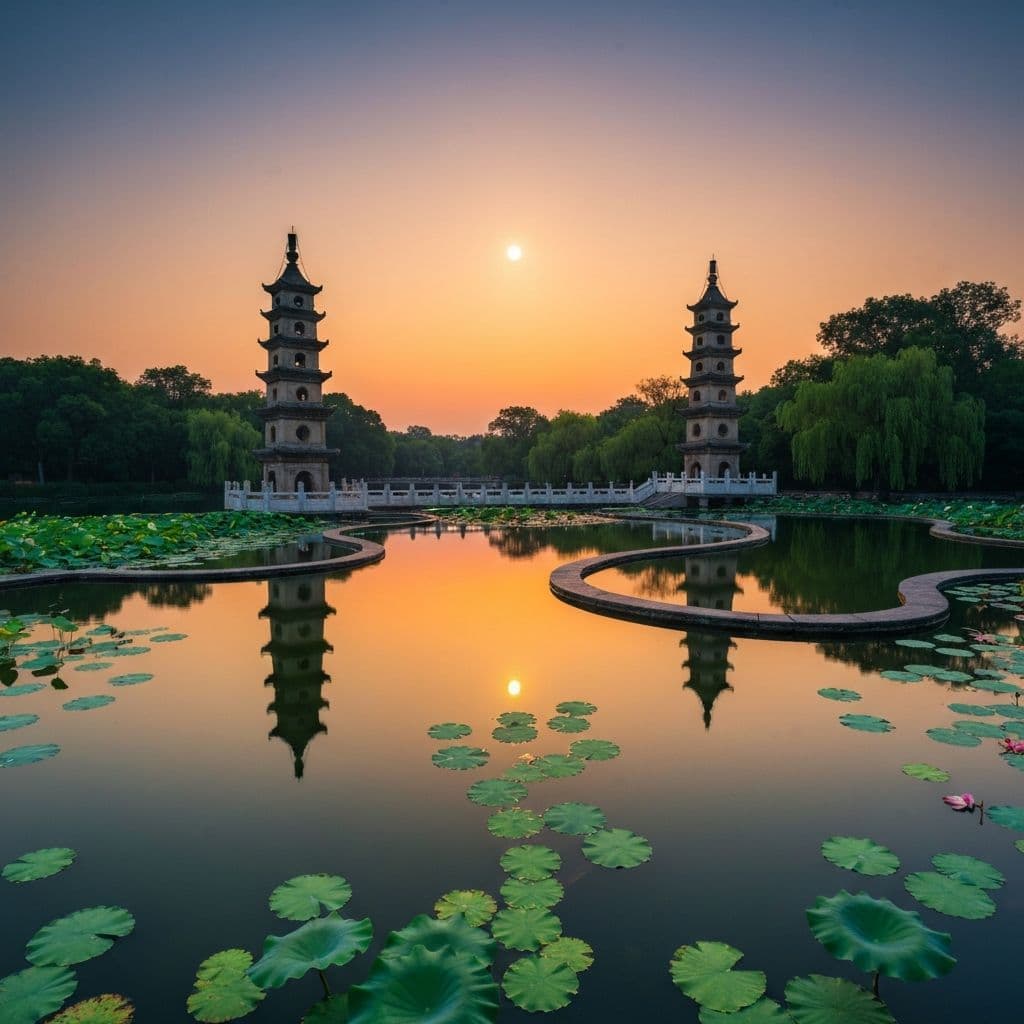
West Lake
West Lake, a UNESCO World Heritage site, is the defining landmark of Hangzhou and a symbol of classical Chinese beauty. Renowned for its stunning freshwater scenery and profound cultural significance, it has inspired poets and artists for centuries. Visitors can explore willow-lined banks, ancient pagodas like Leifeng, and historic causeways such as the Su Causeway.