naturalTibet
Yarlung Tsangpo River
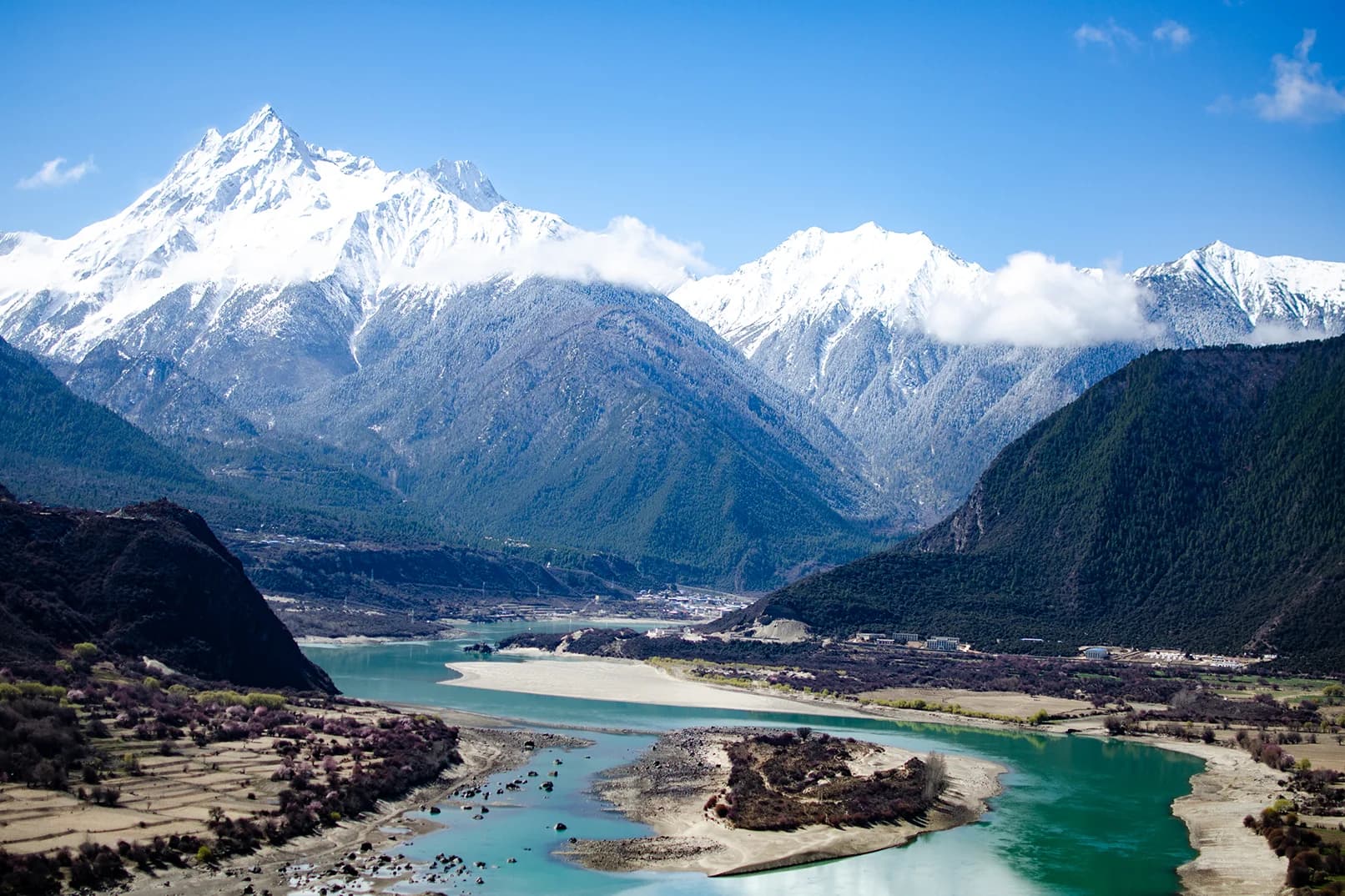
The Yarlung Tsangpo River is a natural wonder of Tibet, renowned for its magnificent alpine canyon scenery, sacred cultural history, and the breathtaking canyon system near Nyingchi. Originating in western Tibet, it flows eastward across the plateau, closely connected to the Yarlung Tsangpo Valley, considered one of the cradles of Tibetan civilization. For most travelers, the most convenient way to experience the Yarlung Tsangpo River is through viewpoints in Nyingchi and the Yarlung Tsangpo Grand Canyon region.
Opening Hours
(March-October) 8:30 AM - 8:00 PM; (November-March) 9:30 AM - 6:00 PM
Ticket Price
Peak season: ¥150 (free admission for "Winter Tourism in Tibet"); sightseeing bus: ¥90
Location
Yarlung Tsangpo Grand Canyon, Pai Town, Milin County, Nyingchi Prefecture, Tibet Autonomous Region
Overview
The Yarlung Tsangpo Grand Canyon is the world's deepest canyon, forming a horseshoe shape around Namcha Barwa Peak, offering spectacular scenery. A visit of 1-2 days is recommended. The best seasons are spring (March-April) to admire the peach blossoms blooming along the canyon's banks, reflecting in the snow-capped mountains and river; or autumn (September-November), when the clear skies and excellent visibility make it ideal for photographing the snow-capped mountains and autumn colors.
How to Get There
Currently, the Yarlung Tsangpo Grand Canyon scenic area is not open to tourists holding foreign passports. The main ways to enjoy the area include: road tours (taking a sightseeing bus that stops at viewpoints along the way), combined land and water transportation (going by boat and exiting by car, enjoying the scenery on both banks), and hiking adventures suitable for outdoor enthusiasts.
What to Expect
The scenic area boasts relatively complete facilities. The core area features boardwalks and viewing platforms, offering convenient views of Namcha Barwa Peak and the winding valleys. Restrooms, souvenir shops, and restaurants serving simple Tibetan meals are available within the scenic area. The visitor center offers wheelchair rentals and luggage storage, and shuttle buses provide direct access to major attractions, making it generally user-friendly for tourists. However, it's important to note that facilities are less available on the deeper hiking trails, so visitors should bring their own supplies.
Practical Tips
- 1Start early for the best views — mornings often have clearer weather around the river and Namcha Barwa, while afternoon cloud and rain are common from June to August.
- 2See peach blossoms in March and April, and enjoy the stunning autumn scenery in September and October. July and August are the rainy season, so please be cautious when visiting.
- 3Both Pai Town and Suosong Village have Tibetan-style guesthouses and restaurants where you can experience Tibetan cuisine and butter tea.
Share This Attraction
Found this helpful? Share it with fellow travelers!
More in Tibet
Explore Tibet
Discover more attractions, food, and travel tips for Tibet.
View destination
More Attractions to Explore
Tibet·natural
Buddha's Palm Sand Dunes
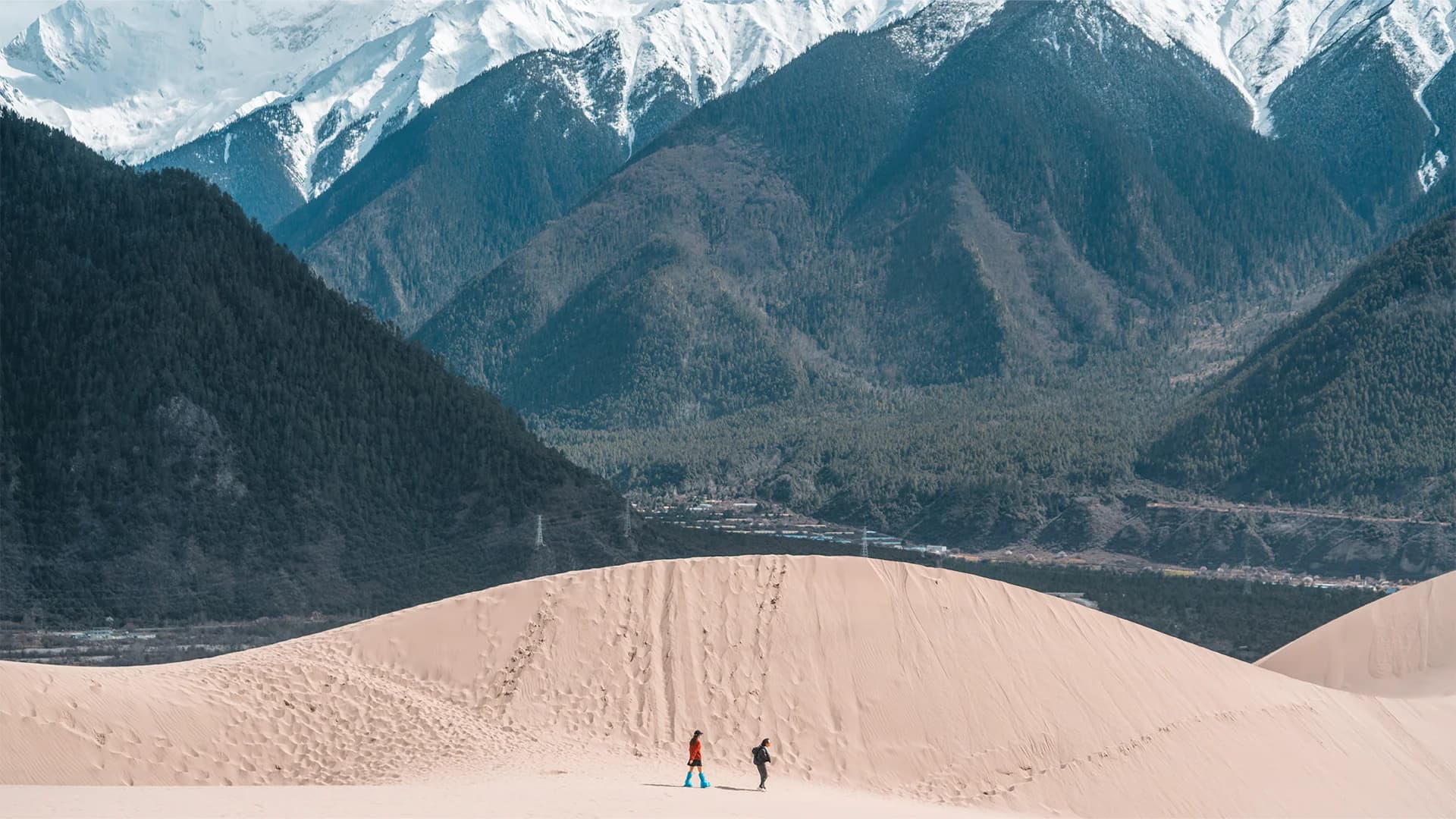
The Buddha's Palm Sand Dunes are a famous natural landscape in Tibet, renowned for their golden sand dunes resembling a hand's palm, which complement the magnificent scenery of the plateau. The value of the Buddha's Palm Sand Dunes lies not only in their unique landscape where desert and snow-capped mountains meet, but also in their important place in Tibetan history and culture. This land was, for centuries, a crossroads of high-altitude transportation routes and Buddhist geography. Local guides often associate the dunes' outlines with sacred symbolism, referring to them as the e "Fo Zhang Shaqiu" (佛掌沙丘, Buddha's Palm Sand Dunes).
Tibet·natural
Karola Glacier
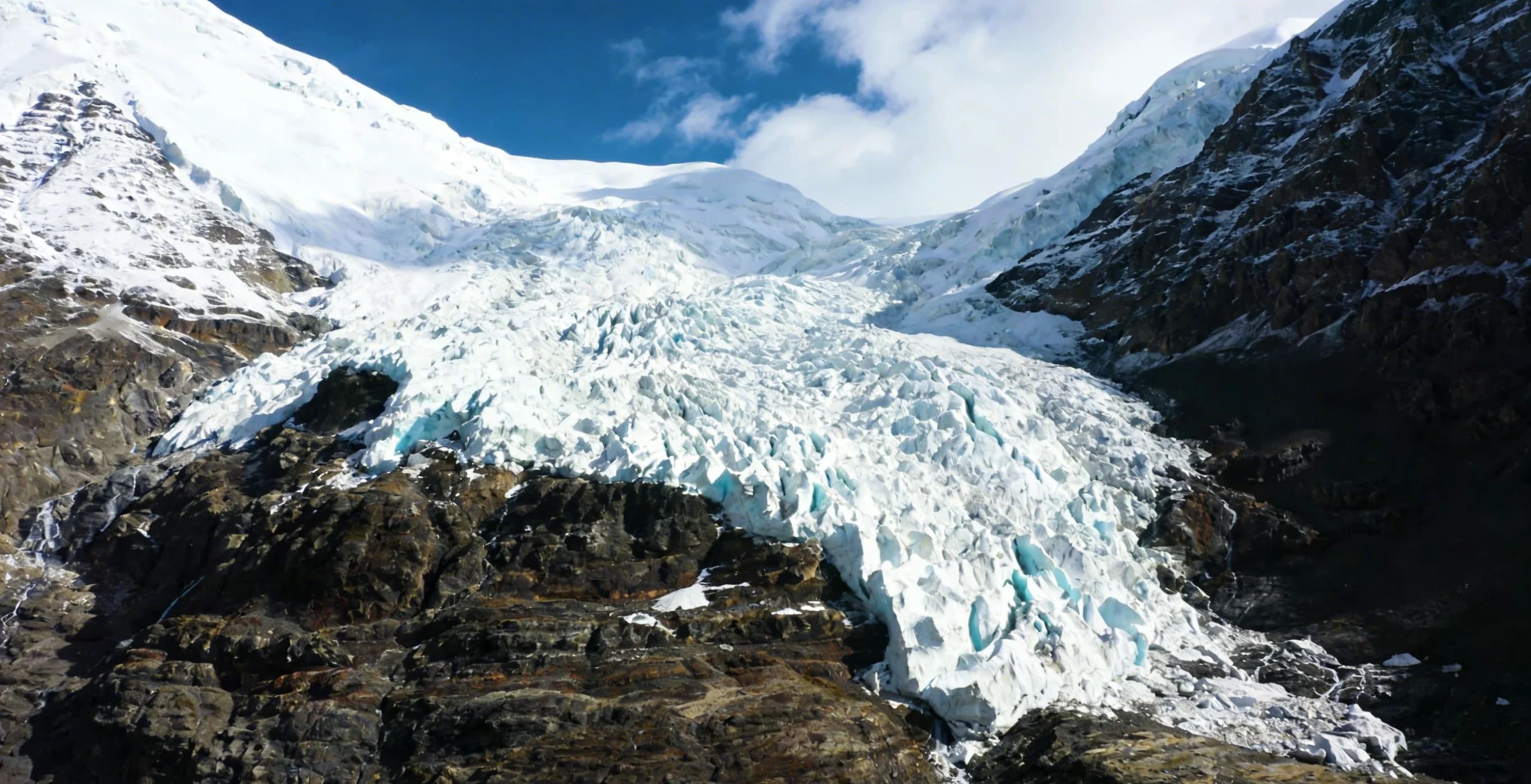
Karola Glacier is a famous natural landscape in Tibet, renowned for its spectacular blue-white ice walls located near the highway between Lhasa and Gyantse. Perched on the slopes of the Norjin Kangsan Mountains at an altitude of over 5,000 meters, it is one of the most easily accessible glaciers in Tibet, requiring no long trek. In Chinese, it is usually written as Karola Bingchuan(卡若拉冰川), and many travelers combine it with Yamdrok Lake and Gyantse Dzong to form a classic overland travel route in Tibet.
Hangzhou·natural
West Lake
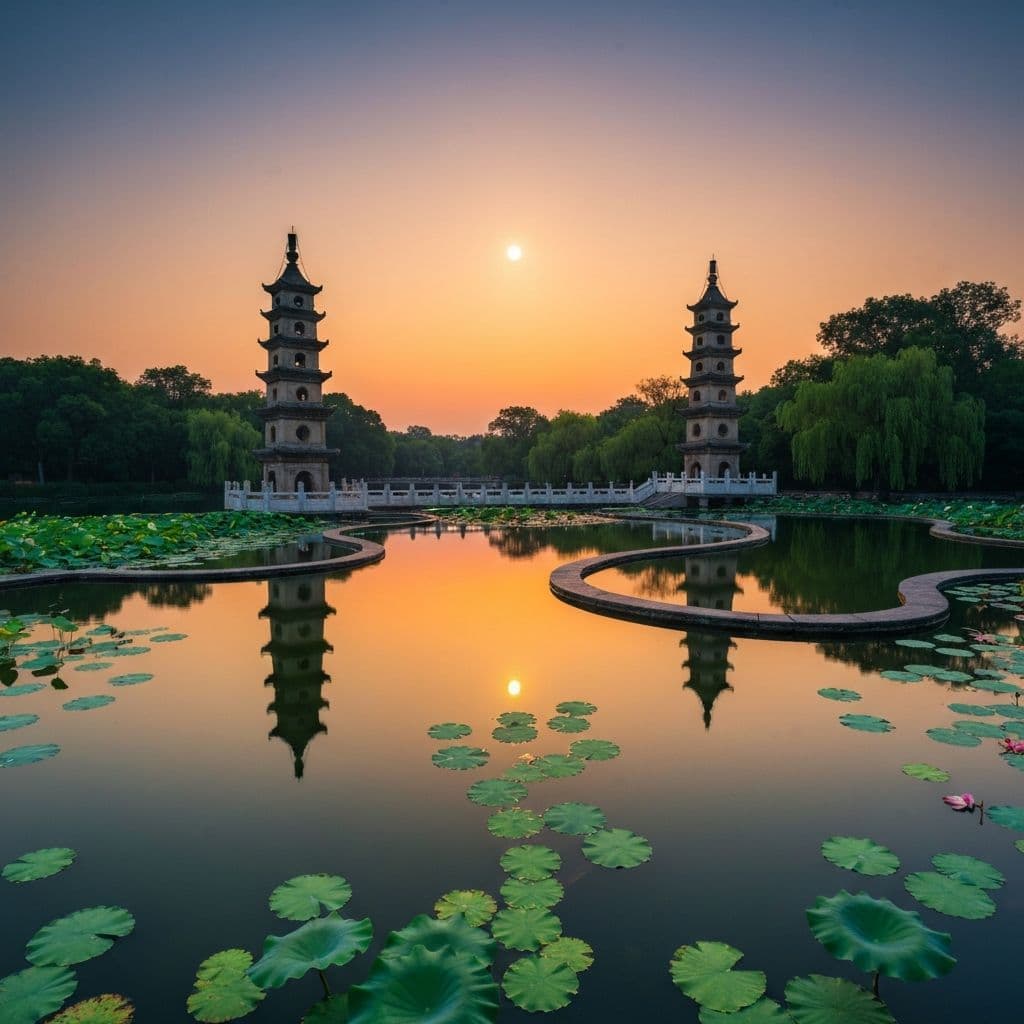
West Lake, a UNESCO World Heritage site, is the defining landmark of Hangzhou and a symbol of classical Chinese beauty. Renowned for its stunning freshwater scenery and profound cultural significance, it has inspired poets and artists for centuries. Visitors can explore willow-lined banks, ancient pagodas like Leifeng, and historic causeways such as the Su Causeway.