west China
Tibet
Tibet: Roof-of-the-World culture, monasteries, and Himalayan horizons
Best time: May-November
10 days suggested
5 highlights
Why Visit Tibet
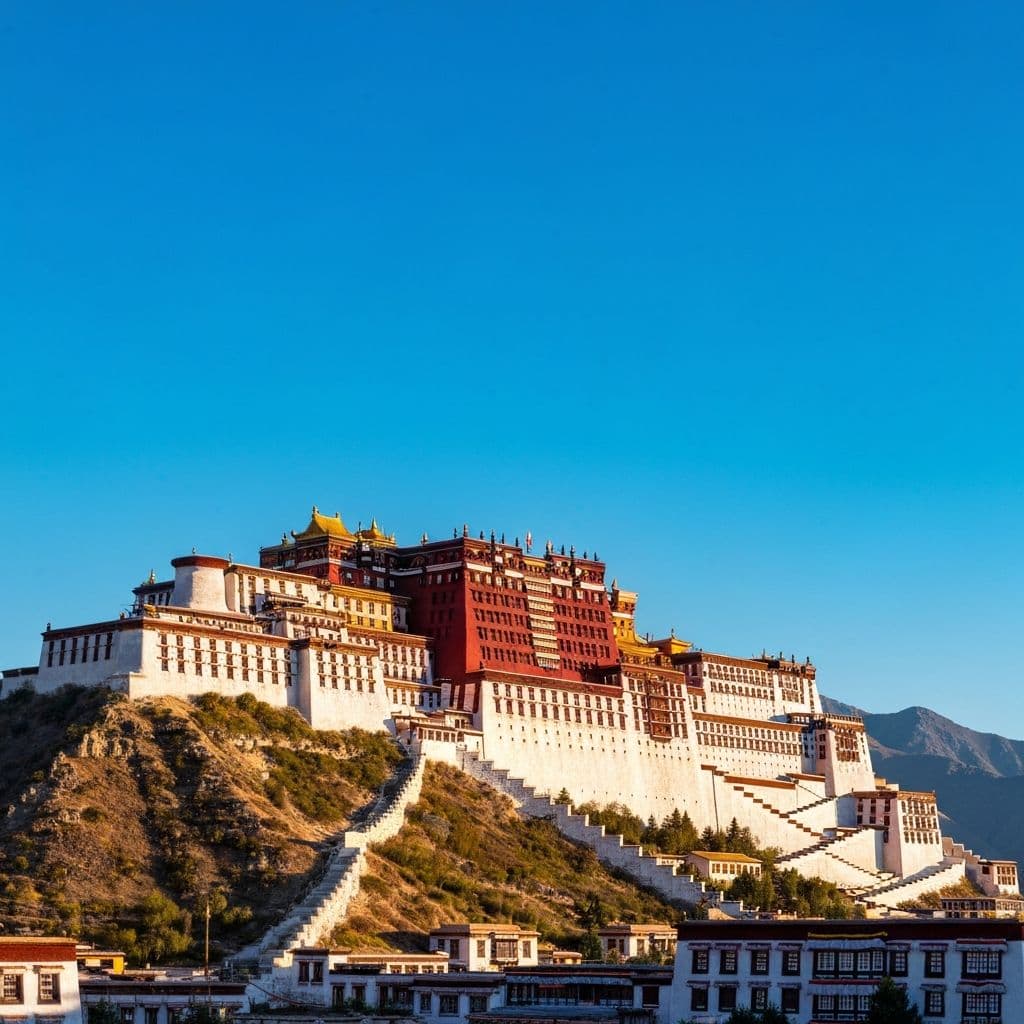
Tibet is China’s high-altitude heartland, where sacred monasteries, Himalayan landscapes, and living Buddhist traditions create one of Asia’s most distinctive journeys. In ChinaTravelBook.com’s North China collection, this destination refers to the Tibet Autonomous Region (Xizang), spread across the Qinghai-Tibet Plateau in China’s far southwest. Centered on Lhasa, Tibet’s capital at about 3,650 meters above sea level, the region pairs dramatic geography with deep history. The Potala Palace (Bùdálā Gōng), first built in the 17th century under the Fifth Dalai Lama, has been a UNESCO World Heritage Site since 1994. From Lhasa, Shigatse lies roughly 270 km to the west, Nyingchi about 400 km to the east, and Yamdrok Lake can be reached on a scenic day trip. Tibet borders Qinghai, Sichuan, Yunnan, Xinjiang, and several South Asian countries, giving it a frontier character unlike anywhere else in China. For international visitors, Tibet stands out for its combination of Tibetan Buddhism, pilgrimage culture, and immense open landscapes. You can watch pilgrims circle the Jokhang Temple along Barkhor Street, hear prayer wheels turning in old quarters, and visit monasteries such as Sera and Drepung that preserve Gelugpa traditions. As of 2026, improved transport links and visitor services make Tibet more accessible than in the past, while the experience still feels extraordinary, remote, and spiritually powerful.
Top Highlights
Tour the UNESCO-listed Potala Palace in Lhasa, the 17th-century winter palace of the Dalai Lamas
Join pilgrims on Barkhor Street and visit Jokhang Temple, Tibet’s holiest shrine founded in the 7th century
Watch monk debates at Sera Monastery, one of the great Gelugpa monasteries near Lhasa
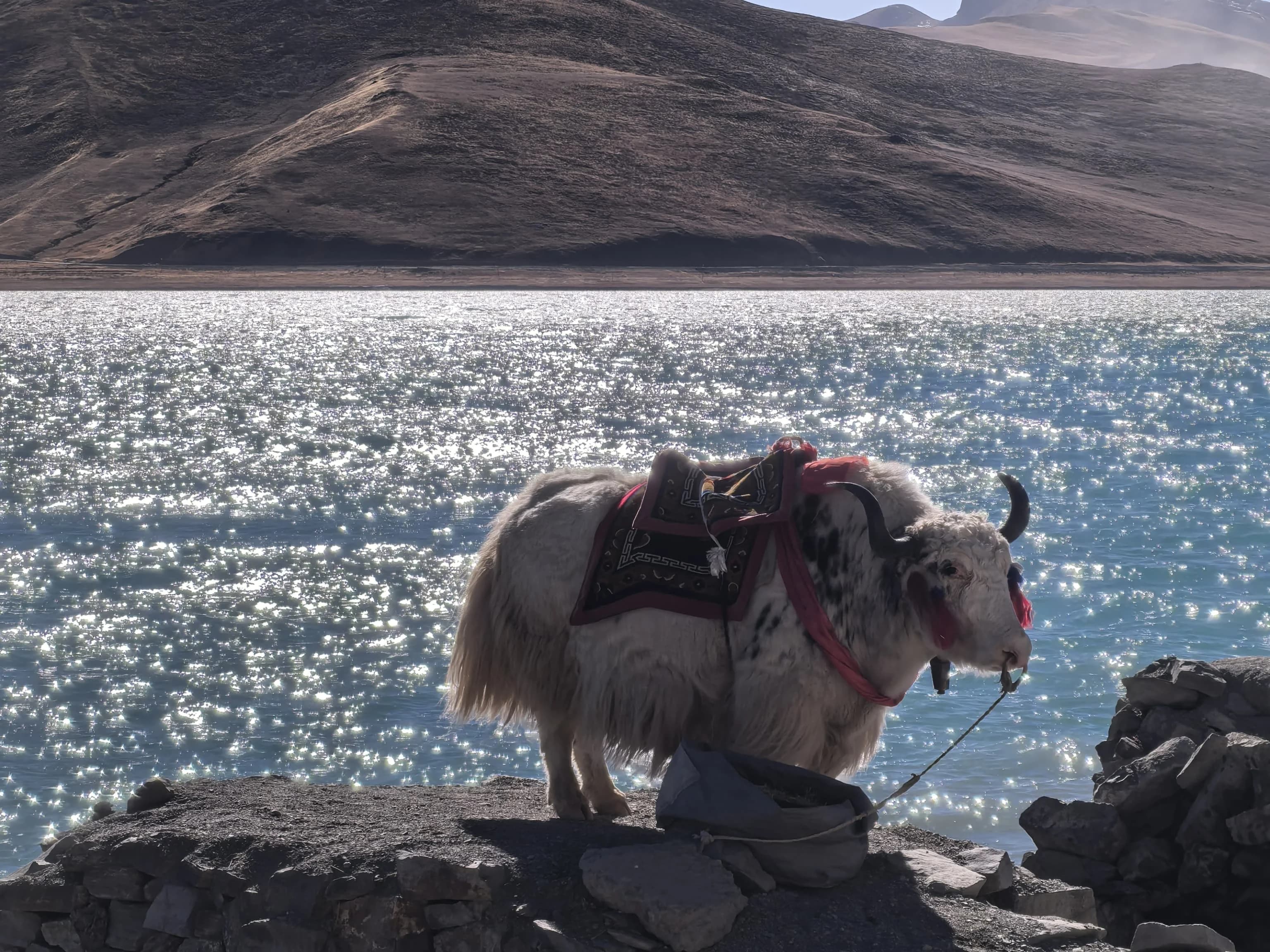
Drive to Yamdrok Lake for turquoise water, glacier views, and classic high-plateau scenery
Travel west to Shigatse to see Tashilhunpo Monastery, the historic seat of the Panchen Lamas
Must-See Attractions
3 attractions to explore in Tibet
Buddha's Palm Sand Dunes
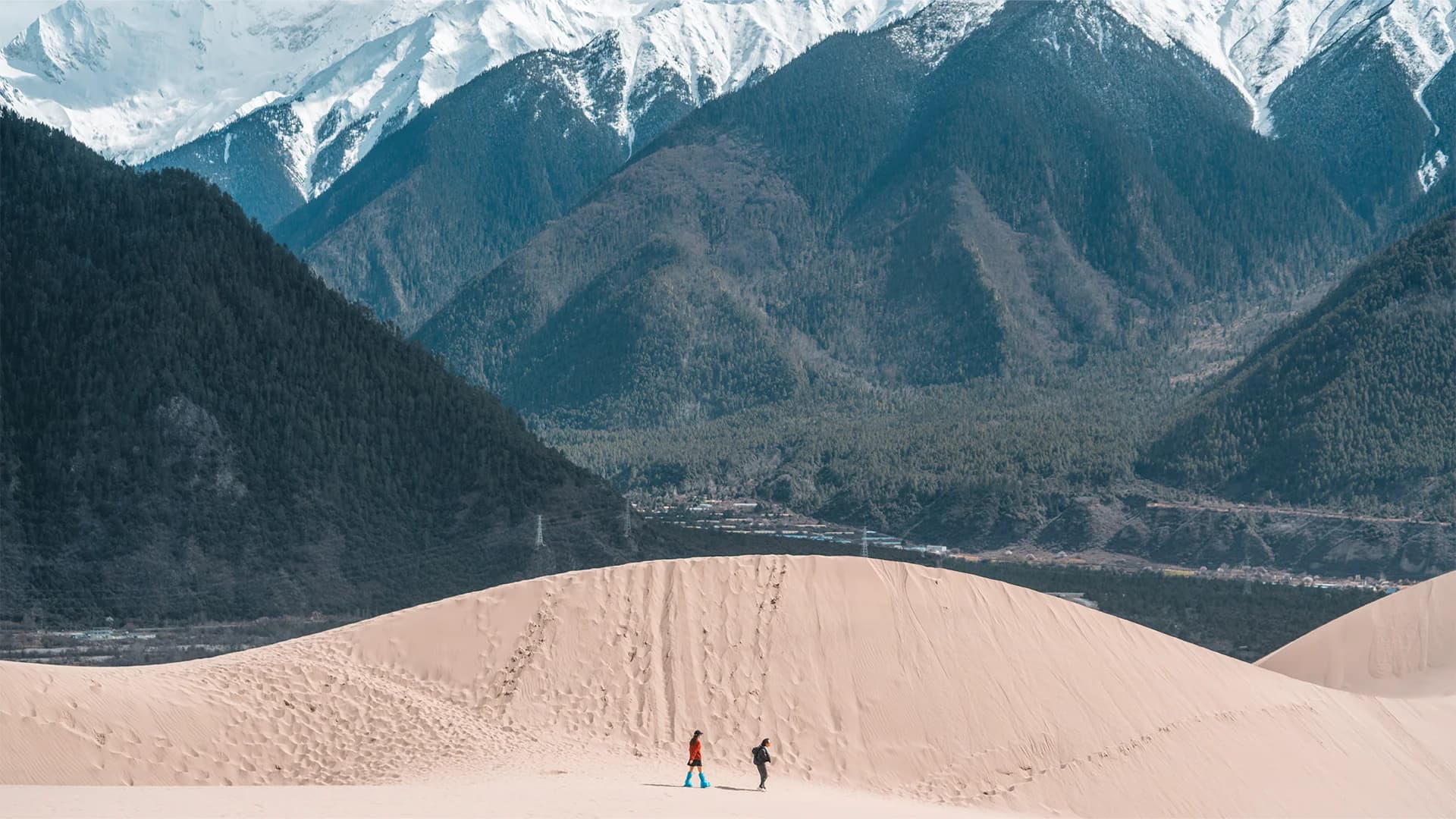
The Buddha's Palm Sand Dunes are a famous natural landscape in Tibet, renowned for their golden sand dunes resembling a hand's palm, which complement the magnificent scenery of the plateau. The value of the Buddha's Palm Sand Dunes lies not only in their unique landscape where desert and snow-capped mountains meet, but also in their important place in Tibetan history and culture. This land was, for centuries, a crossroads of high-altitude transportation routes and Buddhist geography. Local guides often associate the dunes' outlines with sacred symbolism, referring to them as the e "Fo Zhang Shaqiu" (佛掌沙丘, Buddha's Palm Sand Dunes).
natural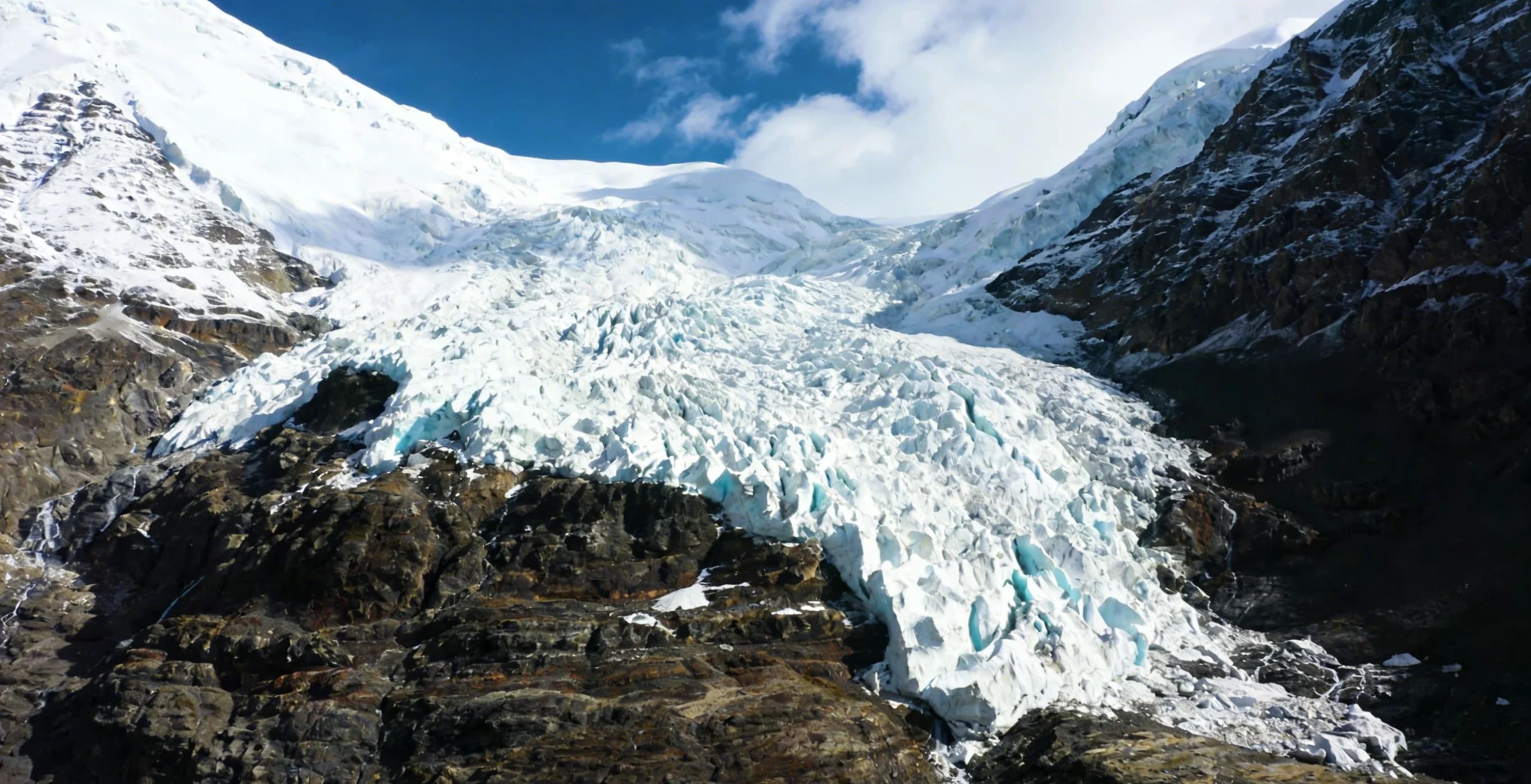
Karola Glacier
Karola Glacier is a famous natural landscape in Tibet, renowned for its spectacular blue-white ice walls located near the highway between Lhasa and Gyantse. Perched on the slopes of the Norjin Kangsan Mountains at an altitude of over 5,000 meters, it is one of the most easily accessible glaciers in Tibet, requiring no long trek. In Chinese, it is usually written as Karola Bingchuan(卡若拉冰川), and many travelers combine it with Yamdrok Lake and Gyantse Dzong to form a classic overland travel route in Tibet.
natural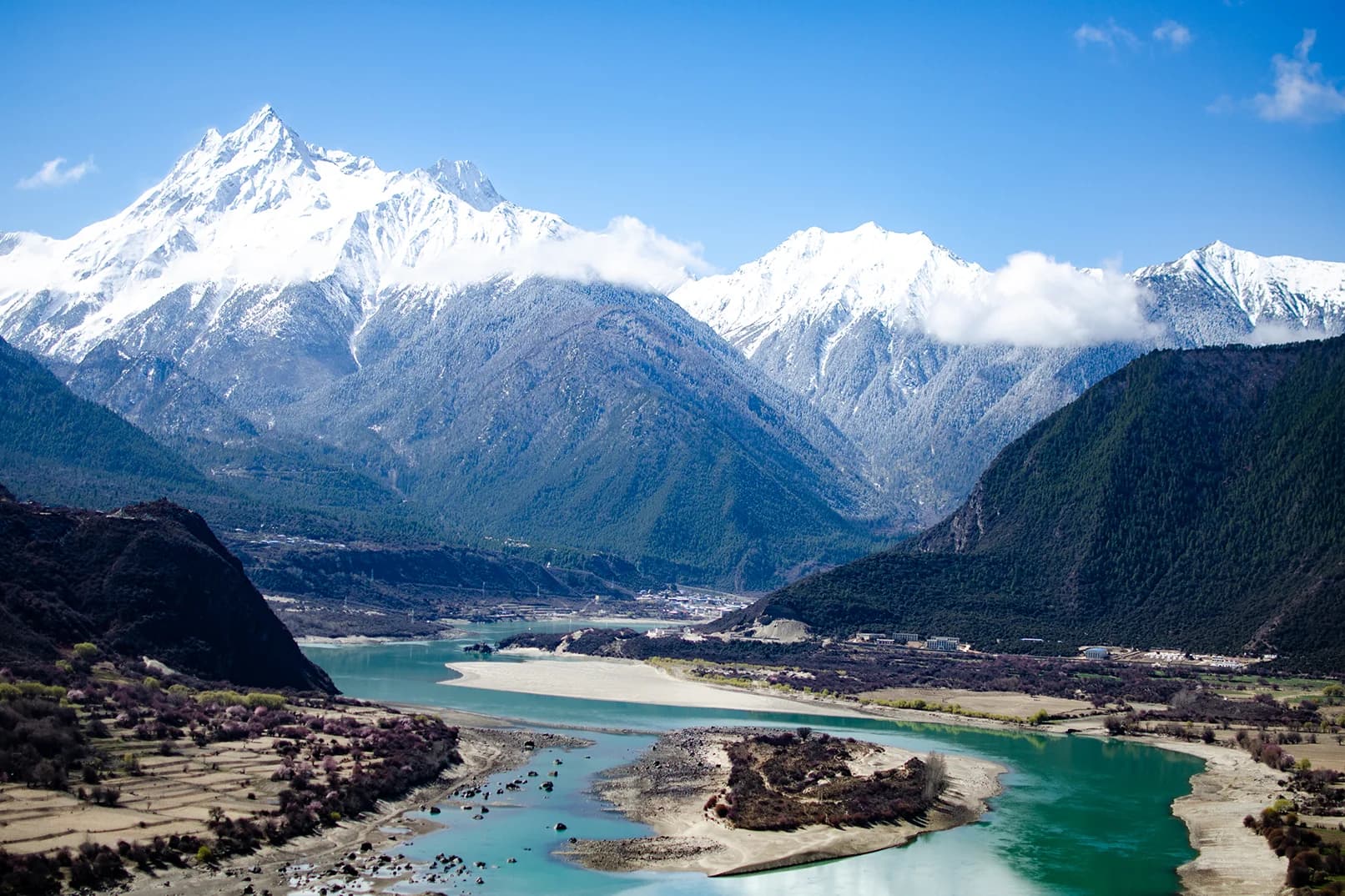
Yarlung Tsangpo River
The Yarlung Tsangpo River is a natural wonder of Tibet, renowned for its magnificent alpine canyon scenery, sacred cultural history, and the breathtaking canyon system near Nyingchi. Originating in western Tibet, it flows eastward across the plateau, closely connected to the Yarlung Tsangpo Valley, considered one of the cradles of Tibetan civilization. For most travelers, the most convenient way to experience the Yarlung Tsangpo River is through viewpoints in Nyingchi and the Yarlung Tsangpo Grand Canyon region.
naturalQuick Info
- Region
- west China
- Best Time to Visit
- May-November
- Suggested Duration
- 10 days
Weather & Climate
Monthly climate overview for Tibet
Spring
10-20°C
Mar - May
Summer
25-35°C
Jun - Aug
Autumn
10-22°C
Sep - Nov
Winter
-5-5°C
Dec - Feb
Best time to visit
May-November
Plan Your Trip
Need help planning your Tibet itinerary? Get personalized travel advice from our team.
Contact Us